For women with curvy figures, choosing the right activewear can make a significant difference in how clothing fits, feels, and enhances body shape. High waisted leggings and bike shorts have both surged in popularity—worn not just for workouts but as everyday fashion staples. But when it comes to flattering curves, particularly around the hips, thighs, and waist, one style may offer more advantages than the other. Understanding fabric, cut, rise, and silhouette is key to making a choice that supports confidence and comfort.
The Anatomy of Flattering Fit for Curvy Bodies
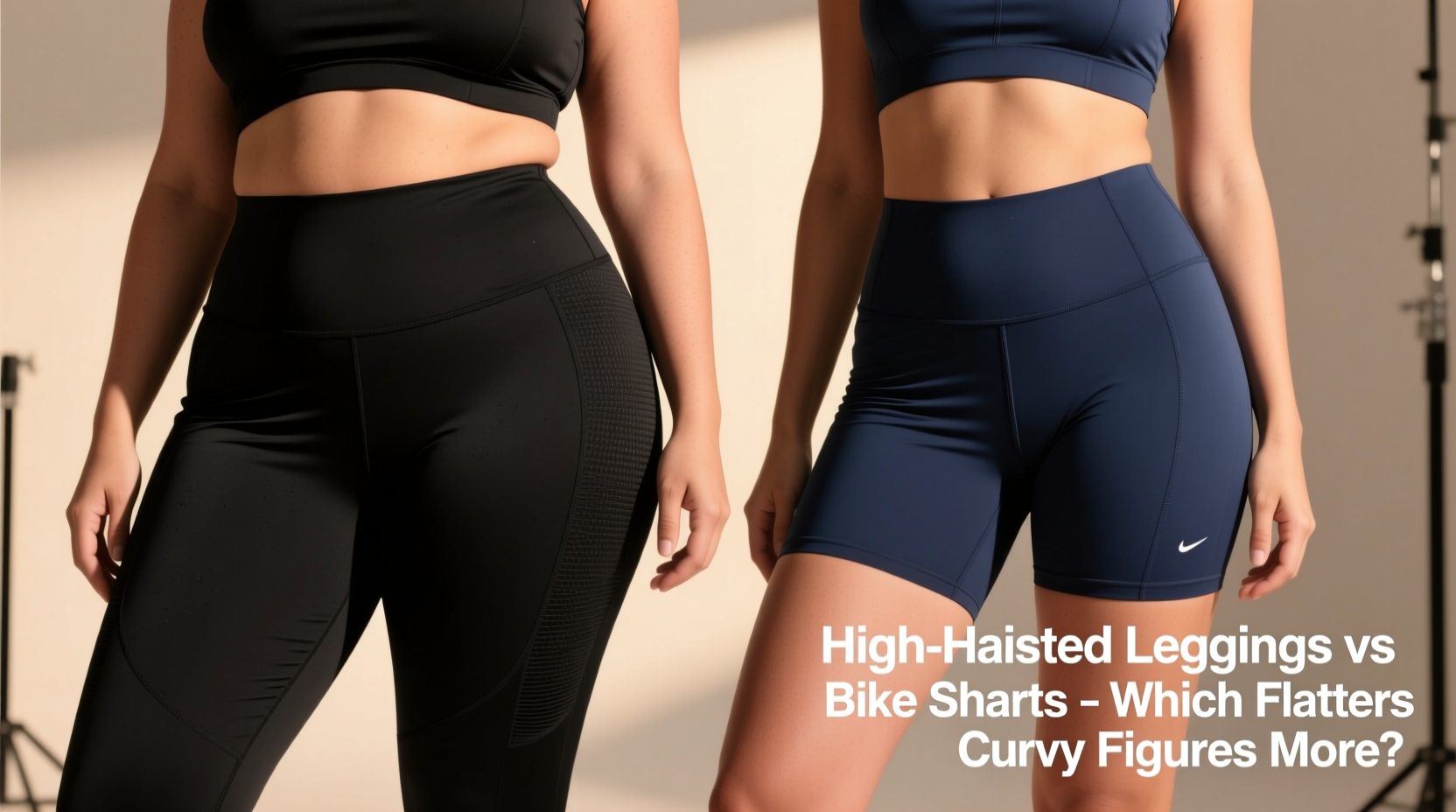
Curvy figures typically feature a fuller hip and thigh area relative to the waist, often categorized as pear-shaped, hourglass, or apple shapes with defined lower bodies. The goal in selecting activewear isn’t to hide these features, but to highlight them in ways that feel balanced, supported, and proportionate.
High-waisted designs are often praised for their ability to smooth the midsection, lift the hips, and create an elongated leg line. Bike shorts, on the other hand, are celebrated for their retro appeal and freedom of movement—but they don’t always provide the same level of shaping support.
Fabric composition also plays a critical role. Four-way stretch, moisture-wicking materials with at least 15–20% spandex offer compression and recovery, essential for accommodating curves without sagging or pinching.
Tip: Look for garments labeled “compression” or “tummy control” if you want extra smoothing without sacrificing breathability.High Waisted Leggings: Structure, Support, and Silhouette
High waisted leggings extend above the natural waistline, usually between 8 to 12 inches from the crotch, offering coverage and compression from the upper hips through the lower abdomen. This extended waistband acts like built-in shapewear, gently sculpting the midsection while lifting and separating the glutes.
For curvier women, this design creates several visual benefits:
- Elongation: The vertical rise draws the eye upward, creating longer-looking legs.
- Waist Definition: A snug high waistband accentuates the narrowest part of the torso, enhancing hourglass proportions.
- Hip & Thigh Coverage: Full-length leggings cover the fullest parts of the thighs and hips, minimizing perceived bulk and providing consistent smoothing.
- Seam Placement: Strategically curved seams along the back pockets or down the legs can enhance roundness and balance volume.
Many brands now specialize in curve-inclusive sizing (e.g., sizes up to 3X or 4X) with gusseted crotches and reinforced stitching to prevent sheerness and bagging at stress points. These technical upgrades ensure durability and a secure fit during dynamic movements.
“High-waisted leggings function almost like second skin when properly engineered—they should hold you in, not squeeze you painfully,” says Dana Lee, a fit consultant specializing in plus-size activewear design. “The best ones redistribute soft tissue gently, so everything stays where it belongs.”
Bike Shorts: Style, Movement, and Exposure Trade-offs
Bike shorts, traditionally 3 to 7 inches long, originated as performance wear for cyclists but have evolved into a fashion-forward staple. Their shorter length emphasizes leg exposure and offers greater ventilation, appealing to those who prefer less coverage.
While stylish, bike shorts present unique challenges for curvy figures:
- Thigh Exposure: Because they end mid-thigh, they often sit at the widest part of many women’s legs, potentially drawing attention to areas some wish to minimize.
- Limited Tummy Control: Most bike shorts have a lower or mid-rise waistband, offering minimal abdominal support compared to high-waisted alternatives.
- Riding Up: Without sufficient compression or grip, shorter styles may shift during activity, requiring frequent adjustment.
However, advancements in design have improved their functionality. Some modern versions include silicone grippers inside the leg openings, wider waistbands, and targeted compression panels. In darker colors and matte fabrics, well-fitted bike shorts can still flatter full hips and thighs—especially when paired with longer tops or oversize tees that balance the silhouette.
Comparative Analysis: Leggings vs. Bike Shorts for Curves
| Feature | High Waisted Leggings | Bike Shorts |
|---|---|---|
| Waist Support | Excellent – compressive, tummy-smoothing waistband | Fair to Good – depends on rise and band width |
| Hip & Thigh Coverage | Full – extends over fullest areas, reduces friction | Limited – cuts across mid-thigh, may cling or bind |
| Leg Elongation | High – continuous line from waist to ankle | Moderate – shorter length can shorten appearance |
| Comfort During Activity | High – full coverage, no chafing, stable fit | Variable – may ride up without grip features |
| Fashion Versatility | High – works with crop tops, tunics, sneakers, boots | Very High – trendy with oversized shirts, slides, streetwear |
| Best For Body Types | Pear, hourglass, apple with lower-body emphasis | Inverted triangle, athletic build, petite frames |
Real-Life Insight: A Case Study in Confidence
Meet Tanya R., a 34-year-old fitness instructor and size 14 wearer based in Atlanta. For years, she avoided bike shorts entirely, convinced they emphasized her thick thighs. “I’d wear leggings even in 90-degree heat because I felt more put together,” she shares. After experimenting with longer-length bike shorts (7-inch inseam) in black, medium-compression fabric, she found a pair that stayed in place and didn’t pinch. Paired with a flowy linen shirt, she began wearing them off-duty—and eventually on low-intensity studio days.
Still, for strength training and HIIT classes, she defaults to high waisted leggings. “They give me security. I’m not worried about adjusting my clothes mid-squat. And honestly, they make my butt look amazing.”
Tanya’s experience reflects a broader trend: many curvy women use both styles strategically. Leggings for function and form-flattery; bike shorts for casual outings where style trumps structure.
How to Choose What Works for You: A Styling Checklist
Instead of declaring one style universally better, consider your lifestyle, body shape, and priorities. Use this checklist to guide your decision:
- ✅ Determine your primary use: Will you wear them primarily for exercise, lounging, or streetwear?
- ✅ Assess your torso-to-hip ratio: If your waist is significantly smaller than your hips, high waists will likely enhance proportion.
- ✅ Test the fabric: Pinch the material. Does it bounce back quickly? Poor recovery leads to sagging.
- ✅ Check the rise: Measure from crotch to waistband. Anything under 9” may not qualify as truly high-waisted.
- ✅ Evaluate seam lines: Curved back seams or princess seams add dimension and lift.
- ✅ Try movement tests: Bend forward, squat, walk. Do they stay in place without digging in?
- ✅ Consider layering options: Can you pair bike shorts with a long top to balance proportions?
Expert Tips for Maximizing Flattery
Flattering fit isn’t just about the garment—it’s also about how you wear it. Consider these strategies:
- Color Matters: Darker shades like charcoal, navy, or black create a slimming effect. Avoid light-colored bike shorts unless they have strong compression.
- Pair Intentionally: Wear high waisted leggings with cropped tops to highlight the waist. Pair bike shorts with longline jerseys or duster cardigans to elongate the torso.
- Avoid Sheerness: Hold the fabric up to the light before buying. If you can see your fingers clearly, it may become sheer when stretched.
- Invest in Quality: Higher-priced leggings often use superior fabric blends and construction techniques that last longer and perform better.
“The most flattering piece is the one you feel powerful in,” notes stylist Mariah Chen. “If a woman loves her bike shorts and stands taller wearing them, that’s what matters most. But if she’s constantly pulling at the hem, it’s probably not the right fit—for her body or her lifestyle.”
Frequently Asked Questions
Can curvy women wear bike shorts confidently?
Absolutely. The key is choosing the right length, fit, and fabric. Opt for 5- to 7-inch inseams in medium-to-high compression materials. Pair them with longer tops to balance the look. Confidence comes from feeling secure, not from conforming to trends.
Do high waisted leggings make you look thinner?
Yes, when properly fitted. They create a streamlined silhouette by smoothing the abdomen and hips while defining the waist. Vertical lines and dark colors amplify this effect. However, overly tight bands can create bulges—choose true-to-size or slightly compressive, not restrictive.
Are bike shorts suitable for larger thighs?
They can be, but fit is crucial. Look for styles with wide leg openings and four-way stretch to avoid cutting into the skin. Avoid ultra-short lengths (under 4”) if you’re concerned about constriction. Matte finishes are less likely to draw unwanted attention than shiny fabrics.
Final Thoughts: It’s About Harmony, Not Hierarchy
When comparing high waisted leggings and bike shorts for curvy figures, the answer isn’t binary. High waisted leggings generally offer more shaping, coverage, and proportion-enhancing benefits—making them a top choice for those seeking smoothing support and functional elegance. Bike shorts, meanwhile, win in versatility and trend appeal, especially when styled intentionally.
The most flattering option ultimately aligns with your personal comfort, daily activities, and aesthetic preferences. Many curvy women maintain both in their wardrobes, rotating based on occasion. The power lies not in the garment itself, but in how it makes you feel: supported, confident, and authentically seen.
🚀 Ready to redefine your activewear game? Try one new fit tip from this guide this week—whether it’s measuring your rise or testing squat mobility. Share your experience in the comments and inspire others to wear what flatters, functions, and fuels their confidence.