Fennel is a versatile, aromatic herb prized in kitchens and gardens worldwide. Unlike many culinary herbs that offer only leaves or seeds, fennel provides three distinct edible components: the bulbous base used like a vegetable, the feathery fronds that function as fresh herbs, and the aromatic seeds employed in spice blends and infusions. Growing fennel at home allows cooks and gardeners to access all these forms at peak freshness while cultivating a striking, drought-tolerant plant that supports pollinators. Whether you're working with a backyard plot, raised bed, or large container, successfully growing fennel requires understanding its growth cycle, environmental preferences, and cultivation challenges—especially its tendency to cross-pollinate and dominate space. This guide delivers comprehensive, field-tested knowledge for sowing, maintaining, and harvesting fennel throughout the season.
Definition & Overview
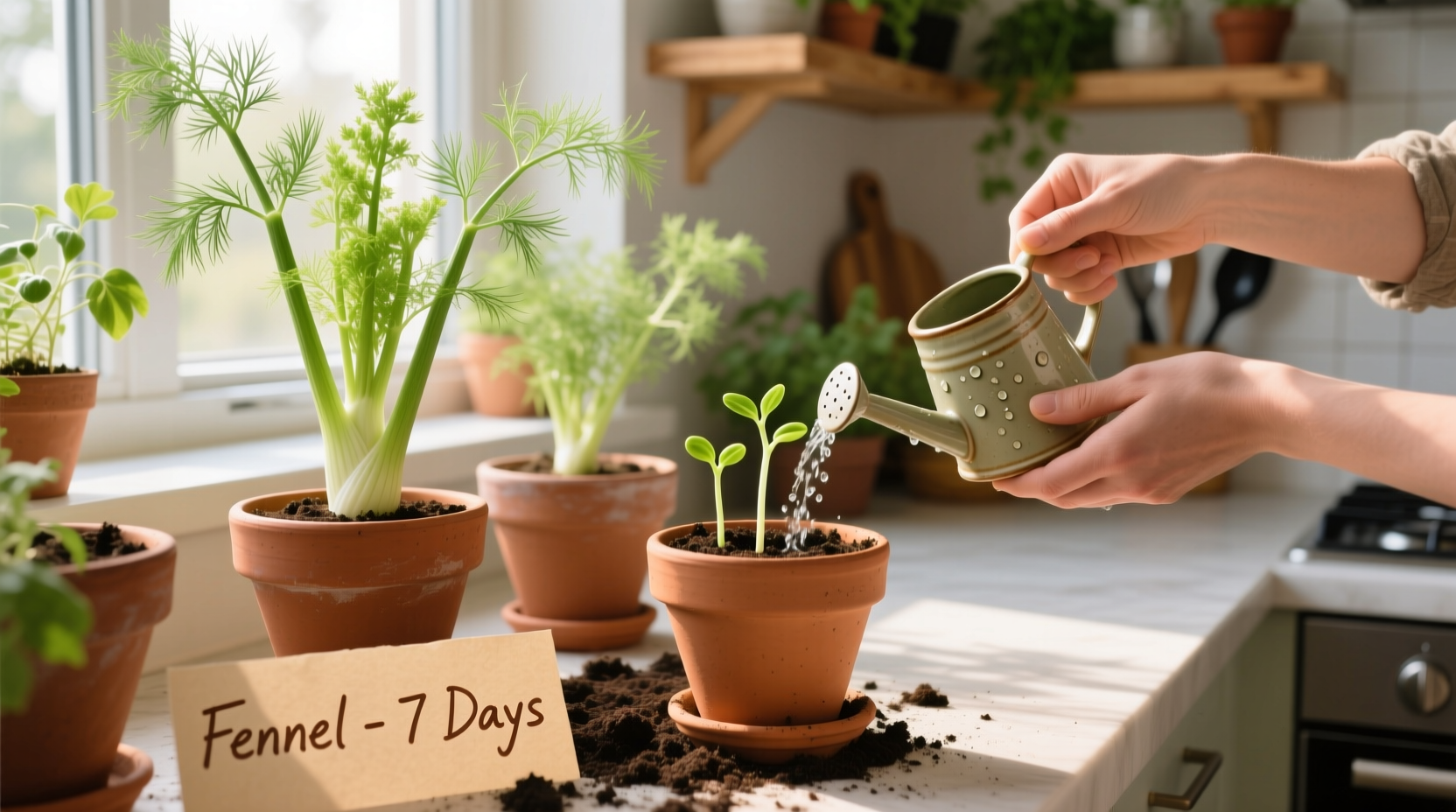
Fennel (Foeniculum vulgare) is a hardy perennial herb in the Apiaceae family, which includes carrots, parsley, dill, and cilantro. While it can survive multiple years in USDA zones 6–9, it is most commonly grown as a cool-season annual, particularly when cultivated for its swollen leaf bases (bulbs). Native to the Mediterranean coast, fennel thrives in sunny, well-drained environments and has naturalized across much of Europe, North America, and Australia.
Culinarily, fennel refers to two primary types: sweet fennel (Foeniculum vulgare var. dulce), grown for its bulb and foliage, and bitter or wild fennel, primarily harvested for seed. The plant grows upright, reaching heights of 3 to 6 feet, with slender, hollow stems and delicate, fern-like green foliage. In late summer, it produces clusters of small yellow flowers that mature into oval-shaped seeds. Every part of the plant carries a distinctive anise-like flavor due to trans-anethole, the same compound found in anise seed and star anise, though fennel’s taste is milder, sweeter, and more complex.
Key Characteristics
| Component | Flavor Profile | Aroma | Color/Texture | Culinary Function | Shelf Life (Fresh) |
|---|---|---|---|---|---|
| Bulb | Sweet, crisp, mildly licorice; mellows when cooked | Fragrant, herbal, slightly camphorous | Ivory-white, dense, layered like onion | Vegetable (raw or cooked) | 7–10 days refrigerated |
| Fronds | Delicate anise, grassy | Fresh, bright, aromatic | Feathery green, soft | Herb garnish, seasoning | 3–5 days refrigerated |
| Seeds | Warm, sweet, slightly peppery | Intensely aromatic, balsamic | Oval, green-brown, ridged | Dried spice, tea, infusion | 2–3 years stored airtight |
| Pollen | Concentrated floral anise, honeyed | Highly fragrant, perfumed | Golden-yellow powder | Luxury seasoning, finishing spice | 1–2 years cool/dark storage |
Practical Usage in Cooking
Fennel's versatility spans raw applications, slow roasting, grilling, braising, and fermentation. Each form brings unique value to both home and professional kitchens.
Bulb Preparation and Cooking Techniques
The bulb is the centerpiece of Italian and French cuisine, often sliced thin for salads or roasted whole to caramelize its natural sugars. To prepare:
- Trim the stalks just above the bulb and remove any tough outer layers.
- Cut vertically through the core to maintain structural integrity during cooking.
- For raw use: Slice paper-thin on a mandoline and soak in ice water for 15 minutes to enhance crunch and reduce sharpness.
- For roasting: Halve or quarter bulbs, toss with olive oil, salt, and herbs; roast at 400°F (200°C) for 30–40 minutes until golden and tender.
- For braising: Simmer in broth or wine with onions and garlic until soft; ideal for fall and winter dishes.
The cooked bulb pairs exceptionally well with pork, sausage, citrus, olives, tomatoes, and creamy sauces. A classic preparation involves layering sliced fennel with potatoes and pancetta, then baking into a gratin.
Using Fresh Fronds
Fennel fronds resemble dill but carry a more nuanced sweetness. They are best used raw or added at the end of cooking to preserve aroma. Applications include:
- Chopped finely and stirred into fish tartare, ceviche, or crab salad.
- Blended into herb oils, aiolis, or compound butters for grilled seafood.
- Used as a garnish over soups, risottos, or roasted vegetables.
- Stuffed inside whole fish before grilling to infuse flavor.
Pro Tip: When substituting for dill or tarragon, use fennel fronds at half the quantity due to their stronger anise character. Pair with acidic ingredients like lemon juice or vinegar to balance intensity.
Harvesting and Using Seeds and Pollen
Fennel seeds are typically harvested in late summer when flower heads turn brown and seeds become firm. After cutting and drying, they can be used whole or ground. Common uses:
- Toasted and crushed for Indian-style tempering (tadka) in lentil dishes.
- Whole in pickling brines for cucumbers, beets, or red onions.
- Ground into spice rubs for lamb, duck, or game birds.
- Brewed into digestive teas, often combined with ginger or chamomile.
Fennel pollen—the rarest form—is collected by gently shaking mature flowers into a bowl. It commands high prices in gourmet markets due to low yield and intense flavor. Use sparingly as a finishing spice on pasta, pizza, or roasted meats.
Variants and Types of Fennel
Understanding the differences between fennel types ensures proper selection for your growing and culinary goals.
Sweet (Florence) Fennel – Foeniculum vulgare var. dulce
This is the variety grown for its edible bulb. Compact, fast-maturing cultivars like ‘Zefa Fino’, ‘Orion’, and ‘Montebianco’ are favored for reliable swelling under cool conditions. These varieties require consistent moisture and short daylight exposure to prevent premature bolting.
Bitter (Wild) Fennel – Foeniculum vulgare (wild type)
Naturalized across roadsides and coastal bluffs, wild fennel grows tall and lanky with minimal bulb development. Its primary value lies in seed and pollen production. Wild fennel reseeds aggressively and supports swallowtail butterfly larvae, making it ecologically valuable—but potentially invasive in gardens.
Bronze Fennel – Foeniculum vulgare 'Purpureum'
Valued for ornamental appeal, bronze fennel features deep burgundy foliage and does not form a substantial bulb. It excels in herb gardens and containers, attracting beneficial insects. While edible, its flavor is less sweet than Florence fennel. Often used as a backdrop plant in landscape design.
Upright vs. Bulbing Growth Habits
Not all fennel varieties produce marketable bulbs. True bulbing fennel must be planted under precise seasonal conditions: sown in early spring or late summer to avoid heat stress. Bolting (premature flowering) occurs when temperatures exceed 80°F (27°C) or daylight exceeds 14 hours, resulting in elongated stems and no bulb formation.
| Variety | Primary Use | Bulb Formation | Height | Days to Maturity | Best For |
|---|---|---|---|---|---|
| Zefa Fino | Bulb & fronds | Yes – medium, firm | 3–4 ft | 70–80 | Home gardens, succession planting |
| Orion | Bulb & fronds | Yes – large, white | 3 ft | 85 | Cool climates, fall harvest |
| Bronze Leaf | Ornamental, fronds | No | 4–5 ft | 90+ | Containers, landscaping |
| Wild (uncultivated) | Seed, habitat | No | 5–6 ft | N/A | Wildscaping, pollinator support |
Comparison with Similar Ingredients
Fennel is frequently confused with several other aromatic plants. Understanding distinctions prevents culinary missteps.
Fennel vs. Anise Seed
- Botanical origin: Anise (Pimpinella anisum) is a different species entirely, though both contain trans-anethole.
- Form: Anise is used exclusively as a seed; fennel offers bulb, fronds, and seeds.
- Flavor: Anise seed is sharper, more medicinal; fennel is rounder and milder.
- Use: Anise dominates in liqueurs (ouzo, absinthe); fennel integrates more subtly into savory dishes.
Fennel vs. Dill
- Appearance: Fronds look nearly identical, but fennel has a thicker central stem and faintly purple base.
- Taste: Dill is grassy and citrusy; fennel is sweet and anise-forward.
- Pairings: Dill suits yogurt, cucumber, salmon; fennel complements pork, citrus, and tomatoes.
Fennel vs. Caraway
- Seed shape: Fennel seeds are longer and lighter green; caraway is crescent-shaped and darker brown.
- Flavor profile: Caraway has a warm, earthy note dominant in rye bread and goulash; fennel is brighter and sweeter.
- Culinary context: Caraway is central to Central/Eastern European cuisines; fennel is Mediterranean-focused.
“Many chefs reach for fennel seeds when they want complexity without aggression. It’s the anise-family ingredient that doesn’t announce itself—it weaves in.” — Claire Thompson, Executive Chef, Herban Kitchen
Practical Tips & FAQs
When is the best time to plant fennel?
Sow seeds directly outdoors 2–4 weeks before the last frost in spring, or in late summer (August–September) for a fall crop. Ideal soil temperature is 60–70°F (15–21°C). Avoid transplanting, as fennel develops a long taproot that resents disturbance.
How much sun does fennel need?
Fennel requires full sun—minimum 6 to 8 hours daily. Insufficient light leads to leggy growth and poor bulb formation.
Can I grow fennel in a container?
Yes, provided the pot is at least 12 inches deep and wide. Use a quality potting mix with perlite for drainage. Choose compact varieties like ‘Zefa Fino’. Container-grown fennel needs regular watering and bi-weekly feeding with balanced liquid fertilizer.
Why isn’t my fennel forming a bulb?
Common causes include:
- Excessive heat (>80°F) triggering bolting.
- Inconsistent watering—bulbs split or fail if soil dries out.
- Overcrowding—space plants 6–8 inches apart.
- Daylength sensitivity—long days induce flowering before swelling.
Does fennel attract pests or beneficial insects?
Fennel is a host plant for black swallowtail butterfly caterpillars, which feed on the foliage. While this may defoliate the plant, it rarely kills it. No chemical intervention is needed—tolerate minor damage for ecological benefit. Slugs and aphids may appear; control with hand-picking or insecticidal soap.
How do I prevent fennel from spreading invasively?
Wild fennel self-seeds prolifically. To contain spread:
- Deadhead flowers before seeds mature.
- Grow sweet fennel in isolated beds or containers.
- Monitor perimeter areas for volunteer seedlings in spring.
What should I not plant near fennel?
Fennel secretes allelopathic compounds that inhibit the growth of nearby plants, especially bush beans, kohlrabi, tomatoes, and most herbs. Plant it at least 3 feet away from other vegetables. Compatible neighbors include onions, garlic, and squash.
How do I harvest fennel properly?
Harvest timing depends on the part:
- Bulb: When 2–4 inches in diameter, firm, and white. Cut at soil level with a sharp knife.
- Fronds: Snip outer leaves as needed, leaving inner growth intact.
- Seeds: Clip entire umbel when seeds turn from green to yellow-brown. Dry upside-down in a paper bag.
- Pollen: Gently shake open flowers over a dish on a dry morning.
How should I store harvested fennel?
Bulb: Wrap in damp cloth or place in perforated plastic in the crisper drawer—lasts up to 10 days.
Fronds: Store in a jar with an inch of water (like cut flowers) or wrap in damp paper towel—use within 5 days.
Seeds: Cure fully for 1–2 weeks, then store in airtight glass jars away from light and heat.
Can I freeze fennel?
Bulbs can be blanched and frozen for cooked dishes, but texture degrades. Best frozen as part of soups or stocks. Fronds may be chopped and frozen in oil or water in ice cube trays. Seeds and pollen should never be frozen—ambient storage preserves volatile oils better.
Is fennel safe for pets?
While fennel is generally safe for human consumption and used medicinally, essential oils and large quantities may be toxic to cats and dogs. Keep pets from chewing on mature plants. Consult a veterinarian before using fennel medicinally on animals.
Checklist: Success with Homegrown Fennel
- Plant in full sun with well-drained soil (pH 6.0–7.5).
- Sow seeds directly—avoid transplanting.
- Water consistently—1 inch per week.
- Thin seedlings to 6–8 inches apart.
- Harvest bulbs before hot weather triggers bolting.
- Isolate from incompatible plants.
- Deadhead to prevent unwanted seeding.
Summary & Key Takeaways
Growing fennel at home unlocks access to one of the kitchen’s most elegant and functional plants. From the crisp, refreshing bulb used in salads and roasts to the fragrant fronds that elevate seafood and dressings, and the aromatic seeds essential in global spice traditions, fennel delivers multi-season value. Success hinges on selecting the right variety, planting at optimal times, providing consistent moisture, and managing its aggressive growth tendencies. Gardeners who respect its taproot, sunlight demands, and allelopathic nature will be rewarded with abundant harvests and enhanced biodiversity. Whether grown in a raised bed or a large pot, fennel bridges the gap between ornamental beauty and culinary utility—a true cornerstone of the edible landscape.
Ready to grow your own fennel? Start with fresh, high-viability seeds this season and experience the difference home-harvested flavor makes.