In the rhythm of city life—where sidewalks kick up dust, buses exhale diesel fumes, and sudden rain turns streets into muck—the clothes we wear face a relentless test. Among outerwear staples, suede jackets stand out for their soft texture and timeless style. But when it comes to surviving daily urban exposure, a critical question arises: should you choose real or faux suede?
This isn’t just about ethics or price—it’s about performance. City grime includes oil from exhaust, moisture from puddles, salt from winter roads, and pollutants that cling to fabric fibers. How each material responds to these elements determines not only appearance but also lifespan. Let’s break down the strengths and weaknesses of both options under real-world conditions.
Durability in Urban Conditions
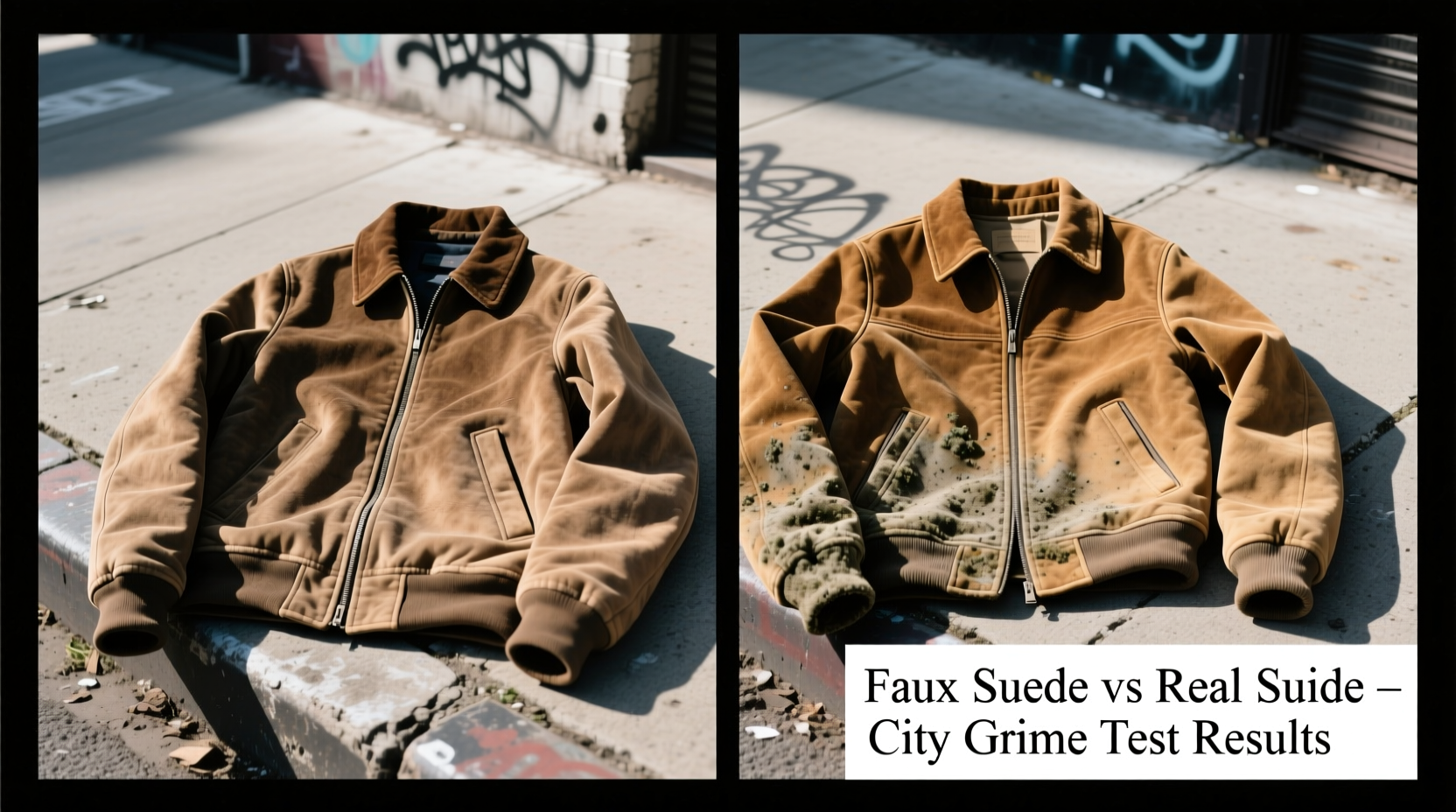
Real suede is made from the underside of animal hides—typically lamb, goat, or calf—and prized for its velvety nap and natural breathability. However, its porous structure makes it vulnerable to staining and water damage. When exposed to city rain or damp subway seats, real suede absorbs moisture quickly, leading to dark spots, warping, and even mildew if not dried properly.
Faux suede, on the other hand, is typically constructed from synthetic microfibers like polyester or polyurethane. These materials are engineered to mimic the look and feel of real suede while offering greater resistance to water and abrasion. Unlike natural leather, faux suede doesn’t absorb liquids as readily, meaning spills and light rain are less likely to leave permanent marks.
Consider this: walking through a drizzle in a real suede jacket often requires immediate blotting and conditioning to prevent water rings. In contrast, many modern faux suede jackets can be wiped clean with a damp cloth and continue wearing without fear of structural damage.
Tip: Always treat real suede with a waterproofing spray before urban use—but remember, no spray offers full protection against prolonged wetness.Maintenance and Cleaning Challenges
Caring for real suede demands diligence. Dust, dirt, and street grime settle into its fibrous surface and require specialized tools—a suede brush, eraser, or professional cleaning—for safe removal. Even routine exposure to air pollution can dull its finish over time. Once stained by oil, coffee, or mud, restoration becomes difficult and costly.
Faux suede wins significantly in low-maintenance appeal. Most versions are machine-washable (always check labels), and surface stains can often be addressed with mild detergent and a soft cloth. This ease of cleaning translates directly to resilience in high-exposure environments like crowded subways, bike commutes, or outdoor festivals.
However, not all faux suede is created equal. Lower-quality synthetics may pill, stiffen, or lose their color after repeated washes. High-end versions—such as those made from ultra-fine microfiber—retain softness and appearance far longer, blurring the line between imitation and authenticity.
“Urban wear needs materials that tolerate neglect. Faux suede, especially premium microfiber blends, performs better than real suede in unpredictable city conditions.” — Lena Tran, Textile Analyst at Urban Apparel Review
Comparison Table: Real vs Faux Suede in City Environments
| Factor | Real Suede | Faux Suede |
|---|---|---|
| Water Resistance | Low – absorbs moisture easily | High – resists absorption; dries faster |
| Stain Susceptibility | High – oils and liquids penetrate deeply | Moderate – surface-level stains easier to remove |
| Cleaning Method | Specialized brushes, sprays, or professionals | Wipe down or machine wash (depending on quality) |
| Durability Over Time | Degrades with frequent exposure to moisture and friction | Holds up well if cared for; some show wear after years |
| Environmental Impact | Animal-derived; tanning uses chemicals | Synthetic; non-biodegradable but avoids animal use |
| Cost Range | $$–$$$ (higher due to sourcing and craftsmanship) | $–$$ (more affordable, scalable production) |
Real-World Scenario: A Commuter’s Experience
Sophie, a graphic designer in Chicago, bought a vintage-style real suede bomber jacket during a fall sale. She wore it daily on her 20-minute walk to the L train, navigating crowded platforms and occasional rain showers. Within two months, the elbows showed visible scuffing, and after one heavy rainstorm without an umbrella, the shoulders developed permanent dark patches.
She replaced it with a high-quality faux suede alternative from a sustainable brand known for durable urban wear. Over the next year, she wore it in snow, sleet, and summer humidity. After six machine washes and countless wipe-downs, the jacket retained its shape and color. “I don’t baby it anymore,” she said. “It goes from commute to café to night out without stress.”
Her experience reflects a growing trend among city dwellers: prioritizing practicality without sacrificing aesthetics. While real suede carries prestige, its fragility in dynamic environments limits functional longevity.
Care Timeline for Longevity
To maximize the life of any suede jacket in a gritty urban setting, follow this proactive care sequence:
- Before First Wear: Apply a protective spray designed for suede (for real) or confirm factory treatment (for faux).
- Weekly: Use a soft-bristled brush to lift surface dust and restore nap on real suede; wipe faux with a damp cloth.
- After Rain or Spills: Blot immediately with a dry towel. For real suede, let air dry away from heat, then brush gently. For faux, spot-clean if needed.
- Monthly: Inspect for stains or wear. Treat minor marks early before they set.
- Seasonally: Deep clean according to material type—professional service for real suede, machine wash (inside-out, cold) for compatible faux styles.
- Off-Season Storage: Store in a breathable cotton bag, away from direct sunlight and moisture. Avoid plastic, which traps humidity.
Ethical and Environmental Considerations
The choice between real and faux extends beyond performance. Real suede is a byproduct of the meat industry, but its processing involves tanning agents like chromium, which can pollute water systems if not managed responsibly. Additionally, caring for real suede often requires chemical cleaners and conditioners that add to environmental load.
Faux suede reduces reliance on animal products and has improved dramatically in sustainability. Some brands now use recycled plastics (like PET bottles) to create microfiber suede, reducing landfill waste. However, these materials shed microplastics during washing, a concern for water ecosystems. Using a microfiber-catching laundry bag can mitigate this issue.
For ethically minded urbanites, high-performance faux suede offers a compelling compromise: cruelty-free, lower maintenance, and increasingly eco-conscious manufacturing.
Checklist: Choosing the Right Suede Jacket for City Life
- ✅ Assess your daily environment: Do you walk long distances? Use public transit? Face variable weather?
- ✅ Prioritize water resistance if you live in a rainy or snowy climate.
- ✅ Look for tightly woven, high-density microfiber if choosing faux.
- ✅ Check care instructions: Machine-washable options save time and extend usability.
- ✅ Test texture in person if possible—some faux suedes feel plasticky or stiff.
- ✅ Consider brand reputation for durability and ethical production.
- ✅ Budget for long-term value, not just upfront cost.
Frequently Asked Questions
Can I wear real suede in the rain?
You can, but it’s strongly discouraged. Even with waterproofing sprays, real suede absorbs moisture, leading to discoloration and potential mold. If caught in the rain, blot dry immediately, stuff with paper to maintain shape, and allow slow air drying. Professional cleaning may still be necessary.
Does faux suede look cheap?
Not necessarily. Low-end versions may appear shiny or lack depth, but premium faux suede—especially Italian or Japanese microfibers—can closely replicate the luster and drape of real suede. The key is fabric weight, texture, and garment construction.
How long do faux suede jackets last?
A well-made faux suede jacket can last 5–7 years with regular use and proper care. In contrast, a real suede jacket exposed to city grime may show significant wear within 2–3 years unless meticulously maintained.
Final Verdict: Which Withstands City Grime Better?
When judged solely on resilience to city grime—dust, moisture, oil, foot traffic, and constant handling—faux suede emerges as the more practical choice. It resists stains, tolerates accidental spills, and survives seasonal transitions with minimal upkeep. Advances in textile engineering have closed the aesthetic gap, making high-quality faux indistinguishable from real at a glance.
That said, real suede retains unmatched luxury and breathability. For occasional wear in controlled conditions—dry climates, evening events, or indoor-heavy routines—it remains a desirable option. But for everyday urban survival, where convenience and endurance matter most, faux suede proves superior.
The modern city rewards functionality. Choosing a jacket isn’t just about style—it’s about how well it endures the grind. And in that race, faux suede doesn’t just keep up; it pulls ahead.
💬 Have your own experience with suede jackets in the city? Share what worked (or didn’t) for you—your insights could help others make smarter choices!