When winter approaches, choosing the right outerwear becomes a matter of comfort, style, and ethics. Two materials frequently considered for cold-weather protection are faux fur and real wool. While both offer warmth and visual appeal, their performance, environmental footprint, and ethical implications differ significantly. Understanding these differences helps consumers make informed decisions that align with personal values—whether prioritizing thermal efficiency, animal welfare, or long-term sustainability.
Wool has been used for centuries in garments due to its natural insulating properties, while faux fur emerged as a synthetic alternative during the mid-20th century, gaining popularity among those opposed to animal-derived materials. Today, the debate extends beyond warmth into broader questions about microplastic pollution, biodegradability, carbon emissions, and labor practices. This article breaks down the key factors shaping the faux fur versus wool conversation.
Thermal Performance: Which Keeps You Warmer?
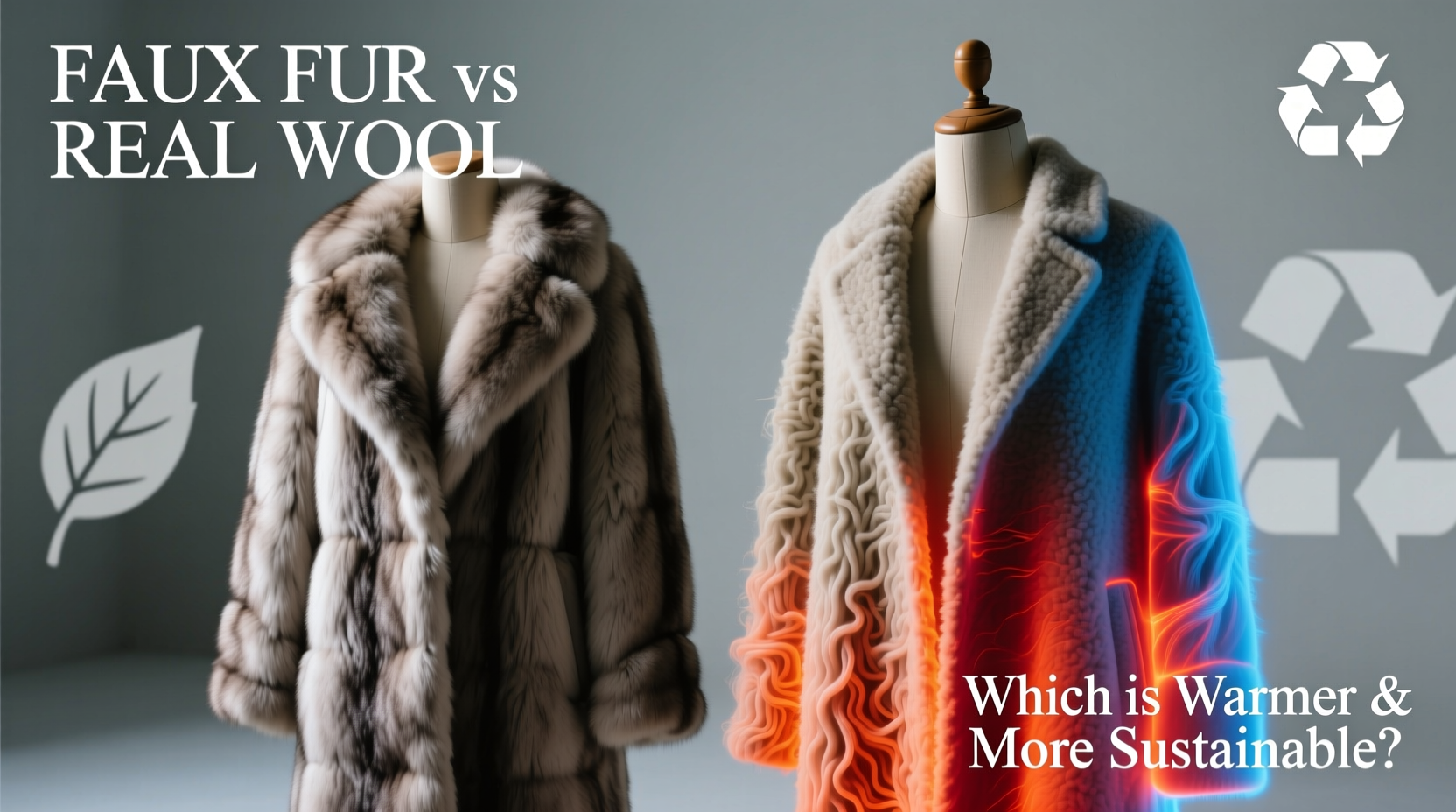
Warmth is often the primary concern when selecting winter outerwear. The ability of a material to trap heat, resist wind, and manage moisture directly impacts comfort in cold climates.
Real wool, particularly from sheep breeds like Merino or Icelandic, excels in insulation due to its crimped fiber structure. These natural kinks create tiny air pockets that retain body heat even when damp—a crucial advantage over many synthetics. Wool fibers can absorb up to 30% of their weight in moisture without feeling wet, reducing the chilling effect caused by sweat buildup during physical activity.
In contrast, faux fur relies on acrylic, modacrylic, or polyester-based pile to mimic the appearance and fluffiness of animal fur. While modern versions have improved in density and loft, they generally lack the breathability and moisture-wicking capabilities of wool. Faux fur traps air effectively but tends to hold onto moisture longer, leading to clamminess in humid or active conditions. It also degrades faster under repeated compression, losing its insulating volume over time.
Tip: For maximum warmth in sub-zero temperatures, layer a wool coat with a wind-resistant shell rather than relying solely on thick faux fur.Environmental Impact: Sustainability Compared
Sustainability encompasses resource use, production emissions, waste generation, and end-of-life disposal. Here, both materials present trade-offs.
Wool is a renewable resource—sheep regrow their fleece annually. When sourced responsibly, wool farming supports land stewardship through managed grazing. However, conventional wool production carries environmental costs: methane emissions from livestock, water-intensive cleaning processes, and chemical treatments for pest control and dyeing. According to the Sustainable Apparel Coalition, wool has a higher global warming potential per kilogram than most synthetic fibers, though this varies widely based on farm practices.
Faux fur, made primarily from petroleum-based plastics, contributes to fossil fuel dependency and generates significant greenhouse gases during manufacturing. Its lifecycle is particularly problematic post-consumer: each wash releases microplastics into waterways, and the material does not biodegrade. A single garment can shed thousands of microfibers per cycle, contributing to oceanic pollution and entering the food chain.
“While wool has a higher initial carbon cost, its durability and biodegradability often make it more sustainable over time—especially if cared for properly.” — Dr. Lena Patel, Textile Environmental Researcher at Cambridge Institute for Sustainability Leadership
Material Comparison Table
| Factor | Real Wool | Faux Fur |
|---|---|---|
| Source | Natural (sheep, alpaca, etc.) | Synthetic (acrylic, polyester) |
| Warmth Retention | Excellent, especially when damp | Good when dry; diminishes with moisture |
| Breathability | High | Low to moderate |
| Durability | High (can last decades) | Moderate (pilling, matting after 2–5 years) |
| Biodegradability | Yes (in 6 months–5 years) | No (persists for centuries) |
| Microplastic Shedding | None | Significant during washing |
| Carbon Footprint (Production) | Moderate to high | High (fossil fuel intensive) |
| Animal Welfare | Varies by sourcing (mulesing concerns) | No animals harmed |
Ethical Considerations and Consumer Values
The choice between faux fur and wool often reflects deeper ethical stances. Many consumers avoid real wool due to concerns about animal treatment, particularly practices like mulesing—a surgical procedure performed without anesthesia on some merino sheep to prevent flystrike. While certifications such as ZQ Merino or Responsible Wool Standard (RWS) ensure humane treatment and traceable supply chains, transparency remains inconsistent across the industry.
Faux fur appeals to vegans and animal rights advocates because it eliminates direct harm to animals. However, its environmental toll raises new ethical questions. Is replacing animal suffering with long-term ecological damage truly progressive? Some argue that shifting toward plant-based synthetics or lab-grown biomaterials offers a more holistic solution.
Additionally, labor conditions in textile manufacturing must be considered. Wool processing facilities in countries like China and India have faced scrutiny over worker safety and fair wages. Similarly, synthetic textile factories—especially in Southeast Asia—are linked to poor working environments. Ethical consumption requires attention not just to the material origin, but to every link in the supply chain.
Care, Longevity, and Lifecycle Value
A garment’s true sustainability depends not only on how it’s made but how long it lasts and how it’s maintained.
Wool is naturally resistant to dirt, flames, and odors thanks to lanolin, a waxy substance in the fiber. With proper care—hand washing or professional dry cleaning, flat drying, and storage in cedar-lined closets—wool coats can remain functional and stylish for decades. Vintage wool garments are commonly found in excellent condition, underscoring their longevity.
Faux fur, while easier to machine wash in some cases, deteriorates more quickly. The synthetic fibers are prone to pilling, flattening, and color fading. Exposure to heat (like sitting near radiators or wearing seatbelts) accelerates wear. Most faux fur coats show visible signs of aging within three to five years, leading to earlier replacement and increased waste.
Tip: Brush your wool coat monthly with a soft clothes brush to remove dust and restore loft. For faux fur, use a wide-tooth comb gently to detangle fibers and maintain volume.Step-by-Step Guide to Extending Outerwear Lifespan
- Rotate Usage: Avoid wearing the same coat daily to reduce wear and odor buildup.
- Spot Clean First: Address stains immediately with mild detergent and a damp cloth instead of full washes.
- Air Out Regularly: Hang garments outside or in a ventilated area after use to prevent mildew.
- Store Properly: Use padded hangers for structured coats; fold bulky items to avoid shoulder bumps.
- Seasonal Maintenance: Before storing off-season, clean thoroughly and place in breathable cotton bags away from light and pests.
Real-World Example: Sarah’s Winter Wardrobe Decision
Sarah, a sustainability consultant living in Montreal, needed a new winter coat. She was torn between a high-end recycled-faux-fur parka and a certified RWS wool blend trench. Both were priced similarly—around $450. After researching lifecycle assessments, she chose the wool option.
Her reasoning: despite the higher upfront emissions, the wool coat required fewer replacements over time and wouldn’t contribute to microplastic pollution. She committed to washing it only twice a season using eco-detergent and air-drying. Five years later, the coat remains in excellent condition, while several colleagues have replaced their faux fur jackets due to fraying and flattening.
Sarah’s experience illustrates that long-term thinking often favors natural materials, provided they’re sourced ethically and maintained well.
Checklist: Choosing Between Faux Fur and Wool
- ✅ Assess your climate: Do you need moisture-wicking performance (favor wool) or mostly dry, still-air warmth?
- ✅ Check certifications: Look for RWS, GOTS, or OEKO-TEX labels for safer, ethical options.
- ✅ Evaluate care commitment: Are you willing to hand-wash and store carefully (wool), or prefer machine-friendly fabrics (faux fur)?
- ✅ Consider secondhand: Pre-owned wool coats are abundant and reduce demand for new resources.
- ✅ Think long-term: Will this garment last 5+ years, or will it trend out quickly?
Frequently Asked Questions
Is faux fur better for the environment than wool?
Not necessarily. While faux fur avoids animal exploitation, its reliance on plastic and contribution to microplastic pollution makes it environmentally damaging over time. Wool, though tied to agriculture, is biodegradable and durable. Overall, wool typically has a lower total environmental impact when used for many years.
Can wool be sustainable?
Yes. Regenerative wool farming—which improves soil health, sequesters carbon, and ensures animal welfare—represents a promising path forward. Brands partnering with farms using rotational grazing and low-impact processing are making wool a genuinely sustainable option.
Does all faux fur shed microplastics?
Virtually all petroleum-based faux furs shed microfibers during washing. Even “eco” versions made from recycled polyester still release particles. Using a microfiber-catching laundry bag (like Guppyfriend) can reduce shedding by up to 80%, but doesn’t eliminate it entirely.
Final Thoughts: Balancing Warmth, Ethics, and Sustainability
The question of whether faux fur or wool is warmer and more sustainable doesn’t yield a one-size-fits-all answer. Real wool generally provides superior insulation, especially in wet or active conditions, and boasts greater durability and biodegradability. Faux fur wins in immediate animal ethics but falls short in environmental longevity due to plastic content and microfiber pollution.
The most sustainable choice often lies in quality, care, and usage. A well-maintained wool coat worn for ten winters creates less waste and pollution than three disposable faux fur jackets. Conversely, opting for innovative bio-based faux furs (such as those derived from cellulose or algae) may soon bridge the gap between compassion and ecology.
Ultimately, conscious consumerism means looking beyond labels. It involves asking where materials come from, how they’re treated, and how long they’ll serve. Whether you choose wool or faux fur, the most responsible decision is to buy less, choose well, and care deeply.
🚀 Ready to make a mindful winter wardrobe choice? Share your thoughts below—have you switched from faux fur to wool or vice versa? Your experience could guide others toward smarter, warmer, and greener decisions.