Home bartending has evolved from a pandemic-era hobby into a sustained lifestyle practice—blending craft, hospitality, and personal expression. As more enthusiasts invest in copper shakers, Japanese jiggers, and small-batch bitters, one essential tool remains overlooked: the apron. Not just any apron, but one that withstands citrus splatter, resists stain migration, supports posture during 90-minute cocktail sessions, and looks intentional—not incidental—when guests gather at the bar. Today’s best aprons reject the dichotomy of “practical or pretty.” They’re engineered with technical fabrics, tailored silhouettes, and thoughtful details that honor both the ritual of drink-making and the aesthetics of modern living spaces.
Why Apron Design Matters More Than Ever for Home Mixologists
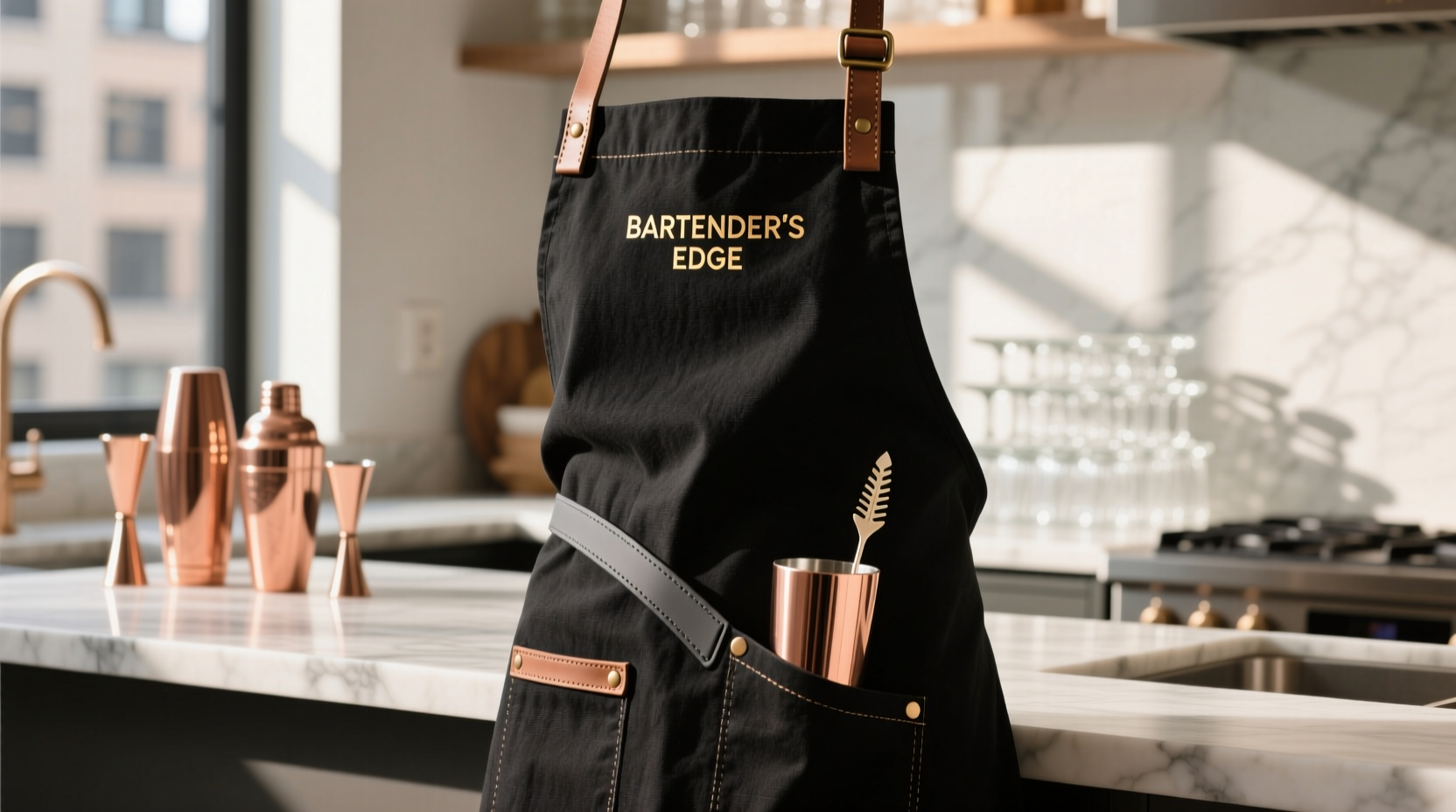
A decade ago, home bartenders wore whatever was on hand: a thrifted denim bib, a repurposed chef’s apron, or nothing at all. That changed as home bars became permanent fixtures—often integrated into open-concept kitchens or converted sunrooms. The apron is now the first visual cue of intentionality. It signals care, preparation, and respect for the craft—not just for the drinks, but for the experience shared around them.
Functionally, poorly designed aprons undermine performance. A flimsy cotton strap digs into the shoulder after three stirred Manhattans. A narrow waist tie slips loose when reaching for high-shelf amari. A non-breathable fabric traps heat during summer negroni service. Meanwhile, aesthetically, mismatched prints or dated cuts clash with curated barware and minimalist shelving. The right apron bridges that gap: it’s a functional second skin and a quiet signature piece.
Tip: Before purchasing, simulate your most common bar movement—reaching, stirring, wiping, pouring—and assess how the apron moves *with* you, not against you.Key Features That Define a Truly Fashion-Forward Bartender Apron
Fashion-forward doesn’t mean sacrificing utility—it means elevating it through intelligent design. These five features separate aspirational aprons from adequate ones:
- Technical Fabric Blends: Look beyond 100% cotton. Modern aprons use blends like 65% cotton/35% polyester for wrinkle resistance and quick-dry performance—or linen-cotton hybrids for breathability and natural texture. Some premium options incorporate Tencel™ for moisture-wicking and drape.
- Ergonomic Structure: Contoured waistlines, adjustable cross-back straps (not single-loop ties), and reinforced stress points at shoulders and pockets prevent slippage and distribute weight evenly.
- Purpose-Built Pockets: A deep, angled front pocket holds a jigger upright; a hidden inner slip pocket secures a phone or recipe card; a narrow vertical slot keeps a channel knife or citrus peeler accessible without snagging.
- Intentional Aesthetics: Subtle tonal stitching, matte-finish hardware (no shiny brass that tarnishes), bias-cut hems, and muted palettes—charcoal heather, deep olive, oyster linen—designed to complement wood, brass, and concrete surfaces.
- Care Intelligence: Machine-washable without shrinking or fading, colorfast against citrus oils and bitters, and resistant to mildew in humid environments (critical for basements or outdoor bars).
What to Avoid: The 7 Common Apron Pitfalls for Home Bartenders
Even well-intentioned purchases can backfire. Here’s what seasoned home mixologists consistently report as dealbreakers:
| Issue | Why It Fails | Better Alternative |
|---|---|---|
| Single-loop neck strap | Causes pressure points, restricts head movement, stretches out over time | Adjustable cross-back system with wide, padded straps |
| Unlined cotton canvas | Translucent when damp; stains permanently from vermouth or Campari | Double-layer construction with stain-resistant interior lining |
| Deep, unstructured pockets | Items fall out when bending; pockets sag and distort silhouette | Pockets with internal gussets and top-stitched openings |
| Bright white fabric | Shows every speck of bitters, turmeric syrup, or smoke residue | Natural-toned, low-contrast weaves with inherent depth |
| No waist adjustment | Slips down during vigorous shaking; requires constant readjustment | Two-point waist tie with locking D-rings or snap-adjustable webbing |
Real-World Example: How Maya Transformed Her Weekend Bar Service
Maya, a graphic designer in Portland, built a walnut-and-brass bar cart in her dining nook. For two years, she used a vintage French baker’s apron—lovely in photos, impractical in practice. “It looked amazing on Instagram,” she says, “but by drink number four, the strap was cutting into my clavicle, and I’d spilled mezcal on the front panel twice. I stopped hosting because I dreaded the cleanup—and the self-consciousness.”
Last spring, she invested in a tailored apron from a small-batch maker specializing in bar gear: charcoal linen-cotton blend, cross-back straps with leather adjusters, and a discreet inner pocket sized precisely for her Moleskine cocktail journal. “The difference was immediate,” she shares. “I could stir a daiquiri for two minutes without shifting. The fabric didn’t cling or steam up. And when friends asked where I got it, I wasn’t embarrassed—I was proud. It made me take the whole thing more seriously—not as a party trick, but as something I *do*.”
“The best bartender aprons don’t shout ‘mixologist’—they whisper competence, calm, and quiet confidence. Style here isn’t decoration; it’s distilled intention.” — Javier Ruiz, Founder of BarCraft Studio and former beverage director at The Oak & Ember
Your 5-Step Selection & Integration Process
Choosing the right apron shouldn’t feel like decoding a spec sheet. Follow this field-tested sequence:
- Map Your Movement: Record yourself making three signature drinks. Note where fabric pulls, where items slip, where sweat accumulates. This reveals your true ergonomic needs—not marketing claims.
- Assess Your Environment: Is your bar indoors or outdoors? In air-conditioning or humidity? Near direct sunlight? This determines fabric priority: breathability vs. UV resistance vs. mildew prevention.
- Define Your Aesthetic Threshold: Identify three objects in your bar space you love visually (e.g., a matte-black Boston shaker, aged teak coasters, ceramic coupe glasses). Your apron should harmonize with their material language—not match, but converse.
- Test the “Toss & Tug”: Put it on, then deliberately toss a towel, reach overhead, and wipe a counter. Does it stay put? Do pockets retain shape? Does the hem ride up? If yes to any “no,” keep looking.
- Commit to the First Wash: Launder it before first use—even if unworn. This pre-shrinks fabric, sets dyes, and reveals how it behaves post-care. If it wrinkles badly or fades unevenly, return it. Reputable makers stand behind wash performance.
FAQ: Practical Questions from Home Bartenders
How often should I wash my fashion-forward apron?
After every 2–3 uses if handling citrus-heavy or spirit-forward drinks. For low-use scenarios (e.g., weekly cocktail hour), wash once per week. Always air-dry flat—tumble drying degrades technical fabric blends and weakens stitching over time. Never iron directly on printed or coated finishes.
Can I personalize it without compromising function?
Yes—but selectively. Embroidery works best on the upper back panel (away from strain points) using thread that matches the fabric’s tensile strength. Avoid patches, appliqués, or heavy embellishments near pockets or straps—they create friction points and catch on glassware. Laser-engraved leather tabs (for monogramming) are a durable, low-profile option.
Are leather aprons practical for home bartending?
Rarely. Full-grain leather absorbs oils and oxidizes with citrus contact, leading to stiffening and discoloration. Vegetable-tanned leather may develop a patina, but it’s inconsistent and unpredictable. Hybrid options—like waxed canvas with leather trim—are viable for accent durability, but avoid all-leather for primary coverage.
The Quiet Confidence of Intentional Tools
An apron is never just fabric and thread. It’s the boundary between host and guest, craft and casual, preparation and presence. When you choose one that moves with you, protects without constricting, and reflects your standards—not just your style—you shift how you inhabit the role of home bartender. You stop performing hospitality and start embodying it. You notice the weight of a properly balanced shaker differently. You pause longer before garnishing because your hands aren’t fighting an ill-fitting garment. You invite people in not despite the apron, but partly because of it—the visible proof that you value the ritual as much as the result.
Fashion-forward aprons aren’t about vanity. They’re about respect—for your craft, your space, your guests, and your own comfort over hours of creation. They remove friction so the focus stays where it belongs: on the balance of sweet and sour, the clarity of ice, the warmth of shared conversation. That’s not trend-chasing. That’s stewardship—of tools, of time, and of taste.
💬 Your bar tells a story—what does your apron say? Share your favorite apron detail, a styling tip, or a “before-and-after” moment in the comments. Let’s build a smarter, more intentional home bar culture—together.