Distillery tours blend tradition, craftsmanship, and atmosphere—think copper stills gleaming under vaulted ceilings, the warm aroma of aging whiskey in oak-lined rickhouses, and gravel paths winding through historic grounds. Your outfit should reflect that same thoughtful duality: respectful of heritage yet contemporary in execution, functional for uneven terrain yet polished enough for tastings and photo ops. Footwear is the anchor—and fashion boots, when chosen with intention, do far more than cover your feet. They ground your look, signal attention to detail, and quietly elevate the entire ensemble. This isn’t about chasing trends; it’s about selecting boots that harmonize with tweed jackets, wool skirts, corduroy trousers, and leather satchels—the quiet vocabulary of distillery-appropriate style.
Why Boots—Not Shoes or Sneakers—Are the Ideal Choice
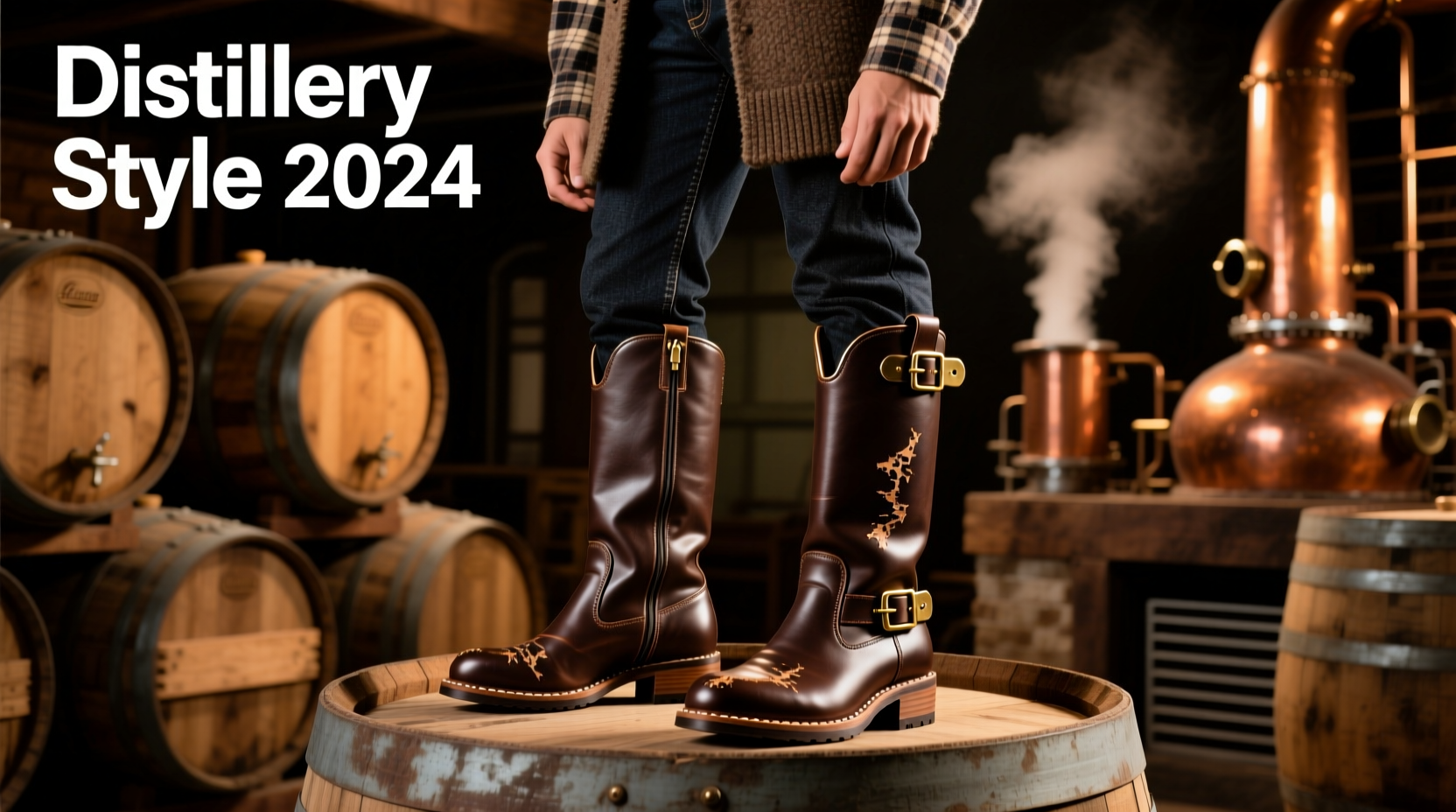
Distilleries are working environments, not studio sets. Even flagship visitor centres often include outdoor elements: cobblestone courtyards, damp grassy slopes leading to cooperage sheds, gravel walkways between fermentation tanks, and sometimes unpaved access roads. Indoor floors may be polished stone, aged wood, or concrete—surfaces that demand grip, stability, and quiet confidence. Shoes with thin soles lack insulation against cold stone floors common in older warehouses; sneakers, while comfortable, undercut the intentional, slightly elevated tone most visitors aim for. Fashion boots bridge this gap: they offer ankle support for uneven ground, weather resistance for Scottish drizzle or Kentucky humidity, and visual weight that complements layered, textured clothing.
Crucially, fashion boots possess a built-in narrative resonance. The history of distilling is deeply tied to craft, durability, and regional identity—qualities mirrored in well-made boots. Think of the sturdy brogues worn by early Irish coopers, the waxed leather lace-ups favoured by Highland maltmen, or the polished Chelsea boots donned by Glasgow-based blenders in the 1950s. Choosing boots isn’t just practical—it’s an unspoken nod to continuity.
Tip: Prioritise boots with a subtle heel (1–1.75 inches) and a rounded or almond toe—these proportions flatter most leg shapes and transition seamlessly from rickhouse gravel to tasting room chairs.Five Boot Styles That Elevate Distillery Outfits—With Real-World Pairing Logic
Not all fashion boots work equally well. The right ones must balance structure with softness, polish with patina, and heritage cues with modern fit. Here are five styles proven across dozens of distillery visits—from Speyside to Tennessee—with precise reasoning behind each pairing:
- Polished Chelsea Boots (Suede or Waxed Calf): Their minimalist silhouette, elastic side panels, and clean lines make them ideal with tailored wool trousers, midi skirts, or even dark denim. The slight sheen of waxed calf reads as refined without being formal; suede adds tactile warmth. Avoid patent or overly glossy finishes—they clash with the organic textures of stone, wood, and copper.
- Modern Chukka Boots (Waxed Canvas & Leather): A hybrid approach. The canvas upper nods to workwear heritage; the leather trim and stacked leather sole add sophistication. Perfect with corduroy, herringbone, or flannel—fabrics that echo the grain and texture of barrel staves and burlap sacks.
- Refined Harness Boots (Medium Brown, Medium-Weight Leather): Not the cowboy variety, but a streamlined version: single-row stitching, minimal hardware, and a low-profile stacked sole. These pair exceptionally with tweed jackets, kilts (for those who wear them), or wide-leg wool trousers. Their presence commands attention without shouting.
- Low-Heel Lug-Sole Ankle Boots (Matte Leather): Designed for traction, not hiking—think Vibram®-inspired soles with shallow, non-aggressive lugs. Matte black or deep oxblood leather keeps them elegant. Ideal for wet conditions and longer tours where comfort can’t be compromised. Works beautifully with tights and A-line skirts or cropped trousers.
- Slip-On Loafer-Style Boots (Soft Leather, Slightly Pointed Toe): For warmer months or indoor-focused tours. These blur the line between boot and loafer—ankle height, no laces, gentle contouring. Choose rich burgundy, forest green, or charcoal grey. Pairs effortlessly with linen-blend trousers or summer-weight knits.
Material Matters: What to Choose (and What to Skip)
The material defines both performance and perception. A boot’s leather, finish, and construction determine how it ages, breathes, and interacts with your clothing. Below is a distilled comparison of key options:
| Material & Finish | Best For | Avoid If | Distillery Verdict |
|---|---|---|---|
| Waxed Calf Leather (medium shine) | Cool, variable weather; frequent walking; pairing with wool or tweed | You prefer ultra-minimalist, “naked” leather looks | ★★★★★ — Develops beautiful patina; repels light rain; ages with dignity |
| Unlined Suede | Dry, mild conditions; shorter tours; pairing with knitwear or skirts | Tour includes gravel paths, misty mornings, or muddy access points | ★★★☆☆ — Warm and stylish, but vulnerable to water spots and scuffs |
| Waxed Canvas + Leather Trim | Humid climates (e.g., Kentucky, Ireland); full-day tours; casual-elegant balance | You’re attending a formal tasting dinner immediately after the tour | ★★★★☆ — Excellent breathability and weather resistance; rustic charm without ruggedness |
| Patent Leather | Indoor-only events; black-tie distillery galas | You’ll step outside or onto natural surfaces | ★☆☆☆☆ — Reflective surface clashes with matte textures of distillery interiors; impractical for traction |
| Soft Nubuck (brushed finish) | Urban distilleries with paved access; dry autumn days; pairing with tailored separates | Visiting during spring thaw or coastal fog | ★★★☆☆ — Elegant and lightweight, but requires proactive waterproofing |
As footwear historian Dr. Alistair Finch notes, “The best distillery boots don’t announce themselves—they settle into the environment. You notice the copper, the oak, the person’s smile—not their footwear. That only happens when material, cut, and colour serve context, not ego.”
A Real-World Example: How One Visitor Transformed Her Tour Experience
When Fiona McLeod booked her Speyside tour—a full-day itinerary including the Macallan estate, a riverside walk to a historic stillhouse, and a private cask tasting—she initially packed classic leather loafers. Halfway through the morning, standing on dew-damp grass beside a centuries-old malting floor, her feet were cold and slipping slightly on the mossy stones. She swapped to her newly purchased pair of medium-brown waxed calf Chelsea boots—unassuming, with a 1.25-inch stacked heel and subtle brogue perforations.
The difference was immediate. The boots provided secure footing on the uneven path to the cooperage, retained warmth during the warehouse visit (where ambient temperature hovered near 8°C), and looked intentional with her charcoal herringbone jacket and oatmeal cable-knit sweater. At the tasting, seated at a long oak table, the boots’ refined silhouette held up next to fellow guests in cashmere scarves and vintage pocket watches. “I stopped thinking about my feet,” she later wrote in a review. “Instead, I noticed the way light caught the copper stills—and how my outfit felt like part of the story, not separate from it.” That shift—from footwear as afterthought to footwear as contextual anchor—is precisely what thoughtful boot selection delivers.
Your Distillery Boot Checklist: Before You Pack or Purchase
- ✅ Walk in them first: Wear new boots for at least two hours indoors—on carpet, tile, and stairs—before your tour. No break-in surprises on gravel.
- ✅ Check sole depth: Look for at least 3mm of rubber or leather tread. Thin soles transmit cold and fatigue faster.
- ✅ Verify closure security: Elastic on Chelseas shouldn’t gape; laces on Chukkas should sit flat without excess length dangling near machinery.
- ✅ Assess colour harmony: Your boots should share a tonal family with at least one major item in your outfit (e.g., brown boots with a tan belt or cognac leather satchel).
- ✅ Confirm weather readiness: If rain is forecast, apply a pH-neutral leather protector 24 hours before departure—not the morning of.
- ✅ Test with your intended socks: Wool-blend or merino socks change fit dramatically. Try your full ensemble—including sock height—before finalizing.
Frequently Asked Questions
Can I wear knee-high or over-the-knee boots on a distillery tour?
Yes—but with caveats. Knee-high boots work beautifully with midi or maxi skirts in dry, temperate conditions, especially indoors. However, avoid them if your tour includes steep staircases (common in traditional stillhouses), narrow cooperage workshops, or extended walking on gravel. The added height can compromise balance and increase fatigue. Opt for sleek, slim-fitting styles in matte leather—not shiny or slouchy versions.
Are vegan leather boots appropriate?
Increasingly yes—provided they’re engineered for durability and weather resistance. Look for bonded microfibres with reinforced toe caps and rubber-lugged soles (not smooth plastic). Many premium vegan brands now offer structured, grain-textured uppers that mimic the drape and longevity of quality calfskin. Just ensure they’ve been tested for breathability; synthetic linings can cause overheating during active tours.
How do I care for my boots after a distillery visit?
Wipe down with a damp (not wet) microfibre cloth to remove dust, pollen, or light grime. Let air-dry naturally—never near radiators or heaters. Once dry, condition with a neutral cream (not oil, which can darken leather unpredictably). Store on boot trees or stuffed with acid-free tissue to maintain shape. If you walked on wet grass or gravel, inspect the welt stitching for trapped grit—gently brush away with a soft-bristled shoe brush.
Conclusion: Step Into the Story—Thoughtfully
Fashion boots for distillery tours are more than footwear. They’re a quiet declaration of respect—for the craft embedded in every drop, for the landscape that shapes terroir, and for the people who steward centuries-old traditions. When your boots feel secure on gravel, retain warmth in a cool rickhouse, and complement the earthy tones of your coat or scarf, you’re no longer just observing history—you’re moving through it with grounded presence. That alignment between function, form, and feeling transforms a standard tour into a sensory, memorable experience. So choose deliberately. Break them in kindly. Care for them consistently. And next time you stand beneath a copper still, listening to the whisper of spirit vapour rising, let your boots be the steady, stylish foundation beneath it all.
💬 Have a distillery boot success story—or a lesson learned the hard way? Share your real-world pairing tips, brand recommendations, or weather-tested strategies in the comments. Your insight might help someone else step confidently into their next tour.