When most people think of Chinese food, they often assume it is uniformly spicy—but the reality is far more nuanced. The perception of \"heat\" in Chinese cuisine varies dramatically across regions, shaped by geography, climate, history, and local ingredient availability. From the tongue-tingling mala of Sichuan to the subtle warmth of Hunan’s fermented chilies, heat in Chinese cooking is not just about intensity but complexity, balance, and purpose. Understanding this diversity allows cooks to move beyond simply adding spice and instead harness heat as a deliberate culinary tool. This guide demystifies the sources, styles, and applications of heat in Chinese cooking, offering practical insights for both novice and experienced cooks seeking authenticity and depth.
Definition & Overview
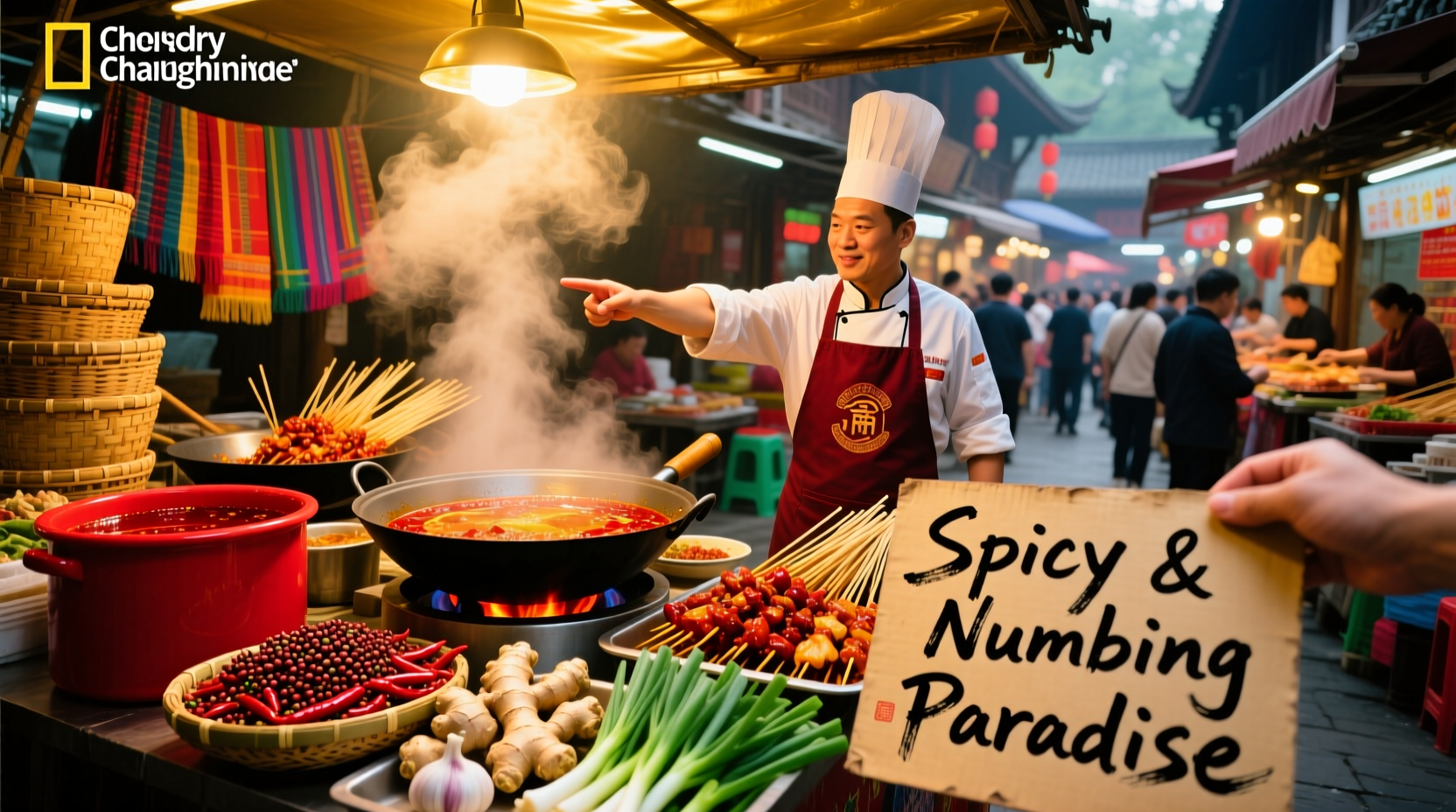
In Chinese cuisine, \"heat\" refers not only to spiciness (pungency from capsaicin) but also to warming properties in traditional Chinese medicine (TCM), where certain ingredients are believed to stimulate circulation and dispel dampness. While Western palates often equate Chinese food with fiery dishes like Kung Pao Chicken or Mapo Tofu, true mastery lies in understanding how different forms of heat function within specific regional traditions. Unlike cuisines that use spice primarily for burn, Chinese cooking integrates heat to enhance aroma, cut through richness, preserve food, and create layered sensory experiences.
The primary sources of heat include dried and fresh chilies, chili pastes and oils, Sichuan peppercorns (which produce a numbing effect rather than pure heat), black pepper, ginger, garlic, and fermented bean products. These are used in combinations that vary significantly between northern, southern, eastern, and western provinces. For example, while Sichuan is famed for its bold, numbing-spicy profile, Cantonese cuisine typically avoids overt heat, favoring freshness and subtlety. Recognizing these distinctions is essential for authentic preparation and appreciation.
Key Characteristics of Heat in Chinese Cooking
Heat in Chinese cuisine operates on multiple levels—physical sensation, flavor enhancement, and physiological impact. Below is a breakdown of its core characteristics:
| Characteristic | Description |
|---|---|
| Flavor Profile | Spicy heat is rarely one-dimensional; it's paired with umami (from doubanjiang), sweetness (rock sugar), sourness (vinegar), or saltiness (soy sauce) to achieve balance. |
| Aroma | Chilies and spices are often bloomed in oil to release volatile compounds, creating deep, roasted, smoky notes essential to many stir-fries and braises. |
| Sensation | Beyond burning, ingredients like Sichuan peppercorn induce *málà* (numbing-tingling), altering texture perception and enhancing other flavors. |
| Color & Form | Red hues dominate spicy dishes—achieved through dried chilies, chili oil, or fermented broad bean paste—signaling both visual appeal and flavor intensity. |
| Heat Level | Ranges from mild warmth (e.g., Cantonese black pepper beef) to extreme pungency (e.g., Chongqing hot pot). Measured subjectively based on regional tolerance. |
| Culinary Function | Used to preserve (fermented chilies), stimulate appetite, mask strong odors (in offal dishes), and aid digestion in humid climates. |
| Shelf Life | Dried chilies, chili oils, and fermented pastes can last months to years when stored properly—key for pantry staples in home and restaurant kitchens. |
Practical Usage: How to Use Heat in Chinese Dishes
Applying heat correctly requires timing, technique, and an understanding of ingredient synergy. Here are actionable methods for incorporating heat into Chinese-style cooking at home:
Blooming Spices in Oil
One of the foundational techniques in Sichuan and Hunan cooking is heating whole dried chilies and aromatics in oil to extract flavor without bitterness. To do this:
- Use a neutral oil with high smoke point (peanut, sunflower, or vegetable).
- Add dried red chilies, Sichuan peppercorns, star anise, or cassia bark to cold oil.
- Heat slowly over medium-low flame until spices darken slightly and become fragrant (about 3–5 minutes).
- Strain for chili oil, or proceed to add garlic, ginger, or meat for stir-frying.
This method prevents scorching and ensures even infusion, crucial for dishes like Yuxiang Shredded Pork or Dry-Fried Green Beans.
Layering Heat Sources
Professional Chinese kitchens rarely rely on a single source of heat. Instead, they layer multiple elements:
- Base heat: Doubanjiang (fermented broad bean-chili paste) provides deep, savory pungency.
- Middle note: Fresh or dried chilies contribute immediate fire.
- Top note: Chili oil drizzled at the end adds brightness and aroma.
For instance, in Mapo Tofu, fermented doubanjiang is fried first, then fresh ground pork and chilies are added, and the dish is finished with a swirl of red oil and Sichuan peppercorn powder.
Controlling Intensity
Home cooks can adjust heat levels without sacrificing authenticity:
- Remove seeds and membranes from dried chilies before using.
- Dilute potent pastes like la douban with water or stock.
- Add cooling agents such as sugar, vinegar, or sesame oil to counterbalance.
TIP: Always taste your chili paste before adding salt—many are already high in sodium. Adjust soy sauce accordingly to avoid over-seasoning.
Pairing Heat with Protein and Vegetables
High-heat dishes work best with ingredients that absorb flavor or contrast texture:
- Tofu and eggplant: Their porous structure soaks up spicy sauces.
- Offal (tripe, intestines): Often cleaned and boiled first, then braised in spicy broth to tenderize and infuse.
- Lean meats (pork, chicken): Velveting in cornstarch and egg white protects against drying during aggressive stir-frying.
A classic example is Kung Pao Chicken, where marinated chicken cubes are stir-fried with dried chilies, Sichuan peppercorns, and roasted peanuts—the nuttiness tempers the heat while adding crunch.
Variants & Types of Heat Sources
Chinese cuisine employs numerous forms of heat-generating ingredients, each suited to specific applications:
Dried Red Chilies
Most commonly used type, especially varieties like Erjingtiao and Facing Heaven (Tianjin) chilies. They range from moderately hot to very hot and are rehydrated or toasted in oil. Ideal for stir-fries, braises, and chili oil production.
Fresh Chilies
Used in southern and southwestern regions. Bird’s eye chilies (xiao mi la) deliver intense heat; larger green or red chilies offer milder, vegetal spice. Common in Hunan stir-fries and Yunnan salads.
Chili Oils
Infused oils made by pouring hot oil over crushed chilies and aromatics. Varieties include:
- Regular chili oil: Simple infusion, reddish-orange hue.
- Red oil (hong you): Deeper color from prolonged steeping, used in dan dan noodles.
- Lao Gan Ma-style: Contains crispy bits of chili, soybean, or garlic for texture.
Fermented Chili Pastes
Include doubanjiang (broad bean-chili paste), tauchu (salted black beans with chilies), and homemade pickled peppers. These add umami depth alongside heat and are foundational in Sichuan and Guizhou cooking.
Sichuan Peppercorns (Huājiāo)
Not a true pepper, but the dried berry of a prickly ash tree. Produces a unique tingling, numbing sensation (*ma*) that enhances perception of other flavors. Must be dry-toasted and ground fresh for maximum effect.
Black Pepper
Often overlooked but widely used in northern China, particularly in Beijing-style dishes like Mongolian beef. Offers sharp, dry heat distinct from chili burn.
| Ingredient | Heat Level | Primary Use | Shelf Life |
|---|---|---|---|
| Dried red chilies | Medium–High | Stir-fries, oils, braises | 1–2 years (cool, dark place) |
| Fresh bird’s eye chilies | Very High | Quick stir-fries, condiments | 1–2 weeks refrigerated |
| Doubanjiang (fermented) | Medium (salty-umami) | Mapo tofu, stews | 6–12 months refrigerated after opening |
| Chili oil | Low–High (adjustable) | Finishing, dipping, dressings | 6 months (with preservatives), 1 month fresh-made |
| Sichuan peppercorns | Numbing (non-capsaicin) | Marinades, rubs, finishing | 6–12 months sealed, away from light |
Comparison with Similar Ingredients
Several ingredients are frequently confused due to naming or appearance. Clarifying differences ensures accurate usage:
Sichuan Peppercorn vs. Black Pepper
- Sichuan peppercorn: Botanically unrelated to pepper; induces numbing; citrusy-floral aroma; used in combination with chilies.
- Black pepper: True pepper (Piper nigrum); delivers sharp, penetrating heat; common in northern dry stir-fries and marinades.
Doubanjiang vs. Gochujang
- Doubanjiang: Chinese fermented broad bean and chili paste; saltier, less sweet, coarser texture; base for Mapo Tofu.
- Gochujang: Korean fermented red chili paste; sweeter, thicker, contains glutinous rice; used in stews and marinades like bulgogi.
Chili Oil vs. Sriracha
- Chili oil: Oil-based infusion; adds aroma and mouthfeel; used as condiment or cooking medium.
- Sriracha: Vinegar-based sauce with garlic; tangy, bright heat; not traditionally Chinese but sometimes substituted incorrectly.
PRO TIP: Never substitute gochujang for doubanjiang in authentic Sichuan recipes—it will alter the dish’s fundamental character. If unavailable, combine miso paste with crushed chilies and a touch of vinegar as a closer approximation.
Practical Tips & FAQs
How do I reduce the heat in a dish that’s too spicy?
Add fat (sesame oil, peanut butter), sweetness (a pinch of sugar), acidity (rice vinegar), or starch (noodles, rice) to balance. Serve with plain steamed rice or yogurt-based side to soothe the palate.
Can I make chili oil at home?
Yes. Toast 1 cup dried crushed chilies with 2 tbsp Sichuan peppercorns, 3 star anise, and 4 slices ginger. Pour 2 cups heated peanut oil (around 250°F) slowly over the mixture. Let steep 24 hours, then strain. Store in sterilized jar.
Is all Chinese food spicy?
No. Only certain regions emphasize heat. Cantonese, Fujian, and Jiangsu cuisines prioritize freshness, sweetness, and delicate textures. Spicy dishes are concentrated in Sichuan, Hunan, Guizhou, and parts of Yunnan.
What’s the role of heat in Chinese medicine?
In TCM, spicy foods are considered “warming” and help expel internal dampness and cold—particularly useful in humid, mountainous regions like Sichuan. This explains why such areas developed intensely spicy cuisines despite not being tropical.
How should I store Sichuan peppercorns?
Keep in an airtight container away from light and moisture. Freeze for long-term storage (up to 1 year) to preserve volatile oils responsible for numbing aroma.
Are there non-spicy alternatives that still taste authentic?
Yes. Use smoked paprika for color and depth, sans the burn. Replace doubanjiang with miso paste mixed with tomato paste. Simulate mala with lemon zest and a drop of clove oil (sparingly) for tingling effect.
“In Chengdu, we say the chilies aren’t meant to overwhelm—they’re meant to wake up your senses so you can taste everything else better.” — Chef Lan Wei, Sichuan Culinary Institute
Checklist: Building Balanced Heat in Your Dish
- ✓ Choose the right chili form (dried, fresh, paste)
- ✓ Bloom spices gently in oil
- ✓ Layer fermented, fresh, and infused heat sources
- ✓ Balance with sugar, vinegar, or fat
- ✓ Finish with aromatic garnish (toasted Sichuan pepper, chopped scallion)
- ✓ Serve with neutral starch to modulate intensity
Summary & Key Takeaways
Heat in Chinese cuisine is not a monolith but a sophisticated system of flavor, function, and regional identity. It serves culinary, cultural, and even medicinal purposes, going far beyond mere pungency. Mastery comes from understanding which ingredients to use, how to prepare them, and when to apply them for optimal effect.
The cornerstone of effective heat application lies in balance—between numbing and spicy, between aroma and burn, between tradition and adaptation. Whether you're making a simple chili oil noodle bowl or tackling an elaborate Sichuan banquet dish, attention to detail transforms good cooking into exceptional.
Start with quality ingredients: seek out authentic doubanjiang, whole Sichuan peppercorns, and proper dried chilies. Practice controlled blooming and layering techniques. Respect regional distinctions—don’t force mala into a Cantonese dish. And remember: the goal is never just to make someone sweat, but to make them savor.
Ready to experiment? Begin with a small batch of homemade chili oil and use it to finish steamed fish, toss cold noodles, or elevate scrambled eggs. Once you taste the depth real infused heat can provide, there’s no going back.









