Moissanite has earned a strong reputation as a brilliant, durable, and ethical alternative to traditional diamonds. Its fire, clarity, and affordability make it a favorite among jewelry buyers. However, as demand rises, so does the risk of counterfeit or misrepresented stones. Whether you’re purchasing a new piece or verifying an heirloom, knowing how to distinguish genuine moissanite from imitations is essential. This guide equips you with practical, science-backed methods to confirm authenticity and shop with assurance.
Understanding Moissanite: What Makes It Unique?
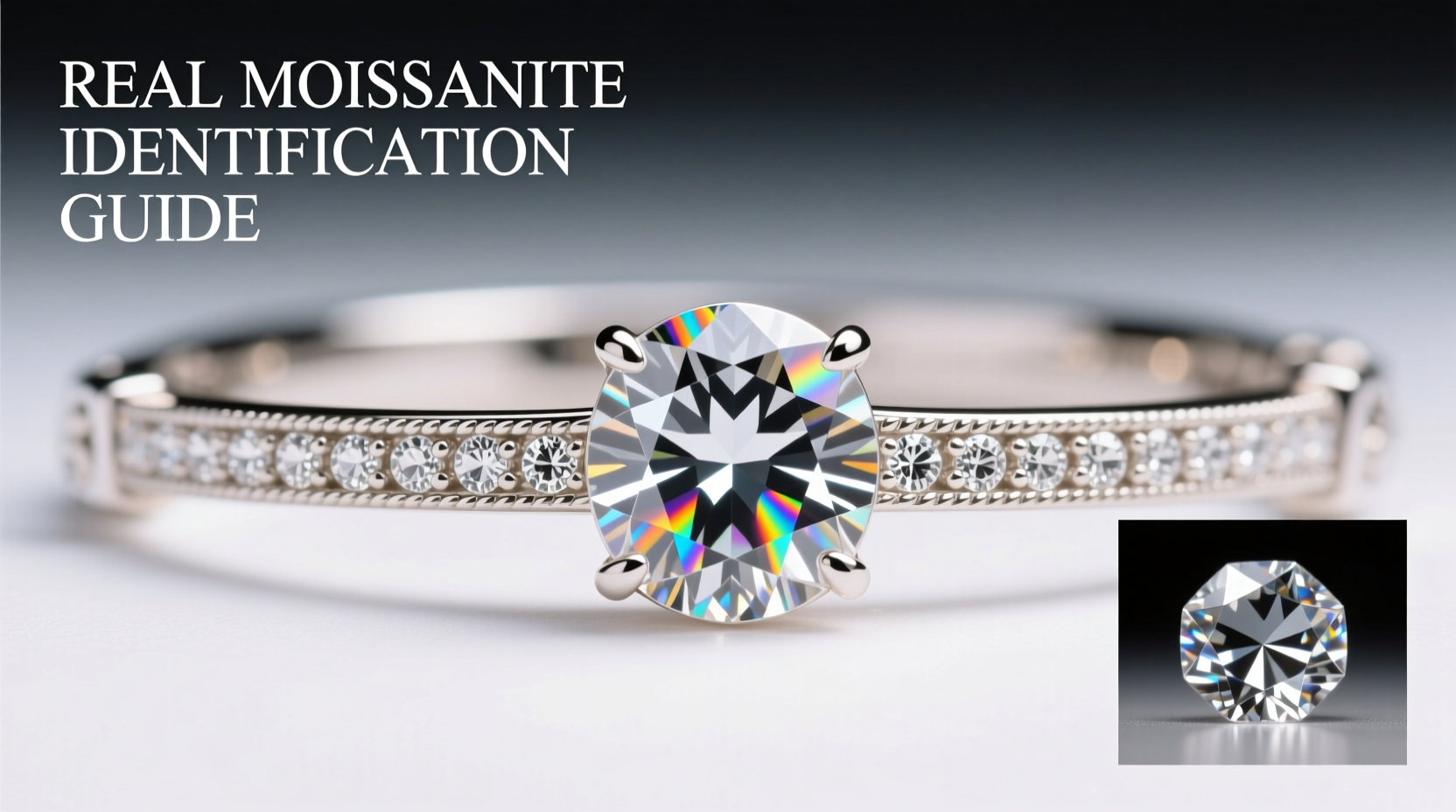
First synthesized in the 1990s, moissanite is a silicon carbide gemstone originally discovered in meteorites. Unlike cubic zirconia or glass simulants, moissanite shares many optical and physical properties with diamonds—but with key differences that can be detected with the right knowledge.
Its double refraction causes more sparkle than a diamond, especially under natural light. It ranks 9.25 on the Mohs hardness scale (diamonds are 10), making it highly scratch-resistant. These characteristics are not just cosmetic—they form the basis for reliable identification.
“Moissanite’s brilliance and durability come from its crystalline structure. When properly cut, it outshines even high-clarity diamonds in dispersion.” — Dr. Lena Peterson, Gemologist at the American Gem Society
How to Spot Real Moissanite: 5 Expert Techniques
Authenticating moissanite doesn’t require a lab visit. With simple tools and careful observation, you can verify your bracelet’s stones at home or while shopping.
1. Use a Jeweler’s Loupe to Check for Double Refraction
One of moissanite’s defining features is birefringence—light splits into two rays as it passes through the stone. Under a 10x magnification loupe, examine the edges of facets. If you see doubled facet junctions or blurred lines, it’s likely moissanite. Diamonds do not exhibit this effect.
Tip: Focus on the pavilion (bottom) facets when using a loupe. The doubling effect is most visible there.2. Conduct a Heat Conductivity Test
Diamond testers measure thermal conductivity, but many also detect electrical conductivity—a crucial distinction. Moissanite conducts electricity; diamonds do not. Some advanced testers differentiate between the two. If your tester beeps for both diamond and moissanite, check whether it has a dual-mode setting.
If the device indicates “diamond” but you suspect moissanite, retest with a silicon carbide-specific mode. A true positive confirms moissanite. Always calibrate your tester before use.
3. Observe Fire and Brilliance Under Natural Light
Moissanite disperses light more than diamond, producing colorful flashes (fire). In sunlight or bright indoor lighting, real moissanite will show vivid rainbow sparkles. While attractive, excessive fire can be a red flag if the seller claims it’s a diamond.
This doesn’t mean high fire equals moissanite—but combined with other tests, it strengthens your assessment.
4. Perform the Scratch Test (With Caution)
Only attempt this if the piece isn’t valuable or insured. Moissanite can scratch glass and quartz due to its hardness. Gently drag a suspected stone across an unglazed ceramic tile. A true moissanite will leave a fine white line without damage to itself. Avoid applying pressure to prevent chipping.
Note: This test isn’t definitive alone, as other hard materials may pass too.
5. Examine Certification and Seller Documentation
Reputable sellers provide grading reports from labs like GCAL (Gem Certification & Assurance Lab) or EGL USA. These documents detail whether the stone is moissanite, including cut, clarity, and origin. Never rely solely on marketing terms like “forever brilliance” or “ethical diamond”—ask for proof.
Common Imitations and How to Avoid Them
Not all fake moissanite is maliciously sold. Some retailers mislabel lower-cost simulants. Here’s how common alternatives compare:
| Material | Hardness (Mohs) | Fire Level | Conducts Electricity? | Tells You It’s Not Moissanite |
|---|---|---|---|---|
| Moissanite | 9.25 | Very High | Yes | N/A – Benchmark |
| Cubic Zirconia (CZ) | 8–8.5 | Moderate | No | Scratches easily; loses shine over time |
| White Sapphire | 9.0 | Low | No | Less sparkle, no doubling under magnification |
| Glass Simulant | 5–6 | Variable | No | Easily scratched; bubbles visible inside |
Step-by-Step Verification Process
Follow this sequence to confidently assess any bracelet:
- Inspect Visually: Look for intense fire under daylight. Note symmetry and polish quality.
- Use a Loupe: Check for double refraction on facet edges.
- Test Conductivity: Use a dual-mode diamond/moissanite tester.
- Review Paperwork: Confirm third-party certification exists and matches the stone.
- Consult a Professional: For high-value pieces, get a second opinion from a certified gemologist.
Real Example: A Buyer’s Close Call
Sarah purchased a vintage-style moissanite tennis bracelet online from a third-party marketplace. The listing claimed “lab-created diamond,” but the photos showed unusually vibrant rainbow flashes. Skeptical, she used a jeweler’s loupe borrowed from a friend and noticed clear double facet lines. She contacted the seller, who admitted the stones were moissanite but had mislabeled them due to confusion.
Though Sarah got a fair refund, her experience highlights how easy misrepresentation can occur—even without intent to deceive. Her attention to detail saved her from future resale issues and ensured accurate insurance valuation.
Frequently Asked Questions
Can moissanite pass a diamond tester?
Yes—older or basic diamond testers measure thermal conductivity only and often cannot distinguish moissanite from diamond. This leads to false positives. Always use a tester designed to detect silicon carbide, or one with a dual-setting mode.
Does moissanite lose its sparkle over time?
No. Moissanite retains its brilliance indefinitely. However, surface oils, lotions, or dirt can dull its appearance temporarily. Clean it monthly with warm water, mild soap, and a soft brush to maintain luster.
Is it okay to wear a moissanite bracelet every day?
Absolutely. Thanks to its near-diamond hardness, moissanite is ideal for daily wear. Avoid exposure to harsh chemicals like chlorine or bleach, which can damage metal settings over time—not the stone itself.
Final Checklist Before You Buy or Wear
- ✅ Verify the seller provides a certificate from a recognized lab
- ✅ Inspect the stone under natural light for excessive fire
- ✅ Use a loupe to check for double refraction
- ✅ Confirm results with a dual-mode gem tester
- ✅ Ask about return policy and authenticity guarantee
Conclusion: Confidence Starts with Knowledge
Identifying real moissanite isn’t about suspicion—it’s about empowerment. Armed with these techniques, you can appreciate the beauty of your bracelet with full confidence in its authenticity. Whether you're investing in a new piece or preserving a sentimental one, taking a few minutes to verify what you own protects both your financial and emotional value.
💬 Have you ever tested a piece of jewelry at home? Share your experience or questions below—we’d love to hear how you ensure your gems are genuine.