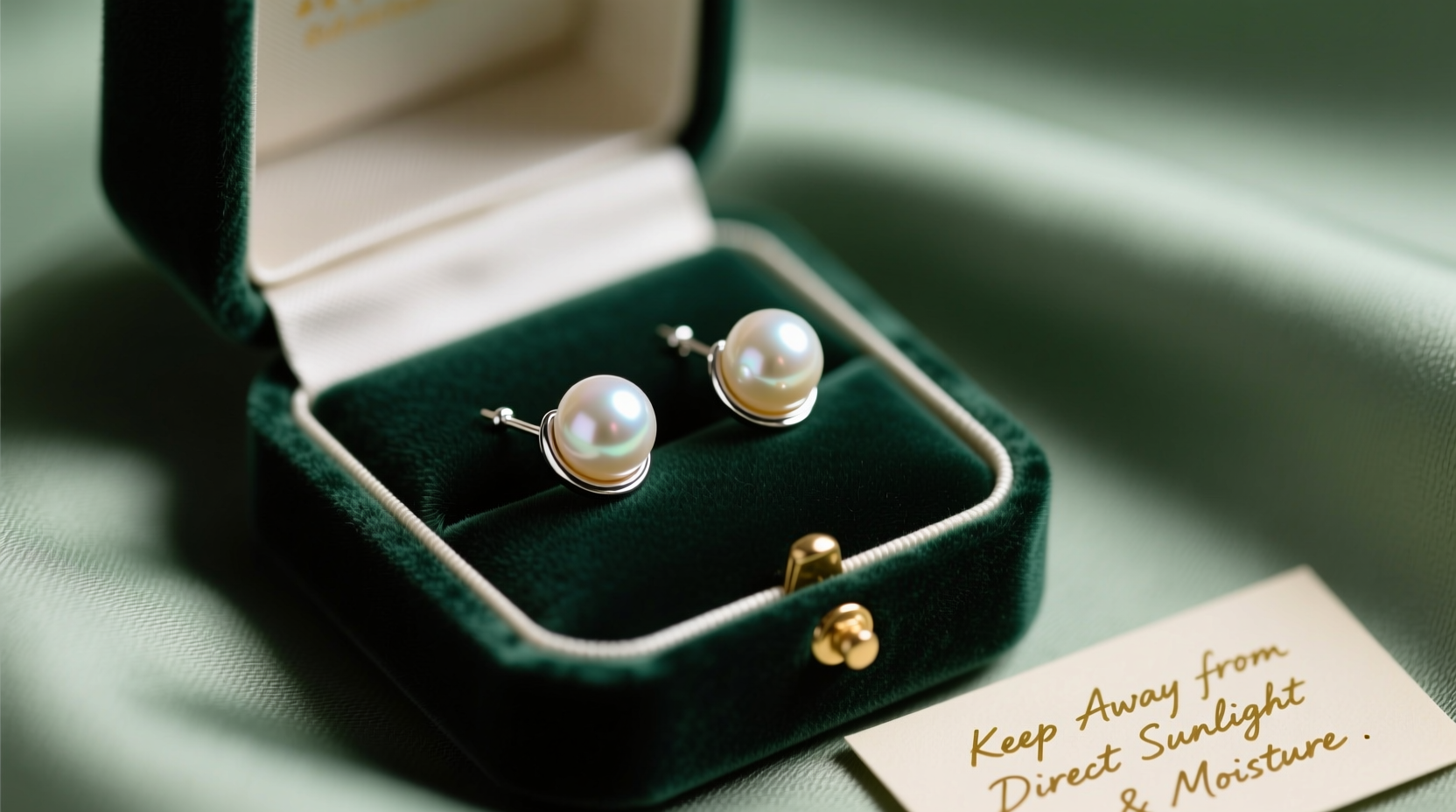
Pearl stud earrings are timeless pieces of elegance—delicate, luminous, and often passed down through generations. Unlike diamonds or sapphires, pearls are organic gemstones formed within living mollusks, making them uniquely sensitive to environmental factors. Their luster, surface integrity, and structural strength can deteriorate if not stored with care. Proper storage isn’t just about preventing scratches; it’s about preserving the very essence of the pearl. With the right techniques, your pearl studs can retain their radiant glow for decades.
Understanding Pearl Vulnerability
Pearls are composed primarily of nacre, a crystalline substance secreted by oysters. While beautiful, nacre is relatively soft—measuring between 2.5 and 4.5 on the Mohs hardness scale—making pearls prone to abrasion, chemical exposure, and moisture loss. Unlike metal or glass, pearls react to humidity, temperature, cosmetics, and even perspiration. Over time, improper storage can lead to:
- Dulling of luster due to dry air or excessive moisture
- Surface cracking from low humidity
- Discoloration from contact with perfumes, hairsprays, or lotions
- Scratches from contact with harder jewelry items
- Weakening of the mounting or earring posts due to corrosion
The way you store your pearl studs directly influences how well they age. A simple oversight—like tossing them into a cluttered jewelry box—can compromise their condition irreversibly.
Tip: Always put on pearl earrings after applying makeup, perfume, and hair products to minimize chemical exposure.Best Practices for Storing Pearl Stud Earrings
Preserving the brilliance of pearl studs requires more than just placing them in any container. The ideal storage environment mimics the conditions under which pearls thrive naturally: stable humidity, minimal light exposure, and protection from physical impact.
Use a Soft, Lined Jewelry Box
A dedicated compartment in a fabric-lined jewelry box prevents friction with other pieces. Velvet or suede interiors are preferable because they reduce abrasion. Avoid boxes with hard plastic inserts or open trays where earrings can roll and collide.
Store in a Fabric Pouch or Individual Case
For maximum protection, place each pair of pearl studs in a soft cloth pouch made of cotton, silk, or microfiber. These materials absorb excess moisture without scratching the surface. Never use synthetic fabrics like polyester, which may trap static and attract dust.
Maintain Balanced Humidity
Pearls need a humidity level between 40% and 60%. In overly dry environments (common in winter or air-conditioned rooms), pearls can dehydrate and crack. In excessively humid areas, they may absorb too much moisture, leading to mold or weakening of the silk thread in older settings. Consider storing them in a bedroom drawer rather than a bathroom cabinet or basement.
“Pearls are living gems—they breathe and respond to their surroundings. Store them like you’d treat fine leather: with gentle care and climate awareness.” — Dr. Lena Moreau, Gemologist & Jewelry Conservator
Do’s and Don’ts of Pearl Storage
| Do’s | Don’ts |
|---|---|
| Store in a soft pouch or lined compartment | Leave them loose in a drawer or mixed with other jewelry |
| Keep away from direct sunlight and heat sources | Store near windows, radiators, or in attics |
| Wear occasionally to expose to natural skin oils | Forget about them for years without inspection |
| Clean gently with a damp cloth before storing | Store with residue from sweat or cosmetics |
| Check earring backs and posts periodically | Ignore tarnished or corroded metal components |
Step-by-Step Guide to Safe Storage
Follow this routine every time you remove your pearl stud earrings to ensure long-term preservation:
- Remove After Use: Take off earrings gently, holding the post rather than pulling on the pearl.
- Wipe Clean: Use a soft, lint-free cloth slightly dampened with water to remove oils or residues. Dry immediately.
- Inspect Mountings: Check that the earring backs are secure and the posts aren’t bent or corroded.
- Place in Pouch: Slide each earring into its own soft pouch to prevent contact with other items.
- Choose Storage Location: Place the pouch in a closed, lined jewelry box inside a cool, dark drawer.
- Rotate Wear: Wear your pearls every few months to reintroduce natural moisture from skin contact.
Real Example: How Improper Storage Damaged a Heirloom
Sarah inherited a pair of vintage Akoya pearl studs from her grandmother. The pearls had been worn at weddings and formal events for over 40 years. After receiving them, Sarah placed them in a plastic zip bag and stored them in her bathroom drawer. Within two years, she noticed the luster had faded, and one pearl developed a fine web of surface cracks.
Upon consulting a jeweler, she learned that the fluctuating humidity in the bathroom—combined with the non-breathable plastic bag—had caused the pearls to dry out and become brittle. The jeweler explained that while the damage couldn’t be reversed, future deterioration could be halted with proper storage. Sarah now keeps the earrings in a silk pouch inside a wooden jewelry box in her bedroom, and she wears them at least once every few months to restore some of their original warmth.
Essential Checklist for Pearl Earring Care
- ✅ Wipe pearls with a soft, dry cloth after each wear
- ✅ Store in a breathable fabric pouch, not plastic
- ✅ Keep away from chemicals like perfume, hairspray, and lotion
- ✅ Avoid extreme temperatures and direct sunlight
- ✅ Inspect earring posts and backs every 3–6 months
- ✅ Wear pearls periodically to maintain natural luster
- ✅ Have mountings professionally checked every 2–3 years
Frequently Asked Questions
Can I store pearl earrings in a safe or bank vault?
Yes, but only if the environment is climate-controlled. Most safes are extremely dry, which can dehydrate pearls over time. If using a vault, place the earrings in a sealed container with a humidity pack or a small piece of damp cloth (not touching the jewelry) to maintain moisture balance.
Is it safe to store pearls with other jewelry?
No. Even softer metals like gold can scratch pearl surfaces over time. Always isolate pearl earrings in their own compartment or pouch. Harder gemstones like diamonds or sapphires will definitely cause abrasions.
How often should I have my pearl studs professionally cleaned?
Professional cleaning is rarely needed and can be risky. Most maintenance should be done at home with a soft cloth. However, if the setting appears dirty or the posts are tarnished, consult a jeweler experienced with pearls. Limit professional servicing to once every 3–5 years unless damage is suspected.
Protecting Your Investment and Legacy
Pearl stud earrings are more than accessories—they’re heirlooms, symbols of elegance, and sometimes, emotional touchstones. Their value isn’t only monetary; it’s sentimental and generational. By treating them with the care they deserve, you ensure they remain radiant for future wearers. Simple habits—like wiping them after use, storing them properly, and wearing them occasionally—compound over time into lasting beauty.
💬 Have a story about caring for family pearls? Tips that worked for you? Share your experience and help others preserve these delicate treasures with confidence.