While the bride’s ensemble often takes center stage, modern weddings increasingly celebrate the groom’s sartorial elegance. A well-chosen brooch can elevate a groom’s suit from standard to statement-making. More than just an accessory, a brooch adds personality, honors tradition, or symbolizes heritage. Yet selecting the right one requires attention to style, proportion, material, and occasion. This comprehensive guide walks through every consideration, ensuring the groom’s brooch complements both his attire and the wedding’s overall aesthetic.
Understanding the Role of a Groom’s Brooch
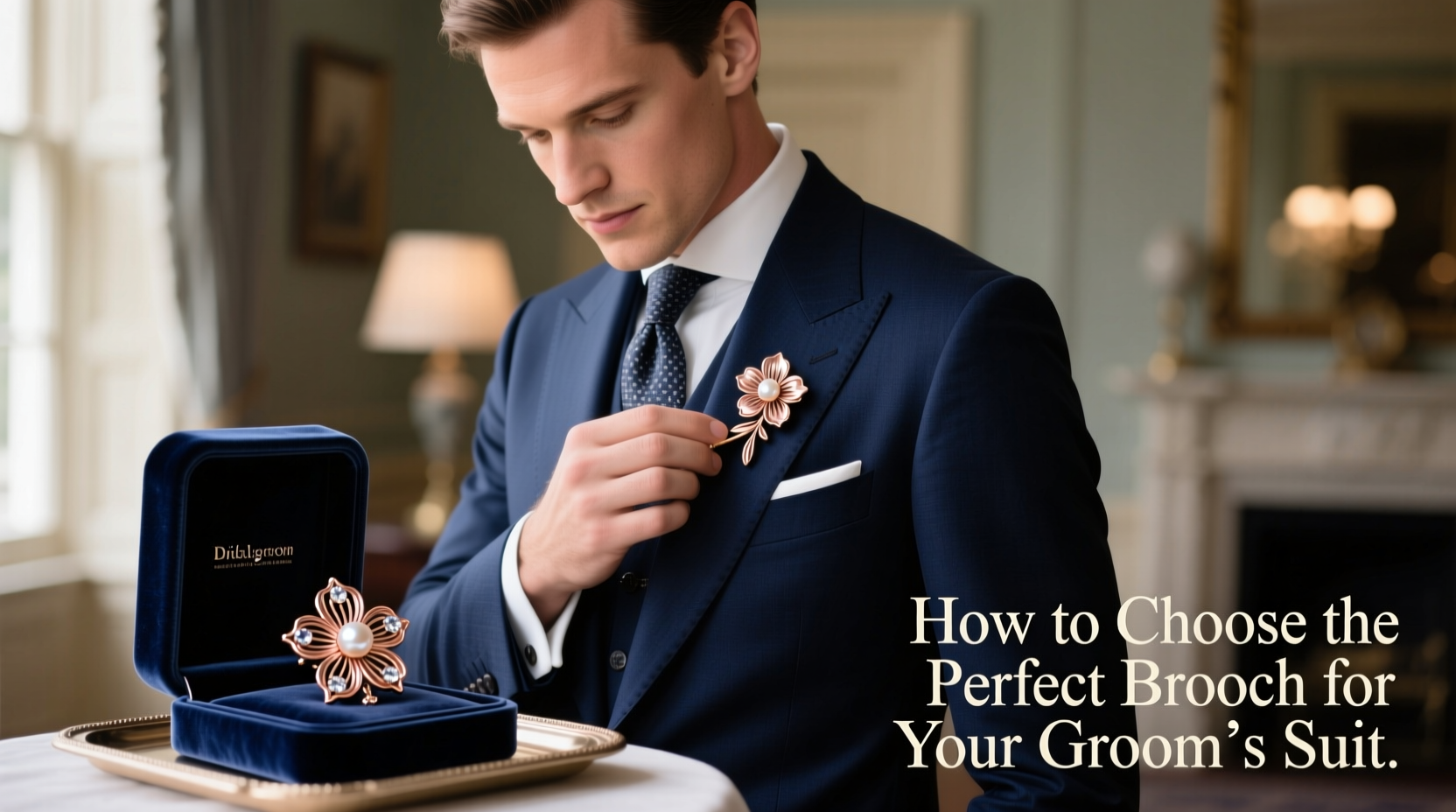
A brooch on a groom’s lapel isn’t merely decorative—it’s a subtle declaration of identity, sentiment, or cultural pride. Historically, men wore pins and badges to denote rank, allegiance, or family crest. Today, grooms use brooches to:
- Add a touch of individuality to formal wear
- Incorporate family heirlooms or sentimental pieces
- Complement the bride’s bouquet or wedding theme
- Highlight cultural or religious significance
- Break formality with a dash of whimsy or modern flair
The key is balance. The brooch should enhance, not overpower. It must harmonize with the suit’s color, fabric, and cut while aligning with the wedding’s tone—be it classic black-tie, rustic countryside, or destination beachside.
Tip: Choose a brooch that reflects the groom’s personality—whether classic, artistic, or minimalist.Selecting the Right Style and Design
Brooch styles vary widely, from vintage cameos to sleek geometric forms. The choice should reflect the groom’s taste and the wedding’s mood. Consider these common types:
| Style | Best For | Design Notes |
|---|---|---|
| Floral | Rustic, garden, or spring weddings | Mimics blooms from the bride’s bouquet; often in enamel or metal petals |
| Geometric | Modern, urban, or minimalist themes | Clean lines, metallic finishes (silver, gunmetal) |
| Vintage/Cameo | Classic or heritage-focused ceremonies | Often passed down; pairs well with waistcoats |
| Symbols (Anchor, Feather, Key) | Themed or meaningful weddings | Represents love, journey, or shared values |
| Nature-Inspired | Outdoor, woodland, or bohemian settings | Leaves, birds, or insects in textured metal |
For example, a groom marrying in a vineyard might opt for a grapevine motif, while one with military ties could wear a discreet insignia pin. Avoid overly large or flashy designs unless they serve a symbolic purpose—the goal is refinement, not spectacle.
“Accessories are the punctuation marks of a man’s outfit. A brooch should be the elegant period at the end of a well-dressed sentence.” — Julian Hart, Menswear Stylist & Tailoring Consultant
Matching the Brooch to the Suit and Occasion
The suit sets the foundation. A brooch must complement its color, fabric, and level of formality.
Color Coordination
Match the brooch’s metal tone to other accessories:
- Silver/Platinum – Ideal for charcoal gray, navy, or light suits
- Gold/Yellow Metal – Best with brown, tan, or deep burgundy tones
- Rose Gold – Works with warm-toned suits and romantic themes
If the groom wears cufflinks or a tie bar, ensure the metals align. Mixing metals can work if intentional—e.g., silver brooch with black accents on a navy tuxedo—but consistency is safer.
Fabric and Proportion
Heavier fabrics like wool or tweed can support bolder brooches. Lightweight linen or cotton calls for delicate designs. As a rule:
- Narrow lapels: Small to medium brooch (0.75–1.5 inches)
- Wide lapels: Medium to larger (up to 2 inches), but avoid overwhelming the jacket
Formality Level
- Black-Tie: Minimalist, metallic brooch—perhaps a single pearl or engraved disc
- Cocktail/Day Wedding: Florals, nature motifs, or textured pieces
- Casual/Rustic: Wooden, leather, or handcrafted brooches acceptable
Step-by-Step Guide to Choosing and Wearing the Brooch
- Determine the wedding theme and dress code. Is it traditional, modern, or eclectic? This narrows design choices.
- Assess the groom’s suit details. Note lapel width, fabric, and primary color.
- Decide on symbolism. Will it honor heritage, represent a hobby, or echo the bride’s bouquet?
- Select metal tone. Match existing accessories like watches or cufflinks.
- Choose size and shape. Ensure it fits comfortably on the lapel without drooping.
- Test placement. Pin it centered above the left lapel’s buttonhole.
- Secure properly. Use a strong clutch back or tailor’s tack for delicate fabrics.
For added meaning, some grooms coordinate with the bridal party—wearing matching floral brooches or complementary symbols. Just ensure cohesion without uniformity.
Real Example: A Thoughtful Touch That Resonated
At a lakeside wedding in Vermont, groom Daniel chose a small bronze pinecone brooch for his tweed jacket. It wasn’t random. He and his bride had met hiking in the Rockies, where whitebark pines were abundant. The brooch subtly honored their shared love of nature and adventure. Guests later commented on how “personal” and “authentic” his look felt. The bride carried pine sprigs in her bouquet, creating a quiet symmetry between them. No one needed an explanation—the emotion was evident.
This illustrates how a brooch, when chosen with intention, becomes more than ornamentation. It becomes narrative.
Common Mistakes to Avoid
- Over-accessorizing: One brooch is enough. Avoid stacking pins or adding multiple lapel flowers.
- Poor placement: Too high, too low, or off-center breaks visual flow.
- Ignoring weight: Heavy brooches can bend or distort delicate lapels.
- Clashing with boutonnieres: If wearing a flower, ensure the brooch doesn’t compete for attention.
- Choosing trend over taste: Flashy crystals or novelty shapes rarely age well in photos.
Checklist: Final Pre-Wedding Brooch Review
- ✅ Brooch matches suit color and formality
- ✅ Metal tone aligns with other accessories
- ✅ Size is proportional to lapel width
- ✅ Symbolism or personal meaning confirmed (if applicable)
- ✅ Secure fastening method tested
- ✅ Worn during rehearsal to check comfort and appearance
- ✅ Backup plan in place (e.g., spare clutch, safety pin)
FAQ
Can a groom wear a brooch instead of a boutonniere?
Yes. While boutonnieres are traditional, a brooch offers a non-floral alternative, ideal for allergy sufferers, winter weddings, or minimalist aesthetics. Some grooms even combine both—a small flower with a coordinating pin beneath.
Where exactly should the brooch be placed?
Centered just above the left lapel’s buttonhole, roughly 1–2 inches from the edge. It should sit naturally when the jacket is closed, without pulling the fabric.
Is it appropriate to use a family heirloom brooch?
Absolutely. Heirloom pieces add emotional depth and continuity. Just ensure it’s cleaned and secured properly. If fragile, consider photographing it beforehand as a backup.
Final Thoughts: Elevate with Intention
A groom’s brooch is a quiet yet powerful detail—one that, when chosen thoughtfully, speaks volumes. It’s not about following trends, but about expressing identity within the elegance of tradition. Whether it’s a gleaming heirloom, a handmade tribute, or a simple symbol of love, the perfect brooch completes the groom’s story on one of life’s most significant days.
💬 Have a meaningful brooch story or styling tip? Share your experience in the comments and inspire others to make their wedding look truly personal.








