Silver needle earrings are timeless accessories that blend elegance with versatility. Whether worn daily or reserved for special occasions, their delicate nature makes them vulnerable to scratches, tarnish, and mechanical stress. Without proper care, even high-quality sterling silver can lose its luster and structural integrity over time. Understanding how to protect these fine pieces ensures they remain radiant and functional for years. This guide outlines practical, science-backed strategies to preserve the beauty and durability of your silver earrings—without relying on guesswork or outdated myths.
Understanding Silver’s Vulnerability
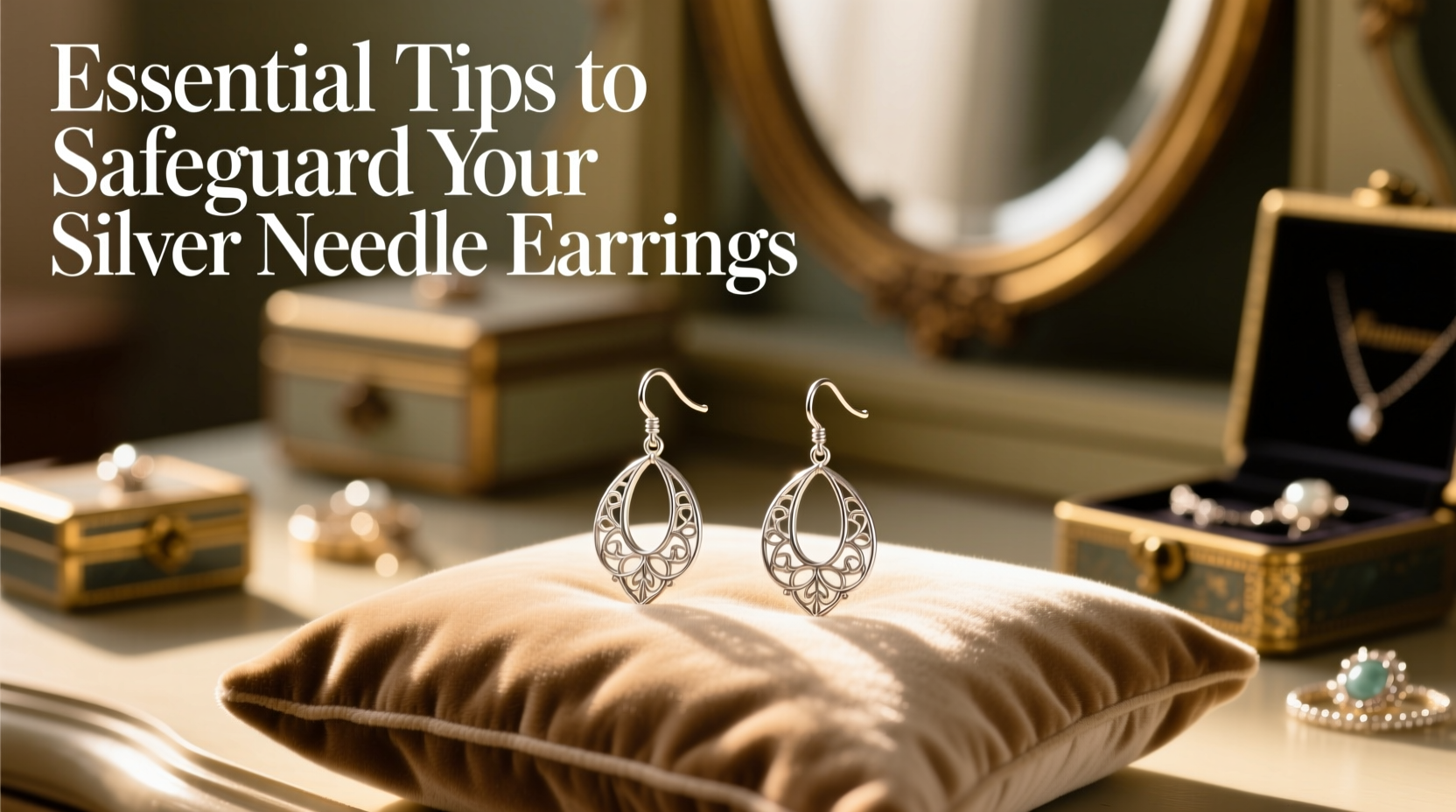
Sterling silver, composed of 92.5% pure silver and 7.5% alloy (usually copper), is prized for its brilliance and malleability. However, this composition also makes it reactive. Exposure to air pollutants, moisture, sulfur compounds, and skin oils accelerates oxidation, leading to tarnish—a dark layer of silver sulfide. Needle earrings face additional risks due to constant friction from clothing, hair, and earlobes, as well as potential bending during insertion or removal.
The backings and posts of needle earrings are particularly prone to wear. Over time, pressure and twisting can loosen butterfly clutches or warp the post, increasing the risk of loss. Even microscopic abrasions from improper cleaning can create pits where tarnish takes hold more aggressively.
“Silver jewelry isn’t fragile, but it’s not indestructible. Daily habits determine whether a pair of earrings lasts five years or fifty.” — Lena Patel, Jewelry Conservator at the National Museum of Decorative Arts
Proper Storage: The First Line of Defense
How you store your silver earrings when not in use plays a decisive role in their longevity. Air exposure is the primary catalyst for tarnish, so minimizing contact with oxygen is essential. Avoid leaving earrings exposed on dressers or in open trays.
Tip: Store each pair in individual soft pouches made of anti-tarnish fabric, then place them in an airtight container with a silica gel packet to absorb residual moisture.Tangled earring backs can also cause damage. Use a compartmentalized jewelry box with padded inserts or a dedicated earring organizer with holes to keep posts upright and separated. Never store silver earrings in humid environments like bathrooms, where steam and temperature fluctuations degrade metal faster.
Do’s and Don’ts of Silver Earring Storage
| Do’s | Don’ts |
|---|---|
| Use anti-tarnish strips in storage containers | Store near rubber bands or latex (they emit sulfur) |
| Keep in a cool, dry, dark place | Leave in direct sunlight or hot cars |
| Label compartments to avoid fumbling | Stack earrings loosely in a drawer |
| Check storage monthly for moisture buildup | Store while earrings are damp or perfumed |
Safe Cleaning Techniques to Maintain Shine
Cleaning silver should restore luster—not strip it. Harsh polishes or abrasive cloths remove thin layers of metal, weakening posts and backs over time. For routine maintenance, use a dedicated silver polishing cloth impregnated with micro-abrasives and tarnish inhibitors. Gently wipe the front and sides of the earring, avoiding excessive pressure on the needle base.
For deeper cleaning, prepare a solution of warm water and mild pH-neutral soap. Soak earrings for no more than five minutes, then rinse under lukewarm running water. Dry immediately with a lint-free microfiber cloth. Do not submerge earrings with glued elements or gemstone settings, as moisture can compromise adhesives.
Tip: Never use toothpaste, baking soda, or aluminum foil methods on delicate needle earrings—they are too abrasive and may bend thin posts.Step-by-Step: Monthly Maintenance Routine
- Remove earrings before washing hands or applying skincare products.
- Wipe gently with a silver polishing cloth after each wear.
- Once a month, clean with mild soapy water and dry thoroughly.
- Inspect posts and backs for warping or looseness.
- Replace butterfly clutch backs if they feel loose or damaged.
- Return earrings to sealed, dry storage.
Avoiding Common Wear-and-Tear Triggers
Daily habits often do more harm than neglect. Applying lotions, hairspray, or perfume while wearing earrings deposits chemicals that react with silver. Chlorine from pools, saltwater, and sweat also accelerate corrosion. Always put on earrings last in your grooming routine and remove them first when unwinding.
Sleeping or exercising with silver earrings increases the risk of snagging, bending, or losing backs. Hair brushing is a frequent culprit—long hair can catch on posts, twisting them out of alignment. Consider switching to silicone sleep-safe studs at night if you prefer to keep piercings open.
“I once treated a pair of heirloom earrings where the posts were bent nearly 90 degrees—caused by nightly hair brushing. A simple habit change could have prevented it.” — Rafael Mendez, Master Jeweler, New York City
Real-Life Case: Preventing Irreversible Damage
Sophie, a graphic designer in Portland, wore her favorite oxidized silver needle earrings daily. After six months, she noticed dark spots and a rough texture along the posts. Assuming it was dirt, she scrubbed them with a toothbrush and baking soda. The finish peeled, revealing pitted metal beneath. A jeweler confirmed the damage: the abrasive mix had stripped the protective coating and eroded the silver.
After learning about proper care, Sophie now stores her earrings in a lined box with anti-tarnish paper, cleans them only with a polishing cloth, and removes them before showering or styling her hair. Her newer pairs show no signs of wear after ten months—proof that small changes yield lasting results.
Frequently Asked Questions
How often should I clean my silver needle earrings?
Light surface wiping after each wear is ideal. A full cleaning with mild soap should be done every four to six weeks, depending on usage and exposure to sweat or cosmetics.
Can I wear silver earrings in the shower?
No. Water, especially chlorinated or hard water, promotes tarnish and weakens soldered joints. Soap residue can also build up in crevices, making cleaning harder over time.
What if the post becomes bent?
Minor bends can sometimes be corrected by a professional using specialized pliers. However, repeated bending weakens the metal. If the post is significantly warped, replacement or professional repair is safer than DIY fixes.
Essential Care Checklist
- ✅ Remove earrings before bathing, swimming, or applying cosmetics
- ✅ Wipe with a silver polishing cloth after each use
- ✅ Store in airtight containers with anti-tarnish protection
- ✅ Inspect posts and backs monthly for damage
- ✅ Clean gently with mild soap and dry thoroughly
- ✅ Replace worn butterfly clutches promptly
- ✅ Avoid exposure to chlorine, sulfur, and humidity
Final Thoughts
Your silver needle earrings deserve more than occasional attention—they require consistent, informed care. By integrating simple routines into your daily life, you preserve not just their appearance but their structural soundness. Tarnish is inevitable, but deterioration is not. With the right habits, your favorite pair can remain a staple in your collection for decades, passing down both beauty and memory.
💬 Have a silver care tip that worked wonders for you? Share your experience in the comments and help others protect their cherished jewelry.