Winter brings beauty and challenges, especially when it comes to foot health. Cold temperatures, wet snow, and icy sidewalks can quickly turn a simple walk into a painful experience if your feet aren’t properly protected. Frostbite, trench foot, and general discomfort are real risks during prolonged exposure. The right winter boots are just the beginning—how you wear, maintain, and care for your feet inside them makes all the difference. This guide delivers practical, science-backed strategies to keep your feet warm, dry, and healthy throughout the coldest months.
Choose the Right Winter Boots for Your Climate
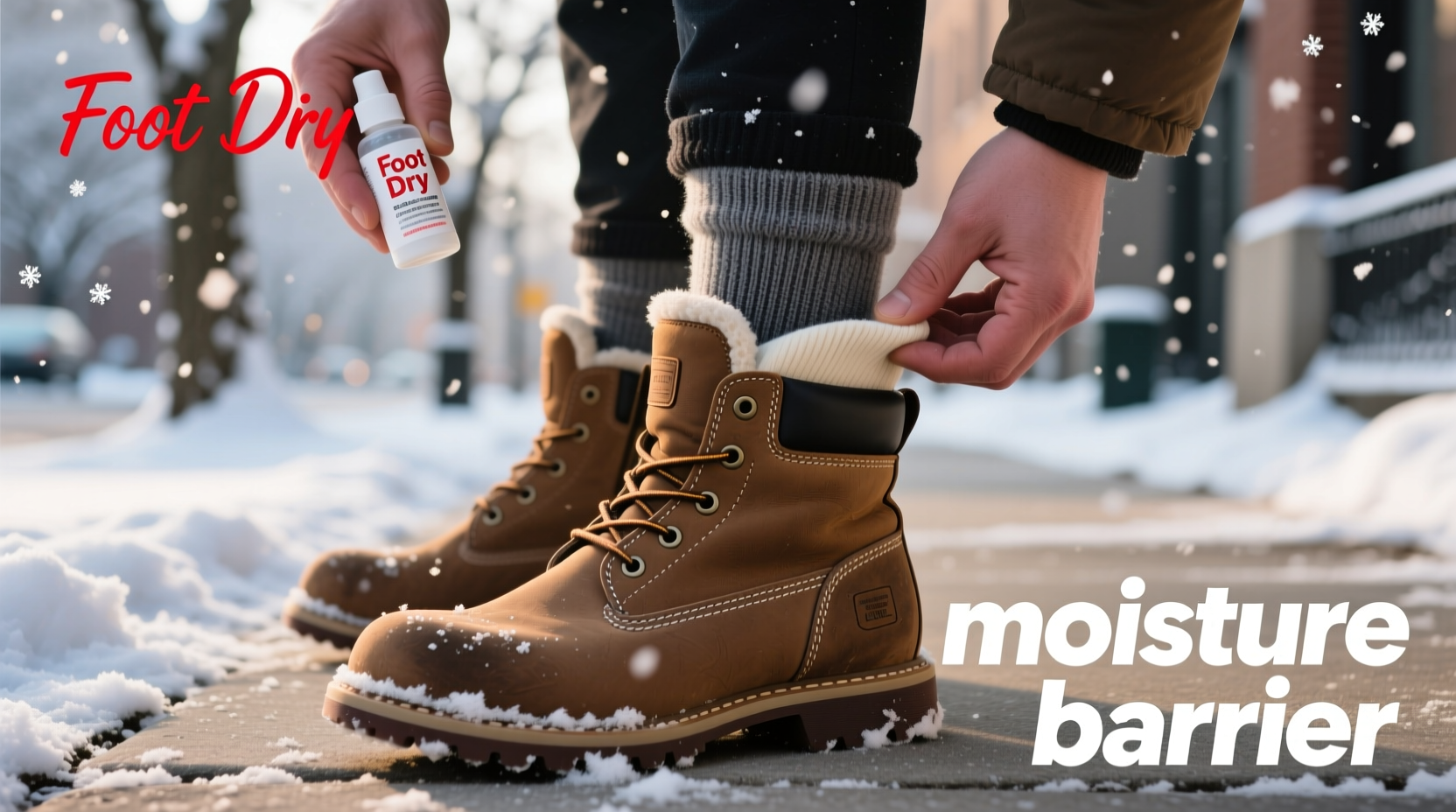
Not all winter boots are created equal. A boot suitable for mild frost may fail in sub-zero blizzards. Understanding your local climate is key to selecting footwear that provides adequate insulation, waterproofing, and traction.
Look for boots rated for the lowest temperatures you’re likely to encounter. Insulation measured in grams (e.g., 200g, 400g, 800g) indicates warmth level—the higher the number, the warmer the boot. For extremely cold regions, consider models with removable liners or dual-layer construction.
Tip: Try on winter boots in the afternoon when feet are slightly swollen to ensure proper fit under thick socks.Waterproof materials like treated leather or synthetic membranes (e.g., Gore-Tex) prevent moisture ingress. Avoid suede or fabric uppers unless they’ve been professionally waterproofed. Traction is equally important—deep lug soles made of rubber compound perform best on ice and packed snow.
Master the Art of Layering Socks Strategically
Many people assume thicker socks automatically mean warmer feet. However, improper sock layering can restrict circulation, increase sweating, and ultimately make feet colder.
The key is using a moisture-wicking base layer, typically a thin liner sock made of merino wool or synthetic fiber. This draws sweat away from the skin. Over this, add a mid-weight insulating sock—again, preferably wool-based, as wool retains warmth even when damp.
“Wool fibers create tiny air pockets that trap heat while managing moisture better than cotton or polyester.” — Dr. Lena Torres, Podiatrist and Cold-Weather Health Researcher
Avoid cotton socks at all costs—they absorb moisture and stay wet, accelerating heat loss. Never wear two pairs of thick socks; instead, opt for one high-quality thermal pair or a thin liner plus a medium-weight performance sock.
Sock Layering Do’s and Don’ts
| Do | Don't |
|---|---|
| Use merino wool or synthetic blend socks | Wear cotton socks |
| Layer a thin wicking liner with an insulated outer sock | Double up heavy socks causing tightness |
| Ensure socks fit snugly without wrinkles | Allow seams to press against toes or heels |
| Change socks midday if feet get damp | Reuse damp socks the next day |
Prevent Moisture Build-Up Inside Boots
Sweat is one of the biggest enemies of warm feet. Even the best-insulated boot will fail if internal moisture accumulates. Feet can produce significant perspiration, especially during physical activity like shoveling snow or hiking.
To combat this, use moisture-absorbing insoles made from antimicrobial materials like cork or wool felt. Replace standard foam insoles with thermal ones designed to retain heat and wick moisture. Consider adding silica gel packets (when boots are off) or reusable boot dryers overnight to pull out residual dampness.
Tip: Place crumpled newspaper inside damp boots overnight—it absorbs moisture and helps maintain shape.Avoid plastic bags or sealed containers for storage, which trap humidity. Instead, store boots in a ventilated area at room temperature. If your boots have removable liners, take them out after each use to air separately.
Real-World Example: Avoiding Trench Foot During Commutes
Mark, a transit worker in Minneapolis, began experiencing numbness and tingling in his feet after weeks of early-morning shifts during a harsh winter. Despite wearing “heavy-duty” boots, he noticed persistent dampness inside them by midday. After consulting a clinic, he was diagnosed with early-stage trench foot—a condition caused by prolonged exposure to damp, non-freezing conditions.
His boots were waterproof but poorly ventilated, and he wore cotton socks daily. He changed his routine: switched to merino wool socks, added breathable insoles, and started carrying a spare pair of dry socks to change into during breaks. Within days, circulation improved and symptoms faded. His case highlights how easily preventable issues arise from overlooked habits.
Step-by-Step Routine for Daily Foot Protection
Follow this timeline each day during winter to maximize foot comfort and safety:
- Morning Prep (Before Leaving): Inspect boots for dampness or damage. Insert fresh, dry insoles. Put on clean, moisture-wicking socks—avoid seams over pressure points.
- During Outdoor Activity: Limit continuous exposure to under two hours in extreme cold. Take short breaks indoors to warm up. Wiggle toes periodically to stimulate blood flow.
- Upon Returning Indoors: Remove boots immediately. Air them out near a fan or vent (not directly on heaters). Change into dry house socks.
- Evening Maintenance: Wipe down boot exteriors. Use a boot dryer or stuff with newspaper. Clean and moisturize feet—dry thoroughly between toes to prevent fungal growth.
- Weekly Check: Reapply waterproofing spray every 3–4 weeks. Rotate between multiple pairs if possible to extend drying time and reduce wear.
Frequently Asked Questions
Can I wear my winter boots in deep snow?
Only if they are tall enough to prevent snow from entering. Boots labeled “snow-rated” or “over-the-calf” offer better protection. For deep snow, consider gaiters—fabric covers that seal the gap between pants and boots.
Why do my feet feel colder after walking for a while?
This often happens due to initial overheating followed by cooling. As you walk, your body generates heat, causing sweat. Once activity slows, damp socks cool rapidly. Prevent this by adjusting layers early and avoiding overheating.
How do I know if my boots are truly waterproof?
True waterproof boots feature sealed seams and waterproof membranes (like Gore-Tex). Look for manufacturer testing standards such as ASTM F2413. Spray test new boots with water—if beads form and roll off, the treatment is effective.
Final Checklist for Winter Foot Safety
- Boots are rated for your region’s coldest temps
- Socks are wool or synthetic, never cotton
- Insoles are moisture-wicking and replaced regularly
- Boots are cleaned and dried after each use
- You carry spare dry socks during long outings
- Feet are inspected daily for numbness, redness, or blistering
- Waterproofing spray is reapplied monthly
Stay Warm, Stay Safe
Your feet are your foundation—especially when navigating winter’s unpredictability. With the right boots, smart sock choices, and consistent care habits, you can enjoy outdoor activities without fear of cold-related injury. Small adjustments in routine lead to big improvements in comfort and health. Don’t wait until numbness sets in—start protecting your feet today.
💬 Have a tip that saved your feet from freezing? Share your story below and help others stay warm this winter!