
Figs are among the most rewarding fruit trees to grow at home. With their broad, sculptural leaves and sweet, honeyed fruit, they bring both beauty and bounty to gardens in temperate and warm climates. However, successful growth depends on more than just planting a sapling and waiting. From choosing the right variety to understanding seasonal care, attention to detail ensures your fig tree thrives for decades. Whether you're planting in the ground or growing in a container, these essential tips will guide you through every stage of cultivation.
Selecting the Right Fig Variety
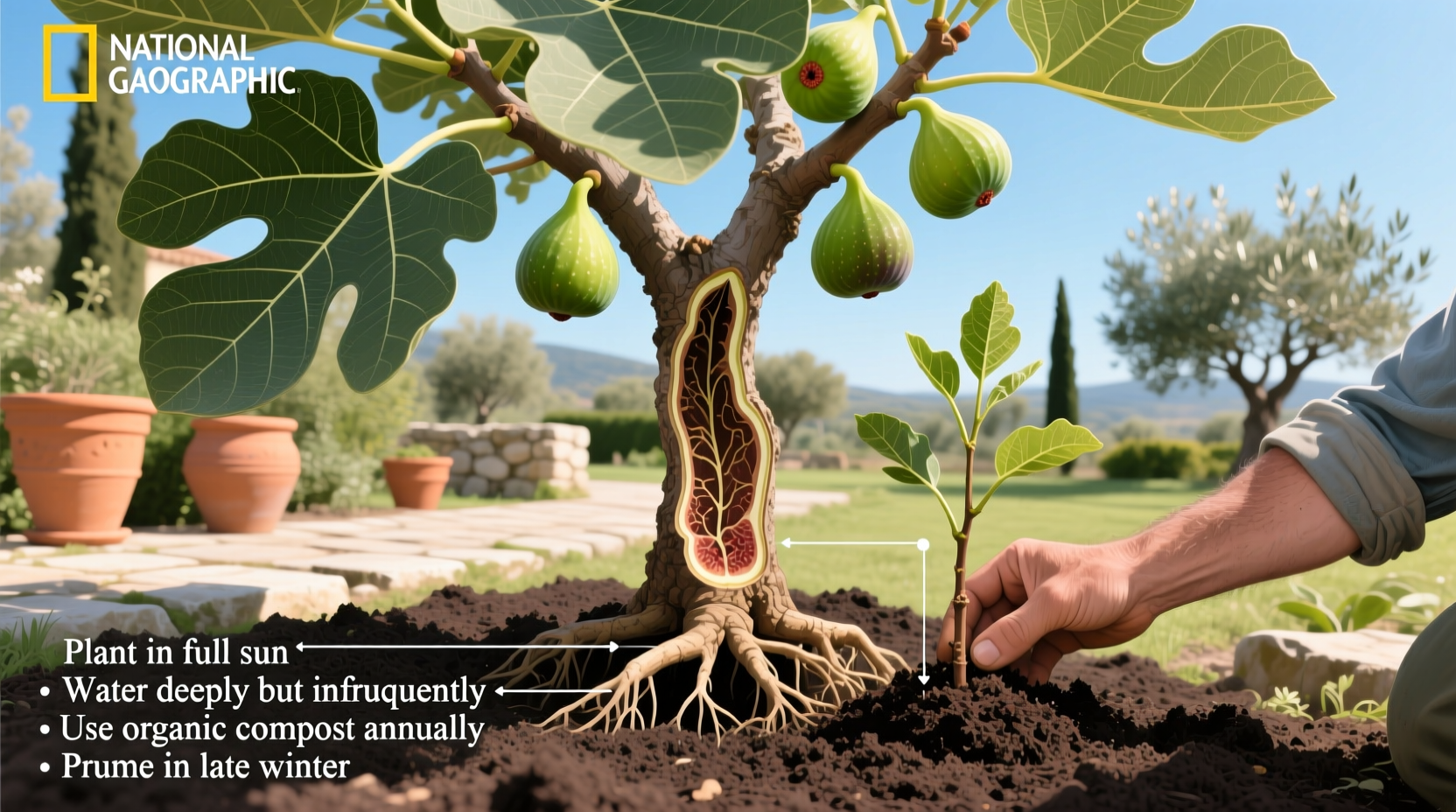
Not all figs are created equal when it comes to climate tolerance, size, and fruiting habits. Choosing a variety suited to your region is the first step toward success. Some figs are cold-hardy down to 10°F (-12°C), while others require consistent warmth. Additionally, certain varieties produce two crops per year—one early summer \"breba\" crop on old wood and a larger fall crop on new growth.
Tip: In colder zones (6 and below), opt for cold-tolerant varieties like 'Chicago Hardy' or 'Brown Turkey' to increase survival chances.For warmer regions (zones 7–10), nearly any variety can thrive, including popular types such as 'Celeste', 'Black Mission', and 'Kadota'. Container growers should consider dwarf cultivars like 'Little Miss Figgy' or 'Baby Bear' for easier management.
Planting Your Fig Tree: A Step-by-Step Guide
The foundation of a healthy fig tree begins with proper planting. Timing, location, and soil preparation play critical roles in establishing strong root systems and encouraging vigorous growth.
- Choose the right time: Plant in early spring after the last frost or in early fall to allow root development before extreme temperatures.
- Pick a sunny spot: Figs need at least 6–8 hours of direct sunlight daily. South-facing locations are ideal in cooler climates.
- Prepare the soil: While figs tolerate a range of soils, they perform best in well-draining loam with a pH between 6.0 and 6.5. Amend heavy clay with compost or sand to improve drainage.
- Dig the hole: Make it twice as wide as the root ball but no deeper. This encourages lateral root spread without sinking the trunk too deep.
- Plant and water: Place the tree in the hole, backfill with native soil, gently tamp down, and water deeply. Apply 2–3 inches of mulch around the base, keeping it away from the trunk to prevent rot.
Watering and Feeding for Optimal Growth
Consistent moisture is key, especially during the first two years and fruit development periods. Young trees need about 1 inch of water per week, either from rainfall or irrigation. Once established, figs are relatively drought-tolerant but produce better fruit with regular watering.
During dry spells, deep soak the soil once a week rather than frequent shallow watering. This promotes deeper root growth and improves resilience.
Fertilizing should be done sparingly. Over-fertilization leads to excessive leafy growth at the expense of fruit. Use a balanced, slow-release fertilizer (such as 10-10-10) in early spring and again in midsummer if growth is weak. Organic options like compost or well-rotted manure also provide steady nutrition.
| Tree Age | Fertilizer Type | Frequency |
|---|---|---|
| Newly planted | None | Avoid first year |
| 1–2 years old | Balanced granular | Once in spring |
| Mature (3+ years) | Compost or light NPK | Spring and optional midsummer |
“Figs are survivors, not high-maintenance plants. The biggest mistake people make is overwatering and overfeeding.” — Dr. Linda Perry, Horticulturist & Sustainable Gardening Specialist
Pruning and Winter Protection
Pruning helps shape the tree, improve air circulation, and encourage fruit production. The best time to prune is late winter or early spring before new growth begins. Focus on removing dead, damaged, or crossing branches. For young trees, select 3–5 strong scaffold branches to form the structure.
Mature trees benefit from thinning to prevent overcrowding. Since figs often fruit on new growth, avoid heavy pruning that removes too many potential fruiting sites. If growing in a container, annual root pruning may also be necessary to prevent pot binding.
In colder climates, winter protection is essential. Temperatures below 10°F can kill above-ground growth, though the roots may survive and re-sprout. To protect your tree:
- Wrap the trunk and main branches with burlap or frost cloth.
- Pile mulch (straw, leaves, or wood chips) around the base up to 12 inches high.
- For potted trees, move containers to an unheated garage or shed once dormancy sets in.
Mini Case Study: Reviving a Neglected Fig in Zone 6
Sarah in Pennsylvania inherited a dormant fig tree in her backyard. After a harsh winter, the branches appeared dead. Instead of removing it, she waited until late spring. When no leaves emerged, she pruned back one branch—and found green tissue beneath. She cut the entire tree back to 2 feet above ground. By midsummer, three new shoots grew vigorously. With proper watering and fall mulching, the tree survived another winter and produced its first breba crop the following year. Her patience and correct pruning saved what seemed like a lost cause.
Caring for Container-Grown Fig Trees
Container gardening allows fig cultivation in colder zones and urban settings. Choose a large pot—at least 18–24 inches in diameter—with drainage holes. Use a high-quality potting mix, not garden soil, to prevent compaction.
Potted figs dry out faster, so monitor moisture closely. Water when the top 2 inches of soil feel dry. During active growth, feed monthly with a diluted liquid fertilizer.
As winter approaches, reduce watering and let the tree enter dormancy. Move containers to a cool, dark location (35–50°F) such as a basement or unheated garage. Check occasionally for pests and ensure the soil doesn’t completely dry out.
Checklist: Year-Round Fig Tree Care
- 🌱 Spring: Inspect for new growth, apply light fertilizer, remove winter wraps, and check for pests.
- ☀️ Summer: Water regularly, monitor for ripening fruit, and hand-pollinate if needed (though most figs are self-fertile).
- 🍂 Fall: Harvest ripe figs promptly, reduce watering, and prepare for dormancy.
- ❄️ Winter: Protect outdoor trees with mulch and wrap; move containers indoors if necessary.
Frequently Asked Questions
Why are my figs not ripening?
Figs may fail to ripen due to insufficient heat, water stress, or over-fertilization. Ensure the tree gets full sun and consistent moisture during fruit swell. Also, some varieties take longer to mature—patience is key.
Can I grow a fig tree from a cutting?
Yes. Take a 10–12 inch hardwood cutting in late winter, dip the base in rooting hormone, and plant in moist potting mix. Keep in a warm, bright spot. Roots typically develop within 4–6 weeks.
How long does it take for a fig tree to bear fruit?
Most fig trees begin producing fruit 2–3 years after planting. Nursery-grown trees may fruit in the first year. Grafted varieties tend to fruit earlier than those grown from seed.
Conclusion
With the right variety, proper planting, and attentive seasonal care, your fig tree can become a centerpiece of your garden—offering lush foliage, delicious fruit, and lasting beauty. Success lies not in complexity, but in consistency: regular watering, smart pruning, and thoughtful protection through winter. Whether rooted in the ground or thriving in a pot on your patio, a well-cared-for fig tree rewards effort with abundance.
🚀 Ready to grow your own figs? Start with one healthy sapling this season and apply these proven practices. Share your progress, ask questions, or tell us about your favorite fig variety in the comments below!