Diamond pendants are more than just accessories—they're heirlooms, symbols of love, and personal expressions of style. But even the most brilliant stone can lose its luster without proper care. Dirt, oils, everyday wear, and improper storage can dull a diamond’s fire and compromise the integrity of the setting. With consistent attention and mindful habits, you can preserve both the beauty and value of your pendant. The good news is that maintaining a dazzling sparkle doesn’t require professional expertise—just a few thoughtful practices.
Understanding Your Diamond Pendant’s Vulnerabilities
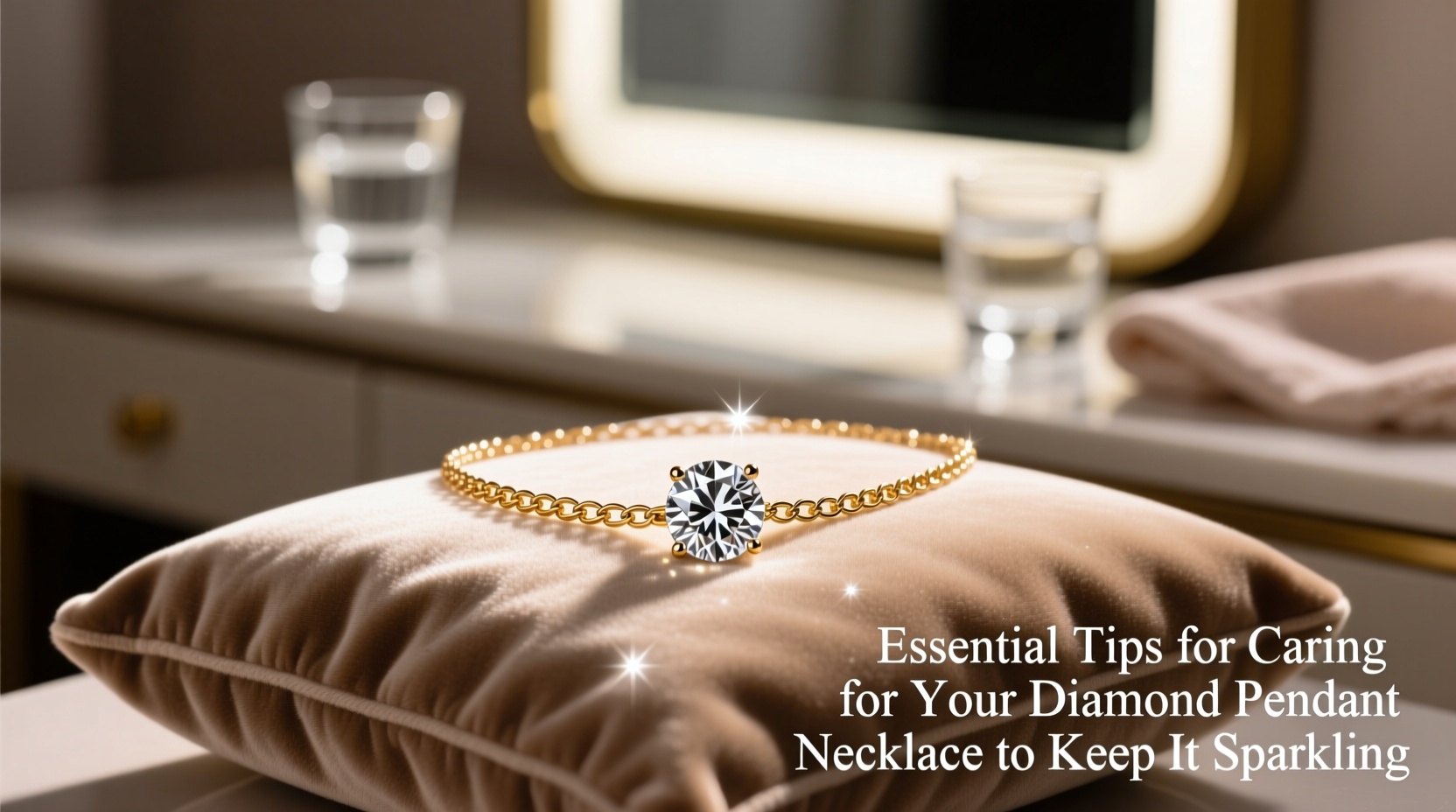
Diamonds may be the hardest natural substance on Earth, but the jewelry they’re set in isn’t immune to damage. The prongs, chain, and metal components are subject to wear, especially with daily use. Over time, microscopic dirt and body oils accumulate on the surface of the diamond, scattering light and reducing brilliance. Additionally, sudden impacts or snagging on fabric can loosen stones or break delicate chains.
The type of metal used—whether platinum, white gold, yellow gold, or rose gold—affects how often maintenance is needed. Softer metals like gold may scratch more easily, while platinum develops a patina over time rather than wearing away. Knowing your pendant’s materials helps tailor your care routine effectively.
“A diamond’s brilliance depends not only on cut and clarity but also on cleanliness and setting security. Regular inspection and cleaning are non-negotiable for lasting sparkle.” — Daniel Reeves, GIA-Certified GemologistTip: Avoid wearing your diamond pendant while swimming, cleaning, or exercising to minimize exposure to harsh chemicals and physical stress.
Step-by-Step Guide to Cleaning Your Diamond Pendant
Cleaning at home is safe and effective when done correctly. Follow this simple yet thorough process to restore your pendant’s radiance every few weeks.
- Prepare a gentle cleaning solution: Mix one cup of warm water with a few drops of mild dish soap. Avoid detergents with bleach, abrasives, or moisturizers.
- Soak the pendant: Place the necklace in the solution for 15–20 minutes. This loosens built-up oils and debris.
- Brush gently: Use a soft-bristled toothbrush (preferably unused) to lightly scrub around the diamond and under the setting. Focus on areas where grime collects, such as the back of the stone and base of the prongs.
- Rinse thoroughly: Hold the pendant under lukewarm running water to remove all soap residue. Be sure to close the sink drain first.
- Dry carefully: Pat dry with a lint-free microfiber cloth. Do not use paper towels, which can scratch metal or leave fibers behind.
For extra shine, finish by wiping the diamond with a jewelry polishing cloth designed for precious metals. These cloths contain micro-abrasives that safely remove tarnish without damaging the surface.
When to Seek Professional Cleaning
While at-home cleaning maintains daily sparkle, professional service is recommended every 6–12 months. Jewelers use ultrasonic cleaners and steam treatments that reach deep into crevices. They also inspect the setting for loose prongs or worn links—issues you might miss at home.
Tip: Schedule a professional checkup during annual jewelry cleanings, especially if you wear the pendant frequently.Proper Storage Techniques to Prevent Damage
How you store your pendant matters just as much as how you wear it. Tossing it into a drawer or leaving it draped over a dresser increases the risk of tangling, scratching, and impact damage.
- Store your pendant separately from other jewelry to prevent scratches. Diamonds can scratch softer gemstones and metals.
- Use a lined jewelry box with individual compartments or a soft pouch made of velvet or silk.
- If traveling, place the pendant in a rigid travel case to avoid chain bending or clasp damage.
Never store your pendant in humid environments like bathrooms. Moisture accelerates tarnishing in silver and can corrode metal settings over time.
Do’s and Don’ts: A Quick Reference Table
| Do’s | Don’ts |
|---|---|
| Clean every 2–4 weeks with mild soap and water | Use bleach, chlorine, or abrasive cleaners |
| Inspect prongs monthly for looseness | Wear while swimming in pools or hot tubs |
| Store in a soft-lined box or pouch | Leave it dangling on a hook where it can get caught |
| Take it to a jeweler annually for inspection | Skip repairs when noticing a wobbly stone |
A Real-Life Example: How Neglect Dimmed a Heirloom Pendant
Sarah inherited a vintage diamond solitaire pendant from her grandmother. She wore it weekly but never cleaned it, assuming diamonds “took care of themselves.” After two years, she noticed the stone looked cloudy and lacked its original fire. When she brought it to a jeweler, he found a thick layer of skin oil and lotion had coated the underside of the diamond, blocking light reflection. Worse, one prong was nearly broken, putting the stone at risk of falling out.
After a professional cleaning and prong tightening, the pendant regained its brilliance. The jeweler emphasized that regular checks could have prevented the near-loss of the stone. Sarah now cleans her pendant monthly and schedules biannual inspections—simple steps that protect both sentimental and monetary value.
Essential Maintenance Checklist
Stay proactive with this printable-style checklist to keep your diamond pendant in top condition:
- ☐ Clean with mild soapy water every 2–4 weeks
- ☐ Dry thoroughly with a microfiber cloth after cleaning
- ☐ Inspect the setting monthly for loose or bent prongs
- ☐ Check the clasp and chain for signs of wear or weakness
- ☐ Store separately in a soft pouch or compartmentalized box
- ☐ Avoid wearing during physical activity, cleaning, or swimming
- ☐ Visit a trusted jeweler for professional cleaning and inspection annually
- ☐ Remove before applying lotions, perfumes, or hairspray
Frequently Asked Questions
Can I use toothpaste to clean my diamond pendant?
No. While some recommend toothpaste as a DIY cleaner, many contain silica or baking soda that are abrasive enough to scratch gold and platinum settings. Stick to mild liquid soap and water for safe at-home cleaning.
Why does my diamond look foggy after cleaning?
A foggy appearance usually means residue remains, especially if tap water with high mineral content was used. Rinse under distilled water or wipe with a jewelry cloth. If the haze persists, the diamond may have internal inclusions affecting transparency—consult a gemologist.
How often should I have my pendant professionally inspected?
Once a year is ideal for regular wear. If the pendant is an engagement gift or heirloom, consider twice-yearly checkups. Frequent wearers or those with active lifestyles should not go longer than six months without inspection.
Protecting Your Investment and Sentiment
A diamond pendant often carries emotional weight far beyond its carat weight. Whether it marks an anniversary, celebrates a milestone, or honors a loved one, preserving its condition honors the moment it represents. Proper care ensures that future generations can appreciate its beauty just as you do today.
Think of maintenance not as a chore, but as a ritual of appreciation. Taking a few minutes each month to clean and examine your pendant strengthens your connection to it—and safeguards its legacy.
💬 Your diamond pendant tells a story—make sure it shines for years to come. Start a care routine today, share these tips with someone who owns fine jewelry, or leave a comment with your own maintenance insights.