Copper coin jewelry carries a timeless charm—its warm, rosy glow evokes vintage elegance and historical depth. Whether repurposed from antique currency or crafted in a modern artisanal style, copper coin accessories add character and individuality to any outfit. But unlike gold or platinum, copper is highly reactive, prone to oxidation and tarnishing when exposed to air, moisture, and skin oils. Without proper care, your once-bright pendant or bracelet can quickly dull or develop a greenish patina. The good news: with consistent, thoughtful maintenance, you can preserve the luster of your copper coin jewelry for years. This guide delivers practical, science-backed strategies to clean, protect, and store your pieces so they continue to shine.
Understanding Copper’s Behavior
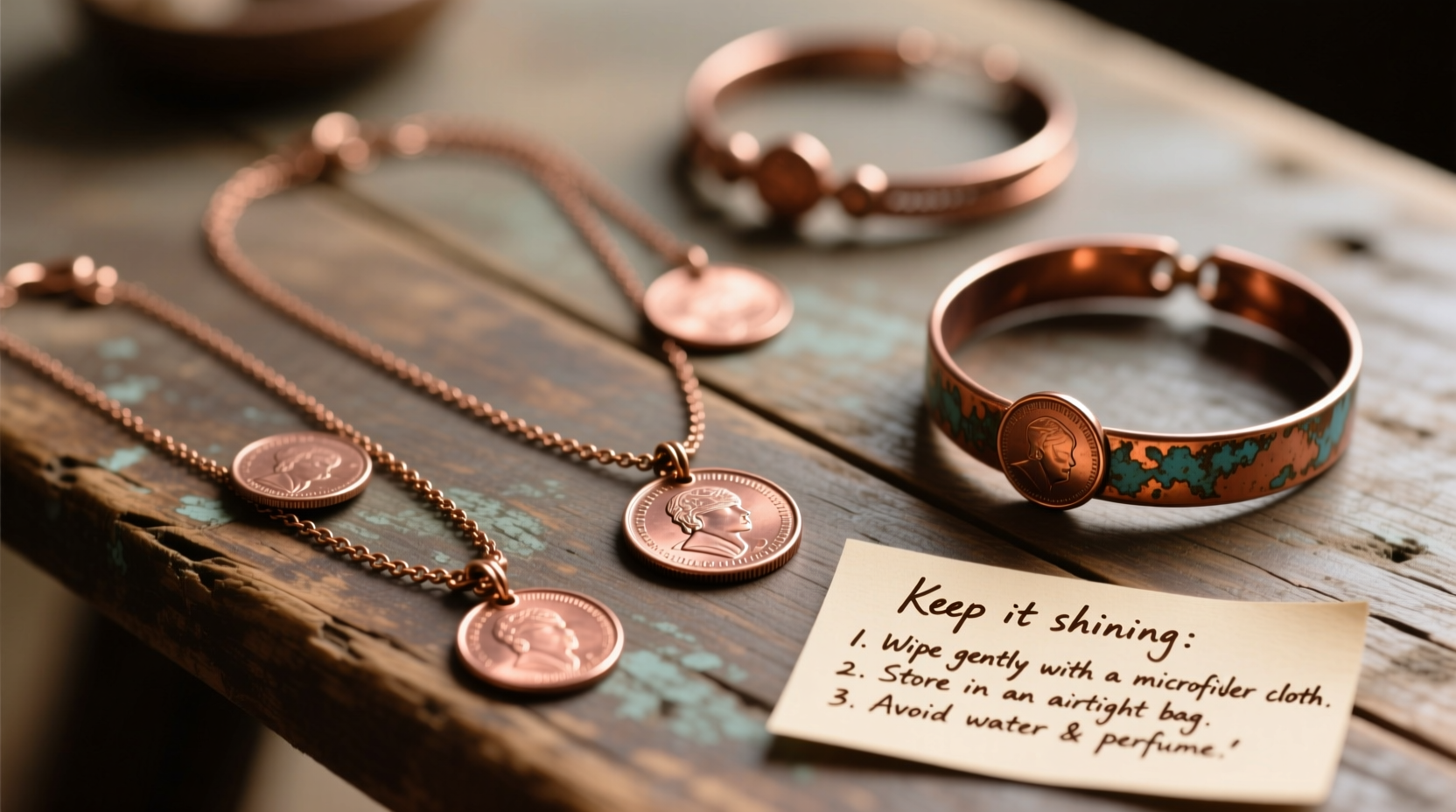
Copper is a soft, malleable metal with natural antimicrobial properties, which is why it's been used in coins and decorative items for centuries. However, its chemical reactivity means it readily interacts with sulfur compounds in the air, moisture, and even the acids in human sweat. These reactions form copper oxide and copper sulfide—layers that appear as darkening, dullness, or eventually a greenish-blue patina (like the Statue of Liberty).
While some wearers appreciate this aged look, others prefer the bright, polished appearance of newly acquired copper. The key is understanding that tarnish isn’t damage—it’s a surface reaction. With proper cleaning and preventive habits, you can control how your jewelry ages.
“Copper’s beauty lies in its warmth and responsiveness. The way it changes over time tells a story—but only if you manage that change intentionally.” — Dr. Lena Torres, Metallurgist & Jewelry Conservation Specialist
Step-by-Step Guide to Cleaning Copper Coin Jewelry
Regular cleaning removes accumulated oils, dirt, and early-stage oxidation before they deepen into stubborn tarnish. Follow this safe, effective method at home:
- Remove the jewelry and place it on a clean, dry surface. Never clean while wearing, especially near sinks or water sources.
- Prepare a gentle cleaning paste: Mix 1 tablespoon of baking soda with 1–2 teaspoons of white vinegar or lemon juice. The mixture will fizz briefly—this indicates the mild acid is activating to dissolve tarnish.
- Apply with a soft cloth or cotton swab: Gently rub the paste onto the coin’s surface using circular motions. Focus on crevices and engraved areas where grime collects.
- Rinse thoroughly under lukewarm water. Ensure no residue remains, as leftover acid can accelerate future tarnishing.
- Dry immediately with a lint-free microfiber cloth. Air-drying increases oxidation risk.
- Buff lightly to restore shine. For deeper luster, use a polishing cloth designed for copper or non-abrasive jewelry polish.
Do’s and Don’ts of Copper Care
Prevention is more effective than restoration. The following table outlines best practices and common mistakes in copper coin jewelry maintenance.
| Do | Don’t |
|---|---|
| Wipe jewelry after each wear with a dry cloth | Store in humid environments like bathrooms |
| Use anti-tarnish strips in storage containers | Wear while swimming, showering, or exercising |
| Apply a thin coat of clear nail polish to the back of coins (optional) | Use steel wool or abrasive pads |
| Rotate pieces to allow rest periods between wears | Expose to perfumes, lotions, or hairspray |
Proper Storage Techniques to Prevent Tarnish
How you store your copper coin jewelry is just as important as how you clean it. Even infrequently worn pieces can degrade if left unprotected.
The ideal storage environment is cool, dry, and airtight. Use individual fabric-lined jewelry boxes or zip-lock bags with a silica gel packet to absorb moisture. For added protection, place an anti-tarnish strip inside the container—these release vapor that neutralizes sulfur compounds in the air.
If you own multiple copper pieces, avoid letting them touch one another. Metal-on-metal contact can cause scratches and accelerate corrosion through galvanic reactions, especially if other metals (like brass or silver) are involved.
Tip: Store necklaces flat or hang them separately to prevent chain kinks and coin abrasion.Real-Life Example: Reviving a Heirloom Piece
Sophie inherited a 19th-century Spanish copper coin pendant from her grandmother. Though historically significant, the piece had turned almost black due to decades of closet storage without climate control. When she brought it to a local jeweler, he explained that the heavy tarnish wasn’t irreversible—just neglected.
Following a modified version of the baking soda-vinegar method, Sophie gently cleaned the coin at home. After two rounds of paste application and rinsing, the original inscriptions reappeared, and the warm reddish tone emerged. She then coated the back with clear nail polish and stored it in a sealed box with a desiccant. Today, she wears it monthly, always wiping it afterward. “It feels alive again,” she says. “Not just a relic, but something I can enjoy daily.”
Expert-Backed Maintenance Checklist
Stay proactive with this simple routine to extend the life and brilliance of your copper coin jewelry:
- ✔ Wipe with a dry microfiber cloth after every wear
- ✔ Clean with baking soda paste every 4–6 weeks (or when dullness appears)
- ✔ Inspect for signs of deep tarnish or pitting monthly
- ✔ Store in an airtight container with a moisture absorber
- ✔ Remove during household chores, bathing, or exercise
- ✔ Keep away from cosmetics and chlorinated water
- ✔ Rotate usage to reduce constant exposure to skin oils
Frequently Asked Questions
Why does my copper jewelry turn my skin green?
This harmless discoloration occurs when copper reacts with sweat and fatty acids on your skin, forming copper salts. It’s more common in hot, humid weather or with prolonged wear. To minimize this, apply a clear sealant to the part of the coin that touches your skin or wear the piece less frequently.
Can I use ketchup or tomato sauce to clean copper?
Yes—surprisingly, both contain acetic acid (from vinegar) and citric acid, which help dissolve tarnish. However, they also include salt and spices that may leave residues or promote future corrosion if not rinsed thoroughly. Stick to controlled mixtures like baking soda and vinegar for safer, more predictable results.
Is it bad if my copper develops a patina?
Not at all. A patina is a natural protective layer that forms over time. Many collectors and designers value this aged look for its authenticity and depth. If you prefer shine, simply clean regularly. If you embrace character, let it evolve—just ensure the patina doesn’t hide damage like cracks or deep pitting.
Preserve the Shine, Honor the Story
Copper coin jewelry is more than adornment—it’s a blend of history, craftsmanship, and personal expression. Its vulnerability to tarnish isn’t a flaw; it’s a reminder of its living nature. By adopting simple, consistent care habits, you honor both the material and the memories it carries. From gentle cleaning routines to smart storage solutions, every small action adds up to lasting beauty. Your copper pieces don’t need perfection—they need attention. Start today, and let them continue to catch the light, and the eye, for years to come.
💬 Have a favorite copper care trick or a cherished piece you’ve restored? Share your experience in the comments—your insight could inspire someone else to revive their own treasure.








