
Sleep is foundational to health, yet millions struggle to fall or stay asleep each night. While pharmaceuticals exist, many people prefer natural solutions—especially those that don’t disrupt their senses or leave lingering scents. Essential oils have gained popularity as a non-invasive tool for improving sleep quality, but not all are created equal. Some are too strong, sharp, or even stimulating, which defeats the purpose. The key lies in choosing oils that are both effective and subtle—gentle enough for sensitive noses, yet potent enough to calm the nervous system.
This guide explores essential oils proven by research and user experience to support restful sleep without overwhelming your environment. From lavender’s well-documented effects to lesser-known but powerful blends, you’ll learn how to use them safely, effectively, and with minimal sensory intrusion.
The Science Behind Aromatherapy and Sleep
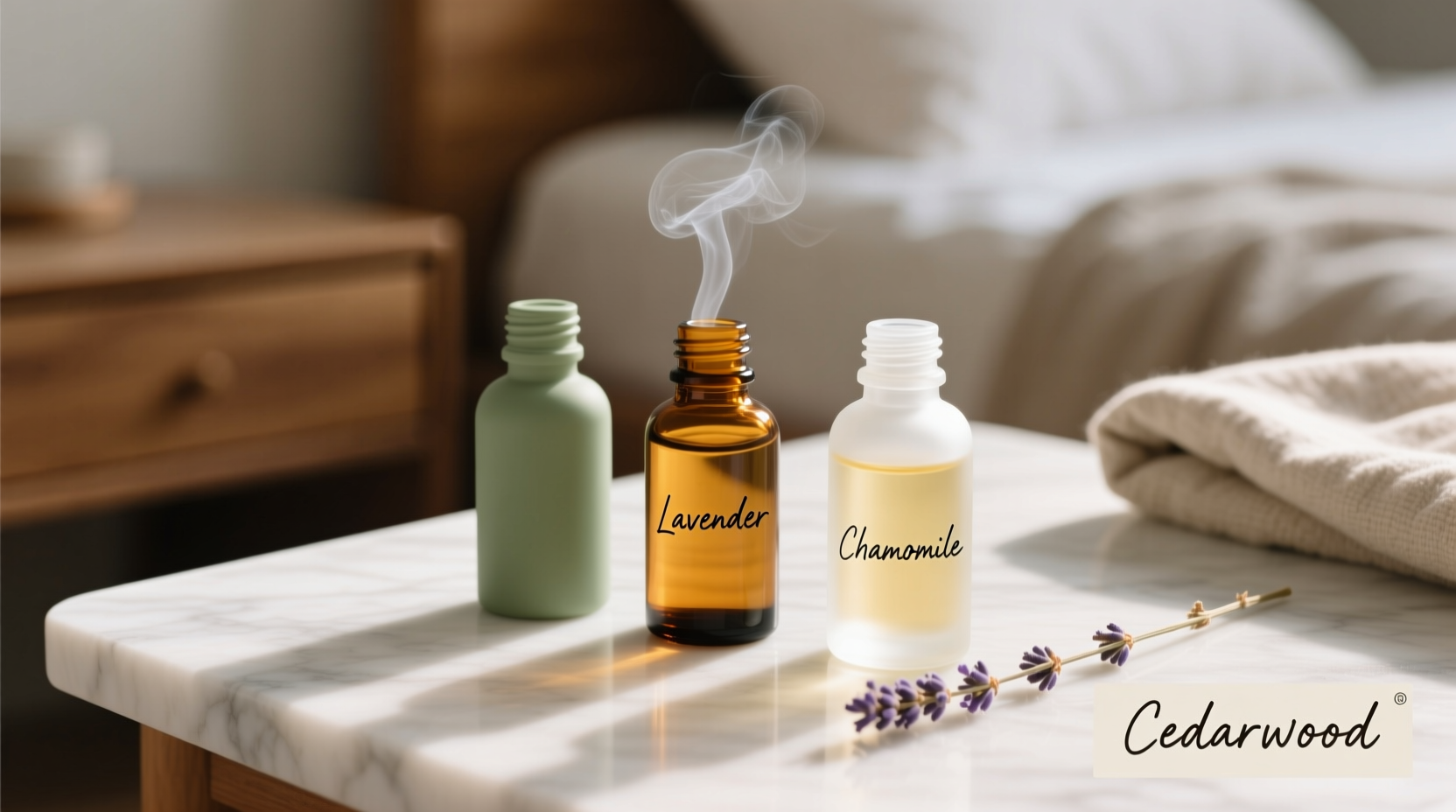
Aromatherapy works through the olfactory system—the sense of smell—which has direct pathways to the limbic system in the brain. This region governs emotions, stress responses, and circadian rhythms. When certain aromatic compounds enter the nose, they can trigger calming neurological signals that reduce anxiety, lower heart rate, and prepare the body for sleep.
Studies have shown that specific essential oils influence neurotransmitters like GABA, which plays a crucial role in reducing neuronal excitability. For example, a 2017 meta-analysis published in *Complementary Therapies in Medicine* found that inhaling lavender oil significantly improved sleep quality across diverse populations, including postpartum women, college students, and individuals with insomnia.
However, effectiveness isn’t just about chemistry—it’s also about tolerance. An oil may be scientifically sound, but if its scent is too intense or unpleasant, it can increase alertness rather than relaxation. That’s why subtlety matters. The best oils for sleep are those that blend efficacy with mildness, offering therapeutic benefits without dominating the room.
“Not all calming scents are suitable for bedtime. The ideal sleep-supportive oil should soothe the mind without triggering sensory overload.” — Dr. Naomi Patel, Integrative Sleep Specialist
Top 5 Essential Oils for Sleep (Gentle & Effective)
Below are five essential oils backed by both clinical evidence and real-world feedback for promoting sleep—without being overpowering. These are chosen not only for their potency but also for their balanced aroma profiles, making them ideal for shared spaces, sensitive individuals, or those new to aromatherapy.
1. Lavender (Lavandula angustifolia)
Lavender remains the gold standard in sleep-supportive essential oils. Its primary compound, linalool, has demonstrated sedative and anxiolytic properties in animal and human studies. What makes lavender particularly suitable for light-sensitive users is its soft, floral-herbal scent that diffuses evenly without becoming cloying.
In a double-blind study conducted at Wesleyan University, participants who inhaled lavender before bed reported deeper slow-wave sleep and felt more refreshed upon waking. Crucially, the effect was achieved with just 2–3 drops in a diffuser—proving that less can be more.
Tip: Use lavender in combination with a carrier oil for a nighttime pulse point application—try wrists, temples, or behind the ears.2. Roman Chamomile (Chamaemelum nobile)
Roman chamomile offers a sweet, apple-like fragrance that’s significantly milder than its German cousin. It contains esters like angelate, which help relax smooth muscles and quiet mental chatter. Parents often favor this oil for children’s bedtime routines due to its gentle nature.
A 2015 study in *Nursing in Critical Care* showed that patients exposed to chamomile aromatherapy experienced reduced anxiety and improved sleep efficiency. Because of its low volatility, the scent disperses slowly, avoiding sudden intensity spikes common with citrus or mint oils.
3. Cedarwood (Cedrus atlantica)
Cedarwood emits a warm, woody aroma reminiscent of a forest after rain—earthy but not heavy. Its active component, cedrol, has been linked to increased production of melatonin, the hormone responsible for regulating sleep-wake cycles.
Unlike pine or eucalyptus oils, which can feel sharp or medicinal, cedarwood integrates seamlessly into bedroom environments. It pairs well with lavender or chamomile, enhancing their calming effects while grounding the blend.
4. Bergamot (Citrus bergamia) – FCF Version
Bergamot stands out among citrus oils for its unique ability to reduce cortisol levels. However, standard bergamot contains phototoxic compounds (furocoumarins) and can be overly bright for evening use. The solution? Use “FCF” (furanocoumarin-free) bergamot, which retains the uplifting-calm balance without UV sensitivity risks or excessive brightness.
A 2020 trial in *Phytotherapy Research* found that FCF bergamot reduced pre-sleep anxiety by up to 37% when diffused for 15 minutes before bedtime. Users described the scent as “sunlight fading into dusk”—calming but not dull.
5. Marjoram (Origanum majorana)
Often overlooked, marjoram is a deeply relaxing herb with a warm, slightly spicy aroma. It acts as a natural nervine, helping to ease muscle tension and quiet racing thoughts. Unlike stronger herbs like rosemary or thyme, marjoram lacks menthol notes, making it far less intrusive.
In traditional European herbalism, marjoram was used in sleep pillows for soldiers returning from war. Modern applications include low-dose diffusion or diluted chest rubs for nighttime breathing support.
How to Use Essential Oils Without Overpowering Your Space
Even gentle oils can become overwhelming if misused. The goal is ambient support, not scent saturation. Here’s how to apply these oils effectively while preserving air quality and comfort:
- Choose the Right Diffuser: Opt for ultrasonic diffusers over nebulizers, which release finer mist at lower concentrations. Set timers for 15–30 minutes before bed, allowing the aroma to settle without continuous exposure.
- Dilute for Topical Use: Mix 1–2 drops of essential oil with a tablespoon of carrier oil (like jojoba or almond) for massage or pulse point application. This avoids airborne buildup entirely.
- Use Linen Sprays: Create a DIY linen spray with 5 drops of essential oil, 1 oz of distilled water, and 1 tsp of witch hazel. Lightly mist sheets and pillowcases—this delivers scent close to the face without filling the room.
- Try Inhaler Sticks: Personal aromatherapy inhalers allow controlled, individualized dosing. Ideal for couples where one partner is scent-sensitive.
- Ventilate After Use: Open a window briefly after diffusion to refresh the air and prevent odor accumulation over time.
Do’s and Don’ts: Essential Oil Safety for Sleep
| Do | Don't |
|---|---|
| Start with 1–2 drops in your diffuser | Use more than 5 drops in a small room |
| Blend calming oils (e.g., lavender + cedarwood) | Mix stimulating oils like peppermint or lemon at night |
| Store oils in dark glass bottles away from heat | Leave bottles open or expose to sunlight |
| Test topical blends on a small skin patch first | Apply undiluted oils directly to skin |
| Use FCF bergamot for safety and gentleness | Use unfiltered citrus oils near skin before sun exposure |
Real-Life Example: Improving Sleep in a Shared Bedroom
Sarah, a 38-year-old teacher from Portland, struggled with insomnia for years. Her husband, however, disliked strong scents and would wake up with headaches when she used essential oils. They tried several commercial diffusers, but most left the room smelling like a spa store.
After consulting a certified aromatherapist, Sarah switched to a linen spray made with 3 drops of lavender and 2 drops of cedarwood in 2 oz of water and witch hazel. She sprayed it lightly on her pillow every night and used a personal inhaler when she felt anxious before bed. Within two weeks, she fell asleep faster, and her husband noticed no irritation. “It’s barely there,” he said, “but somehow it helps her wind down.”
This case highlights a critical principle: effective aromatherapy doesn’t need to dominate a space. Subtlety, consistency, and proper delivery methods often yield better long-term results than high-concentration diffusion.
Step-by-Step Guide: Creating a Gentle Sleep Routine with Essential Oils
Follow this simple nightly protocol to integrate essential oils into your sleep hygiene without sensory overload:
- 60 Minutes Before Bed: Turn off bright screens and begin winding down. Fill your ultrasonic diffuser with 1 cup of water and add 1 drop of lavender and 1 drop of Roman chamomile.
- 45 Minutes Before Bed: Apply a diluted blend (2 drops cedarwood + 1 drop marjoram in 1 tsp carrier oil) to your wrists and soles of feet.
- 30 Minutes Before Bed: Mist your pillow with a homemade linen spray (recipe: 5 drops total essential oils, 2 oz water, 1 tsp witch hazel). Shake well before each use.
- 15 Minutes Before Bed: Turn off the diffuser. Breathe deeply through your nose to absorb residual aroma.
- At Lights Out: Keep an inhaler stick nearby if you tend to wake with anxiety. Inhale once or twice if needed—no need to turn on lights or disturb your partner.
Frequently Asked Questions
Can I use essential oils every night?
Yes, but rotate them weekly to prevent olfactory fatigue (when your nose stops noticing a scent). Try using lavender one week, then switch to cedarwood and bergamot the next. This keeps the therapy effective and prevents desensitization.
Are essential oils safe for kids and pets?
With caution. For children over 2, dilute oils further (1 drop per 2 tsp carrier oil) and avoid strong phenols like oregano. Never diffuse around infants under 6 months. For pets, especially cats, consult a veterinarian—some oils can be toxic when inhaled or ingested.
What if I’m sensitive to smells?
Start with non-diffusion methods: try a single drop of diluted oil on a cotton ball placed under your pillow, or use an inhaler stick. You can also test scent strength by placing a drop on a tissue and holding it at arm’s length—if it’s noticeable, it’s likely sufficient.
Checklist: Building a Non-Overpowering Sleep Aromatherapy Routine
- ☐ Choose 1–2 gentle oils from the list (lavender, chamomile, cedarwood, etc.)
- ☐ Purchase a high-quality ultrasonic diffuser with timer settings
- ☐ Buy fractionated coconut oil or jojoba oil for dilution
- ☐ Make a linen spray with FCF bergamot or lavender
- ☐ Test all blends for skin sensitivity before regular use
- ☐ Limit diffusion to 15–30 minutes before bedtime
- ☐ Rotate oils monthly to maintain effectiveness
Conclusion
Finding essential oils for sleep that actually work—and aren’t overpowering—is about balance. It’s not about masking reality with strong fragrances, but about guiding the nervous system into rest with quiet, consistent support. Lavender, chamomile, cedarwood, FCF bergamot, and marjoram offer proven benefits without crossing into sensory overload.
The most effective routines are simple, sustainable, and tailored to individual sensitivities. Whether you’re sharing a bedroom, dealing with anxiety, or simply seeking a more natural approach to better rest, these oils provide a gentle pathway to deeper, more peaceful sleep.
💬 Ready to transform your nights? Start tonight with just one drop of lavender on your pillow. Share your experience or favorite blend in the comments below—your insight could help someone finally find rest.