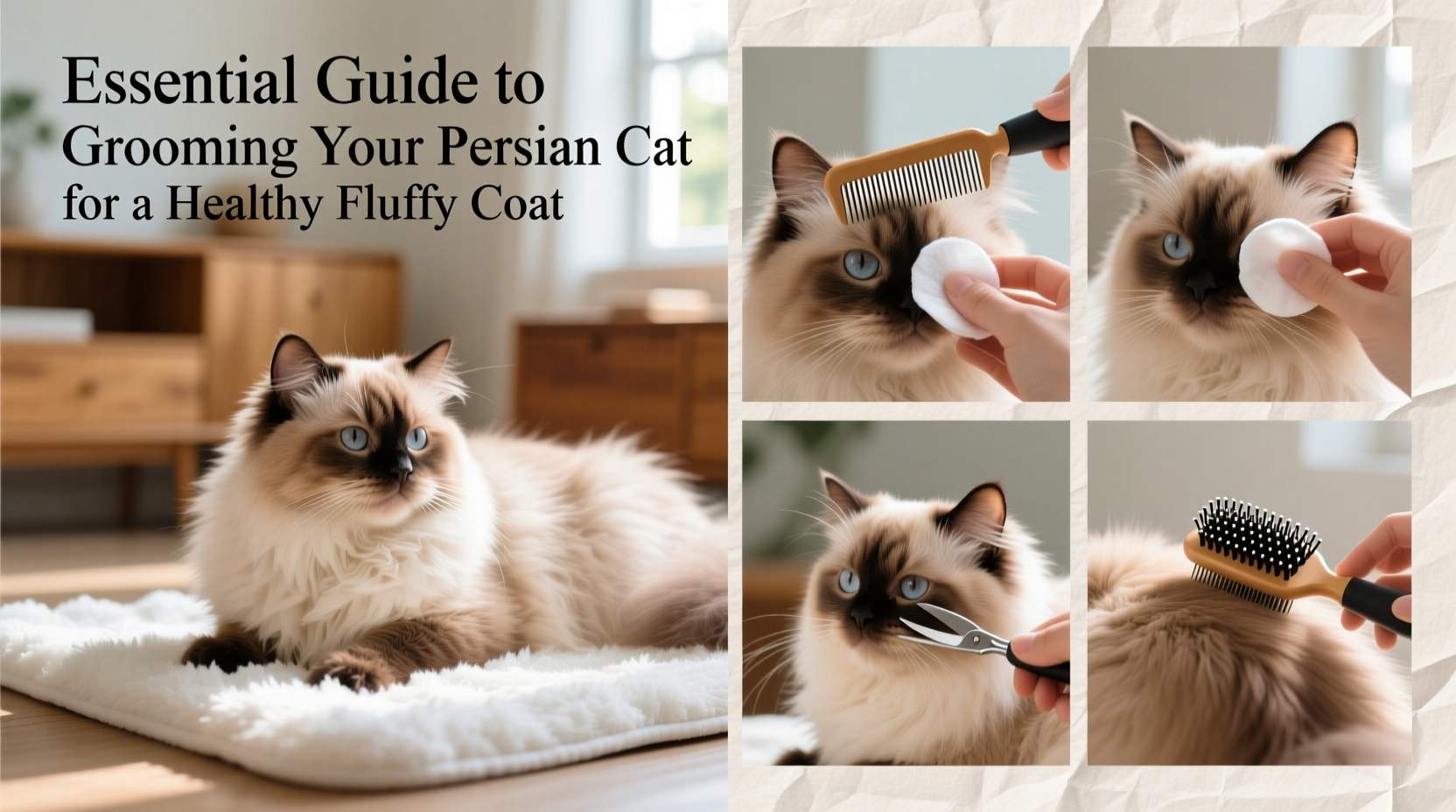
Persian cats are renowned for their luxurious, flowing coats and gentle dispositions. However, that opulent fur demands consistent grooming to prevent matting, skin irritation, and health complications. Without proper care, their dense double coat can quickly become tangled, trap dirt, and even lead to painful sores. Grooming isn’t just about appearance—it’s essential for your cat’s comfort, hygiene, and overall well-being. This comprehensive guide outlines the best practices, tools, and routines to keep your Persian cat’s coat soft, tangle-free, and radiant.
Why Regular Grooming Is Non-Negotiable
Persian cats have long, silky hair that grows continuously and lacks the natural shedding mechanism seen in shorter-haired breeds. Their undercoat is particularly dense, making them prone to matting behind the ears, under the legs, and around the hindquarters. Mats pull on the skin, cause discomfort, and can harbor bacteria or parasites. Additionally, Persians are brachycephalic (flat-faced), which limits their ability to clean themselves effectively, especially around the face and eyes.
Regular grooming reduces the risk of hairballs, improves circulation to the skin, and strengthens the bond between you and your pet. It also allows you to monitor for early signs of skin issues, fleas, or lumps.
Tip: Groom your Persian cat in a quiet, warm room to minimize stress and make the experience more pleasant.Essential Tools for Persian Cat Grooming
Using the right tools makes grooming faster, safer, and more effective. Invest in high-quality equipment designed specifically for long-haired cats.
| Tool | Purpose | Recommended Frequency |
|---|---|---|
| Wide-tooth comb | Detangles large knots gently | Daily |
| Stainless steel slicker brush | Removes loose undercoat and surface tangles | Daily |
| Mat splitter or dematting tool | Safely cuts through severe mats without cutting skin | As needed |
| Cat-safe scissors (blunt-tipped) | Trims stubborn mats near sensitive areas | Rarely, with caution |
| Hypoallergenic cat wipes | Cleans face folds and eye area | Daily |
“Daily brushing is not optional for Persians—it's as essential as feeding them. Skipping just a few days can result in mats that require professional intervention.” — Dr. Lena Torres, Feline Dermatology Specialist
Step-by-Step Daily Grooming Routine
A structured routine prevents problems before they start. Follow this sequence every day to maintain a healthy coat:
- Inspect the Coat: Run your fingers through the fur, checking for tangles, debris, or skin abnormalities. Pay special attention to armpits, belly, and tail base.
- Start with a Wide-Tooth Comb: Begin at the ends of the fur and work upward toward the roots. This minimizes pulling on existing tangles.
- Use the Slicker Brush: Once tangles are loosened, brush in the direction of hair growth using light, overlapping strokes. Focus on one section at a time.
- Address Mats Immediately: For small mats, gently tease them apart with the comb. For larger ones, use a mat splitter—never pull or cut blindly.
- Clean the Face: Wipe around the eyes and nose with a damp, hypoallergenic wipe to remove tear stains and discharge.
- Check Ears and Paws: Inspect ears for wax buildup and trim fur between paw pads if it becomes too long.
Bathing Your Persian Cat: Best Practices
Bathing is necessary every 4–6 weeks to prevent oil buildup and keep the coat soft. While many Persians dislike water, acclimating them gradually can make baths manageable.
- Brush thoroughly before bathing to remove any tangles—wet mats tighten and become impossible to fix.
- Use lukewarm water and a pH-balanced, oatmeal-based cat shampoo.
- Support your cat’s body throughout; never dunk the head. Clean the face with a damp cloth instead.
- Rinse thoroughly—residue causes itching and dullness.
- Blow-dry on low heat while brushing simultaneously to prevent tangles and ensure full drying. A damp coat invites fungal growth.
After the bath, spend extra time brushing to restore volume and fluffiness.
Real-Life Example: Managing Severe Matting
Sophie, a 3-year-old Persian from Portland, developed extensive mats along her flanks due to her owner’s illness, during which grooming was neglected. When brought to a vet, the mats were so tight they had caused pressure sores. The veterinarian recommended sedation for safe removal, followed by a strict daily grooming plan. Over the next six weeks, Sophie’s owner committed to 15 minutes of brushing each morning and evening. Within two months, her coat regained its silkiness, and no further issues occurred. This case underscores how quickly neglect escalates and how consistency reverses damage.
Grooming Checklist: Weekly & Monthly Tasks
Stay organized with this actionable checklist:
✅ Daily
- Brush entire coat
- Wipe facial folds
- Inspect for tangles or skin issues
✅ Weekly
- Check ears and clean if needed
- Trim claws
- Inspect paw fur length
✅ Every 4–6 Weeks
- Bathe and condition
- Deep dry with blow dryer and brush
- Full-body inspection
Frequently Asked Questions
How often should I brush my Persian cat?
Daily brushing is essential. Even skipping two or three days can lead to tangles that develop into mats. Short, focused sessions are more effective than infrequent long ones.
Can I shave my Persian cat to reduce grooming?
Shaving is an option in extreme cases or hot climates, but it removes natural insulation and sun protection. If done, leave at least 1 inch of fur and only use a professional groomer familiar with cats. Most owners find that regular brushing is safer and preserves the breed’s iconic look.
My cat hates being brushed—what can I do?
Start slowly. Use a soft brush and touch-sensitive areas last. Pair brushing with treats or playtime. Try grooming when your cat is relaxed, such as after napping. Patience and positive reinforcement build trust over time.
Conclusion: Commitment Leads to Comfort
Grooming a Persian cat is a labor of love that pays off in a healthier, happier pet. Their stunning coat is not maintained by chance but by consistent, thoughtful care. By integrating brushing, cleaning, and inspection into your daily rhythm, you prevent pain, avoid costly vet visits, and deepen your bond with your feline companion. The time you invest today ensures years of soft purrs and shimmering fur tomorrow.
💬 Have a grooming tip or story about your Persian cat? Share your experience below and help fellow cat lovers provide the best care for their fluffy companions!