Beaded necklaces are more than just accessories—they’re expressions of artistry, culture, and personal style. Whether passed down through generations or acquired from a boutique artisan, these delicate pieces demand thoughtful care. The intricate nature of beads—whether glass, gemstone, seed beads, or pearls—and the threads or wires that hold them together make them vulnerable to wear, breakage, and environmental damage. Without proper maintenance, even the most exquisite necklace can lose its luster or structural integrity in just a few years.
Preserving the beauty and longevity of a beaded necklace isn’t about complicated rituals—it’s about consistent, informed habits. From how you put it on to where you store it at night, every decision impacts its lifespan. This guide offers practical, expert-backed strategies to help you protect your treasured pieces so they remain radiant and wearable for decades.
Understanding Bead Materials and Construction
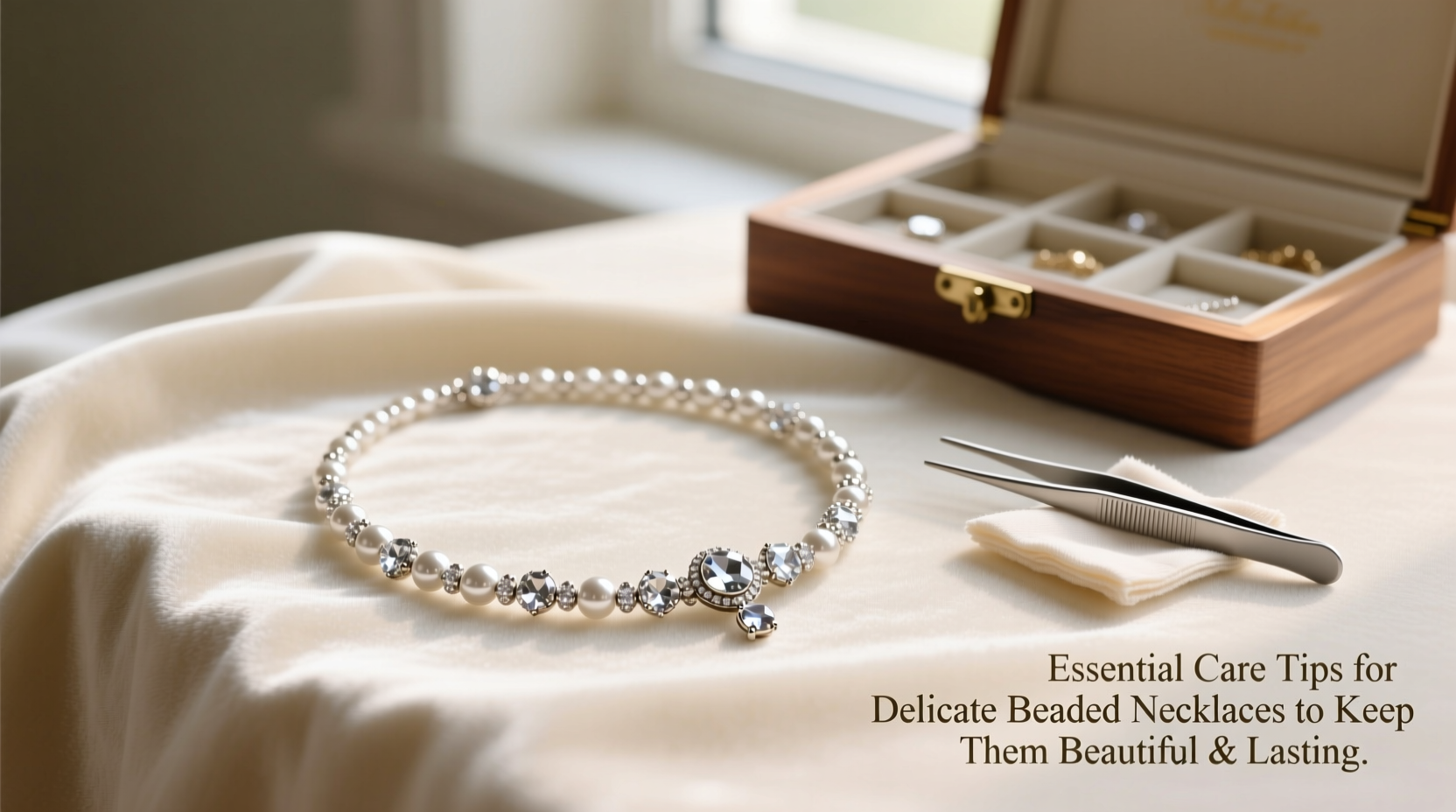
Beaded necklaces come in countless variations, each with unique vulnerabilities. Recognizing the materials used is the first step toward proper care.
- Pearls: Organic and porous, susceptible to acids, perfumes, and perspiration.
- Glass or crystal beads: Can scratch easily and may crack under sudden temperature changes.
- Semiprecious stones (e.g., amethyst, turquoise):strong> Some absorb oils and chemicals; turquoise is particularly sensitive to moisture.
- Seed beads (often glass or plastic): Tiny and tightly strung, prone to thread wear over time.
The stringing method also plays a crucial role. Necklaces may be strung on silk, nylon, elastic, or metal wire. Silk is traditional for pearls but degrades faster when exposed to moisture. Nylon is durable but can stretch. Elastic is convenient but loses elasticity and risks snapping. Metal wire resists stretching but can kink or fatigue at bends.
“Knowing your necklace’s construction is as important as knowing its material. A broken clasp or frayed thread often starts long before it becomes visible.” — Lena Torres, Jewelry Conservator at the Metropolitan Museum of Art
Step-by-Step: How to Clean Beaded Necklaces Safely
Cleaning should be gentle, infrequent, and tailored to the materials involved. Over-cleaning causes more harm than good.
- Inspect the necklace first. Check for loose beads, frayed threads, or weakened clasps. If any damage is present, do not clean until repairs are made.
- Use a soft, lint-free cloth. Gently wipe each bead, starting from the clasp and moving outward. Avoid abrasive fabrics like paper towels.
- Dampen only if necessary. For non-porous beads (like glass or hard gemstones), lightly moisten the cloth with distilled water. Never submerge the necklace.
- Avoid all liquids for organic beads. Pearls and coral should never be soaked. Wipe only with a dry cloth after wearing.
- Let air-dry flat. If dampened, lay the necklace on a towel away from direct light or heat. Never hang it while wet—this stresses the thread.
- Never use commercial jewelry cleaners on beaded pieces. Harsh chemicals can degrade adhesives, discolor beads, or weaken threads.
Storage: Protecting Your Necklace When Not in Use
Improper storage is one of the leading causes of bead damage. Tangled chains, crushed beads, and stretched cords often result from careless placement.
| Do | Don't |
|---|---|
| Store flat in a padded jewelry box or fabric-lined tray | Hang necklaces for long-term storage (can stretch threads) |
| Use individual soft pouches for each piece | Store multiple necklaces together (causes tangling and abrasion) |
| Keep in a cool, dry place away from sunlight | Leave near windows or heaters (UV and heat fade colors) |
| Lay pearl strands flat or on a ring stand | Store pearls in plastic bags (traps moisture and damages nacre) |
For long-term preservation, consider placing silica gel packets in your jewelry drawer to reduce humidity. However, ensure they don’t touch the beads directly.
Maintenance Checklist: Monthly Care Routine
Regular inspection prevents small issues from becoming irreversible damage. Follow this simple checklist once a month:
- ✔️ Examine each bead for looseness or cracks
- ✔️ Check the clasp and jump rings for wear or bending
- ✔️ Inspect the stringing thread or wire for fraying or thinning
- ✔️ Wipe gently with a dry microfiber cloth
- ✔️ Rotate wear to prevent stress on the same section
- ✔️ Re-string delicate pieces every 1–2 years, especially if worn frequently
Re-stringing is not just cosmetic—it’s preventive. Silk-threaded necklaces, for example, benefit from professional re-stringing annually. A jeweler can replace worn knots between pearls and check clasp integrity.
Real Example: The Heirloom Pearl Strand
A client brought in a 50-year-old pearl necklace that had been worn weekly by three generations. Despite its age, the luster remained remarkable. The secret? Consistent care: the family wiped it after every use, stored it flat in a satin pouch, and re-strung it every 18 months. The original silk thread had been replaced multiple times, but the pearls themselves were intact and radiant. In contrast, another strand of similar age arrived with broken knots, cracked beads, and a tarnished clasp—worn daily without cleaning or rotation, stored in a jumbled drawer. The difference wasn’t luck—it was routine.
FAQ: Common Questions About Beaded Necklace Care
Can I wear my beaded necklace in the shower or pool?
No. Water weakens adhesives, stretches threads, and can cause metal components to corrode. Porous beads like turquoise or howlite may absorb water and chemicals, leading to discoloration or cracking. Always remove before bathing or swimming.
How often should I have my necklace re-strung?
For silk or nylon stringing, re-string every 12–18 months if worn regularly. Even if the thread looks fine, internal wear can compromise strength. For less frequent wear, every 2–3 years is acceptable. Wire-strung pieces require inspection every 2 years for kinks or metal fatigue.
Why did my black onyx beads start fading?
Fading can occur due to prolonged UV exposure or contact with lotions and oils. Some black beads are dyed, and the color may bleed or fade over time. Store away from light and clean only with a dry cloth to preserve finish.
Final Thoughts: Honor the Craft, Preserve the Beauty
A beaded necklace carries more than aesthetic value—it holds memories, craftsmanship, and intention. Every knot, every polished bead reflects hours of meticulous work. Treating it with care isn’t just about preservation; it’s a form of respect for the artistry behind it.
By integrating simple habits—gentle cleaning, mindful storage, and regular inspections—you extend not just the life of the necklace, but its story. Whether it’s a vintage heirloom or a modern handmade design, your attention today ensures it remains a cherished piece for years to come.
💬 Have a favorite beaded necklace? Share your care routine or ask a question in the comments—let’s build a community of mindful jewelry lovers.