In recent seasons, fashion has seen a quiet but unmistakable revival: embroidered bags. Once relegated to vintage boutiques and bohemian closets, these intricately stitched accessories have reemerged on runways, street styles, and influencer feeds. From delicate floral motifs to bold geometric patterns, embroidery is no longer just decoration—it’s a statement. But with this resurgence comes a practical question: Are embroidered bags actually better than their plain counterparts? Or is this trend more about aesthetics than function?
The answer isn’t simple. While embroidered bags offer undeniable visual appeal and craftsmanship, plain bags still hold advantages in versatility, maintenance, and longevity. To truly understand where each type stands today, it's essential to examine design, durability, cost, cultural significance, and personal use.
The Resurgence of Embroidery in Fashion Accessories
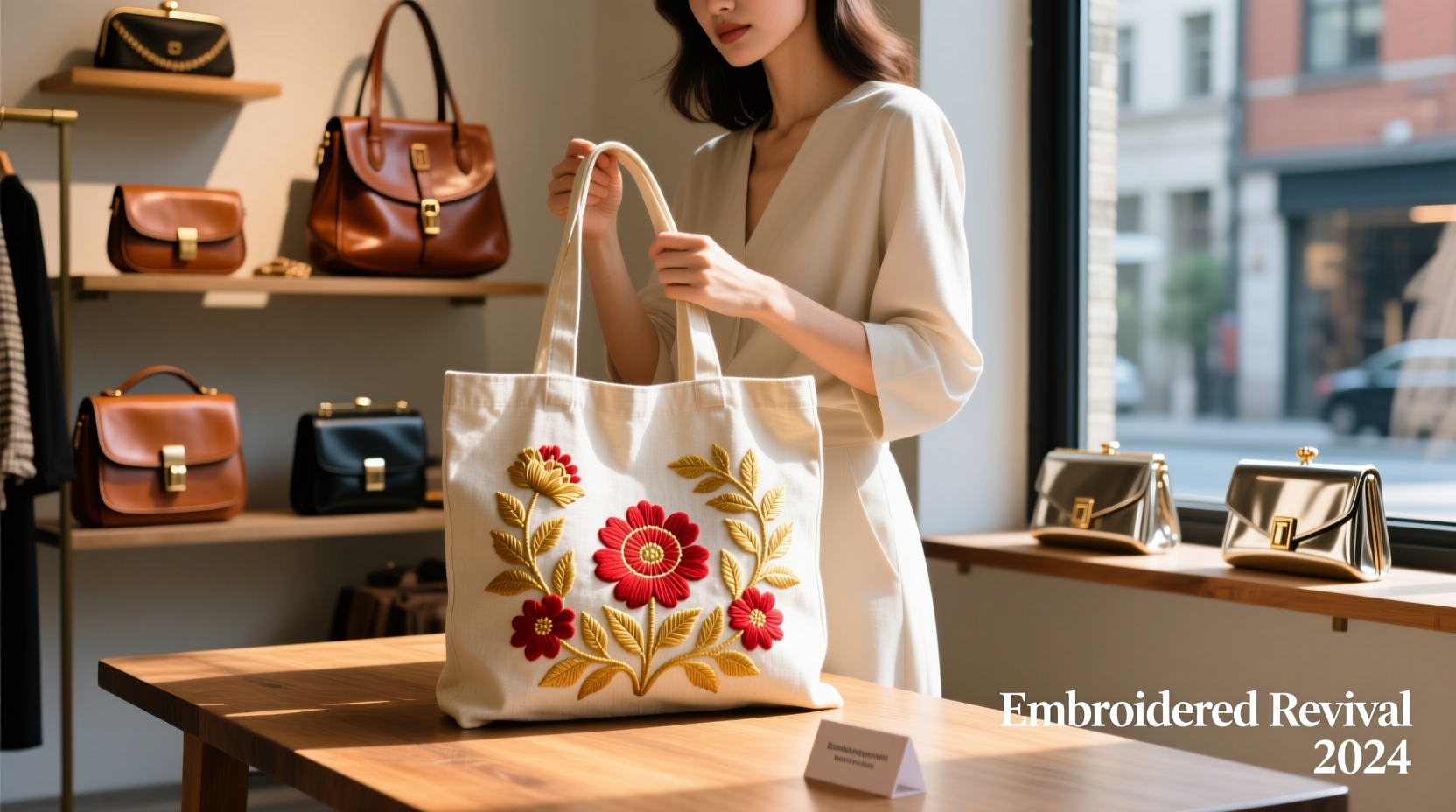
Fashion cycles are predictable in their unpredictability. What was once considered outdated often returns with renewed relevance. Embroidery, a centuries-old textile art, never fully disappeared—but its integration into modern handbags signals a shift toward personalized, artisanal design. Designers like Gucci, Simone Rocha, and Loewe have embraced hand-stitched details, elevating embroidery from folk craft to high fashion.
This revival aligns with broader consumer trends: a growing appreciation for slow fashion, unique storytelling through clothing, and resistance to mass-produced minimalism. In a world saturated with identical leather totes and logo-heavy satchels, an embroidered bag offers individuality. Each stitch can represent heritage, regional identity, or even political expression—something a solid black tote simply cannot convey.
Tip: When choosing an embroidered bag, consider the narrative behind the pattern—many brands now collaborate with local artisans, supporting ethical production.Design & Aesthetic Appeal: Art vs. Minimalism
At first glance, the primary advantage of embroidered bags lies in their visual richness. Where plain bags rely on cut, color, or hardware for impact, embroidered versions use texture, color variation, and narrative detail to stand out. This makes them ideal statement pieces—perfect for elevating a neutral outfit or adding personality to minimalist wardrobes.
However, aesthetic superiority depends on context. A sleek, unadorned leather crossbody remains timeless and professional, suitable for office environments or formal events. In contrast, an embroidered clutch may feel too bold or informal in conservative settings. The choice often comes down to lifestyle alignment rather than objective quality.
That said, modern embroidery techniques have evolved. Many contemporary designs integrate subtle tonal stitching—monochrome florals, micro-patterns—that offer texture without overwhelming. These hybrid styles bridge the gap between decorative and wearable, allowing consumers to enjoy craftsmanship without sacrificing sophistication.
Durability and Maintenance: Practical Considerations
Beyond looks, functionality matters. One common concern with embroidered bags is durability. Threads, especially if made from cotton or silk, can fray over time when exposed to friction, moisture, or UV light. If not properly reinforced during manufacturing, embroidery may loosen or detach after prolonged use.
Conversely, plain bags—particularly those made from full-grain leather or coated canvas—are generally easier to clean and maintain. They resist scratches better and don't risk thread damage from regular handling. However, advancements in synthetic threads (like polyester and rayon) have improved the resilience of embroidered designs, making them more viable for daily wear.
| Feature | Embroidered Bags | Plain Bags |
|---|---|---|
| Visual Impact | High – unique, artistic | Moderate – relies on shape/color |
| Durability | Medium – depends on thread & backing | High – less surface vulnerability |
| Cleaning Ease | Low – spot cleaning only | High – wipeable surfaces |
| Versatility | Low to Medium – occasion-specific | High – fits multiple settings |
| Lifespan (with care) | 5–7 years | 7–10+ years |
“Embroidered bags require thoughtful care, but when preserved correctly, they become heirlooms—not just accessories.” — Lena Torres, Textile Conservator at the Museum of Fashion Arts
A Real-World Example: From Festival to Office
Take Sarah, a graphic designer based in Portland, who purchased a hand-embroidered linen tote from a sustainable brand last summer. Initially drawn to its vibrant mountain-floral design, she used it frequently at farmers’ markets and weekend getaways. Over six months, she noticed minor fraying along the edge of the embroidery where her keys rubbed against the fabric.
Instead of discarding it, she contacted the maker, who offered a repair service. The bag was sent back, re-stitched, and returned with a protective inner lining added. Now, Sarah rotates it seasonally—using it mainly in spring and fall—and stores it in a breathable cloth pouch. Her experience highlights both the vulnerabilities and potential longevity of embroidered bags when supported by responsible brands and user diligence.
Step-by-Step Guide to Caring for Your Embroidered Bag
To maximize the lifespan of an embroidered bag, follow this care routine:
- Inspect Weekly: Check for loose threads or areas of abrasion, especially near straps or zippers.
- Spot Clean Only: Use a damp microfiber cloth and mild soap; never machine wash or submerge.
- Avoid Moisture: Keep away from rain and humidity. If wet, air-dry flat—never use heat.
- Rotate Usage: Limit daily wear to prevent excessive stress on stitched areas.
- Store Properly: Place in a cotton dust bag, away from direct sunlight and plastic enclosures.
- Professional Refresh: Every 1–2 years, consider professional cleaning or re-stitching for high-value pieces.
Are Embroidered Bags Better Than Plain Bags?
\"Better\" depends on what you value. If your priority is low-maintenance reliability and timeless elegance, plain bags remain superior. They adapt seamlessly across seasons, withstand heavy use, and age gracefully. Their simplicity ensures they won’t clash with evolving trends or personal style shifts.
But if you seek self-expression, cultural connection, or investment in artisan work, embroidered bags offer something deeper. They reflect intentionality. They support smaller workshops and preserve traditional crafts. And yes, they turn heads.
Moreover, in an era where sustainability and authenticity are prized, owning a bag with visible human touch—each stitch slightly imperfect, uniquely placed—carries emotional weight. It’s not just a container; it’s a conversation piece.
FAQ
Can I wear an embroidered bag every day?
Possibly, but not ideally. Daily wear increases exposure to friction, spills, and weather. For everyday practicality, reserve embroidered bags for semi-regular use and rotate with sturdier plain options.
Do embroidered bags cost more than plain ones?
Generally, yes. Hand embroidery adds labor costs, and many are produced in limited runs. Expect a 20–50% price increase compared to similar plain models from the same brand.
Are all embroidered bags handmade?
No. While luxury brands often use hand-stitching, many affordable embroidered bags are machine-made. Look for terms like “hand-embroidered” or “artisan-crafted” if authenticity matters to you.
Checklist: Choosing Between Embroidered and Plain Bags
- ✅ Define your primary use: daily commute, travel, evening events?
- ✅ Assess your willingness to perform regular maintenance.
- ✅ Consider how much you value uniqueness versus versatility.
- ✅ Evaluate budget—embroidered styles often come at a premium.
- ✅ Research the brand’s sourcing and repair policies.
- ✅ Try both styles in person to judge comfort and proportion.
Conclusion
Embroidered bags aren’t inherently better than plain ones—they’re different. Their resurgence reflects a cultural desire for meaning, artistry, and individuality in fashion. Yet, plain bags retain their place as functional, enduring staples. The smartest approach isn’t choosing one over the other, but curating a balanced collection: a trusted leather tote for Monday meetings, and a vividly stitched crossbody for Saturday adventures.
Fashion thrives on contrast. Let your accessories reflect that. Whether you choose embroidery or minimalism, do so with awareness, care, and intention. After all, the best bag isn’t the trendiest or most expensive—it’s the one that feels truly yours.
💬 What’s your take? Do embroidered bags deserve a permanent spot in your wardrobe, or do plain styles win for practicality? Share your thoughts and styling tips in the comments below!








