
In recent years, a quiet but noticeable shift has taken place in the hiking community. While backpacks have long been the default choice for trail enthusiasts, an increasing number of hikers are opting for duffel bags—especially on shorter trips, thru-hikes with resupply points, or adventure travel that blends hiking with other modes of transport. This trend isn’t just about aesthetics; it reflects deeper changes in how people approach outdoor adventures. Lightweight gear, minimalist packing, and multi-modal journeys are reshaping preferences. But is the duffel really better than the backpack? And if so, under what conditions?
The answer lies not in declaring one superior overall, but in understanding context. Each bag serves different needs, and the growing popularity of duffels signals a broader evolution in hiking culture—one where flexibility, comfort, and simplicity often outweigh rigid functionality.
Why Duffel Bags Are Gaining Ground
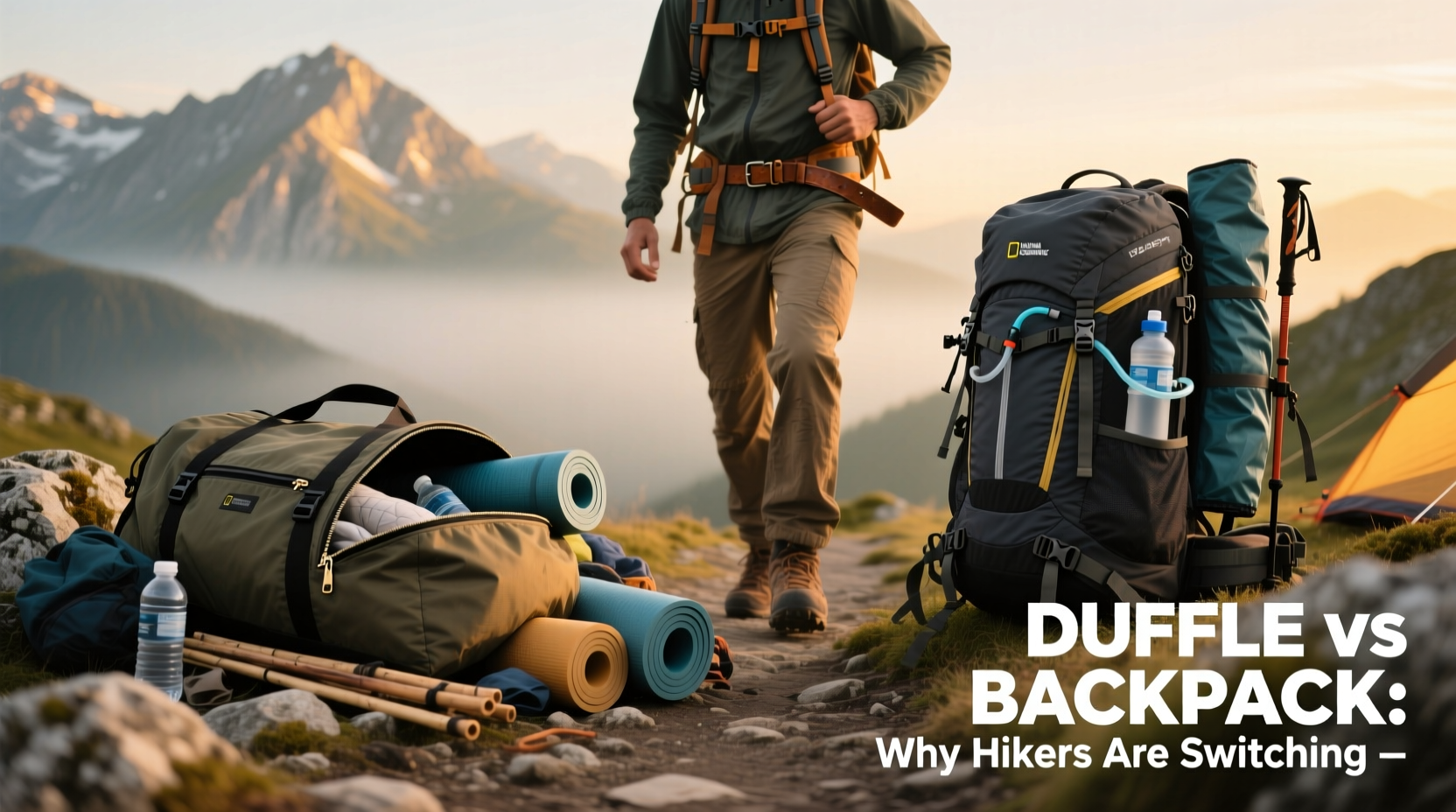
Backpacks have dominated hiking for decades because they distribute weight efficiently across the hips and shoulders, offer multiple access points, and integrate well with technical gear like hydration systems and trekking poles. Yet duffel bags are carving out space, particularly among ultralight hikers, van-lifers, and those tackling long-distance trails with frequent town stops.
One major reason is comfort. Many hikers report shoulder and back strain after days of wearing traditional packs—even high-end models with load-bearing frames. Duffels eliminate this by shifting the burden to wheels or porters during transit between trailheads. On the trail itself, when carried, their simple design reduces pressure points. They’re also easier to pack quickly, especially for those who don’t need constant access to layers or snacks mid-hike.
Another factor is versatility. A rugged duffel can transition seamlessly from trailhead to hostel to kayak without looking out of place. It doubles as luggage, fits better in crowded vehicles, and stores more easily at campsites or guesthouses. For international trekkers moving between flights, buses, and footpaths, this fluidity matters far more than having 15 external pockets.
Tip: If using a duffel on extended hikes, choose one with removable shoulder straps and reinforced handles for adaptability.A Closer Look: Backpack vs Duffel – Key Differences
| Feature | Backpack | Duffel Bag |
|---|---|---|
| Weight Distribution | Excellent (hip belt + frame) | Poor unless carried with straps or sling |
| Access to Gear | Top, front, side, hip-level zippers | Limited (usually top-only opening) |
| Packing Speed | Moderate (requires organization) | Fast (dump-and-go style) |
| Durability | High (ripstop nylon, reinforced stitching) | Varies (some expedition-grade duffels match backpacks) |
| Versatility Off-Trail | Low (bulky, specialized look) | High (functions as travel luggage) |
| Comfort Over Long Distances | Generally superior | Depends on carrying method |
This comparison shows that neither option wins outright. However, for weekend trips, shuttle hikes, or supported treks where gear is shuttled ahead or transported intermittently, the duffel’s strengths become decisive.
The Rise of the “Hike-and-Travel” Lifestyle
Modern adventurers aren’t just hiking���they’re combining trails with urban exploration, public transit, and digital nomadism. In such scenarios, a sleek duffel slips into a café unnoticed, while a full-size backpack screams “outdoor enthusiast.” This subtle social advantage shouldn’t be underestimated. Carrying a duffel allows hikers to move through cities and hostels without standing out, reducing theft risk and increasing comfort in mixed environments.
“More of our customers now want gear that works both on the Appalachian Trail and in a Lisbon Airbnb. The duffel bridges that gap.” — Lena Torres, Outdoor Product Designer at TerraNomad Gear Co.
When a Duffel Makes Sense: Real-World Scenarios
Consider Sarah, a thru-hiker attempting the John Muir Trail with a support vehicle. She carries only essentials daily in a small daypack, while her main gear travels in a waterproof duffel stored in the van. At each campsite, she retrieves clothes, sleeping bag, and food—all kept dry and organized in compression sacks inside the duffel. Her experience is stress-free: no readjusting hip belts, no digging through compartments, no worrying about snagged zippers.
Or take Mark, a European traveler doing the Tour du Mont Blanc. He stays in mountain huts each night, resupplies regularly, and takes trains between segments. His 50L duffel rolls smoothly through train stations, fits under bunk beds, and never requires checking at baggage counters. When he does carry it short distances between stops, he uses a padded strap conversion kit. For him, the backpack would have added unnecessary complexity.
These examples highlight a crucial insight: the duffel shines in situations where hiking is part of a larger journey—not the sole focus.
How to Switch Smartly: A Step-by-Step Guide
Moving from backpack to duffel requires adjustment. Here’s how to make the transition smoothly:
- Evaluate your typical trip type: Are you doing unsupported wilderness treks or town-connected routes? Duffels suit the latter.
- Choose the right size: 40–60 liters is ideal for most multi-day hikes. Larger sizes work for basecamping or gear-heavy trips.
- Invest in modular packing: Use dry bags or stuff sacks to organize gear within the duffel for easy retrieval.
- Add carrying solutions: Get a duffel with detachable padded shoulder straps or a crossbody sling option.
- Test before committing: Try the duffel on a short overnighter to assess comfort and accessibility.
Checklist: Is a Duffel Right for Your Hiking Style?
- ✅ Do you hike trails with regular road access or resupply points?
- ✅ Do you combine hiking with other forms of travel (bus, train, car-sharing)?
- ✅ Do you prioritize quick packing over granular organization?
- ✅ Are you willing to carry heavier loads on your shoulder occasionally?
- ✅ Do you value low-profile gear that doesn’t scream “tourist”?
If you answered yes to most of these, a duffel could enhance your experience. If not, stick with a backpack—it remains unmatched for true backcountry immersion.
Frequently Asked Questions
Can I use a duffel bag for a week-long backpacking trip?
Yes, but only if the trail allows for logistical support—such as shuttles, porters, or lodging with storage. Without consistent rest days or transport options, accessing gear and managing weight will become challenging.
Are duffel bags durable enough for rugged terrain?
High-quality expedition duffels made from materials like Cordura or VX21 are extremely tough. Look for features like double-stitched seams, water-resistant coatings, and reinforced bottoms. Avoid lightweight gym-style duffels for serious hiking.
What’s the best way to carry a duffel on rough trails?
Use a convertible strap system: attach padded shoulder straps diagonally across the chest, or carry it as a large tote with gloves if the handle isn’t reinforced. Some brands offer harness kits specifically for this purpose.
Conclusion: Choose Based on Purpose, Not Popularity
The shift toward duffel bags reflects a maturing outdoor culture—one that values adaptability, comfort, and real-world practicality over tradition. But this doesn’t mean backpacks are obsolete. Far from it. They remain essential tools for remote, self-supported expeditions where every ounce and access point counts.
The key is intentionality. Ask yourself: What kind of hiking do I actually do? Am I logging miles deep in the wilderness, or am I weaving trails into a broader life of movement and exploration? Your answer determines whether the quiet revolution in duffel adoption applies to you.
💬 Have you switched from backpack to duffel—or stuck with your pack? Share your story and help others decide what works best for their journey.