Digital screens are now an inseparable part of modern life. From work to leisure, most adults spend upwards of six to ten hours a day staring at computers, smartphones, and tablets. With this increased screen time comes a growing concern: digital eye strain. Symptoms like dry eyes, blurred vision, headaches, and neck pain have become common complaints. In response, blue light-blocking glasses have surged in popularity, promising relief and better sleep. But do they actually work? What does the scientific evidence say? This article examines the research, separates fact from marketing hype, and provides practical guidance for those considering blue light glasses.
Understanding Digital Eye Strain
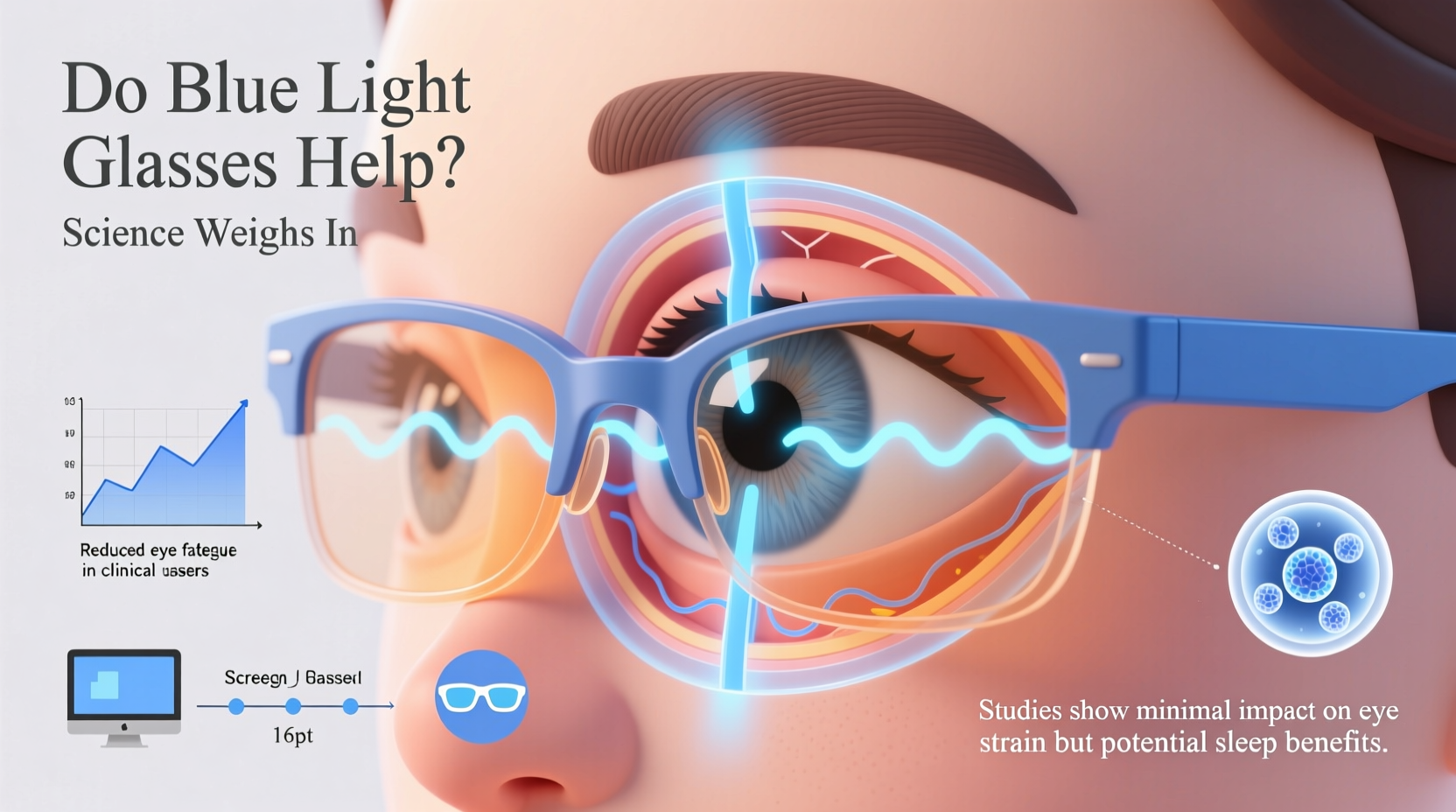
Digital eye strain, also known as computer vision syndrome, refers to a group of eye and vision-related problems resulting from prolonged screen use. The American Optometric Association lists symptoms including:
- Eye fatigue and discomfort
- Dry or irritated eyes
- Blurred or double vision
- Headaches
- Neck and shoulder pain
- Difficulty focusing after screen use
The root causes are multifaceted. Staring at a screen reduces blink rate by up to 60%, leading to dryness. Poor ergonomics, glare, uncorrected vision issues, and extended focus without breaks all contribute. While blue light is often blamed, it's only one factor among many.
Tip: Follow the 20-20-20 rule—every 20 minutes, look at something 20 feet away for at least 20 seconds to reduce eye fatigue.What Is Blue Light—and Why Does It Matter?
Blue light is part of the visible light spectrum, ranging from about 380 to 500 nanometers (nm) in wavelength. It’s naturally emitted by the sun and plays a key role in regulating circadian rhythms—our internal body clock. Exposure to blue light during the day helps maintain alertness and mood.
However, artificial sources such as LED screens, fluorescent lighting, and energy-efficient bulbs also emit significant amounts of blue light. The concern arises when exposure continues into the evening, potentially disrupting melatonin production and delaying sleep onset.
Not all blue light is harmful. Shorter wavelengths (around 415–455 nm) are considered high-energy visible (HEV) light and are more likely to contribute to retinal stress over time. Longer blue wavelengths (465–500 nm) are less energetic and may even support cognitive function.
“While excessive blue light at night can interfere with sleep, there’s limited evidence that typical daytime screen exposure causes permanent eye damage.” — Dr. Laura Hein, Clinical Optometrist and Vision Researcher
Do Blue Light Glasses Actually Work?
Blue light glasses are designed to filter or block a portion of blue light before it reaches the eyes. They typically feature lenses with amber, yellow, or clear coatings that selectively absorb or reflect specific wavelengths.
The scientific consensus is nuanced. Here's what studies reveal:
1. Sleep Quality Improvement
The strongest evidence supporting blue light glasses relates to sleep. A 2020 study published in *Chronobiology International* found that participants who wore blue light-blocking glasses for three hours before bedtime experienced significantly improved melatonin levels and sleep quality compared to controls. Another trial showed a 58% increase in melatonin and faster sleep onset in individuals using amber-tinted lenses.
This makes sense physiologically: blocking blue light in the evening mimics natural darkness, signaling the brain to prepare for rest.
2. Limited Impact on Digital Eye Strain
When it comes to reducing eye strain during the day, results are less convincing. A 2021 systematic review in *Ophthalmic & Physiological Optics* analyzed 17 clinical trials and concluded that “there is no strong evidence that blue light-filtering spectacles reduce digital eye strain symptoms under normal daylight viewing conditions.”
In controlled lab settings, some users report subjective improvements, but these often appear linked to placebo effects or concurrent behavioral changes—like taking more breaks or adjusting screen brightness.
3. No Proven Protection Against Retinal Damage
Despite marketing claims, there is no conclusive human evidence that blue light from screens causes macular degeneration or long-term retinal damage. Laboratory studies exposing retinal cells to intense blue light exist, but these conditions don’t reflect real-world screen use. The American Academy of Ophthalmology states that “blue light from digital devices does not lead to eye disease.”
4. Placebo and Perceived Benefits
Many users report feeling more comfortable wearing blue light glasses. This isn’t trivial—perception matters. If someone believes their glasses help, they may unconsciously adopt healthier screen habits, such as blinking more or stepping away from the monitor.
However, relying solely on glasses without addressing underlying causes—like poor posture, screen glare, or uncorrected refractive errors—can delay meaningful interventions.
Comparing Blue Light Solutions: What Works Best?
| Solution | Effectiveness for Eye Strain | Effectiveness for Sleep | Scientific Support |
|---|---|---|---|
| Blue light glasses (amber tint) | Moderate (subjective) | High | Strong for sleep, weak for eye strain |
| Screen night mode / blue light filters | Low to moderate | Moderate | Moderate (especially when used consistently) |
| 20-20-20 rule + ergonomic setup | High | None | Strong |
| Artificial tears for dry eyes | High | None | Strong |
| Room lighting adjustments | Moderate | None | Moderate |
As shown, behavioral and environmental changes tend to offer more reliable relief than passive tools like glasses alone.
Real-World Example: Sarah’s Experience
Sarah, a 34-year-old graphic designer, began experiencing frequent headaches and difficulty falling asleep after transitioning to full-time remote work. She purchased blue light glasses advertised as “clinically proven” to reduce eye strain.
Initially, she felt better—but within two weeks, her symptoms returned. After consulting an optometrist, she discovered her prescription hadn’t been updated in three years, and her monitor was positioned too close to her face, creating glare from overhead lights.
She adjusted her workspace, got new corrective lenses, started using lubricating eye drops, and applied the 20-20-20 rule. Her eye strain improved dramatically. She continued wearing blue light glasses in the evenings, which helped her sleep—but realized they weren’t the primary solution.
Sarah’s case illustrates a common pattern: people seek quick fixes, but lasting relief often requires a holistic approach.
Actionable Checklist: Reducing Digital Eye Strain
Instead of relying solely on blue light glasses, consider implementing these evidence-based strategies:
- Optimize your workspace: Position your screen 20–28 inches from your eyes, with the top at or slightly below eye level.
- Reduce glare: Use matte screen filters, adjust room lighting, and avoid sitting with windows behind you.
- Blink consciously: Remind yourself to blink fully and frequently to prevent dry eyes.
- Use artificial tears: Preservative-free drops can relieve dryness caused by reduced blinking.
- Take regular breaks: Apply the 20-20-20 rule every hour to relax your eye muscles.
- Adjust screen settings: Increase text size, contrast, and use dark mode where comfortable.
- Limit screen time before bed: Avoid bright screens for at least one hour before sleep—or use night mode.
- Wear blue light glasses in the evening: If you must use screens at night, amber-tinted glasses may support better sleep.
- Get regular eye exams: Ensure your prescription is up to date and rule out underlying conditions.
- Stay hydrated: Dehydration can worsen dry eye symptoms.
Frequently Asked Questions
Can blue light glasses damage your eyes?
No, blue light glasses are safe to wear. There is no evidence they cause harm. However, relying on them instead of addressing vision problems or poor ergonomics could delay proper treatment.
Are clear lens blue light glasses effective?
Clear lenses with blue light coatings typically block only 10–20% of blue light, mostly in the higher energy range. Their impact is minimal compared to amber-tinted lenses, which can block up to 65%. For daytime use, clear lenses may offer slight comfort without altering color perception.
Should children wear blue light glasses?
There is no strong evidence supporting routine use in children. Instead, focus on limiting recreational screen time, encouraging outdoor activity, and ensuring proper lighting during homework. If a child shows signs of eye strain, consult a pediatric optometrist.
Expert Insight: A Balanced Perspective
“The rise of blue light glasses reflects genuine concern about screen overuse—but we risk oversimplifying a complex issue. Eye strain is rarely about light color alone. It’s about how long we stare, how often we blink, and whether our visual system is properly supported. Glasses can be part of the solution, especially at night, but they’re not a cure-all.” — Dr. Rajiv Mehta, Professor of Optometry at Northeastern University
This perspective underscores the importance of critical thinking when evaluating health products. Marketing often amplifies benefits while downplaying limitations. Consumers should weigh convenience against evidence and prioritize interventions with broader health impacts.
Conclusion: A Practical Path Forward
So, do blue light glasses help with digital eye strain? The science suggests they offer modest, context-dependent benefits. They are most effective when worn in the evening to support melatonin production and improve sleep quality. During the day, their impact on eye strain is minimal compared to proven strategies like taking breaks, optimizing screen position, and managing dry eyes.
If you're considering blue light glasses, think of them as one tool among many—not a standalone fix. Pair them with good visual hygiene, proper lighting, and regular eye checkups. For nighttime screen use, especially in dim environments, they may be worth trying. For daytime relief, focus on behavior and environment first.
Digital eye strain is a modern challenge, but it doesn’t require futuristic solutions. Often, the most effective remedies are simple, low-cost, and grounded in decades of ophthalmic research. By combining smart habits with selective use of technology, you can protect your vision, comfort, and sleep—without falling for every trend.
💬 Have you tried blue light glasses? Did they help your eye strain or sleep? Share your experience in the comments and help others make informed decisions.