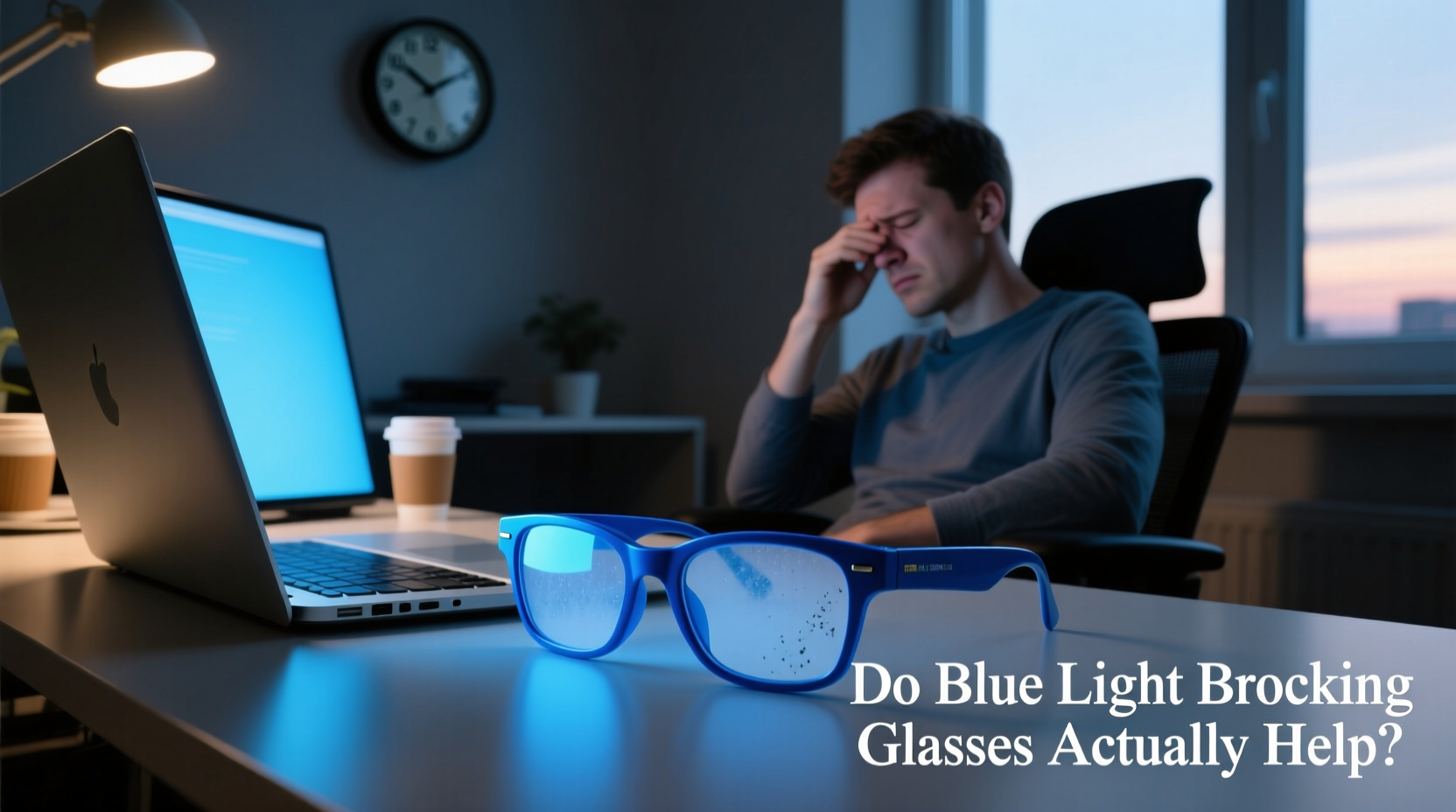
In an era where most people spend upwards of 8 to 10 hours a day in front of digital screens—laptops, smartphones, tablets, and monitors—the conversation around digital eye strain has intensified. One solution that’s gained widespread popularity is blue light blocking glasses. Marketed as a way to reduce eye fatigue, improve sleep, and protect vision, these tinted or clear-lensed glasses have become a staple for remote workers, gamers, and late-night scrollers alike. But do they actually work? And if so, under what conditions? This article dives into the science, separates fact from marketing hype, and offers practical guidance on whether these glasses are worth your investment.
The Science Behind Blue Light and Eye Strain
Digital screens emit a spectrum of visible light, with a notable peak in the blue-violet range (approximately 415–455 nm). Blue light has shorter wavelengths and higher energy than other visible light, which contributes to its ability to scatter more easily in the eye. This scattering can lead to glare and reduced visual contrast, potentially contributing to eye discomfort during prolonged screen use.
However, it's important to distinguish between two types of blue light: high-energy visible (HEV) blue light and longer-wavelength blue-turquoise light. The former is often blamed for retinal damage over time, while the latter plays a role in regulating circadian rhythms. Most blue light blocking glasses target HEV light, aiming to reduce exposure during evening screen use.
Despite popular belief, research suggests that blue light itself is not the primary cause of digital eye strain. According to the American Academy of Ophthalmology (AAO), symptoms like dry eyes, blurred vision, headaches, and neck pain stem largely from how we use screens—not the light they emit. Factors such as poor posture, infrequent blinking, uncorrected vision problems, and extended focus without breaks play a far greater role.
“While blue light may affect sleep patterns, there’s no conclusive evidence that it causes eye strain or long-term eye damage.” — Dr. Rahul Khurana, Clinical spokesperson for the American Academy of Ophthalmology
What Does the Research Say About Blue Light Glasses?
Several studies have examined the impact of blue light filtering lenses on visual comfort and sleep quality. A 2020 meta-analysis published in *Ophthalmic & Physiological Optics* reviewed 17 clinical trials and found that blue light-blocking glasses had minimal to no significant effect on reducing symptoms of eye strain compared to placebo lenses.
However, some users report subjective improvements in comfort, especially when using devices at night. This may be due to a placebo effect or the slight increase in contrast provided by amber-tinted lenses, which can make text appear sharper against bright backgrounds.
More promising results emerge in the context of sleep. A study in the *Journal of Adolescent Health* showed that teenagers who wore blue light-blocking glasses in the evening experienced improved melatonin production and fell asleep faster. Since blue light suppresses melatonin—a hormone critical for sleep regulation—filtering it out in the hours before bedtime may support better sleep hygiene.
Tip: If you're considering blue light glasses primarily for nighttime screen use, opt for amber-tinted lenses, which block more blue light than clear coatings.Alternatives That Actually Reduce Eye Strain
If blue light isn’t the main culprit behind screen-related eye discomfort, what should you focus on instead? Experts agree that behavioral and environmental adjustments are far more effective than relying on special eyewear.
Follow the 20-20-20 Rule
Every 20 minutes, take a 20-second break to look at something 20 feet away. This simple habit helps relax the eye’s focusing muscles and reduces fatigue caused by sustained near work.
Optimize Your Workspace Lighting
Harsh overhead lighting or glare from windows can create contrast issues, forcing your eyes to work harder. Use indirect, soft lighting and position your screen perpendicular to windows to minimize reflections.
Blink More Often
People blink about half as frequently when staring at screens, leading to dry, irritated eyes. Make a conscious effort to blink fully and regularly, or consider using artificial tears if dryness persists.
Adjust Screen Settings
- Lower brightness to match ambient light levels.
- Increase text size to reduce squinting.
- Use dark mode or night shift features to reduce overall screen intensity.
Get a Comprehensive Eye Exam
Uncorrected vision problems—such as mild astigmatism or presbyopia—can exacerbate eye strain. Even if you don’t think you need glasses, an annual eye exam can detect subtle issues that contribute to discomfort during screen use.
When Blue Light Glasses Might Be Worth It
While they aren't a cure-all for eye strain, blue light blocking glasses may offer benefits in specific scenarios:
- Night Shift Workers: Individuals working late hours on computers may benefit from wearing amber-tinted glasses to preserve melatonin levels and maintain circadian rhythm stability.
- Heavy Evening Screen Users: If you routinely use screens within one to two hours of bedtime, filtering blue light could improve sleep onset and quality.
- Light-Sensitive Individuals: Some people with migraines or chronic eye discomfort report relief from tinted lenses, though this varies widely by individual.
It’s also worth noting that anti-reflective coatings—often included in blue light glasses—can reduce glare and improve visual clarity. So even if the blue light filtering aspect is questionable, the optical quality of the lens matters.
Mini Case Study: Remote Worker Finds Relief Through Routine, Not Glasses
Sophie, a 32-year-old software developer, began experiencing daily headaches and dry eyes after transitioning to full-time remote work. She purchased blue light glasses after seeing influencer endorsements online but noticed little improvement. Frustrated, she consulted an optometrist, who recommended adjusting her monitor height, using the 20-20-20 rule, and adding a humidifier to combat dry office air. Within two weeks, her symptoms decreased significantly. “The glasses didn’t do much,” she said, “but changing my habits made all the difference.”
Choosing the Right Option: A Practical Checklist
If you’re still considering blue light blocking glasses, use this checklist to make an informed decision:
Checklist: Evaluating Blue Light Glasses- ☑ Determine your primary goal: reducing eye strain, improving sleep, or both?
- ☑ Look for lenses that block at least 50% of blue light in the 400–450 nm range (check product specs).
- ☑ Consider lens color: amber or red tints are more effective at night; clear coatings are subtle but less potent.
- ☑ Prioritize anti-reflective and anti-glare properties for daytime comfort.
- ☑ Ensure the frames fit comfortably for extended wear.
- ☑ Consult your eye doctor, especially if you already wear prescription lenses.
Comparison Table: Blue Light Glasses vs. Proven Eye Strain Solutions
| Approach | Effectiveness for Eye Strain | Scientific Support | Cost |
|---|---|---|---|
| Blue light blocking glasses | Low to moderate (mostly subjective) | Limited | $20–$150 |
| 20-20-20 rule | High | Strong | Free |
| Ergonomic screen setup | High | Strong | Low (adjustments) to $$ (equipment) |
| Anti-reflective coating | Moderate | Moderate | $$ (part of lens package) |
| Artificial tears for dry eyes | High (for dryness) | Strong | $5–$15 |
Frequently Asked Questions
Can blue light glasses damage your eyes?
No, there is no evidence that blue light blocking glasses cause harm to the eyes. They simply filter certain wavelengths of light. However, relying on them instead of addressing underlying ergonomic or vision issues could delay proper treatment.
Are blue light glasses necessary if my device has a night mode?
Not necessarily. Features like Night Shift (iOS), Blue Light Filter (Android), or f.lux (desktop) reduce blue light emission and may provide similar benefits. For daytime use, these settings are often sufficient, making dedicated glasses redundant for many users.
Do I need a prescription to get blue light glasses?
No. Many blue light glasses are available over-the-counter. However, if you require vision correction, consider getting prescription lenses with a blue light coating from an optometrist for optimal clarity and comfort.
Conclusion: Focus on Habits, Not Hype
Blue light blocking glasses are unlikely to be a magic solution for digital eye strain. While they may support better sleep when worn in the evening, their impact on eye fatigue is marginal at best. The real keys to comfortable screen use lie in how you interact with your devices—not the accessories you wear.
Instead of spending money on trendy eyewear, invest time in building sustainable habits: take regular breaks, optimize your workspace, blink consciously, and get regular eye checkups. These strategies are backed by decades of research and cost nothing but attention.
If you do choose to try blue light glasses, treat them as a supplementary tool—not a replacement for good screen hygiene. And remember: the health of your eyes depends far more on your behavior than on the color of your lenses.
💬 Have you tried blue light glasses? Did they help with eye strain or sleep? Share your experience in the comments—your insights could help others decide what works best.