For millions of visitors, a trip to a Disney park isn’t complete without donning some form of character-inspired headwear. Whether it’s a full Minnie Mouse costume hat, a Goofy-themed bucket cap, or the iconic red-polka-dot Mickey ears, what you wear on your head becomes part of the magic. But beyond aesthetics, comfort matters—especially when spending 10 to 12 hours on your feet in humid Florida heat or bustling California crowds. So, are Mickey ears headbands genuinely more comfortable than traditional costume hats? The answer, backed by design, material science, and thousands of guest reports, leans heavily toward yes.
Design and Fit: Why Structure Matters
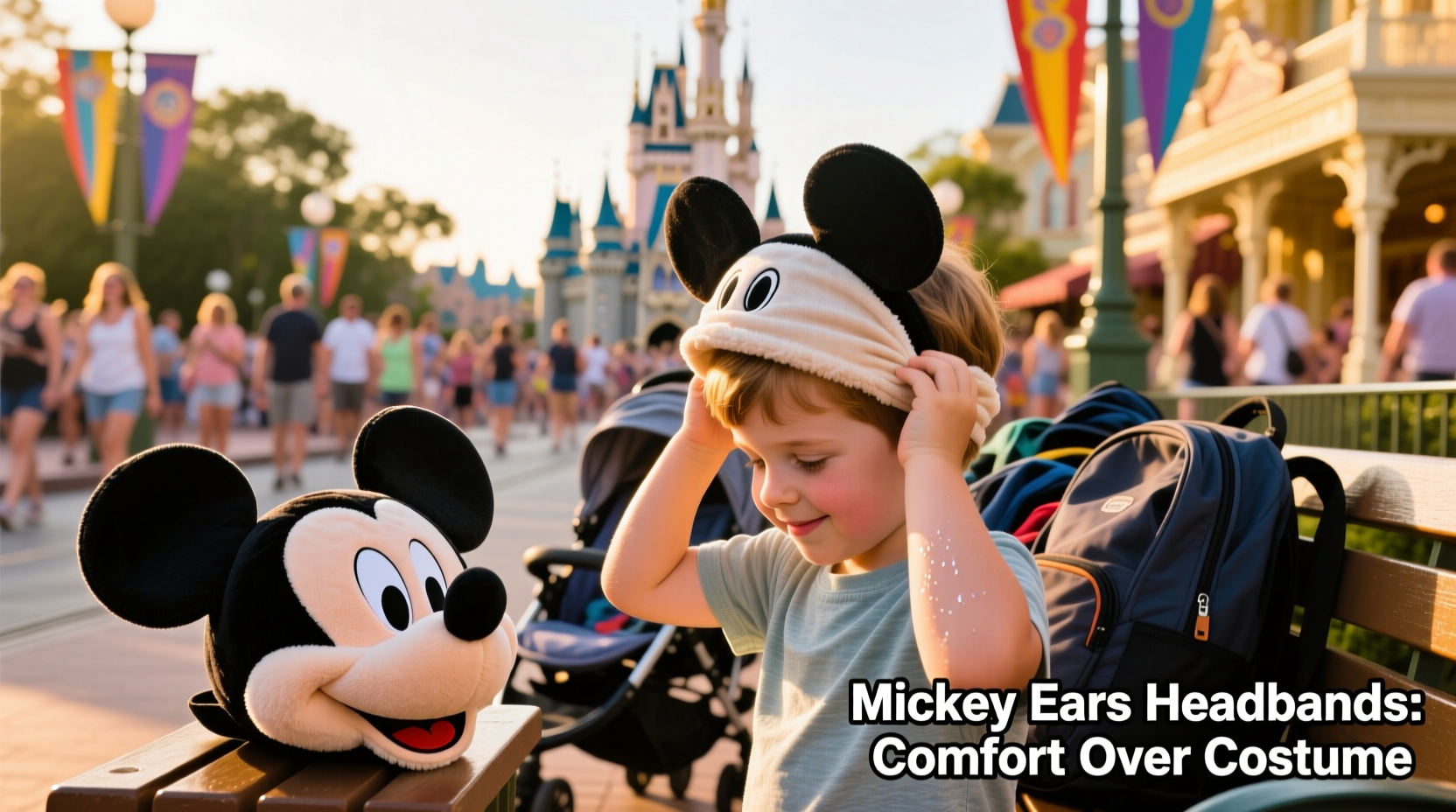
The fundamental difference between Mickey ears headbands and most costume hats lies in their structure. Mickey ears consist of two soft fabric-covered foam circles mounted on a flexible plastic or wire headband. This minimalist design allows for airflow, minimal weight, and adaptability to various head sizes. In contrast, costume hats—such as those styled after Donald Duck, Captain Hook, or even full princess tiaras with veils—often feature rigid brims, enclosed crowns, or dense fabric layers that trap heat and pressure.
Because Mickey ears sit lightly on the crown of the head without encircling the entire skull, they avoid common discomfort zones like the forehead, temples, and back of the neck. Costume hats, especially those made from polyester blends or stiffened fabrics, frequently cause friction points and restrict natural scalp ventilation.
Tip: If you're sensitive to pressure behind the ears, choose Mickey ears with padded bands or silicone grips—they reduce slippage and pinch.Material Composition and Breathability
Mickey ears are typically constructed using lightweight foam (often EVA or polyurethane), covered in breathable cotton, polyester-spandex blends, or fuzzy plush fabric. These materials flex with movement and wick moisture better than the thick, laminated, or non-porous textiles used in many costume hats.
Costume hats often prioritize visual accuracy over comfort. A pirate hat may use molded plastic interiors; a princess hood might incorporate non-breathable satin linings. Even seemingly fun options like Pooh Bear beanies can become sweaty traps after an hour in direct sun. The open-back design of most Mickey ear headbands allows heat to escape from the nape of the neck, a small but significant advantage during long park days.
“Guest comfort is embedded in the design DNA of the classic Mickey ears. They’re engineered to stay put without squeezing, heating, or chafing.” — Dr. Lena Torres, Theme Park Ergonomics Researcher, University of Central Florida
Comfort Comparison: Head-to-Head Analysis
| Feature | Mickey Ears Headbands | Typical Costume Hats |
|---|---|---|
| Weight | Light (approx. 50–80g) | Moderate to heavy (100–300g) |
| Airflow | High – open back and top exposure | Low – enclosed crown and brim |
| Adjustability | Flexible band conforms to head size | Limited – one-size or fixed straps |
| Heat Retention | Minimal | Significant, especially under sun |
| Durability During Long Wear | Excellent – low fatigue over 8+ hours | Fair to poor – frequent readjustment needed |
Real Guest Experience: A Day at Magic Kingdom
Sarah M., a visitor from Chicago, brought both a pair of glittery Minnie Mouse ears and a Tinker Bell-themed costume hat on her recent trip to Walt Disney World. She wore the Tinker Bell hat first, drawn to its whimsical green fabric and feather accent. By mid-morning, however, she reported headaches from the tight band and sweat buildup along her hairline. After switching to the Minnie ears, she noted immediate relief. “The second pair didn’t press anywhere. I could run to catch a parade, stand in line for Space Mountain, and not once did I have to fix them,” she said. Her experience mirrors countless others shared in online forums like TouringPlans and Reddit’s r/disneyparks.
This case highlights a recurring theme: novelty wears off quickly when physical discomfort sets in. While costume hats make bold fashion statements, they rarely win the endurance test required by a full day in the parks.
Practical Tips for Maximizing Comfort
Even within the category of Mickey ears, comfort levels vary. Not all headbands are created equal. Here’s how to choose wisely:
- Look for padded bands: Some official Disney ears include cushioned inner bands or silicone strips to prevent slipping and reduce pressure.
- Avoid glued-on embellishments: Oversized bows or jewels attached with weak adhesive can shift and create imbalance.
- Try before you buy: If visiting a store like Big Top Souvenirs or Creations Shop, test the fit. Wiggle the band gently—it shouldn’t dig into your skin.
- Consider DIY options: Many fans create custom ears using memory foam bases and breathable fabrics, achieving superior comfort and personalization.
Step-by-Step: Choosing the Right Headwear for Your Visit
- Assess your planned activities: Will you be riding roller coasters, standing in long lines, or attending evening fireworks? High-motion rides favor secure, lightweight options.
- Check the weather forecast: Humidity and temperatures above 85°F (29°C) make breathability essential.
- Measure your head circumference: Most adult headbands fit 21–23 inches. If you're outside this range, look for adjustable or custom-fit versions.
- Prioritize material: Cotton, spandex, and mesh-backed designs offer better moisture management than 100% polyester.
- Test stability: Shake your head gently in the store. The ears should stay in place without tightening excessively.
Frequently Asked Questions
Can kids wear Mickey ears comfortably?
Yes, and often more easily than adults. Children’s Mickey ears are scaled down in size and weight, making them ideal for small heads. Many parents report that toddlers forget they’re even wearing them, which speaks volumes about their comfort level.
Do Mickey ears stay on during rides?
Most do, especially newer models with silicone grips or elastic undersides. However, high-speed coasters like Guardians of the Galaxy: Cosmic Rewind may dislodge loosely fitted pairs. For thrill rides, consider securing them with a clear retention band or storing them in a pocket.
Are there medical reasons to prefer headbands over hats?
Yes. Guests with sensory sensitivities, migraines, or scalp conditions (like psoriasis or dermatitis) often find full hats intolerable due to pressure and heat. The minimal contact of Mickey ears makes them a recommended alternative by several disability advocacy groups focused on inclusive travel.
Final Verdict: Comfort Wins Over Costume
The enduring popularity of Mickey ears isn’t just nostalgia—it’s functional design meeting emotional appeal. While costume hats serve well for photo ops or short appearances, they fall short in ergonomics and endurance. Mickey ears, through decades of subtle refinement, have evolved into the optimal blend of whimsy and wearability.
They don’t just look good on camera; they perform well under real-world conditions. From material choice to structural simplicity, every aspect supports prolonged comfort. For anyone planning a full day in the parks—especially with children, elderly companions, or mobility considerations—the Mickey ears headband isn’t just tradition. It’s the smarter, more comfortable choice.
🚀 Ready to upgrade your park experience? Swap the stiff hat for a pair of well-designed Mickey ears and feel the difference by lunchtime. Share your favorite comfy pair in the comments below!