Car pendants have long been more than just decorative accessories—they’re personal statements. Whether dangling from a rearview mirror or mounted discreetly on a console, they reflect taste, sentiment, and sometimes, status. Among the most debated choices in this niche is whether to go for a diamond-accented pendant or stick with a classic plain design. The allure of sparkle is undeniable, but so is the premium price tag. So, is the bling truly worth it?
This decision isn’t just about aesthetics—it involves budget, longevity, maintenance, and even resale value. By examining craftsmanship, emotional appeal, practicality, and expert insights, we can determine when diamonds add genuine value and when simplicity wins.
Understanding the Appeal: Why Choose a Diamond Pendant?
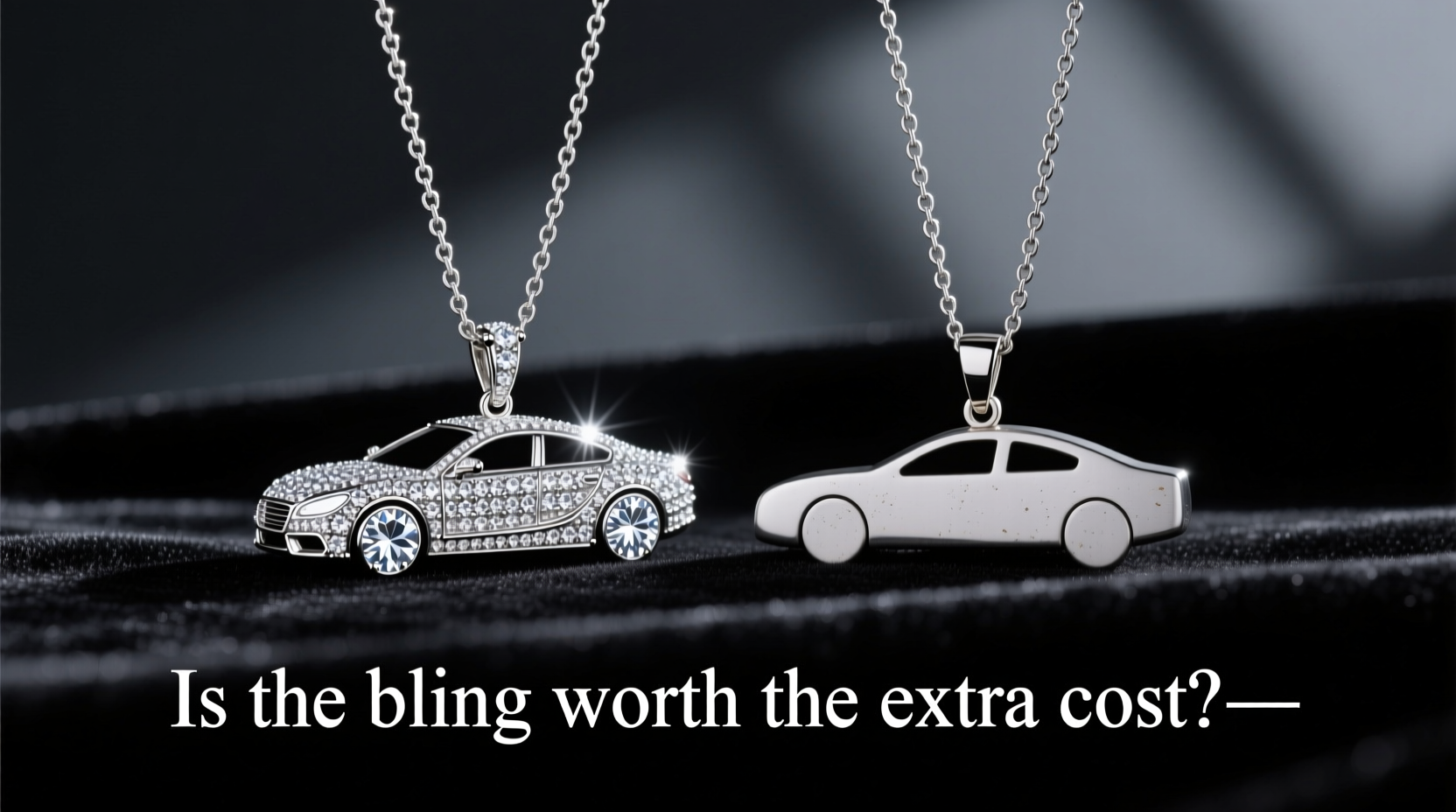
Diamonds have always symbolized luxury, permanence, and elegance. In the context of car pendants, their appeal lies in both visual impact and perceived prestige. A well-cut diamond accent can catch sunlight during daytime drives or reflect ambient light at night, creating subtle brilliance that plain metal or enamel designs simply can’t replicate.
Manufacturers often use lab-grown diamonds or micro-pave settings to keep costs manageable while still offering that signature shimmer. These are not typically gem-grade stones, but they serve the purpose of enhancing visual interest without requiring a six-figure investment.
For many drivers, especially those who take pride in customizing their vehicles, a diamond pendant elevates the interior from functional to refined. It’s akin to wearing a designer watch—small details that speak volumes about attention to detail.
Tip: If you're considering a diamond pendant, verify whether the stones are natural, lab-created, or cubic zirconia—this affects both cost and durability.Plain Pendants: Understated Elegance With Practical Benefits
On the flip side, plain car pendants—crafted from stainless steel, titanium, leather, wood, or minimalist alloys—offer a different kind of sophistication. Their strength lies in versatility and resilience. Without fragile stone settings, they’re less prone to chipping, loosening, or damage from temperature shifts inside a vehicle.
A sleek geometric pendant or a symbolic charm (like a cross, hamsa, or spiritual emblem) conveys meaning without demanding attention. They blend seamlessly into any car interior, whether it's a sporty coupe or a family SUV. Moreover, plain pendants tend to be easier to clean and maintain, requiring only occasional wiping with a soft cloth.
From a psychological standpoint, minimalism has gained traction across lifestyle domains. Many consumers now favor \"quiet luxury\"—designs that whisper rather than shout. A plain pendant fits this philosophy perfectly: timeless, durable, and focused on form over flash.
“Luxury isn’t always about sparkle. Sometimes it’s defined by restraint, quality materials, and intentional design.” — Marcus Lin, Automotive Interior Designer at Luxura Interiors
Cost Comparison: Breaking Down the Price Difference
The financial gap between diamond and plain pendants can range from modest to substantial. Here’s a realistic breakdown based on market trends in 2024:
| Type | Average Price Range | Material Quality | Lifespan (Est.) |
|---|---|---|---|
| Plain Metal Pendant | $25 – $75 | Stainless steel, brass, or titanium | 5–10 years |
| Leather/Wood Pendant | $30 – $90 | Genuine leather, teak, or sandalwood | 3–7 years |
| Diamond-Accented Pendant | $120 – $400+ | Sterling silver or gold-plated base with lab diamonds | 4–8 years (depends on setting integrity) |
| Premium Custom Diamond Pendant | $500 – $1,500+ | White gold/platinum with certified micro-diamonds | 8–12+ years with care |
As shown, diamond pendants start at nearly double the entry-level price of basic models. The added cost covers not just the stones, but also precision setting labor, higher-grade metals to support the design, and often, brand licensing or artisan craftsmanship.
Real-World Example: Two Drivers, Two Choices
Consider two individuals: Sarah, a corporate attorney who values subtlety, and James, a music producer known for his bold style.
Sarah chose a brushed titanium oval pendant engraved with her initials. She wanted something professional, durable, and meaningful without drawing stares. After 18 months of daily use—including summer heatwaves and winter cold snaps—the pendant shows no tarnish or wear. She spends less than a minute cleaning it once a month.
James opted for a rose gold cross pendant with 18 lab-grown diamonds totaling 0.30 carats. He loves how it glimmers under LED cabin lights. However, after nine months, one stone became loose due to vibration exposure. He had it repaired for $45—a minor cost, but an unexpected maintenance need he hadn’t anticipated.
Their experiences highlight a key truth: the best choice depends on lifestyle, priorities, and willingness to maintain delicate features.
When the Bling Is Worth It (And When It’s Not)
There are specific scenarios where investing in a diamond pendant makes sense—and others where it’s an unnecessary expense.
- Worth It: For special occasions (e.g., anniversary gifts), high-end vehicle interiors, or as part of a curated luxury accessory collection.
- Not Worth It: For daily commuter cars, harsh climates, or if the driver frequently transports children or pets who might tug at the pendant.
Diamonds also hold more value when set securely in high-quality metal frames with protective prongs or bezels. Avoid pieces where stones are glued or set in thin plating—these degrade quickly under UV exposure and thermal cycling common in parked vehicles.
Step-by-Step Guide: Choosing the Right Pendant for Your Needs
- Define your purpose: Is it sentimental, decorative, or symbolic?
- Assess your driving habits: Do you drive daily in extreme temperatures?
- Set a realistic budget: Decide how much you’re willing to spend upfront and potentially on future repairs.
- Evaluate materials: Prioritize corrosion-resistant metals and secure stone settings if choosing diamonds.
- Test visibility and distraction: Ensure the pendant doesn’t obstruct your view or create glare.
- Check return policies: Buy from reputable sellers offering warranties or repair services.
Frequently Asked Questions
Do diamond car pendants lose their sparkle over time?
Yes, especially if exposed to dust, oils from hands, or condensation buildup. Regular cleaning with a soft, lint-free cloth helps preserve shine. Lab diamonds retain brilliance longer than cubic zirconia, which can cloud over time.
Can I insure a diamond car pendant?
While standalone pendants are rarely covered under auto insurance, they may be included under personal property coverage in homeowner’s or renter’s insurance. High-value items should be listed as scheduled personal property for full protection.
Are there safety concerns with hanging pendants?
In some jurisdictions, dangling objects that obstruct the driver’s view can result in fines. Always ensure the pendant is short enough (typically under 3 inches below the mirror) and does not interfere with windshield visibility.
Final Checklist Before You Buy
- ✅ Confirm the material composition (metal type, diamond authenticity)
- ✅ Check customer reviews for durability and craftsmanship
- ✅ Measure pendant length to comply with local driving regulations
- ✅ Verify warranty or repair options
- ✅ Consider ease of removal (for security or cleaning)
- ✅ Match the pendant style to your car’s interior aesthetic
Conclusion: Shine Smart, Not Just Bright
The choice between a diamond and plain car pendant ultimately comes down to what you value most—durability and discretion, or glamour and statement-making flair. While diamonds offer undeniable allure, they come with trade-offs in cost, maintenance, and fragility. Plain pendants, though less flashy, often deliver better long-term performance and broader compatibility with real-world driving conditions.
If you decide on diamonds, invest wisely: choose reputable brands, insist on secure settings, and commit to upkeep. If you lean toward simplicity, celebrate the elegance of understatement—sometimes the most powerful statements are made in silence.
💬 Have you made the switch from plain to diamond—or vice versa? Share your experience and help others decide what shines brightest for their ride.