Choosing the right watch band isn't just about aesthetics—it's a decision that impacts comfort, longevity, and value. Among the most debated options are diamond-adorned bands versus classic metal bracelets. One promises glamour and prestige; the other, resilience and practicality. But which one truly delivers long-term satisfaction? Is the shimmer of diamonds enough to justify their premium price, or does the unassuming strength of a metal band make it the smarter investment?
This comparison goes beyond surface appeal. It touches on material science, daily wearability, maintenance demands, and even lifestyle compatibility. Whether you're investing in a luxury timepiece or upgrading an everyday favorite, understanding the trade-offs between diamond and metal bands is essential.
Diamond Watch Bands: Glamour with Responsibility
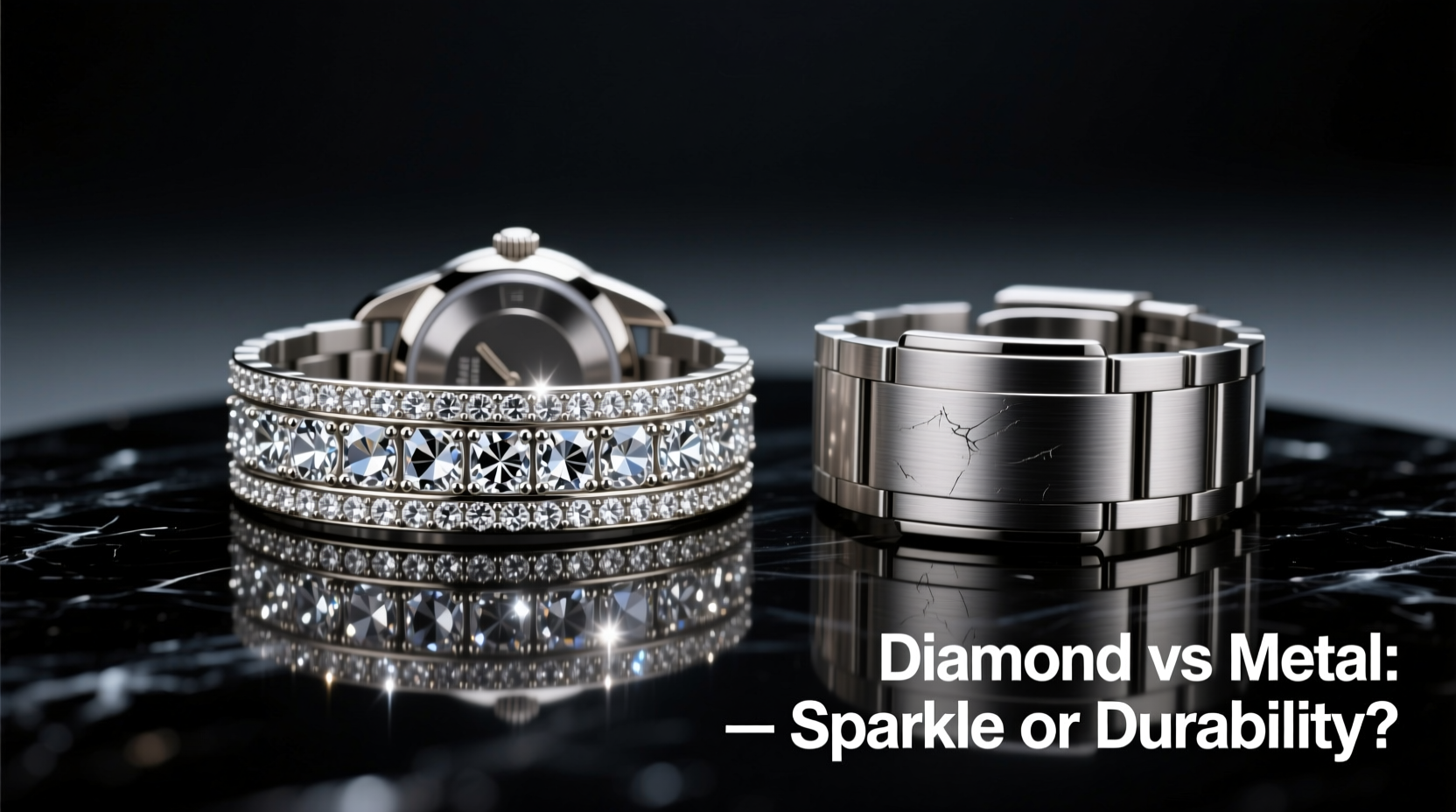
Diamond watch bands exude luxury. Whether fully paved with stones or accented along the links, they transform a timepiece into a statement of elegance and status. These bands are often associated with high-end brands like Rolex, Cartier, and Audemars Piguet, where craftsmanship meets opulence.
However, this brilliance comes at a cost—both financial and practical. A fully diamond-set bracelet can double or even triple the price of a watch. The stones themselves may be small (often melee diamonds under 0.10 carats), but the labor involved in setting them securely adds significant value.
Beyond cost, diamond bands demand careful handling. While diamonds are the hardest natural substance on Earth (ranking 10 on the Mohs scale), the metal settings that hold them are not. Over time, prongs can loosen, especially with frequent impact or exposure to harsh conditions, risking stone loss.
Tip: Have your diamond-set band professionally inspected every 6–12 months to ensure all stones are secure and settings intact.Metal Watch Bands: Built for Daily Wear
Metal bands—typically crafted from stainless steel, titanium, gold, or platinum—are engineered for endurance. They resist scratches, maintain structural integrity, and age gracefully with proper care. Unlike leather or fabric straps, metal doesn’t degrade from moisture, sweat, or UV exposure, making it ideal for active lifestyles.
Stainless steel, the most common choice, offers excellent corrosion resistance and tensile strength. Titanium, though less scratch-resistant, is lighter and hypoallergenic. Precious metals like gold or platinum add luxury without the fragility of gemstone settings.
One of the biggest advantages of metal bands is adjustability. Most feature removable links, allowing precise sizing without tools. This adaptability enhances comfort across seasons and activities, something diamond bands often lack due to fixed designs and delicate settings.
“Metal bracelets represent the backbone of functional luxury in horology. They combine form and function in a way few other materials can.” — Daniel Hartman, Watchmaker & Horology Instructor
Comparative Breakdown: Diamond vs Metal Bands
| Feature | Diamond Band | Metal Band |
|---|---|---|
| Durability | High risk of stone loosening; vulnerable to impact damage | High resistance to wear, corrosion, and deformation |
| Lifespan | 5–10 years with regular maintenance | 15+ years with minimal care |
| Cost | $2,000–$20,000+ depending on carat weight and setting | $300–$2,000 for standard models |
| Maintenance | Professional cleaning and inspection required every 6–12 months | Occasional polishing and link adjustments |
| Style Impact | High visual appeal; ideal for formal events | Timeless, versatile; suits both casual and dressy occasions |
| Repair Complexity | Requires gemologist; costly repairs | Simple link removal or replacement by any jeweler |
Real-Life Scenario: Choosing Based on Lifestyle
Consider Sarah, a corporate lawyer who frequently travels and attends evening galas. She owns two watches: a sleek platinum-cased timepiece with a full diamond bracelet and a sportier model with a brushed stainless steel Oyster-style band.
For client dinners and black-tie events, she wears the diamond band—it complements her attire and reinforces her professional image. However, during weekdays, airport transits, or gym visits, she switches to the metal band. “I love the sparkle,” she says, “but I don’t want to risk damaging thousands of dollars’ worth of stones just because my suitcase hits my wrist.”
Sarah’s approach reflects a growing trend: owning multiple bands for different contexts. This modular strategy maximizes both enjoyment and longevity.
Tip: Invest in a second, durable metal band for daily use—even if your primary is diamond-set. It preserves the luxury piece and extends its life.Step-by-Step Guide to Maintaining Your Watch Band
- Assess Your Usage: Determine how often you’ll wear the watch and in what environments (office, travel, sports).
- Choose Material Accordingly: Opt for metal if durability is key; reserve diamonds for special occasions.
- Schedule Inspections: For diamond bands, book biannual check-ups with a certified jeweler.
- Clean Gently: Use a soft brush and mild soapy water for metal bands. Avoid ultrasonic cleaners for diamond-set pieces unless approved by a professional.
- Store Separately: Keep your watch in a padded box, away from other jewelry to prevent scratches or impacts.
- Rotate When Possible: Alternate between bands to reduce wear and extend service intervals.
Expert Insight: The Long-Term View
While diamonds captivate, professionals emphasize sustainability. “Clients often underestimate how much daily micro-impacts affect gem settings,” explains Lena Torres, a master jeweler with over 20 years of experience. “A diamond band worn daily might need re-tipping within five years. That’s added cost and downtime.”
She adds: “If you’re looking for lasting value, a well-made metal band ages beautifully. Patina, minor scratches—they tell a story. Diamonds, once loose or damaged, lose both function and emotional resonance.”
Frequently Asked Questions
Can I wear a diamond watch band every day?
Possibly, but not recommended for active lifestyles. Daily wear increases the risk of stone loss or setting damage. Reserve diamond bands for formal or low-impact occasions.
Do metal bands scratch easily?
All metals scratch, but stainless steel and titanium resist better than softer metals like gold. Brushed finishes hide scratches more effectively than polished ones.
Are diamond watch bands a good investment?
Not typically. Unlike standalone diamond jewelry, watch-integrated stones rarely appreciate. Their value is aesthetic, not financial. The resale value of a diamond band is often significantly lower than its original cost.
Checklist: Choosing the Right Band for You
- ✅ Define your primary use: daily wear, formal events, or both?
- ✅ Set a realistic budget—including future maintenance costs
- ✅ Evaluate your activity level: do you work out, travel, or work with your hands?
- ✅ Consider owning multiple bands for versatility
- ✅ Prioritize secure settings if choosing diamonds (e.g., bezel over prong)
- ✅ Test comfort: metal bands should fit snugly without pinching
Final Verdict: Sparkle vs Substance
The allure of a diamond watch band is undeniable. It catches light, commands attention, and elevates any outfit. But that sparkle comes with strings attached—higher cost, greater maintenance, and reduced resilience.
Metal bands, while less flashy, offer unmatched durability, lower lifetime cost, and timeless appeal. They’re designed to endure decades of wear, adapting seamlessly to life’s rhythms.
In the end, the choice isn’t about which is objectively better—it’s about alignment with your lifestyle. If you value heirloom quality and practical elegance, metal wins. If you crave standout glamour for special moments, a diamond band has its place—just treat it as an accessory, not a workhorse.
💬 What kind of watch band do you prefer—and why? Share your thoughts, experiences, or questions in the comments below. Let’s build a conversation around smart, stylish choices that last.








