When shopping for a clover bracelet—especially one symbolizing luck, love, or personal milestones—the decision often comes down to two options: a natural diamond version or a cubic zirconia alternative. The price gap can be dramatic, sometimes stretching into thousands of dollars. But does that higher cost translate into meaningful benefits? For many buyers, the answer isn’t simply about sparkle—it’s about long-term value, emotional significance, and practical wearability.
This article breaks down the real differences between diamond and zircon clover bracelets, evaluates whether the premium is justified, and helps you decide which option aligns best with your budget, lifestyle, and expectations.
Understanding the Materials: Diamond vs. Cubic Zirconia
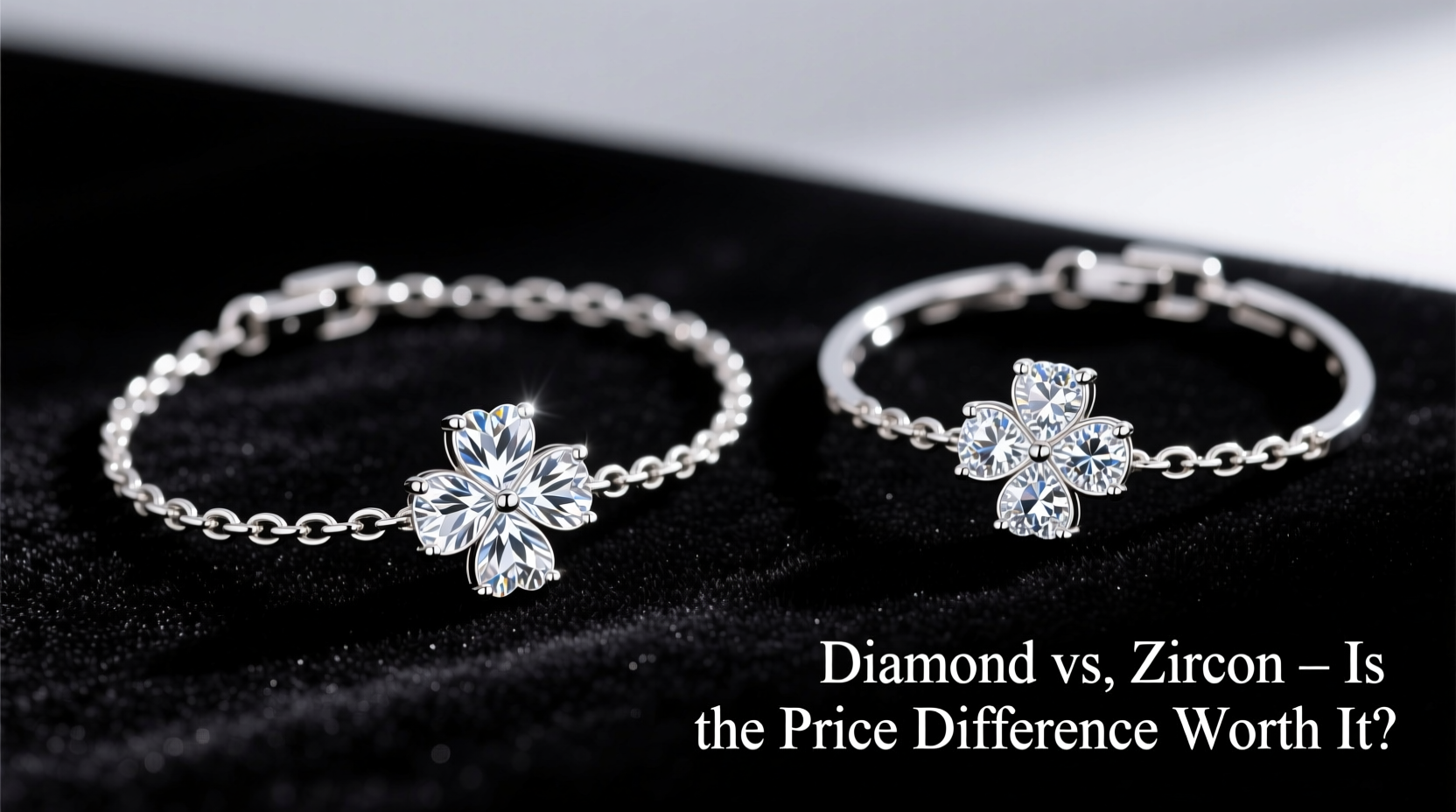
The core distinction lies in what each stone actually is. Natural diamonds are formed deep within the Earth over millions of years under intense heat and pressure. They rank 10 on the Mohs hardness scale, making them the hardest known natural material. Their brilliance, fire (dispersion of light), and rarity contribute to their enduring status as symbols of luxury and permanence.
Cubic zirconia (CZ), on the other hand, is a lab-created synthetic gemstone made from zirconium dioxide. It's designed to mimic the appearance of a diamond but at a fraction of the cost. While CZ scores between 8 and 8.5 on the Mohs scale, it lacks the structural resilience and optical complexity of a true diamond. Over time, CZ stones may develop scratches, lose their luster, or show cloudiness due to surface wear.
“Diamonds aren't just about beauty—they're about endurance. A well-cut diamond retains its fire and clarity for generations.” — Laura Bennett, GIA-Certified GemologistTip: Always ask for certification when purchasing a diamond piece. Look for reports from GIA or AGS to verify authenticity and quality.
Price Comparison: What You’re Actually Paying For
The cost disparity between diamond and zircon clover bracelets is significant. A typical 14K gold clover bracelet set with small natural diamonds might range from $1,800 to $4,000 depending on carat weight, cut, and metal purity. In contrast, a nearly identical-looking CZ version could cost between $150 and $400.
So where does that extra money go?
- Material Rarity: Natural diamonds require mining, sorting, cutting, and certification—all costly processes.
- Labor & Craftsmanship: Diamond settings demand precision. Each stone must be individually secured using techniques like prong or bezel setting, increasing labor costs.
- Long-Term Value: Diamonds hold resale value; CZ does not. Over decades, this becomes a financial consideration beyond initial purchase price.
- Prestige Factor: For some buyers, owning a genuine diamond carries emotional and symbolic weight that no synthetic substitute can replicate.
Diamond vs. Zircon Clover Bracelet: Key Differences at a Glance
| Feature | Diamond Clover Bracelet | Zircon (CZ) Clover Bracelet |
|---|---|---|
| Material Origin | Natural gemstone | Synthetic lab-grown |
| Hardness (Mohs) | 10 | 8–8.5 |
| Brightness & Fire | Natural brilliance, subtle dispersion | High initial sparkle, more \"flashy\" |
| Durability Over Time | Resistant to scratching and clouding | May scratch, dull, or yellow over time |
| Average Price (14K Gold) | $1,800 – $4,000+ | $150 – $400 |
| Resale Value | Moderate to high (depending on specs) | Negligible |
| Ideal For | Investment, heirlooms, special occasions | Fashion wear, temporary gifts, budget styling |
When the Diamond Premium Makes Sense
For certain buyers, investing in a diamond clover bracelet is clearly worthwhile. Consider these scenarios:
- You Want an Heirloom Piece: If the bracelet is meant to be passed down through generations, only a durable, timeless material like diamond will maintain its integrity and sentimental value.
- Daily Wear Is Expected: Those with active lifestyles need jewelry that withstands friction, moisture, and impact. Diamond’s superior hardness ensures longevity even with frequent use.
- Symbolism Matters: Engagement gifts, milestone birthdays, or anniversary presents often carry deeper meaning. A real diamond reinforces the message of lasting commitment.
- Future Resale or Trade-In: High-quality diamond pieces retain value. Even if resold at a loss, they recover far more than CZ alternatives ever could.
Real Example: Emma’s Decision
Emma wanted a clover bracelet to celebrate her five-year work anniversary. She had two options: a CZ piece for $220 or a modest diamond version for $2,600. Initially drawn to the lower price, she consulted a jeweler who explained how daily office wear—including typing and hand sanitizer exposure—could degrade the CZ finish within a year. She chose the diamond model. Three years later, the bracelet still looks pristine, and her company recognized her dedication by featuring it in an internal story. “I didn’t just buy jewelry,” she said. “I bought confidence that wouldn’t fade.”
When Zircon Is the Smarter Choice
That doesn’t mean zircon is inherently inferior. For many consumers, it’s the more practical and responsible option. Cubic zirconia excels in situations where appearance matters most in the short term.
- Fashion-Forward Styling: Trend-driven outfits benefit from affordable accessories that can be rotated seasonally without guilt.
- Travel or Risky Environments: Wearing expensive diamond jewelry while traveling, hiking, or swimming poses unnecessary risk. CZ offers peace of mind.
- Budget Constraints: Not everyone can afford thousands for a single bracelet. CZ delivers visual appeal without compromising financial stability.
- Trial Before Commitment: Someone testing whether they enjoy wearing clover designs might prefer starting with a low-cost option before upgrading later.
How to Decide: A Step-by-Step Guide
Choosing between diamond and zircon shouldn’t be arbitrary. Follow this process to ensure your decision reflects both heart and logic:
- Define Your Purpose: Is this a gift, a self-reward, or a fashion statement? Write down the primary reason for purchase.
- Assess Frequency of Use: Will you wear it daily, weekly, or occasionally? High usage favors diamond.
- Set a Realistic Budget: Determine how much you’re willing to spend without stress. Stick to it.
- Evaluate Long-Term Goals: Do you want something lasting, or are you okay replacing it every few years?
- Compare Quality Within Options: Not all diamonds or CZ stones are equal. Look for excellent cut, clarity, and secure settings regardless of material.
- Consult a Reputable Jeweler: Ask direct questions about durability, care, and value retention. Get written details when possible.
- Sleep On It: Avoid impulse buys. Let your research settle overnight before finalizing.
Frequently Asked Questions
Can people tell the difference between diamond and zircon clover bracelets?
To the untrained eye, high-quality CZ can look nearly identical to a diamond in normal lighting. However, under magnification or bright sunlight, CZ tends to show more colored flashes (\"fire\") and less depth of brilliance. Experts can usually identify CZ quickly based on weight (it’s denser) and lack of internal inclusions.
Do zircon clover bracelets turn cloudy over time?
Yes, especially with regular exposure to oils, soaps, and environmental debris. CZ is porous and can absorb residues that dull its surface. Regular cleaning with mild soap and water helps, but unlike diamonds, it won’t fully restore original luster after prolonged wear.
Is there a middle-ground option?
Absolutely. Some brands offer semi-precious gemstone alternatives like white sapphire or moissanite, which sit between CZ and diamond in price and performance. Moissanite, in particular, scores 9.25 on the Mohs scale and rivals diamond in brilliance, often at half the cost.
Final Thoughts: Value Beyond Price
The question isn’t whether diamonds are objectively better than zircon—they are, in terms of science and longevity. The real issue is whether those advantages matter to you. Jewelry is deeply personal. A $200 CZ bracelet worn every day with joy may bring more value than a $3,000 diamond piece locked in a safe.
If you seek durability, legacy, and investment potential, a diamond clover bracelet justifies its price. But if you prioritize versatility, affordability, and current aesthetics, zircon remains a smart, stylish choice.
💬 Have you chosen between diamond and zircon? Share your experience or advice in the comments below—your insight could help someone make their perfect choice.