It’s easy to fall in love with a pair of sparkling earrings—whether they’re from a luxury fashion house or a trendy boutique. But when faced with a $300 designer pair versus a $30 alternative, many buyers pause: Is the premium price justified? The answer isn’t always straightforward. Designer earrings and costume jewelry serve different purposes, appeal to different values, and deliver vastly different experiences over time. Understanding what you're actually paying for can help you make smarter, more satisfying choices.
What Defines Designer Earrings?
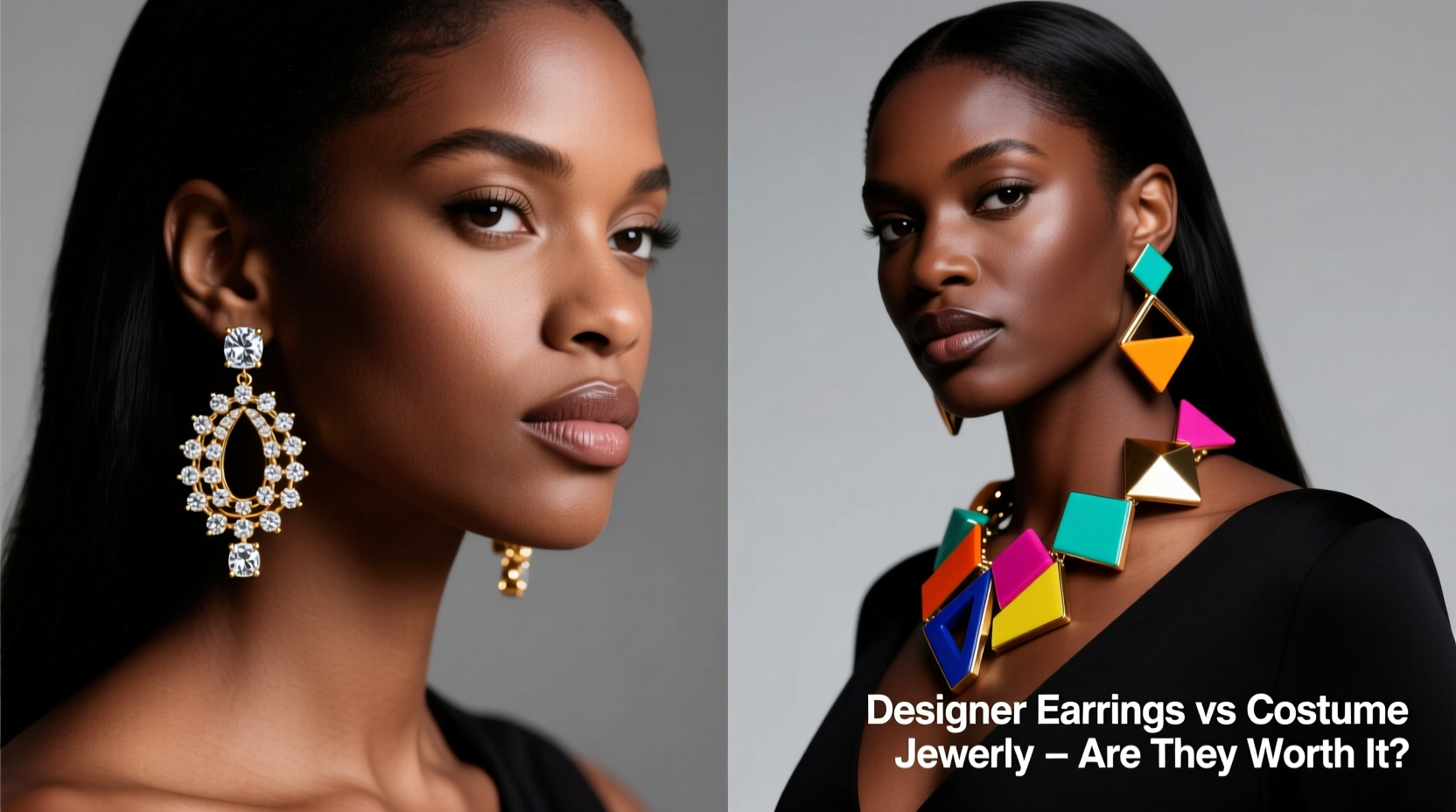
Designer earrings come from established brands known for craftsmanship, materials, and brand prestige. These include names like Cartier, Tiffany & Co., Chopard, and high-end contemporary labels such as Jennifer Fisher or Monica Vinader. What sets them apart goes beyond branding:
- Precious Materials: Solid gold (14k or 18k), sterling silver (.925), platinum, and natural gemstones are standard.
- Artisan Craftsmanship: Hand-finishing, meticulous detailing, and small-batch production ensure uniqueness and durability.
- Design Integrity: Pieces are often created by recognized designers with artistic vision and attention to proportion, weight, and wearability.
- Certification & Traceability: Many high-end brands offer authenticity cards, gemstone reports, and ethical sourcing disclosures.
These factors contribute not just to aesthetic appeal but to long-term value retention—even appreciation in some cases.
Tip: Always request a certificate of authenticity when purchasing fine jewelry, especially if resale or heirloom use is a consideration.Understanding Costume Jewelry: More Than Meets the Eye
Cosmetic jewelry, also known as fashion or imitation jewelry, uses lower-cost materials like base metals (brass, zinc alloy), synthetic stones, acrylic, and plated finishes. While often dismissed as “cheap,” it plays a vital role in personal style:
- Affordability: Allows experimentation with bold trends without financial risk.
- Variety: Rapid turnover means access to runway-inspired designs months before—or even instead of—designer versions.
- Disposable Fashion: Ideal for one-off events, seasonal looks, or temporary styling statements.
However, trade-offs exist. Plating wears off, clasps break, and skin reactions are common due to nickel content. Over time, these pieces may tarnish, discolor, or simply fall apart after limited use.
“Fashion jewelry lets people participate in self-expression without gatekeeping. But it’s not built to last.” — Lena Patel, Jewelry Historian and Curator at the Metropolitan Design Archive
Comparing Value: A Side-by-Side Analysis
The true cost of jewelry isn’t just the sticker price—it’s the cost per wear, emotional value, maintenance needs, and lifespan. Below is a comparison highlighting key differences:
| Feature | Designer Earrings | Cosmetic/Costume Jewelry |
|---|---|---|
| Materials | Solid gold, platinum, natural diamonds/gemstones | Base metals, plating, cubic zirconia, glass |
| Lifespan | Decades with proper care | Months to a few years |
| Resale Value | Moderate to high (especially vintage or iconic pieces) | Negligible |
| Allergy Risk | Low (if hypoallergenic metals used) | High (nickel, lead, unknown alloys) |
| Cost Per Wear (Over 5 Years) | $0.20–$1.00 (for frequent wearers) | $0.50–$3.00 (due to shorter life) |
| Eco-Impact | Higher initial footprint, but longer use reduces waste | Frequent replacement increases landfill contribution |
This table reveals an important truth: while costume jewelry seems cheaper upfront, its short lifespan can make it more expensive over time if worn regularly. Conversely, designer pieces amortize their cost through durability and timeless design.
When Designer Earrings Are Worth the Investment
Not every occasion calls for fine jewelry, but certain scenarios justify the splurge:
- Daily Staples: Studs, hoops, or minimalist drops worn multiple times per week benefit immensely from durable materials.
- Heirloom Intentions: If you plan to pass earrings down, only well-crafted pieces with intrinsic material value endure.
- Skin Sensitivity: Hypoallergenic metals like 14k gold or surgical steel reduce irritation risks significantly.
- Special Occasions: Weddings, milestone birthdays, or professional events call for polished, lasting elegance.
- Brand Significance: For some, owning a piece from a revered house carries cultural or emotional meaning—like a first Cartier Trinity hoop.
In these contexts, the investment pays dividends in comfort, confidence, and longevity.
Mini Case Study: Two Pairs, Five Years Later
Sophie, a marketing executive in her early 30s, bought two pairs of gold hoop earrings in 2019:
- Pair A: 14k gold hoops from a reputable designer ($280)
- Pair B: Gold-plated brass hoops from a fast-fashion retailer ($24)
She wore both several times a month. By 2021, Pair B had lost its plating, turned green against her skin, and one clasp snapped. She replaced it twice more—at $20 each. By 2024, she’d spent $64 on temporary hoops that never matched the original shine.
Meanwhile, Pair A remained flawless. She had them professionally cleaned once (cost: $25) and continues to wear them daily. Her effective cost per wear? Under $0.25. Sophie now reserves costume jewelry for travel and parties—and keeps her designer pair for everything else.
Smart Shopping Checklist: How to Decide What’s Right for You
Before making your next earring purchase, ask yourself the following:
- Will I wear these more than 10 times in the next year?
- Do I have sensitive ears or metal allergies?
- Am I buying this for everyday use or a single event?
- Does the design feel timeless, or is it purely trend-driven?
- Can I verify the materials and origin of the piece?
- Is there a return policy or warranty offered?
- Would I be comfortable passing this down or reselling it?
If most answers lean toward long-term use and quality, investing in designer earrings makes sense. If you're chasing a fleeting trend or need something for a weekend getaway, costume jewelry is perfectly appropriate.
FAQ: Common Questions About Earring Value
Do designer earrings hold their value?
Some do—particularly pieces from iconic brands (e.g., Cartier Love collection) or those made with significant amounts of gold and natural gemstones. However, most fine jewelry depreciates upon purchase, much like a car. The key is that it retains *some* value, unlike costume jewelry which typically has none.
Can I tell the difference between real gold and gold-plated earrings?
Yes. Look for hallmarks like “14k,” “585,” or “.750” stamped on the post or back. Real gold won’t flake or turn green. A magnet test helps too—real gold isn’t magnetic. Over time, plating wears thin, revealing base metal underneath.
Are there mid-range options that offer the best of both worlds?
Absolutely. Brands like Mejuri, AUrate, and Catbird offer ethically sourced materials (solid gold, recycled silver) at lower price points by cutting out traditional retail markups. These bridge the gap between luxury and affordability, offering durability without six-figure branding.
Final Thoughts: It’s Not About Price—It’s About Purpose
The question isn’t whether designer earrings are inherently better than costume jewelry—it’s whether they align with your lifestyle, values, and usage patterns. A $500 pair of diamond studs might be wildly impractical for someone who changes earrings weekly. Conversely, spending $15 on flimsy hoops you wear every day is a false economy.
Value emerges from intentionality. Know what you need the jewelry to do. Invest where it matters—durability, safety, emotional resonance—and save where it doesn’t—short-term trends, disposable fashion.
🚀 Ready to rethink your earring collection? Audit your current pairs: how many have lasted over a year? Which ones do you reach for daily? Use those insights to guide your next smart, sustainable purchase.