
In an era where smartphones double as payment terminals, boarding passes, and ID cards, the role of the traditional wallet is being questioned. Many people are simplifying their carry by opting for crossbody phone cases that combine phone protection with card storage—eliminating the need for a separate wallet altogether. But is this minimalist trend practical for everyone? Or does the classic wallet still offer irreplaceable value?
The shift isn’t just about convenience—it reflects broader changes in how we live, pay, and move through daily life. Contactless payments now account for over 50% of in-person transactions globally, according to the World Payments Report 2023. Mobile wallets like Apple Pay, Google Wallet, and Samsung Pay have made physical cards less essential. So, is it time to retire your leather bi-fold—or should you keep it close?
The Rise of the Crossbody Phone Case
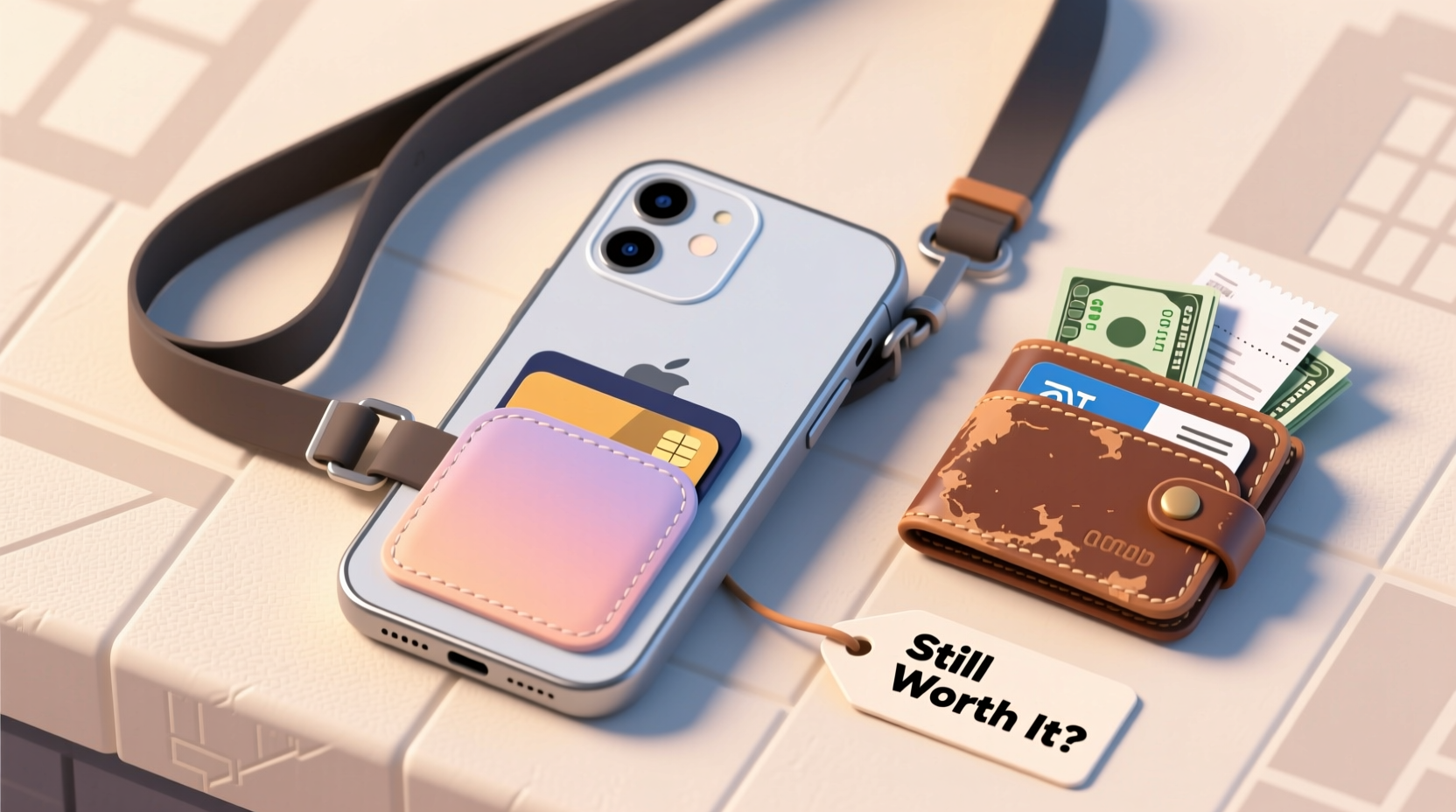
Crossbody phone cases have evolved from niche accessories into mainstream essentials. Designed with adjustable straps and built-in card slots (typically holding 2–4 cards), these cases allow users to go hands-free while keeping essentials secure. They’re especially popular among urban commuters, travelers, and those who prioritize minimalism.
Brands like Bellroy, Casetify, and Mujjo now offer stylish, functional options with RFID blocking, water-resistant materials, and ergonomic designs. The appeal lies in consolidation: one device carries communication, navigation, identification, and payment—all accessible without digging into pockets or bags.
Tip: Choose a crossbody case with a rotating strap connector so you can quickly swing the phone to the front for scanning or payments.Why People Are Ditching Wallets
Several lifestyle shifts have made wallets feel increasingly outdated:
- Digital IDs and e-Tickets: Airports, concerts, and even some government services now accept digital identification via smartphones.
- Contactless Dominance: Tap-to-pay systems work seamlessly with phones and smartwatches, reducing reliance on credit cards.
- Minimalist Movement: Carrying less reduces bulk, lowers loss risk, and aligns with intentional living philosophies.
- Theft & Pickpocketing Concerns: A visible wallet in a back pocket remains a target. Crossbody cases stay in front, within sight.
For many, the wallet has become redundant—a legacy accessory from a pre-digital age. Yet, not everyone finds the transition smooth.
When a Separate Wallet Still Makes Sense
Despite technological advances, there are scenarios where a dedicated wallet outperforms a crossbody phone case:
- Cash Reliance: Not all vendors accept digital payments—especially small businesses, farmers markets, or international destinations with limited infrastructure.
- Card Volume: If you regularly carry more than four cards (credit, loyalty, gym, insurance), a phone case won’t suffice.
- Professional Settings: In formal meetings or client interactions, pulling out a phone to pay can seem unprofessional. A sleek wallet maintains polish.
- Backup Security: Keeping cash and backup cards in a separate location protects against total loss if your phone is stolen or dies.
“Carrying everything on your phone creates a single point of failure. Redundancy isn’t old-fashioned—it’s smart risk management.” — David Lin, Cybersecurity Consultant
Comparison: Crossbody Phone Case vs. Traditional Wallet
| Feature | Crossbody Phone Case | Separate Wallet |
|---|---|---|
| Hands-Free Convenience | ✅ Excellent | ❌ Requires pocket or bag |
| Security (Front Carry) | ✅ High (visible, hard to steal) | ⚠️ Moderate (back pockets vulnerable) |
| Capacity (Cards/Cash) | ⚠️ Limited (2–4 cards, little cash) | ✅ High (holds multiple cards, bills, receipts) |
| Digital Integration | ✅ Seamless (phone + cards together) | ⚠️ Requires switching devices |
| Formality & Professionalism | ⚠️ Casual only | ✅ Suitable for business settings |
| Battery Dependency Risk | ⚠️ Phone dies = no access | ✅ Works anytime |
| Fall Protection | ⚠️ Phone swings, higher drop risk | ✅ Secure when stored |
A Real-Life Scenario: Commuting in Tokyo
Say you're navigating Tokyo's subway system during rush hour. You’ve got your iPhone with Suica transit pass loaded, a crossbody case holding your credit card and hotel key, and noise-canceling earbuds. As you weave through crowds, your phone stays tucked against your chest—safe from pickpockets. At the station gate, you tap and go. No fumbling.
Lunchtime arrives. The ramen shop accepts Apple Pay. Dinner at a tiny izakaya? Cash-only. Here’s the catch: your crossbody case holds only folded bills awkwardly. A compact bifold in your jacket pocket would’ve kept yen neatly organized. This gap highlights a critical limitation: flexibility.
This traveler eventually adopts a hybrid approach—using the crossbody case daily but carrying a slim wallet on weekends when exploring cash-dependent neighborhoods.
Hybrid Solutions: Best of Both Worlds
You don’t have to choose sides. Many people now use a tiered carry strategy:
- Daily Minimal Setup: Crossbody phone case with ID, one credit card, and emergency cash.
- Home Backup: Full wallet stored securely at home with extra cards, insurance info, and documents.
- Bag Companion: When carrying a backpack or tote, place a thin wallet inside for occasions requiring more than digital access.
Step-by-Step: Transitioning Away from a Traditional Wallet
- Digitize What You Can: Add IDs, boarding passes, membership cards, and payment methods to your phone’s wallet app.
- Select Core Cards: Identify two must-have cards (e.g., primary credit card and driver’s license).
- Test a Crossbody Case: Wear it for three days during routine activities—commute, coffee runs, errands.
- Assess Gaps: Note any friction points (e.g., needing cash, unable to split checks).
- Adjust Your System: Decide whether to go fully wallet-free, keep a slim wallet, or adopt situational carry.
FAQ
Can I rely solely on my phone for all payments?
Most urban environments support contactless payments, but rural areas, older establishments, and certain countries still depend on cash. Always carry a small emergency bill—even $5 can resolve unexpected situations.
Are crossbody phone cases safe for my phone?
High-quality models offer excellent drop protection and secure strap attachments. However, constant swinging increases exposure to bumps and drops. Avoid cheap knockoffs with weak stitching or flimsy clips.
What happens if my phone battery dies?
This is the biggest vulnerability. Consider carrying a portable charger or maintaining a partial charge throughout the day. Alternatively, keep a backup card in a sock or shoe if going truly wallet-free.
Final Verdict: Is Carrying a Wallet Worth It Anymore?
The answer depends on your lifestyle, location, and priorities. For city dwellers with reliable tech habits, a crossbody phone case may be all they need—streamlining carry and enhancing security. But for frequent travelers, parents, professionals, or those in areas with spotty digital infrastructure, a separate wallet remains a practical necessity.
Rather than declaring one obsolete, think in terms of context. Technology empowers us to simplify, but resilience comes from adaptability. The future of carry isn’t about eliminating the wallet—it’s about redefining its role.
💬 Have you gone wallet-free or stuck with tradition? Share your experience and help others navigate this modern dilemma.