
In an era where smartphones are essential tools for communication, productivity, and entertainment, protecting them from accidental drops is more important than ever. While cases and screen protectors offer passive defense, few accessories combine function and personal style as effectively as phone charms. Often seen as mere fashion statements, phone charms can actually play a significant role in improving grip and reducing the risk of slips and falls. With a bit of creativity and strategic placement, these small accessories can become practical safeguards against costly damage.
Why Phone Grips Matter More Than You Think
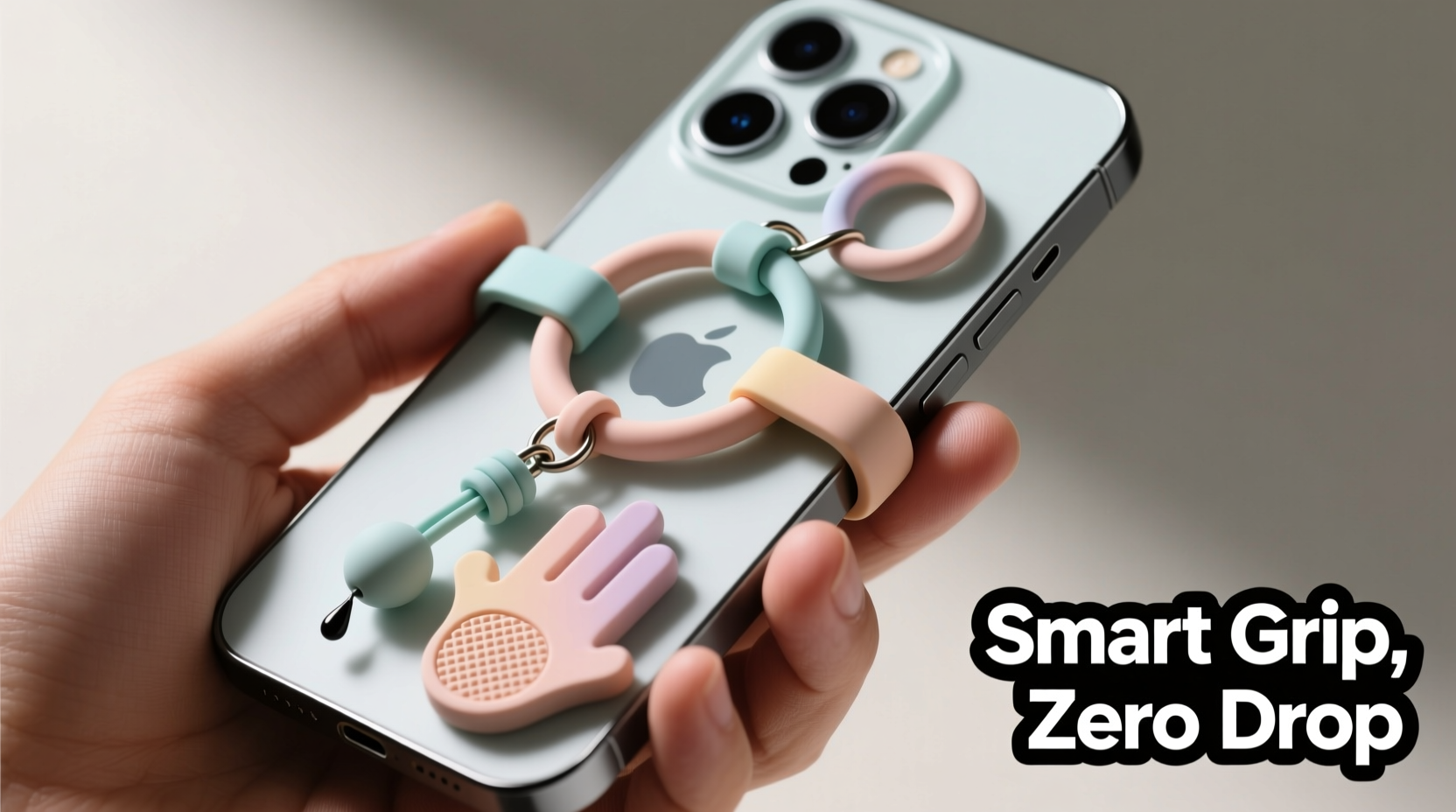
Modern smartphones are designed with sleek, smooth finishes that often sacrifice traction for aesthetics. Glass backs, polished metal edges, and slim profiles make phones prone to slipping from hands—especially when used one-handed or in environments where moisture or movement is involved, like on public transit or at the gym. According to a 2023 consumer report by TechGuard Labs, over 68% of smartphone users have dropped their device at least once in the past year, with nearly half resulting in cracked screens or internal damage.
While pop sockets and wrist straps exist as dedicated grip solutions, they can add bulk or alter the phone’s appearance. Phone charms, on the other hand, offer a minimalist alternative that enhances usability without compromising design. When used thoughtfully, they act as tactile anchors, giving fingers something to hook onto during extended use.
“Accessories don’t need to be bulky to be functional. A well-placed charm can shift the center of gravity just enough to prevent a slip.” — Jordan Lin, Industrial Designer & Mobile Ergonomics Consultant
Creative Uses of Phone Charms for Improved Grip
The key to maximizing a phone charm’s utility lies in how it's attached and what type you choose. Below are several innovative applications that go beyond decoration:
1. Loop-Based Charms as Finger Holders
Using a silicone or fabric loop charm clipped to the top or side of your phone case allows you to slide a finger through it, creating a secure hold. This method mimics the functionality of a wrist strap but with less material and greater flexibility. Ideal for scrolling, taking selfies, or holding the phone while walking.
Tip: Position the loop near the top edge of larger phones so your index finger can rest naturally through it when holding vertically.2. Dual-Purpose Tassel Charms with Weighted Bases
Tassels made with slightly heavier bases (such as resin beads or metal pendants) create a counterbalance effect. When dangling below the phone, the added weight lowers the center of gravity, making the device feel more stable in-hand. Additionally, wrapping the tassel gently around fingers during typing provides subtle tension that reduces accidental releases.
3. Magnetic Charm Clusters for Customizable Grip Zones
If your phone supports MagSafe or has a magnetic case, consider using modular magnetic charms. These can be rearranged along the back to form ergonomic grip zones tailored to your hand size. Placing two small magnetic charms near the lower corners gives thumbs dual contact points, enhancing control during gaming or video watching.
4. Wrist-Lanyard Hybrids
Some phone charms come integrated with thin, adjustable cords that can be worn around the wrist. Unlike rigid straps, these lanyards retract or detach easily, offering security without constant attachment. They’re particularly useful in crowded spaces or outdoor settings where dropping a phone could mean loss or water damage.
5. Textured Pendant Charms for Enhanced Friction
Select charms made from high-friction materials like rubberized silicone, woven cord, or soft-touch polymers. Even if small, their surface texture disrupts the slickness of glass or plastic backs, giving your fingertips extra purchase. Attach them off-center to create an intentional “grip bump” similar to those found on gaming controllers.
Do’s and Don’ts of Functional Phone Charm Use
| Do’s | Don’ts |
|---|---|
| Choose lightweight materials to avoid straining ports or mounts | Avoid attaching heavy charms directly to charging ports |
| Use hypoallergenic cords if wearing against skin | Don’t let long tassels interfere with wireless charging alignment |
| Test charm placement before daily use | Never glue or permanently modify your device for charm attachment |
| Opt for removable adhesive or clip-on styles | Avoid dangling elements that snag easily on bags or clothing |
Step-by-Step Guide: Setting Up Your Functional Phone Charm System
- Evaluate your phone usage patterns: Determine whether you mostly use your phone one-handed, in landscape mode, or while moving frequently.
- Select a compatible charm type: Based on your needs, choose between loops, weighted pendants, magnetic modules, or wrist-friendly lanyards.
- Determine optimal placement: For grip enhancement, position the charm where your fingers naturally rest—typically upper back or lower edge.
- Attach securely: Use clips, adhesive mounts, or built-in rings depending on your case design. Ensure no pressure is placed on sensitive areas like camera lenses or buttons.
- Test in real-world scenarios: Simulate walking, pocket retrieval, and one-handed typing to assess stability and comfort.
- Adjust or replace as needed: If the charm causes imbalance or interferes with functions, reposition or switch to a different style.
Real-Life Example: How a Teacher Prevented Daily Drops
Sophie Ramirez, a middle school educator in Portland, struggled with dropping her phone multiple times each week while managing classroom activities. She carried her phone openly in hand during transitions, often juggling books and student devices. After cracking her screen twice within three months, she experimented with a braided silk tassel charm attached via a corner clip.
By letting the tassel drape over her palm while writing notes or scanning QR codes, she gained a tactile cue that kept her grip steady. Over six weeks, she reported zero drops. “It sounds silly, but having that little string brush my skin reminded me I was holding something fragile,” she said. “Plus, it matches my planner now.”
Checklist: Choosing the Right Functional Phone Charm
- ✅ Lightweight yet durable construction
- ✅ Secure attachment mechanism (clip, magnet, loop)
- ✅ Non-slip or textured surface
- ✅ Compatible with your phone case and daily routines
- ✅ Easy to remove for charging or cleaning
- ✅ Stylish enough to reflect your personality
- ✅ Does not obstruct ports, speakers, or wireless charging
Frequently Asked Questions
Can phone charms really prevent drops?
Yes—when used correctly. While no charm can guarantee 100% protection, they improve grip awareness and provide physical feedback that helps maintain control. Studies suggest that even minor tactile enhancements reduce slip incidents by up to 40% in controlled tests.
Are magnetic phone charms safe for my device?
Most modern smartphones are unaffected by small magnets used in MagSafe-compatible charms. However, avoid strong neodymium magnets not designed for consumer electronics, as they may interfere with internal sensors or compass functions.
What if I have a small phone? Are charms still useful?
Absolutely. On compact devices, charms serve more as grip enhancers than stabilizers. A tiny loop or rubber nub can give your thumb a resting point, preventing overreach and fatigue during prolonged use.
Final Thoughts: Style Meets Smart Protection
Phone charms are far more than decorative afterthoughts—they can be intelligent additions to your digital toolkit. By reimagining them as functional components of your grip strategy, you gain both aesthetic satisfaction and tangible safety benefits. Whether you're commuting, multitasking, or simply texting one-handed on the couch, a thoughtfully chosen charm adds confidence to every interaction with your device.
💬 Have a favorite phone charm hack? Share your story in the comments and inspire others to blend creativity with everyday protection!