
Western footwear has long been a symbol of American heritage, rooted in ranch work, rodeo culture, and frontier resilience. Yet today, as fashion embraces both tradition and modernity, a growing number of people are asking: Are western booties—shorter versions of classic cowboy boots—just beginner’s alternatives? The answer isn’t as simple as it seems. While some assume that shorter styles lack authenticity or functionality, the reality is more nuanced. Understanding the distinction between traditional cowboy boots and western booties reveals not only practical differences but also evolving cultural trends in how we wear, choose, and value Western-style footwear.
The Anatomy of Cowboy Boots vs Western Booties
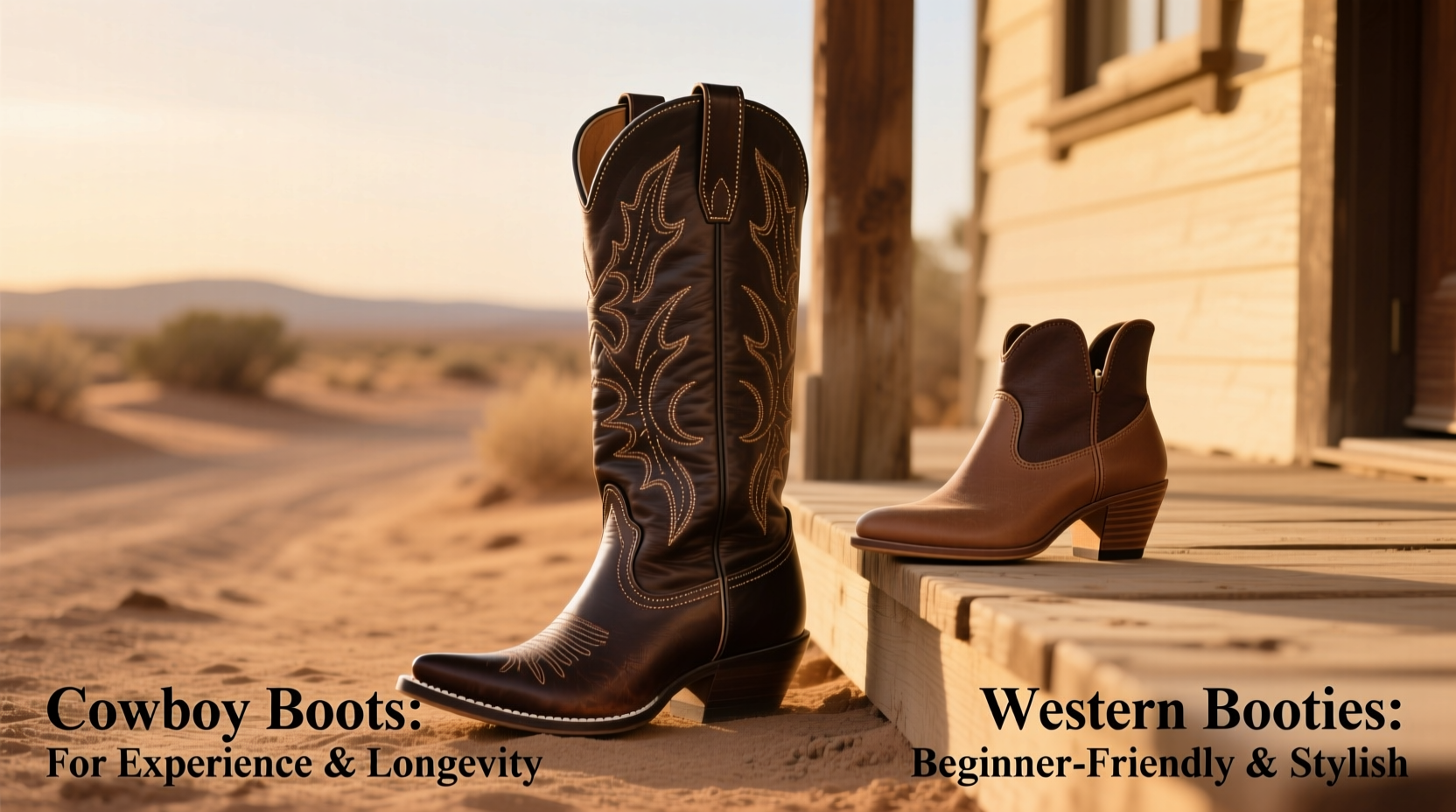
At first glance, cowboy boots and western booties may appear similar—both often feature pointed toes, decorative stitching, and a distinct Western aesthetic. However, their construction, height, and intended use set them apart.
Traditional cowboy boots typically extend above the ankle, reaching mid-calf (around 10–14 inches). They’re built with a high shaft designed to protect the leg while riding, prevent friction from stirrups, and offer structural support during long hours on horseback. These boots almost always include a slanted heel (usually 1–1.5 inches), which helps secure the foot in the stirrup—a functional necessity, not just a stylistic choice.
Western booties, by contrast, are ankle-height or slightly higher, resembling fashion boots with Western detailing. They often retain design elements like stitching patterns, pull straps, and decorative overlays but sacrifice shaft height for convenience and versatility. Unlike full-length boots, they don’t require a wide opening or pull-on design, making them easier to slip on and off—ideal for urban settings or casual wear.
Tip: When choosing between styles, consider your primary use—riding demands protection and stability, while city wear prioritizes comfort and ease.Debunking the “Beginner” Myth
A common misconception is that western booties are merely entry-level options for those testing the waters of Western fashion. This idea stems from the assumption that anything less than a full cowboy boot lacks legitimacy. But reducing booties to beginner status overlooks their intentional design and expanding role in contemporary wardrobes.
For many, especially women, western booties offer a stylish compromise between rugged Western identity and everyday practicality. They pair effortlessly with jeans, skirts, and even dresses, allowing wearers to embrace the aesthetic without committing to the bulk or break-in period of taller boots. Moreover, modern booties are increasingly crafted with quality materials—genuine leather, cushioned insoles, and durable soles—proving they aren’t inherently inferior.
“Just because a boot is shorter doesn’t mean it’s less authentic. Design evolves with lifestyle. Today’s bootie wearer might be at a honky-tonk bar, not a cattle drive—but the spirit remains.” — Jesse Rollins, Western Footwear Historian & Curator at the National Cowgirl Museum
Functional Comparison: Where Each Style Excels
| Feature | Cowboy Boots | Western Booties |
|---|---|---|
| Shaft Height | 10–16 inches (mid-calf) | 5–8 inches (ankle to lower calf) |
| Riding Suitability | Ideal – prevents chafing, secures in stirrup | Limited – risk of slipping, less protection |
| Daily Wear Comfort | Moderate – requires break-in period | High – lighter, easier to walk in |
| Fashion Versatility | Classic, bold statement | Adaptable to multiple outfits |
| Storage & Portability | Bulky, needs upright storage | Compact, easy to pack |
| Typical Use Case | Ranch work, rodeos, formal Western events | City wear, concerts, casual outings |
When to Choose Which: A Practical Guide
Selecting between cowboy boots and western booties should depend on lifestyle, environment, and intent—not assumptions about experience level. Here’s a step-by-step approach to making the right choice:
- Assess Your Primary Activity: If you ride horses regularly, work outdoors, or attend equestrian events, full cowboy boots are non-negotiable for safety and function.
- Evaluate Daily Comfort Needs: For office wear, travel, or walking-heavy days, booties reduce fatigue and improve mobility.
- Consider Climate: Tall boots can trap heat in summer. Booties offer better airflow, making them preferable in warmer regions.
- Match Your Wardrobe: Booties transition seamlessly from day to night and suit shorter hemlines. Cowboy boots dominate looks with denim or Western-cut pants.
- Think Long-Term Value: Invest in full-grain leather for either style. A well-made bootie lasts years and maintains resale value, especially from reputable brands like Lucchese or Ariat.
Mini Case Study: From Ranch to Rooftop Bar
Sarah, a 32-year-old veterinarian in Austin, grew up on a family ranch wearing traditional cowboy boots daily. When she moved to the city for her practice, she initially resisted switching to shorter styles, viewing them as “inauthentic.” But after weeks of foot pain from long hospital shifts and evening outings, she tried a pair of western booties with a low stacked heel and cushioned sole. To her surprise, they offered the look she loved with far greater comfort. Now, she owns both: tall boots for weekend trail rides and booties for weekdays. “I realized it wasn’t about being a beginner,” she says. ��It was about adapting tradition to my life.”
Expert Care Tips for Both Styles
No matter the height, proper maintenance ensures longevity. Leather dries out, soots accumulate, and soles wear down—especially with frequent use. Follow this checklist to keep your boots in top condition:
- Wipe down after each wear with a damp cloth to remove dust and salt.
- Use a leather conditioner every 4–6 weeks to prevent cracking.
- Store in a cool, dry place away from direct sunlight.
- Use boot trees or rolled towels to maintain shape, especially in taller boots.
- Rotate pairs if worn daily to allow material recovery.
- Resole when heels wear unevenly—don’t wait until the sole separates.
FAQ: Common Questions About Cowboy Boots and Booties
Are western booties considered “real” Western boots?
Yes, if they follow traditional design cues like pointed toes, decorative stitching, and Western-inspired hardware. Authenticity isn’t defined solely by height but by craftsmanship and cultural respect. Many booties are made by heritage brands using the same techniques as full-length boots.
Can I wear western booties for horseback riding?
Not recommended. Their shorter shaft increases the risk of pinching from stirrups and offers no protection against brush or debris. Always opt for full cowboy boots when riding.
Do cowboy boots need a break-in period?
Most do, especially those made with stiff leather. Expect 10–20 hours of wear before they conform to your feet. Wearing thick socks and using a shoe stretcher can speed up the process. Booties, being lighter, usually require little to no break-in time.
Conclusion: Style, Function, and Personal Choice
The notion that western booties are only for beginners reflects outdated thinking. Footwear evolves with culture, and today’s world blends tradition with practicality. Whether you choose a handcrafted 12-inch cowboy boot or a sleek, ankle-high bootie, what matters most is how the shoe serves your life—not whether it meets an arbitrary standard of “authenticity.”
Both styles have earned their place: one in the saddle, the other on the sidewalk. Recognizing their unique strengths allows for smarter choices, better care, and deeper appreciation of Western heritage in all its forms.
💬 What’s your go-to Western footwear? Share your experience and help others navigate the cowboy boot vs western bootie debate!