
Every morning, as you prepare for work or a day out in the city, there’s a quiet but meaningful decision to make: which bag will carry your essentials? For many urban professionals and commuters, the choice comes down to two popular styles — the bucket bag and the tote bag. Both have carved out loyal followings, but they serve very different needs. One prioritizes structure and volume; the other leans into compact design and ease of access. So, which one truly earns its place on your shoulder during the daily grind?
The answer isn’t universal. It depends on your routine, what you carry, how far you walk, and even how you move through public transit. Let’s dissect both options with real-world clarity, so you can make an informed decision — not just based on trends, but on function.
Design & Structure: What Sets Them Apart
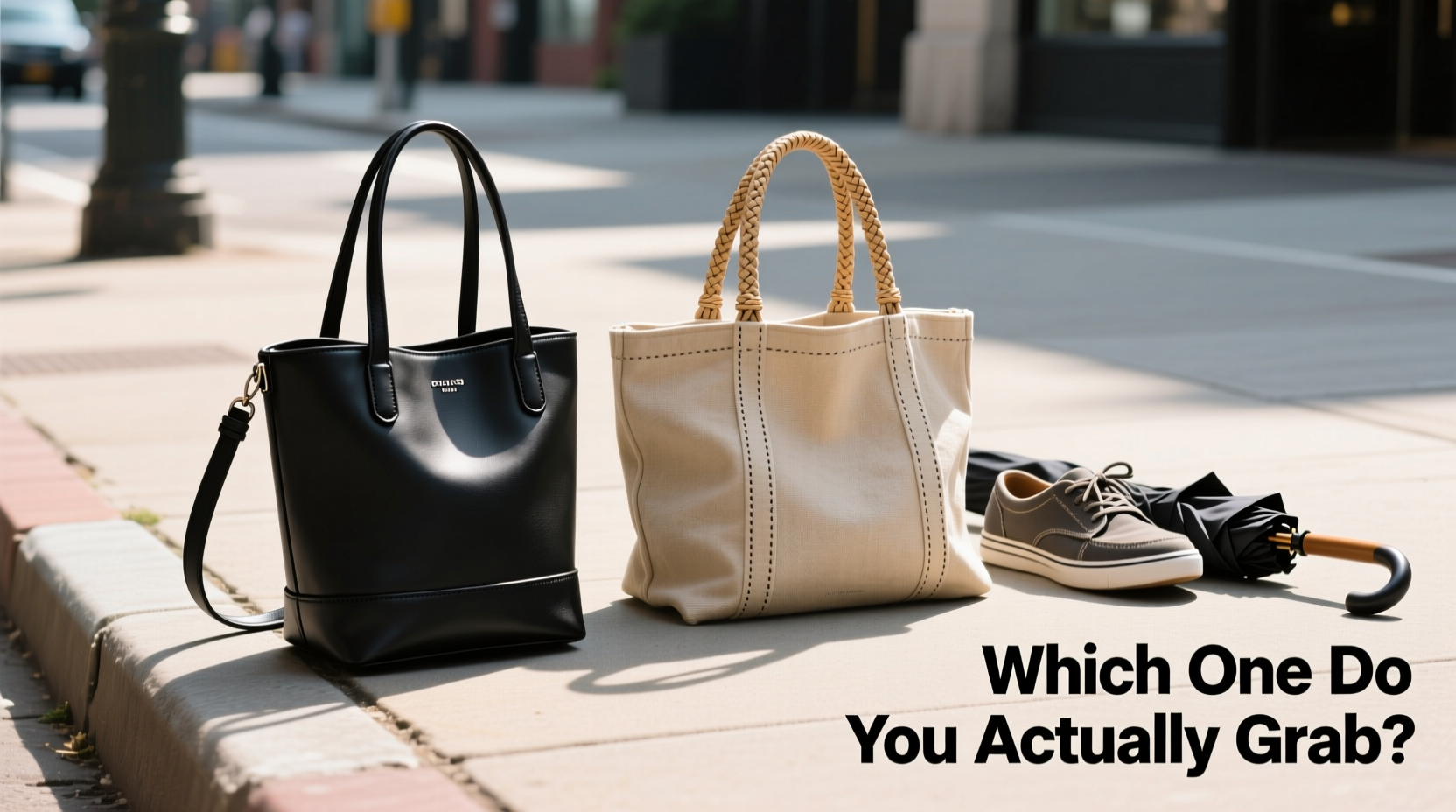
The fundamental difference between a bucket bag and a tote lies in their construction and silhouette.
A bucket bag is typically cylindrical or conical, with a drawstring or magnetic closure at the top. It often stands upright, has minimal external pockets, and focuses on containing contents securely. The shape allows it to retain form whether full or nearly empty. Many modern versions include a detachable crossbody strap or a shorter handle, offering versatility in carry style.
In contrast, a tote bag is rectangular or trapezoidal, open-top (though some feature zippers), and usually carried by hand or over the shoulder using long handles. Totes emphasize accessibility and spaciousness, making them ideal for those who need to quickly reach inside. Their flat base helps them sit upright when placed down, a small but useful perk in cafes or train stations.
Tip: If you frequently ride crowded subways or navigate narrow sidewalks, a slimmer-profile bucket bag may be less obtrusive than a wide tote.Capacity and Organization: What Fits Where
When evaluating a bag for commuting, capacity matters — but so does organization.
Tote bags generally offer more usable space. Their boxy interior allows laptops (up to 15 inches), notebooks, water bottles, lunch containers, and even a folded jacket to fit neatly. Because they’re open-top, you can see everything at a glance. However, this openness becomes a drawback if you're prone to dropping small items like keys or lip balm into the abyss.
Bucket bags, while deep, are narrower at the opening. This makes retrieval slightly more involved — you often need to loosen the drawstring and dig in. On the plus side, the restricted mouth reduces the risk of things falling out. Most lack internal compartments, though premium models now include slip pockets or zip liners. They comfortably hold a wallet, phone, small umbrella, and perhaps a tablet, but struggle with bulkier work gear unless specifically designed for it.
“Totes win on sheer volume, but bucket bags excel in containment. Choose based on whether you prioritize access or security.” — Lena Park, Urban Accessory Designer
Comfort and Carry: Shoulder Strain vs. Posture Support
How a bag feels after 30 minutes of walking matters more than aesthetics.
Tote bags distribute weight across the shoulder and upper back when worn over the arm or shoulder. But because their straps are often flat and thin, especially on canvas or leather versions, pressure points can develop. Over time, this leads to shoulder fatigue or even postural imbalance — a common complaint among tote users who carry heavy loads daily.
Bucket bags, particularly those with adjustable crossbody straps, shift weight closer to the body’s center. This improves balance and reduces strain. The diagonal crossbody wear keeps the bag stable during movement, which is crucial on escalators, buses, or when cycling. However, if the bucket lacks padding or an ergonomic strap, discomfort sets in faster than with a well-padded tote.
For those with long commutes involving stairs or standing, a bucket with a padded strap might be the wiser investment — even if it means editing down what you carry.
Comparison Table: Bucket Bag vs Tote Bag at a Glance
| Feature | Bucket Bag | Tote Bag |
|---|---|---|
| Capacity | Moderate depth, narrow opening | High volume, wide opening |
| Security | Drawstring/magnetic closure prevents spills | Open-top; vulnerable to pickpockets |
| Carry Comfort | Better weight distribution (crossbody option) | Can cause shoulder strain when overloaded |
| Accessibility | Requires opening drawstring to access | Instant visibility and reach |
| Style Versatility | Trend-forward, casual-chic | Professional, minimalist, classic |
Real Commute Scenario: Who Wins in Practice?
Consider Maya, a graphic designer who commutes 45 minutes each way via subway and walking. Her essentials include a 13-inch laptop, sketchbook, noise-canceling headphones, reusable bottle, and makeup pouch.
She started with a structured tote — loved the easy access and professional look. But after weeks of shoulder pain and a near-loss of her sketchbook when the bag tipped sideways on a packed train, she switched to a medium-sized bucket bag with a padded crossbody strap and internal laptop sleeve.
The trade-off? She had to downsize her water bottle and leave the sketchbook at home on busy days. But the relief in comfort and peace of mind knowing her belongings were secure made the adjustment worthwhile. For Maya, the bucket bag became the default — not because it held more, but because it held better.
This reflects a growing trend: functionality over form. As urban mobility becomes more dynamic, people are reevaluating what “practical” really means.
Actionable Checklist: Choosing Your Commute Champion
Before deciding, ask yourself the following:
- ✅ Do I carry a laptop or large notebook regularly?
- ✅ How much walking or standing is involved in my commute?
- ✅ Am I concerned about theft or accidental spills?
- ✅ Do I prefer quick access or secure containment?
- ✅ Is shoulder or back discomfort a recurring issue?
- ✅ Does my workplace or social setting favor a polished or relaxed aesthetic?
If most answers lean toward volume, visibility, and professionalism, a tote is likely your best bet — especially if it includes a zipper, padded laptop compartment, and reinforced straps.
If you value stability, balanced weight, and spill-proof confidence, a bucket bag with thoughtful interior design could be your ideal match.
Frequently Asked Questions
Can a bucket bag fit a laptop?
Some can — but only up to 13 inches, and only if specifically designed with a sleeve or structured interior. Standard bucket bags are not optimized for laptops, so check dimensions carefully before assuming compatibility.
Are tote bags less secure in crowded areas?
Yes. Open totes are more vulnerable to opportunistic theft and accidental drops. In high-density environments like rush-hour trains, a closed bucket or a tote with a zipper offers significantly better protection.
Which bag style lasts longer?
Lifespan depends more on material and usage than style. However, tote bags with reinforced handles tend to endure daily stress better, while bucket bags with metal bases or stiff linings maintain shape over time. Proper care extends both.
Tip: Rotate your commute bags weekly to prevent wear concentration and extend overall lifespan.Final Verdict: Match the Bag to Your Day
There’s no single winner in the bucket bag vs tote bag debate — only what works best for your lifestyle. The tote remains unmatched for those who need maximum space and a polished, work-ready appearance. It’s the go-to for creatives, lawyers, and anyone hauling gear daily.
Yet the bucket bag has earned its place as the commuter’s stealth ally — lightweight, secure, and ergonomically smarter for active urban travel. Its resurgence isn’t just fashion-driven; it’s a response to real mobility challenges.
Instead of choosing one forever, consider owning both. Use the tote on office-heavy days with lots to carry. Reach for the bucket on transit-heavy mornings, errand runs, or when you want to travel light and balanced.
💬 What’s your go-to commute bag? Share your experience and help others decide — drop a comment below.