In recent seasons, a quiet revolution has taken place on runways, red carpets, and editorial shoots: contouring is fading from favor, and blush is stepping into the spotlight. Once considered a secondary step—something to add after sculpted cheekbones were locked in with bronzer and highlighter—blush is now leading the look. Makeup artists are embracing soft flushes, gradient color washes, and multi-tonal applications not just for beauty, but for dimension. The question isn’t whether this shift is happening; it’s why professionals are choosing blush over contour—and what it means for modern makeup.
The Rise of the “No-Makeup” Makeup Movement
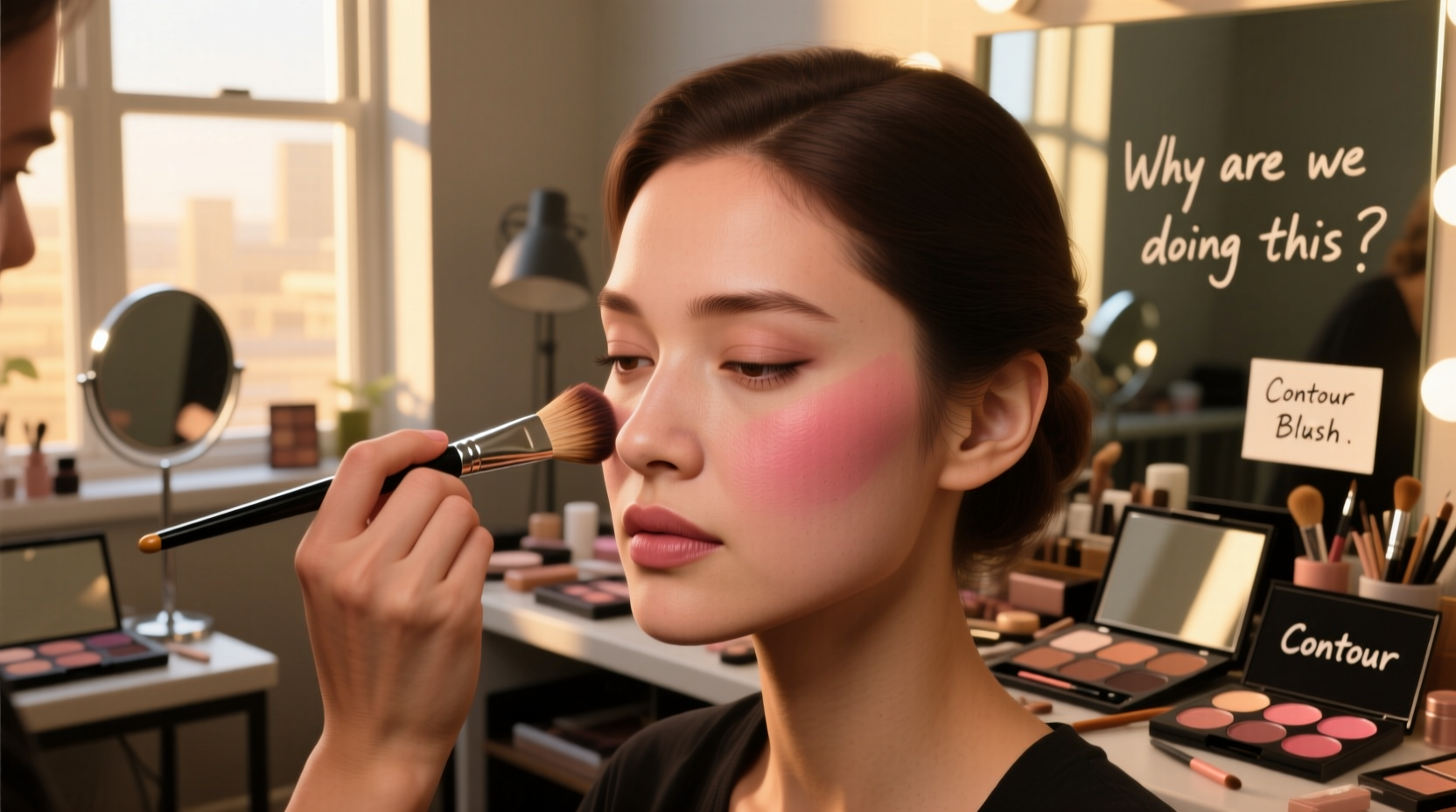
One of the biggest drivers behind the decline of heavy contouring is the growing preference for skin that looks like skin. The 2010s brought dramatic, chiseled features into mainstream beauty standards, popularized by celebrity makeup artists and social media influencers. But today’s aesthetic leans toward authenticity. Clients want glow, health, and vitality—not geometry.
Blush, especially when applied strategically, mimics the way blood naturally flows through the face. When you laugh, cry, or step out into the cold, your cheeks flush first. This biological response signals youth, energy, and emotion—qualities that contour can’t replicate no matter how perfectly blended.
Tip: Use a cream or liquid blush and blend upward toward the temples to lift the face naturally—no need for harsh lines.How Blush Creates Dimension Without Contour
Many assume that facial structure requires dark tones to recede and light ones to advance. While that principle holds in traditional art, real faces move, change expression, and catch light differently throughout the day. Instead of carving out hollows with cool-toned powders, artists are using warm, rosy hues to create volume and depth.
By placing blush higher on the cheekbones and diffusing it into the temples and bridge of the nose, makeup artists simulate a lifted effect. A well-placed pop of color draws the eye inward, creating focus and balance. In contrast, over-contoured cheeks can appear sunken or severe under natural lighting.
This technique works particularly well with dewy foundations and sheer coverage, which dominate current preferences. Heavy matte products used to support sharp contouring now feel outdated against the demand for radiant, breathable skin.
“Blush isn’t just about adding color—it’s about shaping the face with emotion. It brings life where contour only adds shadow.” — Lena Park, Celebrity Makeup Artist and Global Artistic Director at Lumière Beauty
Blush vs. Contour: A Practical Comparison
| Feature | Blush-Centric Approach | Traditional Contouring |
|---|---|---|
| Application Time | 3–5 minutes (often multitasked with lips) | 7–12 minutes (requires precision tools) |
| Naturalness | High – mimics real flush | Low to moderate – risks looking muddy |
| Longevity | Better with cream formulas; blends seamlessly as it oxidizes | Powder contours may fade unevenly or emphasize texture |
| Skin Texture Emphasis | Minimizes pores and fine lines when blended wet-on-wet | Can accentuate dryness or wrinkles if not set properly |
| Versatility | Easily adapted for day, night, or camera | Often too strong for casual settings |
A Step-by-Step Guide to Sculpting with Blush
You don’t need to abandon structure to embrace this trend. Here’s how professional artists build dimension using blush alone:
- Prep with hydration: Apply a moisturizer or facial oil to enhance glow. Dewy skin reflects light better, making color appear more integrated.
- Choose the right formula: Cream or liquid blushes work best for seamless blending. Stain-based options offer longevity without heaviness.
- Map your flush: Smile slightly and apply product to the apples of the cheeks. Then, extend upward along the upper cheekbone toward the hairline.
- Layer strategically: Use a cooler pink or mauve shade underneath a warmer rose or peach on top to simulate depth—like natural blood flow beneath the skin.
- Diffuse beyond the cheeks: Gently blend a trace of color across the bridge of the nose, lower forehead, and chin to unify the complexion.
- Set selectively: Only powder areas prone to shine. Let the blush zones remain luminous.
Real Example: Bridal Makeup Redefined
Take Sarah, a bride preparing for her outdoor summer wedding. Her original trial included classic contouring, but under sunlight and candid photography, the lines looked harsh and unnatural. Her makeup artist switched approaches: she replaced contour with a dual-tone blush technique—dabbing a berry gel stain at the base of the cheek and overlaying a petal-pink cream above it. The result was a soft, dimensional glow that looked fresh in photos and moved beautifully with her expressions.
Guests commented on how radiant she looked—not “made up,” but genuinely glowing. On her one-year anniversary, Sarah still uses the same method daily. “I finally realized I don’t need fake shadows to look defined,” she said. “My blush does all the work.”
Expert Insight: Why the Industry Is Shifting
According to industry veteran Marcus Reed, who has worked backstage at major fashion weeks for over a decade, the pivot away from contour reflects broader cultural changes.
“We’re moving past the idea that beauty means transformation. Now, it’s about enhancement. Blush speaks to mood, health, and individuality. Contour speaks to symmetry and illusion. One feels personal; the other feels performative.” — Marcus Reed, Lead Artist at New York Fashion Week
He notes that younger clients, especially Gen Z, often reject heavy makeup altogether unless it serves a purpose. “They’ll wear bold eyeliner or glossy lips, but they skip foundation and contour. Yet they always ask for ‘more blush’—not less.”
Checklist: Transitioning from Contour to Blush-Focused Makeup
- ✔️ Audit your current routine: Are you using contour daily, or only for special occasions?
- ✔️ Invest in two complementary blush shades—one cool, one warm—for layering.
- ✔️ Switch to cream or liquid formulas for a seamless finish.
- ✔️ Practice the “smile and lift” application method to find your natural flush zone.
- ✔️ Test your look in natural daylight before finalizing.
- ✔️ Skip setting powder on blush areas to preserve radiance.
- ✔️ Reapply midday with a blotting sponge and a dab of cream blush if needed.
Frequently Asked Questions
Can blush really replace contour for all face shapes?
Yes—with technique. Round faces benefit from upward-blended blush to elongate. Square jaws can soften angles with circular application. Heart-shaped faces should focus color slightly below the outer corner of the eye. While contour offers sharper definition, blush provides balanced harmony that adapts to movement and lighting.
What if I have oily skin? Won’t cream blush slide off?
Cream blush can work even for oily complexions when layered correctly. Start with a mattifying primer, apply foundation, then use a small amount of cream blush and immediately set with a translucent powder. For touch-ups, blot excess oil and reapply sparingly with a sponge.
Is this trend just for young people?
Not at all. Mature skin often reacts poorly to powder contour, which settles into fine lines. Blush, especially in creamy textures, adds youthful vibrancy without emphasizing texture. Many dermatologists recommend flushed cheeks as a non-invasive way to restore facial volume perception.
Conclusion: Embrace Color as Structure
The shift from contour to blush isn’t just a passing fad—it’s a refinement of what we value in beauty. Artists aren’t abandoning dimension; they’re redefining it. Rather than relying on shadow to shape the face, they’re using color, warmth, and emotional resonance to create presence.
This approach is faster, kinder to the skin, and more adaptable to real life. Whether you're getting ready for work, a date, or a photo shoot, letting blush take center stage can simplify your routine while enhancing your natural appeal. The face doesn’t need to be carved—it needs to come alive.
💬 Ready to try blush as your main structural tool? Share your first attempt or favorite blush product in the comments—let’s build a community around glowing, authentic beauty.








