
When temperatures plummet and snow blankets the streets, a high-quality down coat becomes more than just outerwear—it’s essential armor against the cold. But today’s winter coats don’t have to sacrifice style for function. The best winter down coat balances superior insulation, thoughtful design, and modern aesthetics, ensuring you stay warm without compromising your look. From urban commutes to mountain escapes, choosing the right coat can make all the difference in comfort and confidence.
Understanding Down Insulation: What Makes a Coat Warm
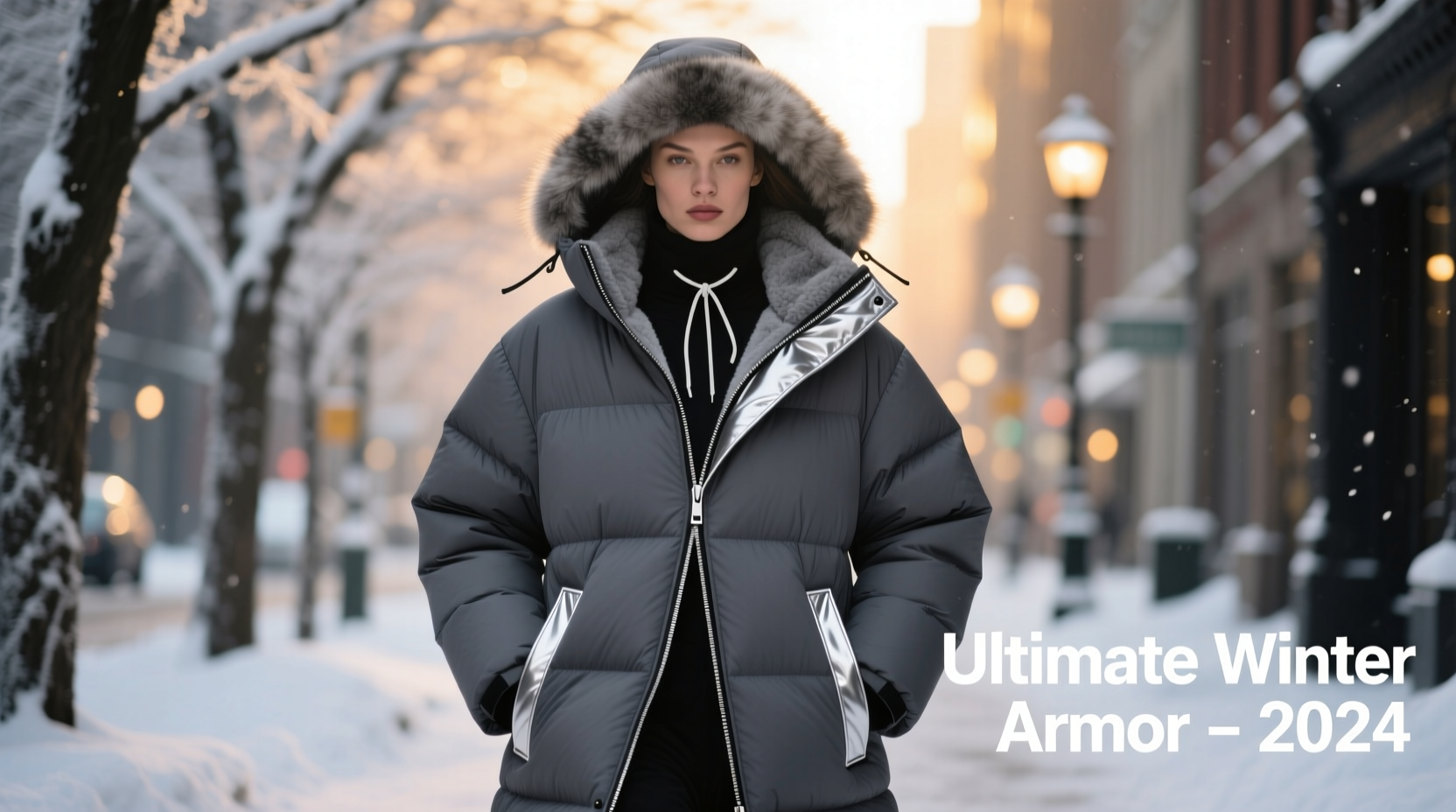
The core of any premium winter coat lies in its insulation. Down, derived from the soft underfeathers of ducks and geese, is nature’s most efficient insulator. It traps air in clusters, creating a lightweight yet powerful thermal barrier. However, not all down is created equal. Two key metrics determine performance: fill power and fill weight.
Fill power measures how much space one ounce of down occupies when it expands. Ranging from 550 to 900+, higher numbers indicate better loft and heat retention. A 700+ fill power is excellent for extreme cold, while 550–650 works well in milder winters.
Fill weight refers to the actual amount of down used. A heavier fill means more insulation, but also added bulk. The ideal balance depends on climate and activity level. For example, someone hiking in sub-zero conditions needs more fill weight than a city dweller facing brief outdoor exposure.
Tip: Look for responsibly sourced down certified by the Responsible Down Standard (RDS) to ensure ethical treatment of animals.Top Coats That Deliver Warmth and Style
Several brands consistently deliver on both performance and fashion. These models stand out for their construction, materials, and real-world usability:
- Canada Goose Expedition Parka – Engineered for Arctic conditions, this parka features 625-fill white duck down, a coyote fur-lined hood, and wind-resistant Arctic Tech fabric. Its rugged durability makes it a favorite among polar researchers.
- The North Face McMurdo Parka III – With 550-fill down and synthetic insulation in moisture-prone areas, this coat offers reliable warmth at a more accessible price point. Its long cut and removable faux-fur hood add urban appeal.
- Marmot Montreal Parka – Packed with 700-fill down and equipped with a two-way zipper, adjustable cuffs, and multiple insulated pockets, this coat blends technical precision with clean lines suitable for city wear.
- Patagonia DAS Parka – Made with 100% recycled materials and 700-fill Traceable Down, this eco-conscious option delivers serious warmth while aligning with sustainable values. The minimalist design pairs well with casual or professional attire.
- Moncler Maya Jacket – A luxury staple, the Maya combines 90% down and 10% feather fill with a sleek silhouette and iconic quilting. Worn by celebrities and style icons, it proves high fashion and extreme warmth aren’t mutually exclusive.
“Down remains unmatched in warmth-to-weight ratio. When properly constructed, a single layer can replace three woolens.” — Dr. Lena Torres, Textile Engineer & Cold Climate Gear Researcher
Key Features to Look For
Beyond the brand name, specific design elements determine whether a coat will keep you warm and looking sharp. Consider these critical components:
| Feature | Why It Matters | Recommended |
|---|---|---|
| Hood Design | Protects head and neck from wind; fur trim reduces frost buildup | Adjustable, removable fur or faux-fur trim |
| Length | Longer coats cover more body area, retaining heat | Knee-length for severe cold; hip-length for mobility |
| Closure System | Prevents cold air infiltration | Two-way zipper + storm flap + snap buttons |
| Pocket Placement | Hand pockets should be high enough to access when wearing a backpack | Angled chest pockets, lined hand pockets |
| Water Resistance | Wet down loses insulating ability | DWR-treated shell fabric, taped seams |
Style Meets Functionality
A coat shouldn’t just perform—it should reflect personal taste. Modern designs integrate tailored fits, color-blocking, and subtle branding that transition seamlessly from outdoor adventures to dinner dates. Look for neutral tones like charcoal, navy, or black for versatility, or bold hues like crimson or cobalt for seasonal flair. Quilt stitching patterns influence both structure and appearance; smaller diamond quilting offers a refined finish, while larger baffles maximize loft.
Tip: Try the coat on with a mid-layer (like a sweater) to ensure proper fit—tight sleeves restrict circulation and reduce warmth.Real-World Performance: A Case Study
Sophie Kim, a graphic designer living in Minneapolis, needed a reliable coat for her daily 15-minute walk through wind-swept streets. Last winter, she tested two options: a budget puffer with 500-fill down and the Marmot Montreal Parka. On a -15°F morning, the budget coat left her shivering by block three, its thin shell failing to block wind penetration. In contrast, the Marmot kept her comfortable even during extended waits at bus stops. “I didn’t realize how much difference quality construction made,” she said. “Now I dress around the coat—it’s become my winter uniform centerpiece.”
This experience underscores that warmth isn’t just about insulation quantity—it’s about system design. Wind resistance, seam sealing, and coverage all contribute to real-world effectiveness.
Your Winter Coat Checklist
Before purchasing, verify these essentials:
- Fill power of 600 or higher
- Responsible down certification (RDS or similar)
- Wind-resistant outer shell with DWR coating
- Adjustable hood with fur or faux-fur trim
- Insulated, lined interior with no cold spots
- Functional pockets (zippered, fleece-lined)
- Length appropriate for your environment
- Fits comfortably over mid-layers
- Reinforced elbows and shoulders for durability
- Brand warranty and repair options
Maintaining Your Investment
A top-tier down coat can last a decade or more with proper care. Avoid frequent washing, which degrades the down clusters over time. Spot clean minor stains immediately. When full cleaning is necessary, use a front-loading machine with a gentle detergent formulated for down. Tumble dry on low heat with clean tennis balls to restore loft.
Store the coat uncompressed in a breathable cotton bag during off-seasons. Never leave it crumpled in a plastic bin—this collapses the down and diminishes insulation. If the coat develops flat spots after storage, tumble drying briefly can revive its fluffiness.
FAQ
Are down coats suitable for wet climates?
Traditional down loses loft when wet, but many modern coats combine down with hydrophobic treatments or blend in synthetic insulation in high-moisture zones (like shoulders and hood). For rainy winters, prioritize coats with water-resistant shells and treated down.
What’s the difference between duck and goose down?
Goose down typically has higher fill power due to larger clusters, making it lighter and warmer for the same weight. However, high-quality duck down (especially 700+ fill) performs nearly as well and is often more affordable.
Can I wear a down coat for active winter sports?
Absolutely—but choose a model designed for movement. Look for articulated sleeves, stretch panels, and slimmer fits. Some brands offer “active insulation” versions with lower fill weight for better breathability during exertion.
Final Thoughts: Choose Confidence, Not Compromise
The best winter down coat doesn’t force you to pick between staying warm and looking good. Advances in textile engineering and design mean today’s top coats deliver exceptional protection without sacrificing elegance. Whether you’re braving blizzards or navigating city sidewalks, the right coat enhances both comfort and self-assurance. Invest in quality, prioritize fit and function, and let your outerwear reflect the care you put into every other aspect of your life.
🚀 Ready to face winter with confidence? Reassess your current coat using the checklist above, and consider upgrading to a model that truly meets your climate and lifestyle needs. Share your favorite winter coat experiences in the comments below.








