
Dogs, like humans, feel the cold—but their tolerance varies widely depending on breed, size, age, and coat type. As temperatures shift from autumn to winter, pet owners often face a dilemma: should they layer up their dogs with heavy winter coats, or are lighter autumn garments sufficient? The answer isn’t one-size-fits-all. Understanding the differences between autumn and winter dog clothing—and knowing when each is appropriate—can make all the difference in your dog’s comfort and health.
Understanding Canine Cold Sensitivity
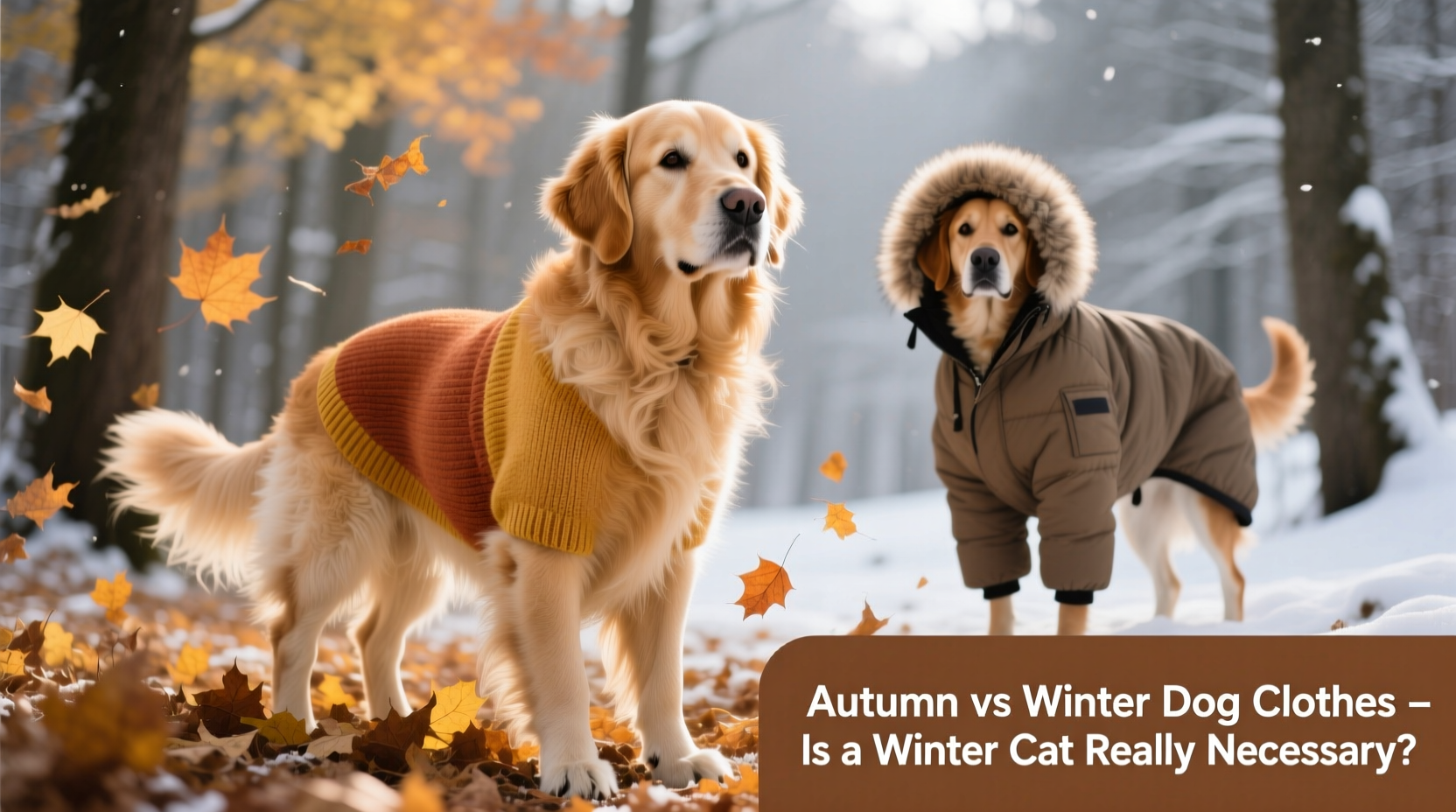
Dogs don’t experience cold the same way across the board. Breeds like Siberian Huskies or Newfoundlands thrive in freezing temperatures thanks to thick double coats. In contrast, small breeds such as Chihuahuas or toy poodles, along with short-haired dogs like Boxers or Greyhounds, lose body heat quickly and can begin shivering at temperatures below 45°F (7°C).
Age also plays a role. Puppies and senior dogs struggle more with temperature regulation. Dogs with medical conditions such as arthritis may find cold weather painful, as low temperatures can stiffen joints. Even healthy dogs can be affected by wind chill and wet conditions, which significantly increase heat loss.
“Cold stress in dogs is real. A dog’s normal body temperature is around 101–102.5°F. When external temperatures drop, especially with wind or moisture, smaller or thin-coated breeds can enter hypothermic states faster than many owners realize.” — Dr. Lena Reyes, DVM, Small Animal Specialist
Autumn Dog Clothes: Purpose and Limitations
Autumn gear is typically designed for transitional weather—cool but not freezing. These items include lightweight sweaters, fleece jackets, and rain-resistant vests. They offer modest insulation and help retain body heat during crisp morning walks or evening strolls.
Such clothing works well when temperatures range between 45°F and 60°F (7–15°C). However, autumn clothes lack the thermal density needed for sustained exposure in sub-40°F (-10°C to 4°C) environments. Most are not windproof or waterproof, so they fail under snowy or windy conditions.
Tip: Use autumn clothing as a base layer in early winter, but always add a waterproof outer shell when snow or rain is expected.Winter Dog Coats: Do They Really Make a Difference?
True winter dog coats are engineered for extreme conditions. They feature high-loft insulation, wind-resistant exteriors, and full coverage from chest to tail. Many include adjustable straps, reflective strips for visibility, and even built-in hoods or leg loops to prevent shifting.
For dogs living in regions with prolonged snowfall, icy winds, or temperatures below freezing, winter coats are not just helpful—they’re essential. They prevent frostbite on extremities like ears and paws and reduce the risk of respiratory issues caused by inhaling frigid air.
Consider this: a dog’s core body temperature can drop rapidly if exposed to wet snow for 30 minutes or more. A quality winter coat acts as a barrier, preserving warmth and allowing safe outdoor activity even in harsh weather.
When Winter Coats Are Non-Negotiable
- Dogs with short or thin coats (e.g., Dachshunds, Boston Terriers)
- Small breeds under 20 pounds
- Senior dogs or those with joint problems
- Puppies under six months old
- Dogs with health conditions affecting circulation or metabolism
Comparing Autumn and Winter Gear: A Practical Breakdown
| Feature | Autumn Clothing | Winter Coats |
|---|---|---|
| Temperature Range | 45–60°F (7–15°C) | Below 45°F (7°C), down to -20°F/-29°C |
| Insulation Level | Light (fleece, knit) | Heavy (thermal lining, synthetic down) |
| Water Resistance | Limited or none | High (coated fabrics, sealed seams) |
| Wind Protection | Minimal | Full coverage with snug fit |
| Coverage Area | Chest and back | Full torso, belly, sometimes neck and tail |
| Durability | Moderate (for occasional use) | High (designed for daily winter wear) |
Real-World Scenario: Max the Miniature Schnauzer
Max, a three-year-old Miniature Schnauzer in Chicago, has a dense beard but a relatively short coat. His owner, Sarah, used a cotton sweater during fall walks and assumed it would suffice in December. After two weeks of increasingly cold mornings, Max began hesitating at the door, lifting his paws quickly off the snow, and shivering after just five minutes outside.
Sarah consulted her vet, who recommended switching to a waterproof winter coat with thermal lining. Once Max was outfitted, he resumed his usual energetic walks—even in 20°F (-6°C) weather. The change wasn’t just about comfort; it reduced Max’s risk of hypothermia and allowed him to maintain his exercise routine without stress.
This case illustrates a common oversight: assuming that a dog’s appearance (like Max’s bushy eyebrows and beard) indicates cold resistance. In reality, body mass and coat thickness over the torso matter most.
Step-by-Step Guide: Choosing the Right Outerwear for Your Dog
- Assess your dog’s breed and coat type. Double-coated breeds may need only minimal coverage, while short-haired dogs likely require full insulation.
- Check local winter averages. If your area regularly sees temperatures below 40°F (4°C), invest in a true winter coat.
- Measure your dog accurately. Use a soft tape measure for neck, chest, and length from base of neck to tail.
- Test fit and mobility. Ensure the coat allows full leg movement and doesn’t restrict urination or defecation.
- Look for functional features. Prioritize adjustable straps, durable zippers, and reflective elements for safety.
- Introduce gradually. Let your dog wear the coat indoors first to avoid anxiety or resistance.
- Monitor during use. Watch for signs of discomfort, chafing, or overheating—yes, dogs can overheat even in winter.
Frequently Asked Questions
Can I use my dog’s autumn sweater in winter if I layer it?
Layering can help, but only if the outer layer is windproof and waterproof. Most autumn sweaters aren’t designed to be worn under shells and may bunch or lose effectiveness. It’s better to use a single, purpose-built winter coat.
How do I know if my dog is too cold?
Signs include shivering, lethargy, lifting paws frequently, reluctance to walk, or tucking the tail tightly. In severe cases, gums may turn pale, and breathing slows. If you observe these, bring your dog inside immediately and warm them gradually.
Do dogs need coats indoors?
Generally, no. Indoor heating maintains a stable temperature. If your dog seems cold inside, check for underlying health issues or consider non-clothing solutions like heated beds.
Action Checklist: Winter Readiness for Your Dog
- ✅ Evaluate your dog’s cold tolerance based on breed, age, and health
- ✅ Measure your dog for accurate coat sizing
- ✅ Replace autumn-only garments with insulated, waterproof winter coats if needed
- ✅ Test new clothing indoors before outdoor use
- ✅ Monitor behavior during cold-weather walks
- ✅ Keep paw balm and booties on hand for ice and salt protection
Final Thoughts: Comfort, Safety, and Smart Choices
The debate between autumn and winter dog clothing isn’t about fashion—it’s about function. While some dogs manage well with light autumn gear, others require serious winter protection to stay safe and active. Assuming that “a little cold” won’t hurt your dog underestimates how quickly conditions can become dangerous.
Winter coats aren’t an unnecessary luxury for most dogs in cold climates—they’re a practical tool for maintaining health, mobility, and quality of life. By understanding your dog’s individual needs and investing in the right gear, you ensure they remain comfortable, protected, and happy throughout the season.
💬 What’s your dog’s winter routine? Share your tips, favorite brands, or experiences with dog coats—we’d love to hear what works for you and your furry companion!