In the past decade, a quiet revolution has unfolded in closets across the world. What once began as gym-only attire—stretchy, breathable, form-fitting leggings—has steadily crept into daily life, challenging the long-standing dominance of denim jeans. Once considered the default choice for casual wear, work, and social outings, jeans now share space with athleisure leggings in wardrobes from urban centers to suburban neighborhoods. But which garment are people actually wearing more today? The answer isn't just about fashion—it's shaped by cultural shifts, workplace evolution, comfort demands, and changing lifestyles.
The rise of remote work, the normalization of hybrid dress codes, and a growing emphasis on wellness have all contributed to a reevaluation of what we consider “appropriate” clothing. As people prioritize flexibility and ease, athleisure has moved beyond trend status to become a functional cornerstone of modern dressing. Yet, jeans still hold symbolic value—durability, style, and timelessness—and remain deeply embedded in global fashion culture. To understand which is truly winning in real-world usage, we need to look beyond marketing claims and examine behavior, data, and context.
The Cultural Shift Toward Comfort
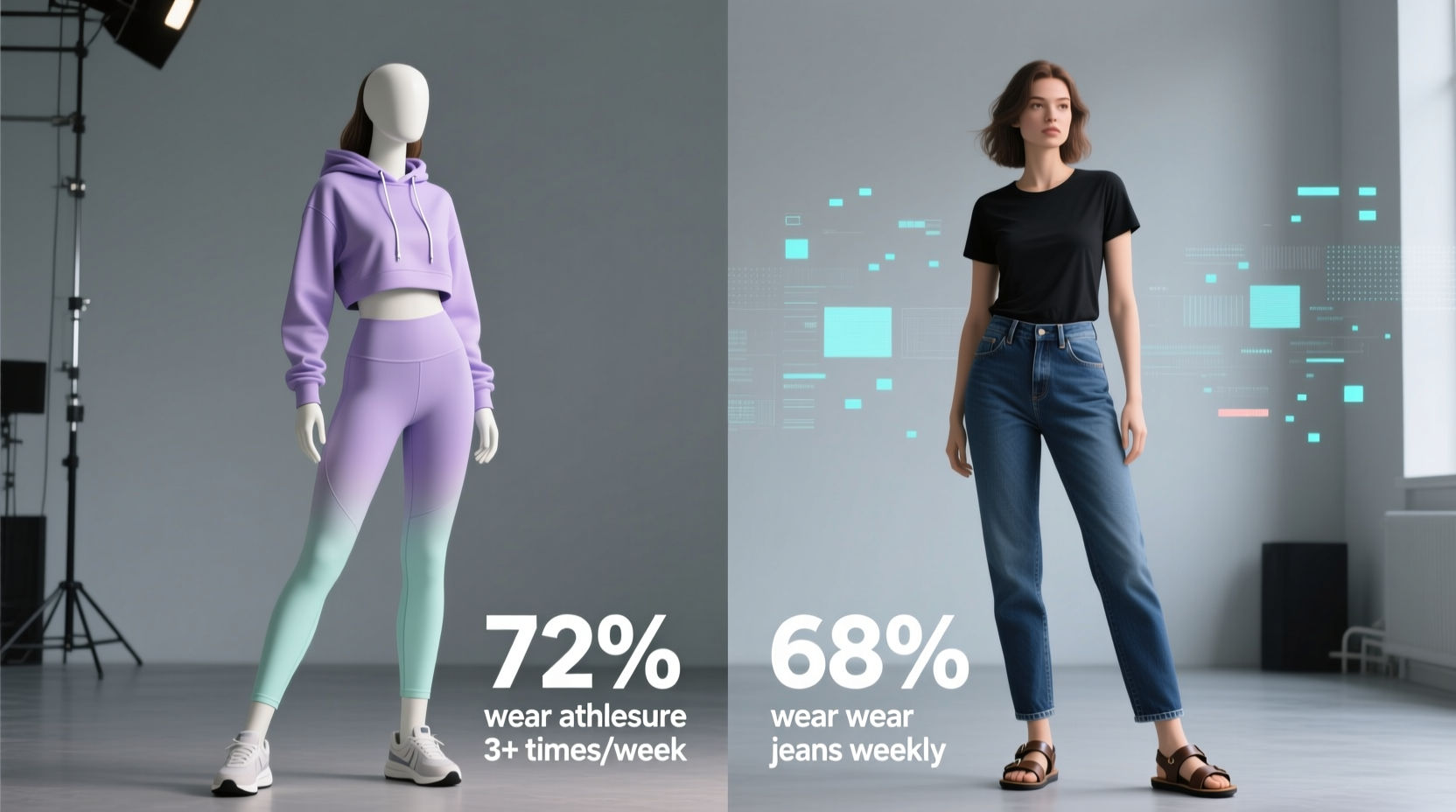
One of the most significant drivers behind the surge in athleisure leggings is the widespread cultural embrace of comfort. In the wake of the pandemic, many individuals reassessed their relationship with clothing. The rigid expectations of formal wear gave way to a preference for pieces that allow movement, breathability, and unrestricted activity. This shift wasn’t temporary—it became permanent for millions.
A 2023 report by NPD Group revealed that activewear sales continued to grow post-pandemic, outpacing traditional apparel categories. Leggings, specifically, saw a 17% year-over-year increase in unit sales compared to jeans, which remained flat. The data suggests a clear behavioral change: people aren’t just buying more leggings—they’re wearing them more frequently, often replacing jeans in everyday scenarios.
This isn’t limited to women. While leggings were historically marketed toward female consumers, gender-neutral and men’s performance pants—often indistinguishable from leggings—are gaining traction. Brands like Vuori, Lululemon, and Outdoor Voices now offer styles designed for men that blend athletic function with casual aesthetics, further blurring the line between gym wear and streetwear.
“Comfort is no longer a compromise—it’s a requirement. When people can move freely and feel good physically, they’re more likely to choose clothing that supports that experience.” — Dr. Lena Torres, Behavioral Fashion Psychologist, FIT
Workplace Evolution and Dress Code Flexibility
The transformation of the workplace has been pivotal in reshaping clothing habits. With nearly 40% of U.S. workers operating remotely or in hybrid models (per U.S. Bureau of Labor Statistics, 2023), the need for structured, durable denim has diminished. In home offices, coffee shops, and co-working spaces, leggings offer practical advantages: they don’t crease, require no break-in period, and transition seamlessly from screen meetings to school pickups.
Even in traditional office environments, dress codes have relaxed. Business-casual no longer means chinos and button-downs; it increasingly includes tailored joggers, ponte knit pants, and high-waisted leggings paired with tunics or blazers. Retailers like Banana Republic and Ann Taylor now feature “work-to-weekend” leggings explicitly designed for professional settings, signaling institutional acceptance of the trend.
In contrast, jeans—while still acceptable in many workplaces—require more maintenance. They fade, shrink, and often feel restrictive after hours of sitting. For employees juggling back-to-back Zoom calls and errands, leggings represent efficiency. One survey by Morning Consult found that 58% of remote workers reported wearing leggings at least three times per week, compared to 39% who wore jeans with similar frequency.
Tip: Pair dark, textured leggings (like ponte or compression fabric) with structured tops to elevate the look for semi-formal settings.Performance and Practicality: A Comparative Breakdown
To understand real-world usage, it helps to compare the functional attributes of leggings and jeans. While both serve as lower-body staples, their design philosophies differ significantly.
| Feature | Leggings | Jeans |
|---|---|---|
| Comfort | High stretch, soft waistbands, no break-in needed | Stiff initially, may pinch or bind over time |
| Durability | Moderate; prone to pilling and sheerness with frequent use | High; resists wear, maintains shape longer |
| Care Requirements | Machine wash cold, lay flat to dry | Can be machine washed, but frequent washing fades color |
| Versatility | Excellent for lounging, workouts, errands; limited in formal settings | Broad range—from casual to smart-casual; widely accepted |
| Seasonality | Year-round; thermal versions available for winter | Best in spring/fall; can overheat in summer, too stiff in winter |
The table highlights a trade-off: leggings win on comfort and convenience, while jeans lead in longevity and social acceptability. However, advancements in fabric technology—such as four-way stretch denim and moisture-wicking treatments—have begun closing the gap. Still, for sheer ease of daily wear, leggings consistently rank higher in user satisfaction surveys.
Real-World Usage: A Mini Case Study
Consider Sarah Kim, a 34-year-old project manager in Austin, Texas. Before 2020, her weekly rotation included at least four pairs of jeans—one for work, one for weekends, and two for evenings out. Today, her routine looks different. She works remotely three days a week, takes online Pilates classes twice a week, and volunteers at her daughter’s school on Fridays.
“I own six pairs of black leggings,” she says. “Two are for workouts, three are for work-from-home days, and one is slightly dressier with pockets and a higher waist. I probably wear them five days a week. Jeans? Maybe once, if I’m going to dinner somewhere nice.”
Sarah’s experience reflects a broader pattern. In cities with strong tech and creative economies—Seattle, Denver, Portland—the visibility of leggings in public spaces rivals or exceeds that of jeans. Coffee shops, grocery stores, and even casual restaurants now host patrons in yoga pants without raising eyebrows. Meanwhile, jeans are increasingly reserved for specific occasions: job interviews, dates, or events where “looking put together” matters.
Generational Preferences and Market Trends
Age plays a crucial role in this sartorial shift. Millennials and Gen Z consumers—now the largest spending demographics—prioritize functionality and self-expression over tradition. According to a McKinsey & Company analysis, 62% of consumers under 35 view athleisure as “everyday wear,” compared to just 38% of Baby Boomers.
Brands have responded aggressively. Lululemon’s revenue surpassed $8 billion in 2023, driven largely by demand for its Align and Wunder Train leggings. Meanwhile, legacy denim companies like Levi’s have launched their own stretch and hybrid lines, such as the Ribcage Flare and Lot 700 jogger jeans, attempting to mimic the comfort of leggings while retaining denim’s aesthetic.
Social media amplifies this trend. Instagram and TikTok influencers regularly style leggings with oversized sweaters, sneakers, and statement jackets—outfits once unthinkable outside fitness contexts. Hashtags like #leggingstyle and #athleisureoutfit have billions of views, far outpacing #jeansstyle or #denimoutfit.
- Gen Z values versatility and sustainability—leggings made from recycled nylon align better with these ideals than resource-intensive cotton denim.
- Millennials, often balancing parenting and careers, appreciate the low-maintenance nature of leggings.
- Older generations still associate jeans with reliability and authenticity, making adoption slower.
When Jeans Still Win
Despite the momentum behind leggings, jeans retain critical advantages. They are more socially accepted in conservative environments—rural areas, certain industries (finance, law), and formal gatherings. Their durability also makes them cost-effective over time. A well-made pair of jeans can last five years or more with proper care, whereas leggings typically show signs of wear within 12–18 months.
Moreover, jeans carry cultural weight. They symbolize rebellion, rugged individualism, and Americana. This emotional resonance keeps them relevant, even as practical preferences shift. For many, wearing jeans is a deliberate choice—a nod to heritage, craftsmanship, or personal identity.
That said, even loyal denim wearers are adapting. It’s common now to see people own just one or two favorite pairs of jeans, rotating them sparingly, while relying on leggings for daily use. Denim hasn’t disappeared—it’s been downgraded from staple to accent.
Actionable Checklist: Choosing What Works for You
Instead of treating leggings and jeans as competitors, consider building a balanced wardrobe. Use this checklist to assess your needs:
- Evaluate your daily activities: Do you sit for long periods? Work out at home? Pick up kids after school? If yes, prioritize comfort with leggings.
- Assess your environment: Is your workplace strict about dress code? Do you attend formal events regularly? If so, keep a few versatile jeans.
- Test fabric quality: Invest in high-opacity, squat-proof leggings and stretch-denim jeans to maximize wearability.
- Rotate for longevity: Avoid overwashing either garment. Rotate between 2–3 pairs to extend lifespan.
- Style intentionally: Elevate leggings with structured layers; soften jeans with relaxed knits to suit your lifestyle.
Frequently Asked Questions
Are leggings really appropriate for public wear?
Yes, provided they are clean, opaque, and styled appropriately. Pairing leggings with longer tops, boots, or blazers signals intentionality and fits modern casual norms in most communities.
Do jeans still have a place in a comfort-focused wardrobe?
Absolutely. High-quality stretch jeans offer a middle ground—durable enough for repeated wear, flexible enough for comfort. They’re ideal for transitional seasons and occasions requiring a polished look.
Is the decline of jeans bad for the fashion industry?
Not necessarily. While denim sales have plateaued, innovation in hybrid fabrics and sustainable production keeps the category evolving. The market is shifting, not collapsing.
Conclusion: The New Normal Is Flexible
The data and cultural cues are clear: people are wearing athleisure leggings more than jeans in their day-to-day lives. Comfort, adaptability, and lifestyle changes have elevated leggings from niche activewear to mainstream essential. Jeans haven’t vanished—but their role has changed. They’re no longer the automatic default; they’re a choice, often saved for moments when structure and symbolism matter more than ease.
This isn’t about declaring a winner. It’s about recognizing that clothing serves function first. As work, leisure, and identity continue to blend, the garments we wear will reflect that integration. The future of fashion isn’t about jeans versus leggings—it’s about having the freedom to choose what works, when it works.
💬 What’s in your rotation this week—leggings, jeans, or both? Share your go-to outfit formula and help others navigate the new era of everyday dressing.








