In the early days of the pandemic, the scramble for hygiene solutions was intense. Among the most popular gadgets to emerge was the UV phone sanitizer—a compact device promising to kill germs on your smartphone with ultraviolet light. Fast forward to today, and while the urgency has faded, these devices remain on store shelves and in online marketplaces. But are they still a worthwhile purchase, or just a relic of pandemic-era anxiety? With fewer people obsessing over surface disinfection and more focus shifting to airborne transmission, it’s time for a grounded assessment of whether UV phone sanitizers deliver real value in our current reality.
The Rise and Reality of UV Sanitization
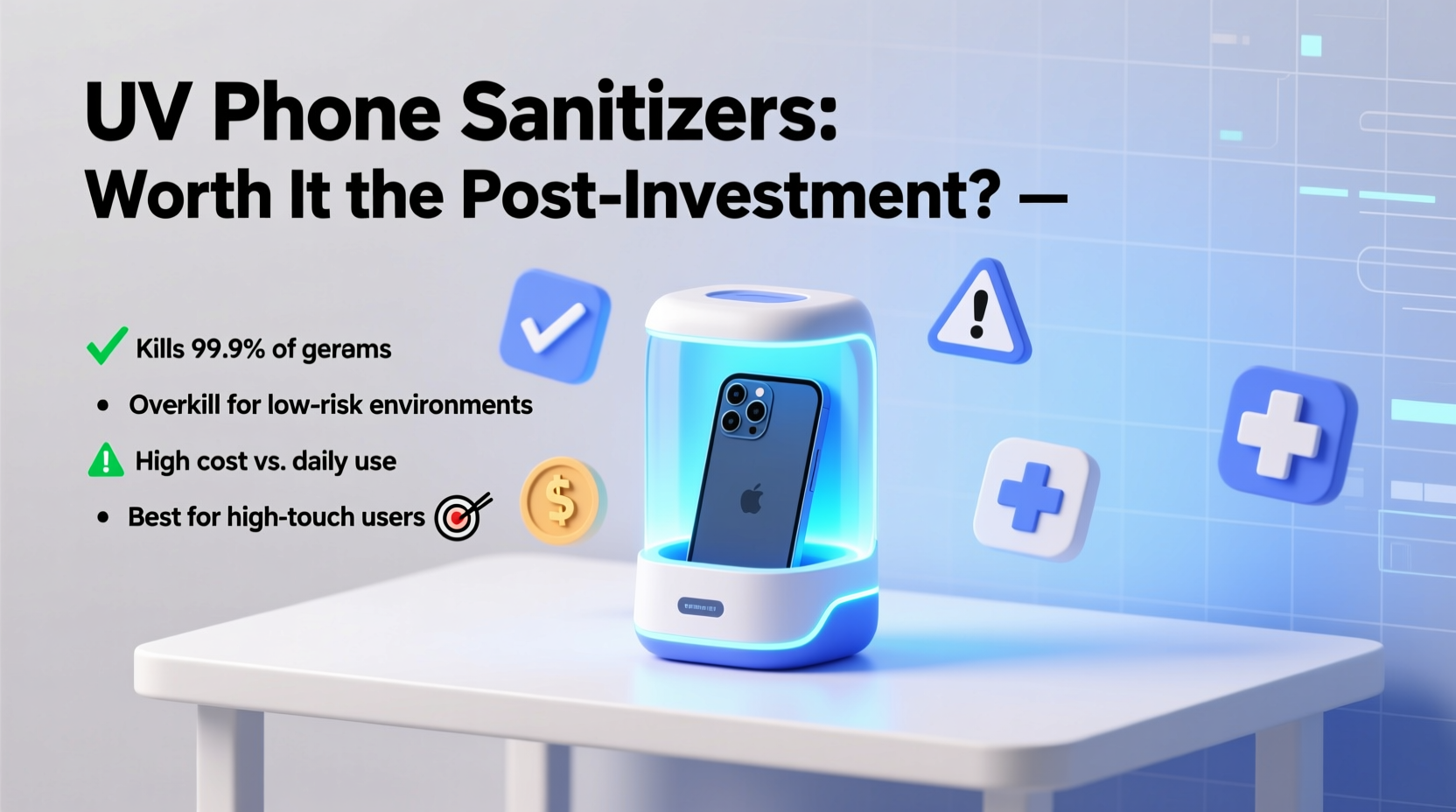
UV-C light, a short-wavelength ultraviolet radiation, has long been used in hospitals, labs, and water treatment facilities to destroy bacteria, viruses, and mold by damaging their DNA or RNA. When the pandemic hit, manufacturers quickly adapted this technology into consumer-friendly formats—small boxes or wands designed to sanitize phones, keys, earbuds, and other high-touch personal items.
The appeal was clear: your phone is one of the dirtiest items you touch daily. Studies have shown that smartphones can harbor more bacteria than a toilet seat, including E. coli, Staphylococcus, and even traces of respiratory viruses. In theory, a quick 5–10 minute cycle in a UV sanitizer could eliminate up to 99.9% of pathogens. That sounds impressive—until you consider real-world variables like shadowing (areas blocked from direct light), exposure time, and lamp intensity.
“UV-C is effective when properly applied, but consumer devices often lack the power and uniformity needed for reliable disinfection.” — Dr. Lena Patel, Microbiologist at the National Institute of Environmental Health Sciences
Unlike hospital-grade systems that use calibrated UV-C lamps in controlled environments, many consumer models rely on weaker LEDs and inconsistent placement. This means coverage isn’t always complete, especially on curved surfaces or under camera bumps.
Effectiveness: What the Science Says
Laboratory tests on certain UV sanitizers do show significant microbial reduction—sometimes exceeding 99% for common bacteria and enveloped viruses like influenza and coronaviruses. However, these results are typically achieved under ideal conditions: clean surfaces, direct exposure, and sufficient dwell time.
A 2022 study published in *The Journal of Hospital Infection* evaluated 12 consumer UV devices and found that only five achieved consistent pathogen reduction across all test surfaces. The rest failed to reach full coverage due to poor internal reflectivity or low-intensity bulbs. Additionally, UV light cannot penetrate grime; if your phone is visibly dirty, oils and debris can shield microbes from exposure.
Another limitation is that UV-C does not remove physical residue. While it may kill germs, your phone can still feel sticky or grimy. For that reason, experts recommend cleaning with a microfiber cloth and 70% isopropyl alcohol before using a UV device—essentially making the UV step optional rather than essential.
Tip: Always wipe your phone with a slightly damp alcohol cloth before UV treatment. UV light works best on clean surfaces.Comparing Alternatives: UV vs. Traditional Cleaning
| Method | Effectiveness | Speed | Safety | Cost Over Time |
|---|---|---|---|---|
| UV Sanitizer (Consumer Grade) | Moderate to High (if used correctly) | 5–10 minutes per cycle | Low risk if sealed; avoid skin/eye exposure | $30–$80 upfront; no recurring cost |
| Alcohol Wipes / Spray + Cloth | High (when applied thoroughly) | 1–2 minutes | Safe for phones if used sparingly | $5–$15 per month |
| Antibacterial Phone Cases | Low to Moderate (reduces growth over time) | Passive protection | Very safe | $20–$40 every 6–12 months |
| Do Nothing | Poor | N/A | Risk of germ buildup | $0 |
The table shows that traditional cleaning methods are not only faster and cheaper but also more consistently effective. A well-applied alcohol wipe reaches every corner, removes gunk, and kills germs on contact. UV devices, while convenient, add an extra layer of complexity without necessarily improving outcomes.
Who Might Still Benefit?
Not everyone needs a UV phone sanitizer—but some individuals or situations may justify the investment:
- Healthcare workers who carry phones into clinical settings where contamination risk is higher.
- Parents of infants who frequently place phones near baby gear or changing areas.
- Frequent travelers staying in shared accommodations or using public transit.
- Immunocompromised individuals seeking additional precautions during flu season or outbreaks.
For these users, a UV sanitizer might offer peace of mind—and in some cases, measurable risk reduction. However, even in high-risk scenarios, UV should complement, not replace, manual cleaning.
Mini Case Study: A Nurse’s Experience
Sarah M., an ICU nurse in Chicago, began using a UV phone sanitizer during the height of the pandemic. “I was bringing my phone into patient rooms for shift reports, and I didn’t want to track anything home to my kids,” she explained. She used a popular brand that claimed 99.9% germ elimination in six minutes.
After six months, she noticed the device collected dust inside, and the UV indicator light flickered. When she compared swab tests from her phone before and after sanitizing, lab results showed only a 78% reduction in bacteria—far below the advertised performance. “I realized I was spending more time charging the sanitizer than actually cleaning my phone,” she said. She switched back to alcohol wipes and now sanitizes her phone twice daily without relying on gadgets.
Her experience reflects a broader trend: convenience doesn’t always equal efficacy.
Safety Concerns and Misconceptions
While UV-C is powerful, it comes with risks. Direct exposure to UV-C light can damage skin and eyes. Although most consumer devices are enclosed and claim to shut off when opened, poorly made units may leak radiation. The FDA has issued warnings about unverified UV products making false safety claims.
Additionally, prolonged UV exposure can degrade materials. Repeated cycles may cause your phone’s screen coating to yellow, rubberized buttons to crack, or plastic casings to become brittle. Apple and Samsung both advise against using UV sterilizers on their devices, noting potential harm to oleophobic (fingerprint-resistant) coatings.
“We’ve seen increased screen degradation in phones regularly exposed to UV sanitizers. It’s not just about killing germs—it’s about preserving your device.” — Tech Support Lead, Authorized Repair Center, Austin, TX
There’s also a psychological risk: overconfidence. Relying solely on a UV box might lead users to neglect handwashing or skip wiping down other surfaces, creating a false sense of security.
Step-by-Step Guide: Maximizing Phone Hygiene Without Overspending
If you’re looking to keep your phone clean without investing in a UV device, follow this practical routine:
- Turn off your phone and unplug any cables to prevent damage or short circuits.
- Dampen a soft, lint-free cloth with 70% isopropyl alcohol. Do not spray liquid directly onto the phone.
- Gently wipe all surfaces, including screen, sides, ports (lightly), and back. Avoid openings like speakers and charging ports.
- Let it air dry completely before turning it back on.
- Clean your phone case separately—remove it and wash with soap and water if possible.
- Repeat every 2–3 days, or daily during illness outbreaks or heavy usage.
- Wash your hands regularly and avoid touching your face after handling shared surfaces.
This method costs less than $10 a year in supplies and takes less than two minutes. It physically removes dirt and kills germs effectively—something UV alone cannot do.
Checklist: Is a UV Sanitizer Right for You?
Before buying, ask yourself the following:
- ✅ Do I work in a high-contamination environment (hospital, daycare, lab)?
- ✅ Am I immunocompromised or caring for someone who is?
- ✅ Have I researched models with independent lab testing and safety certifications?
- ✅ Am I willing to maintain the device (clean interior, replace bulbs annually)?
- ❌ Am I buying this mainly out of habit or leftover pandemic fear?
- ❌ Will I neglect manual cleaning because I own a UV box?
If most of your answers are “yes” to the first four and “no” to the last two, a UV sanitizer might be a reasonable addition. Otherwise, simpler alternatives likely suffice.
Frequently Asked Questions
Can UV phone sanitizers kill the coronavirus?
Yes, UV-C light can inactivate SARS-CoV-2 on surfaces under controlled conditions. However, consumer devices vary widely in output and exposure quality. While some may reduce viral load, they should not be relied upon as the sole method of protection, especially since the virus primarily spreads through aerosols, not surfaces.
Do UV sanitizers damage iPhones or Android phones?
Prolonged or frequent use can degrade screen coatings, discolor plastics, and weaken adhesives. Both Apple and Samsung caution against UV sterilization. If you choose to use one, limit cycles and inspect your device regularly for signs of wear.
Are UV wands safer than sanitizer boxes?
No—consumer UV wands pose a higher risk because they are open and can expose skin and eyes to harmful radiation. The FDA has warned against their use due to inadequate safety controls. Enclosed boxes are safer, but still require caution and proper certification.
Conclusion: Value in Context, Not Hype
UV phone sanitizers are neither miracle devices nor useless gimmicks—they fall somewhere in between. In the immediate panic of 2020, they offered a tangible way to feel in control. Today, with better understanding of virus transmission and improved hygiene habits, their necessity has diminished for most people.
If you're in a high-risk setting or simply prefer the ritual of automated sanitizing, a well-reviewed, lab-tested UV box can be a useful tool. But for the average user, a microfiber cloth and a bottle of alcohol do the job faster, cheaper, and more thoroughly.
The real lesson from the pandemic isn’t about gadgets—it’s about consistency. Regular cleaning, hand hygiene, and awareness matter far more than any single device. Instead of chasing the latest tech solution, focus on sustainable habits that protect your health and your devices in the long run.
🚀 Ready to simplify your hygiene routine? Start tonight: grab a cloth, wipe down your phone, and ditch the clutter. Share your go-to cleaning tip in the comments and help others separate fact from fear-driven marketing.