Linen has long occupied a paradoxical space in the fashion world. Revered for its breathability, natural texture, and effortless sophistication, it is equally notorious for its tendency to wrinkle at the slightest provocation. For many, the question isn’t whether linen looks good—it clearly does—but whether the upkeep justifies the aesthetic payoff. Is it worth embracing the creases, hand-washing rituals, and careful storage, or should we reserve linen for occasional wear and stick to more forgiving fabrics?
The answer lies not in absolutes but in understanding what linen truly offers: a blend of practicality, sustainability, and enduring style that few textiles can match. When worn with intention and cared for properly, linen transcends its so-called flaws and becomes a wardrobe cornerstone.
The Allure of Linen: Why It Endures
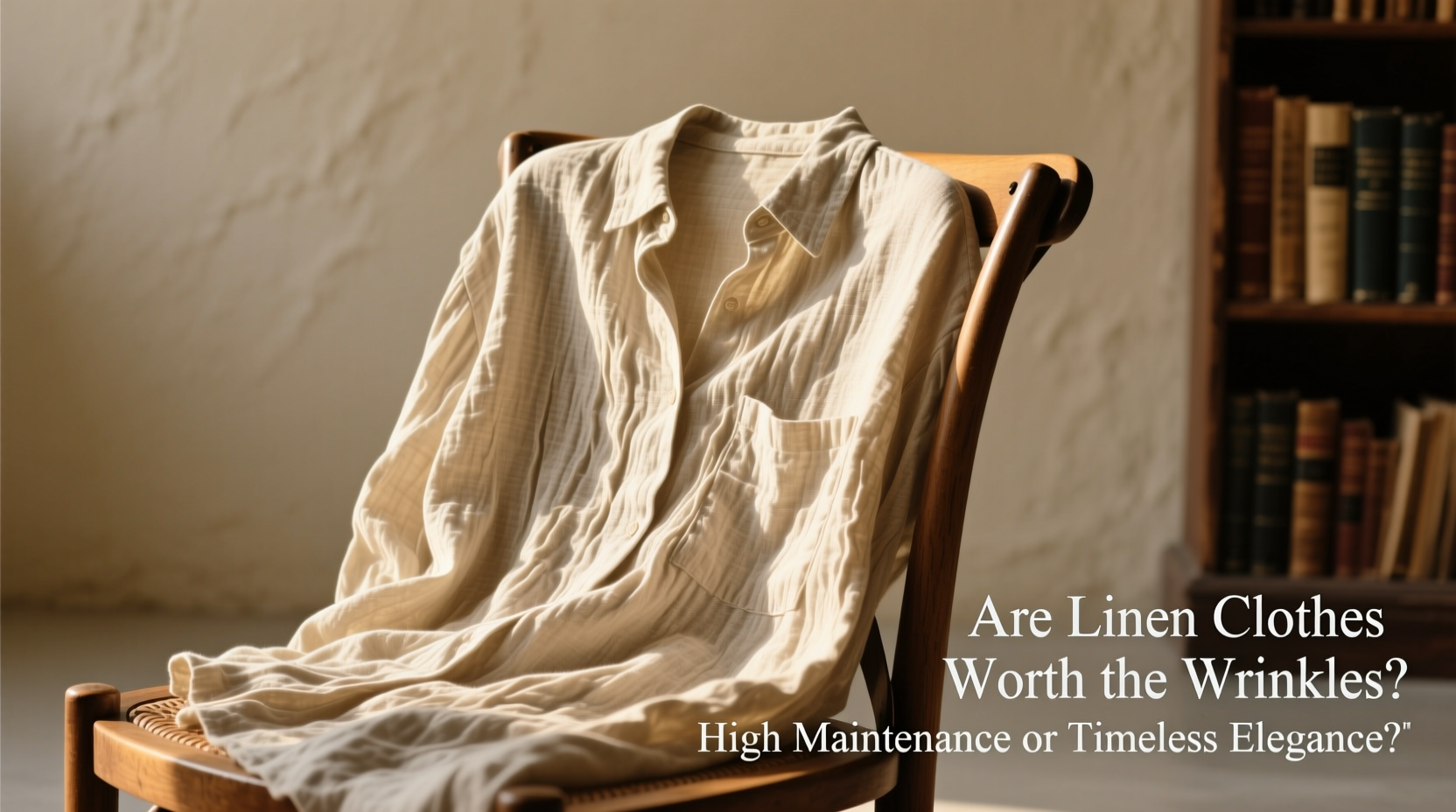
Linen is made from the fibers of the flax plant, one of the oldest cultivated crops in human history. Its use dates back to ancient Egypt, where it was prized for both clothing and burial shrouds due to its purity and durability. Today, linen remains a symbol of slow fashion—natural, biodegradable, and resilient when treated well.
What sets linen apart is its performance in warm climates. Unlike synthetic fabrics that trap heat, linen is highly breathable and absorbs moisture without feeling damp. It wicks sweat efficiently, dries quickly, and actually gets softer with every wash. Over time, it develops a lived-in look that speaks of ease rather than neglect.
Stylistically, linen leans into minimalism. A well-cut linen shirt, dress, or trouser carries an air of understated confidence. It doesn’t shout luxury; it whispers refinement. Designers from Gabriela Hearst to Phoebe Philo have championed linen for its quiet elegance and alignment with sustainable values.
“Linen rewards patience. The more you accept its nature, the more it gives back in comfort and character.” — Clara Nguyen, Sustainable Fashion Consultant
Debunking the High-Maintenance Myth
Yes, linen wrinkles. Badly. But calling it “high maintenance” overlooks a critical shift in cultural attitude toward clothing. In decades past, crisp, ironed garments signaled professionalism and polish. Today, especially in casual and creative environments, texture and movement are valued over starched perfection.
The real question isn’t whether linen requires special care, but whether that care is burdensome or simply different. Consider this: linen typically needs less frequent washing than cotton because it resists odor-causing bacteria. You can air out a linen blazer after wearing and wear it again without laundering—a small but meaningful advantage in reducing water and energy use.
Where linen does demand attention is in drying and storage. Tumble drying on high heat can shrink or weaken fibers. Folding improperly may deepen creases unnecessarily. But these aren’t insurmountable hurdles—they’re mindful habits that align with a more intentional approach to dressing.
Tip: After washing, remove linen garments while slightly damp and hang them immediately. Smooth out major folds by hand—this reduces wrinkling without needing ironing.Care Guide: How to Keep Linen Looking Intentionally Lived-In
The key to enjoying linen lies in adapting your care routine to its natural behavior. Rather than fighting the fabric, work with it. Below is a step-by-step guide to maintaining linen garments while preserving their organic charm.
- Washing: Use cold or lukewarm water on a gentle cycle. Turn garments inside out to protect the surface. Opt for mild, eco-friendly detergent—harsh chemicals degrade flax fibers over time.
- Drying: Air dry whenever possible. Lay flat or hang to prevent stretching. If using a dryer, choose low heat and remove items before fully dry to minimize wrinkles.
- Ironing: Only if desired. Many people skip ironing entirely, embracing the crinkled look. For a smoother finish, iron on medium-high heat while the fabric is still slightly damp. Use steam for best results.
- Storage: Fold neatly or hang on padded hangers. Avoid plastic garment bags; breathable cotton covers allow airflow and prevent mustiness.
- Spot Cleaning: Address spills promptly with a damp cloth. Avoid scrubbing—blot gently to prevent fiber damage.
When Ironing Makes Sense
There are moments when a crisp linen look enhances an outfit—weddings, formal brunches, or professional settings where polished attire is expected. In such cases, ironing is worth the effort. However, even then, consider partial ironing: press only the collar, cuffs, and front placket, leaving the rest softly rumpled for balance.
Comparative Table: Linen vs. Cotton vs. Polyester
| Fabric | Breathability | Wrinkle Resistance | Environmental Impact | Comfort in Heat | Maintenance Level |
|---|---|---|---|---|---|
| Linen | Excellent | Poor (wrinkles easily) | Low (biodegradable, low water use) | Superior | Moderate (hand-wash or gentle cycle) |
| Cotton | Good | Fair | High (water-intensive farming) | Good | Low to Moderate |
| Polyester | Poor (traps heat) | Excellent (wrinkle-resistant) | High (microplastics, non-biodegradable) | Poor | Low (machine washable) |
This comparison highlights linen’s trade-offs: it scores poorly on wrinkle resistance but excels in sustainability and comfort. For those prioritizing environmental ethics and thermal regulation, linen’s advantages far outweigh its aesthetic quirks.
Real-Life Example: Embracing Linen in a Corporate-Casual Office
Sophie, a 34-year-old marketing strategist in Barcelona, transitioned to a linen-heavy summer wardrobe three years ago. Her office follows a smart-casual dress code, allowing for personal expression within professional boundaries. Initially hesitant about wearing wrinkled trousers, she experimented with a beige linen blend pair paired with a structured silk camisole and loafers.
To her surprise, colleagues complimented her “relaxed yet put-together” look. Encouraged, she expanded her collection to include a navy linen blazer and ivory tunic shirts. She adopted a simple care routine: airing clothes between wears, spot-cleaning minor stains, and hanging garments right after washing.
Now, Sophie wears linen year-round in layered combinations. In winter, she pairs dark linen pants with wool sweaters. Her experience underscores a broader trend: when styled thoughtfully, linen reads as intentional, not careless. The texture adds depth to an outfit, much like brushed suede or raw denim.
Checklist: Building a Sustainable Linen Wardrobe
- ✅ Start with one versatile piece: a neutral-colored linen shirt or midi dress.
- ✅ Choose blends wisely—100% linen offers maximum breathability but wrinkles more; 70/30 linen-cotton blends offer easier care.
- ✅ Prioritize fit and cut—well-tailored linen garments drape better and appear more refined.
- ✅ Invest in quality over quantity—durable stitching and dense weave last longer.
- ✅ Wash only when necessary—air out between uses to extend wear cycles.
- ✅ Store folded or on wide hangers to maintain shape.
- ✅ Embrace the crinkle—style around the texture instead of fighting it.
Expert Insight: The Designer Perspective
Fashion designers who work extensively with linen often speak of its honesty. It doesn’t hide imperfections—of construction or care—but it also doesn’t pretend to be something it’s not. That authenticity resonates with consumers seeking transparency in their clothing choices.
“Linen teaches us to appreciate imperfection. It ages beautifully, like skin or wood. The creases tell a story of movement, of life being lived.” — Rafael Costa, Slow Fashion Designer
This philosophy is gaining traction among conscious consumers. As fast fashion faces increasing scrutiny, materials like linen represent a return to craftsmanship and longevity. A single linen shirt, worn for a decade with proper care, has a lower environmental footprint than five polyester shirts replaced annually.
Frequently Asked Questions
Can I machine wash linen clothes?
Yes, most linen garments can be machine washed on a gentle cycle with cold water. Always check the care label first. Use a mild detergent and avoid bleach or optical brighteners, which can weaken fibers and cause yellowing over time.
Why does my linen shirt feel rough at first?
New linen can feel stiff because the fibers haven’t been broken down through wear and washing. With each wash, the fabric softens significantly. Some brands pre-wash linen to accelerate this process—look for “garment-washed” descriptions when shopping.
How do I remove stains from linen without damaging it?
Treat stains promptly with cold water and mild soap. For organic stains (food, sweat), soak in a mixture of water and a small amount of oxygen-based cleaner (like OxiClean) for 30 minutes before washing. Avoid chlorine bleach, which degrades flax fibers and causes brittleness.
Conclusion: Wrinkles as a Feature, Not a Flaw
Linen clothes are absolutely worth the wrinkles—not despite them, but because of them. The very characteristic that some see as a drawback is what gives linen its soul. It moves with the body, breathes with the climate, and ages with grace. It rejects artificial perfection in favor of authenticity.
Calling linen “high maintenance” assumes the goal is flawlessness. But in a world increasingly drawn to mindfulness, sustainability, and self-expression, that assumption no longer holds. Linen asks for a different kind of respect—one rooted in acceptance rather than control.
If you’re ready to step away from the constant pursuit of pristine appearance and embrace clothing that evolves with you, linen is not just worth it—it’s essential.
💬 Have a favorite linen outfit or care tip? Share your experience below and inspire others to wear linen with confidence and joy.








