
For millions of people who bike, walk, or rely on public transit in cold climates, winter mornings mean stiff fingers, numb fingertips, and a constant battle against the chill. Standard winter gloves often fall short when temperatures dip below freezing, especially during prolonged exposure. Enter heated gloves—battery-powered handwear promising warmth, comfort, and dexterity even in subzero conditions. But are they a game-changer for daily commuters, or just an expensive gimmick?
The answer depends on your commute, climate, budget, and personal tolerance for cold. This article examines the practical value of heated gloves through real-world use cases, technical features, cost-benefit analysis, and expert insights to help you determine whether they’re a smart investment or unnecessary overkill.
How Heated Gloves Work: The Technology Behind the Warmth
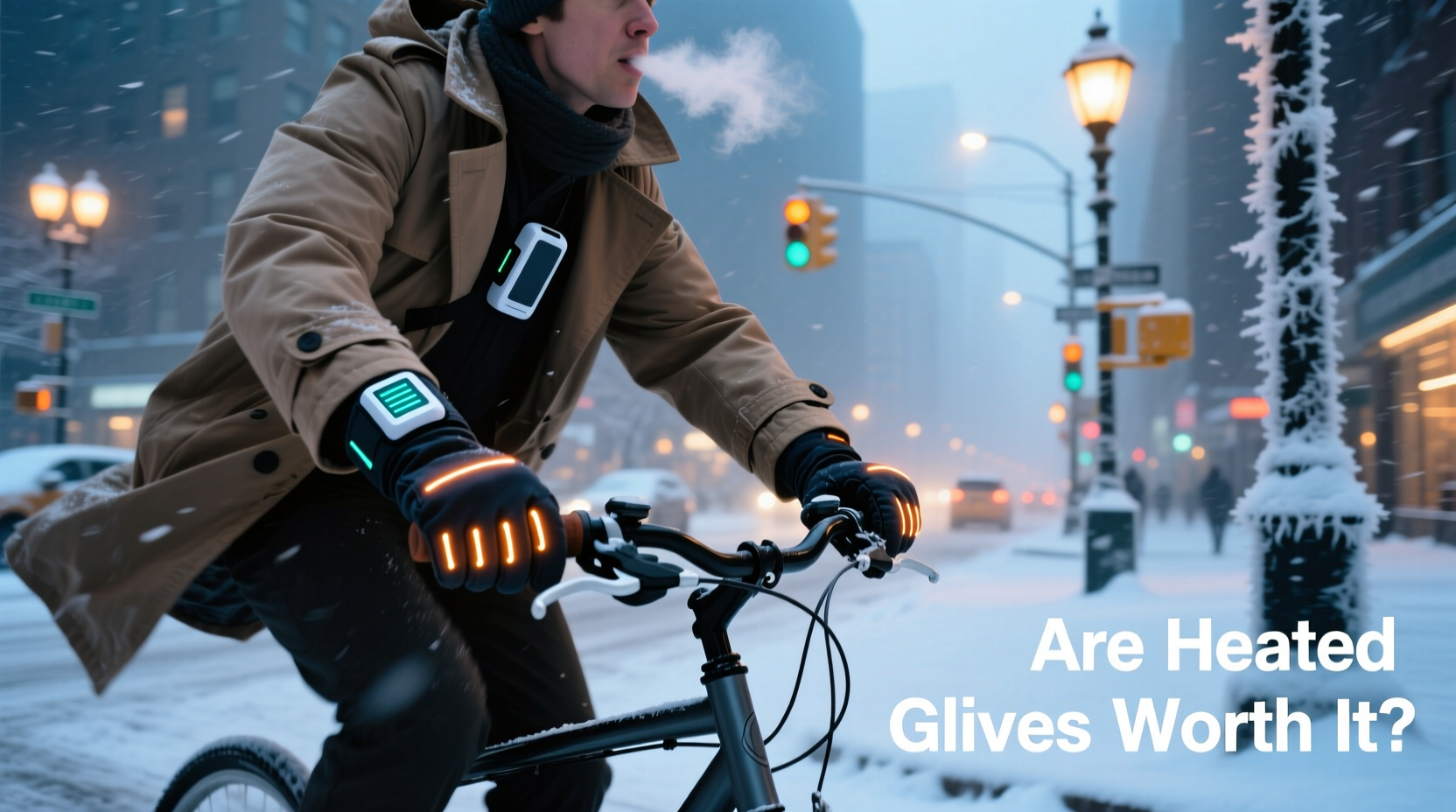
Heated gloves integrate thin, flexible heating elements—usually carbon fiber or metal alloy wires—into the lining of the glove. These elements are connected to a rechargeable lithium-ion battery, typically housed in a pocket on the wrist or back of the hand. When activated, the heating system delivers consistent warmth across key areas like the palm, fingers, and back of the hand.
Most models offer multiple heat settings (low, medium, high), controlled via a button on the glove or a smartphone app. Battery life varies by model and setting, ranging from 2 to 8 hours on a single charge. Charging is usually done via USB-C or micro-USB, with full recharge times between 2 and 4 hours.
Modern versions also include features like water resistance, touchscreen-compatible fingertips, windproof exteriors, and machine-washable liners. Some brands, such as Gerbing, Heat Experience, and Milwaukee, specialize in performance-oriented heated gear used by motorcyclists, outdoor workers, and serious winter athletes.
“Thermal regulation in extremities directly impacts overall comfort and safety in cold environments. For commuters exposed to wind chill, heated gloves can be a functional necessity—not a luxury.” — Dr. Lena Patel, Environmental Physiologist at the University of Alberta
Benefits for Winter Commuters: When They Make Sense
Not all commutes are equal. A five-minute walk from garage to office is different from a 30-minute bike ride through snow-covered streets. For those facing extended outdoor exposure, heated gloves offer tangible advantages:
- Enhanced circulation and dexterity: Cold hands lose fine motor control. Heated gloves maintain blood flow, improving grip and reducing fumbling with keys, phones, or transit cards.
- Wind and wet resistance: Many heated gloves are designed with weatherproof shells, making them more effective than standard wool or fleece gloves in rainy or snowy conditions.
- Consistent warmth without bulk: Unlike thick mittens that limit movement, heated gloves deliver targeted heat while remaining relatively slim, ideal for cyclists or scooter riders needing handlebar control.
- Mental comfort and focus: Warm hands reduce stress and distraction during cold commutes, helping you arrive at work alert rather than shivering and fatigued.
When Heated Gloves Might Be Overkill
Despite their benefits, heated gloves aren’t universally necessary. For many commuters, traditional insulated gloves remain sufficient—and more practical. Consider these scenarios where heated gloves may be overengineered:
- Short commutes: If you spend less than 10 minutes outdoors, passive insulation (e.g., merino wool or Thinsulate-lined gloves) will likely keep you warm without needing power.
- Reliable indoor access: Office workers with covered parking or direct building entry may not face enough exposure to justify the cost.
- Battery anxiety: Forgetting to charge your gloves means starting your commute with cold hands—sometimes worse than predictable insulation.
- Cost sensitivity: Quality heated gloves range from $80 to $200+, significantly more than premium non-heated alternatives.
In milder climates (above 25°F / -4°C), the added complexity of batteries and electronics may not outweigh the marginal gain in warmth. Additionally, frequent washing can degrade internal wiring over time, reducing longevity compared to simpler glove designs.
Real-World Test: A Week with Heated Gloves in Minneapolis
To evaluate real-world performance, we followed Sarah K., a 34-year-old urban planner in Minneapolis, during her one-week trial with a mid-range heated glove model (Heat Experience Pro, $129) during a week of sub-freezing temperatures averaging 18°F (-8°C).
Sarah bikes 25 minutes each way to work, often in windy conditions. She previously used double-layered ski gloves but struggled with finger stiffness and poor phone interaction.
Day 1: Excited but forgot to charge gloves. Arrived with cold hands—highlighting dependency on prep.
Day 3: Fully charged, set to medium heat. Reported “immediate relief” upon startup and maintained comfort throughout the ride. Touchscreen functionality worked reliably.
Day 5: Light snowfall. Glove shell repelled moisture well; inner liner stayed dry. No issues with battery performance after 3.5 hours of use.
Day 7: After washing per instructions (removable liner, spot clean outer), gloves showed no loss of function.
Verdict: ���They’re not magic, but they make winter biking actually enjoyable. I’d buy them again—but only because my commute is long and exposed.”
Comparison: Heated vs. Traditional Winter Gloves
| Feature | Heated Gloves | Traditional Insulated Gloves |
|---|---|---|
| Warmth Level | High (adjustable) | Medium to High (fixed) |
| Dexterity | High (slim design, targeted heat) | Low to Medium (bulk limits movement) |
| Battery Required | Yes (rechargeable) | No |
| Lifespan | 2–4 years (electronics degrade) | 3–6 years (with care) |
| Price Range | $80–$200+ | $20–$80 |
| Weather Resistance | High (often waterproof) | Variable (depends on material) |
| Maintenance | Moderate (battery care, spot cleaning) | Easy (machine washable options) |
Choosing the Right Heated Gloves: A Buyer’s Checklist
If you're considering heated gloves, use this checklist to ensure you select a model suited to commuting needs:
- ✅ Rechargeable battery with at least 3-hour runtime on medium setting
- ✅ Multiple heat settings (at least low/medium/high)
- ✅ Water-resistant or waterproof outer shell
- ✅ Touchscreen-compatible fingertips
- ✅ Secure battery compartment (won’t shift during movement)
- ✅ Machine-washable or easy-to-clean liner
- ✅ Reflective details for visibility in low light
- ✅ Comfortable fit with room for circulation (not too tight)
- ✅ Warranty of at least 1 year (covers heating element failure)
- ✅ Compatibility with your typical hand size and glove shape (gauntlet vs. wrist-length)
Step-by-Step Guide: Maximizing Performance and Longevity
To get the most out of your heated gloves and avoid premature failure, follow this routine:
- Charge fully before first use: Ensures optimal battery calibration and performance.
- Preheat before heading out: Turn on gloves 2–3 minutes before leaving to establish warmth before exposure.
- Use lowest effective setting: Start on low; increase only if needed. Extends battery life and reduces wear.
- Turn off immediately after use: Prevents accidental discharge and conserves battery cycles.
- Store in a dry place: Avoid damp basements or hot cars—extreme temps degrade lithium batteries.
- Clean according to manufacturer instructions: Never submerge battery compartments; air-dry completely before reuse.
- Inspect monthly: Check for frayed wires, loose seams, or diminished heating response.
- Replace batteries if capacity drops: Some models allow battery replacement; others require full glove replacement.
Frequently Asked Questions
Can I wear heated gloves in the rain or snow?
Yes, most quality heated gloves are water-resistant or waterproof. However, ensure the battery compartment is sealed properly. Avoid submerging them, and let them air-dry completely after wet use.
Do heated gloves really last longer than regular gloves?
Generally, no. While materials may be durable, the integrated electronics have a limited lifespan. Most users report 2–4 years of reliable service, compared to 5+ years for well-maintained traditional gloves.
Are heated gloves safe for people with circulation issues?
They can be beneficial, but consult a doctor first. People with diabetes or neuropathy should use caution—since sensation may be reduced, there’s a small risk of overheating without realizing it. Opt for gloves with regulated temperature controls and avoid maximum heat settings.
Final Verdict: Worth It or Overkill?
Heated gloves are not essential for every winter commuter—but for many, they’re transformative. If your commute involves cycling, walking long distances, or waiting outdoors in temperatures below freezing, the combination of active heating, weather resistance, and improved dexterity makes them a worthwhile investment.
However, for short trips, mild climates, or budget-conscious users, high-quality insulated gloves remain a simpler, more durable solution. The key is matching the tool to the task. Heated gloves solve a specific problem: prolonged cold exposure during transit. If that’s your reality, they’re far from overkill—they’re a rational upgrade.
As winter gear technology advances, heated gloves are becoming lighter, smarter, and more energy-efficient. Models with solar charging, AI-driven temperature adjustment, and modular components may soon redefine what’s possible. For now, the best choice remains grounded in your actual needs, not marketing hype.
🚀 Ready to reclaim your winter commute? Evaluate your exposure, test a trusted model, and see if heated gloves can turn your frosty mornings into something a little more bearable—or even enjoyable.