
Cycling through winter doesn’t have to mean abandoning your routine. For many urban commuters and outdoor enthusiasts, cold-weather riding is not just feasible—it’s preferred. But as temperatures drop, so does hand dexterity. Cold fingers can compromise grip, reaction time, and overall safety. This raises a critical question: are heated gloves actually effective for winter biking, or do they lose heat too quickly to be practical?
The short answer: yes, heated gloves are worth it—for most riders, under most conditions. But their effectiveness depends heavily on design, usage habits, and environmental factors. Understanding how they work, where they succeed, and where they fall short is key to making an informed decision.
How Heated Gloves Work: The Science Behind the Warmth
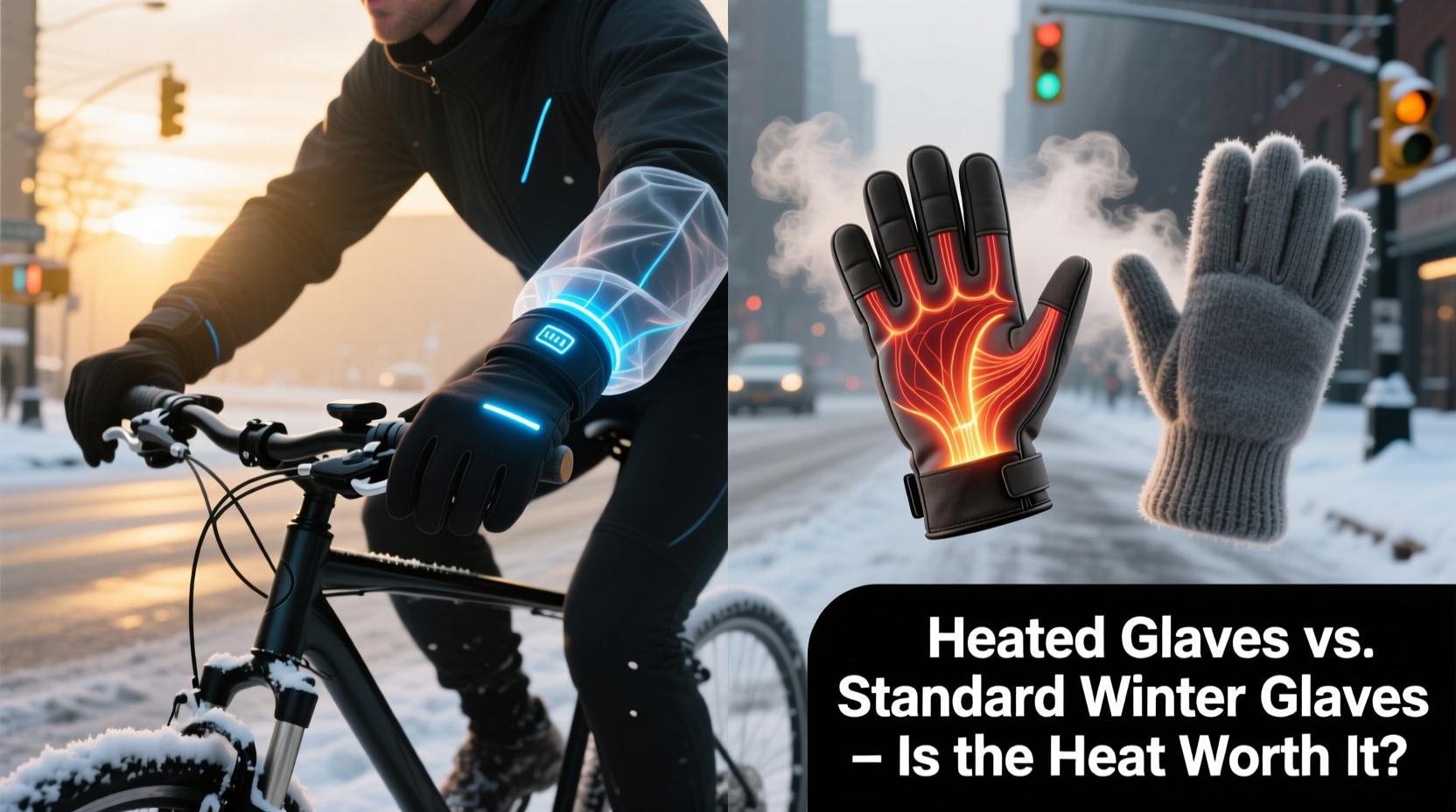
Heated gloves use embedded heating elements—typically carbon fiber or metal alloy wires—strategically placed across the back of the hand, fingertips, and sometimes the palm. These elements connect to a rechargeable lithium-ion battery, usually stored in a small pouch on the wrist or cuff. When activated, the system generates consistent thermal output across targeted zones.
Modern models offer multiple heat settings (usually 3–5 levels), controlled via touch-sensitive buttons or app integration. At the lowest setting, power consumption is minimal, extending runtime. On high, heat output increases dramatically—but so does energy draw, often cutting battery life in half.
Crucially, these gloves don’t generate enough heat to overcome poor insulation or wind exposure on their own. They function best as part of a layered thermal strategy—like heated insoles inside insulated boots. The heating element supplements passive warmth; it doesn’t replace it.
“Thermal efficiency in heated gloves comes down to balance: sufficient wattage without excessive bulk, smart zoning, and materials that trap rather than leak heat.” — Dr. Lena Park, Biomechanics Researcher at Nordic Sports Lab
Do Heated Gloves Lose Heat Too Fast? Real-World Performance Factors
The concern about rapid heat loss isn’t unfounded. Riders report inconsistent experiences—some enjoy hours of warmth, while others feel cold within 30 minutes. The difference lies in external and behavioral variables:
- Wind chill: At 15 mph, wind strips heat from exposed surfaces. Even minor gaps in fit allow convective cooling.
- Humidity and precipitation: Wet gloves conduct heat away faster. Waterproof outer shells make a significant difference.
- Battery placement: Cold batteries discharge more quickly. A wrist-mounted pack exposed to wind will drain faster than one tucked into a jacket sleeve.
- Glove fit: Loose gloves create air pockets that cool rapidly. Tight gloves restrict circulation, reducing natural warmth.
In controlled tests conducted by Cycling Tech Review, heated gloves maintained internal temperatures between 95°F and 104°F (35°C–40°C) for 2.5 to 4 hours, depending on setting and ambient conditions. Below 20°F (-6°C), runtime dropped by 25–40% due to increased thermal demand and reduced battery efficiency.
Tip: Pre-warm your gloves indoors before heading out. Starting with warm hands and warm batteries improves initial comfort and extends perceived effectiveness.Comparison: Heated vs. Non-Heated Winter Gloves for Biking
| Feature | Heated Gloves | Insulated Non-Heated Gloves |
|---|---|---|
| Initial Warmth | High (on-demand heat) | Moderate (depends on fit and layering) |
| Sustained Warmth Below 20°F | Good (with proper care) | Poor to fair (unless extremely bulky) |
| Dexterity | Varies (higher-end models prioritize flexibility) | Often limited by thickness |
| Battery/Runtime Dependency | Yes (requires charging) | No |
| Moisture Resistance | Generally high (many are waterproof) | Depends on shell material |
| Cost | $80–$200+ | $30–$100 |
| Lifespan | 2–4 years (battery degrades over time) | 3–6 years (if kept dry) |
The data shows a clear trade-off: heated gloves offer superior active warmth and responsiveness but come with dependency on power and higher upfront cost. For regular winter cyclists, especially those commuting in sub-freezing climates, the investment often pays off in comfort, safety, and ride consistency.
Real Example: A Commuter’s Experience in Minneapolis
Mark T., a bike courier in Minneapolis, logs over 200 winter rides annually. Temperatures routinely dip below 10°F (-12°C), with wind chill reaching -20°F. For years, he relied on double-layered wool gloves inside pogies (aerodynamic handlebar covers). While effective, the setup was cumbersome and incompatible with quick stops.
Last winter, he switched to a pair of mid-tier heated gloves (Gerbing 7V model) with removable batteries. His results were immediate:
- First ride: 45-minute commute at 18°F. Gloves stayed warm on setting 2 for the full duration.
- After three weeks: Battery life dropped slightly—likely due to repeated deep discharges in cold conditions.
- Key adjustment: He began carrying a spare charged battery in an inner jacket pocket. This extended usable time to nearly 5 hours across two batteries.
“The biggest change wasn’t just warmth—it was feeling,” Mark said. “I could still feel brake levers clearly, no numbness. That’s huge when you’re stopping fast on icy roads.”
His only complaint? Charging logistics. “You’ve got to remember to plug them in like your phone. Forget once, and you’re in trouble.”
Maximizing Heat Retention: A Step-by-Step Guide
To get the most from heated gloves—and prevent premature heat loss—follow this routine:
- Charge fully indoors: Always charge batteries at room temperature. Cold-charging reduces capacity and lifespan.
- Preheat before departure: Turn gloves on 10–15 minutes before riding. Warm components retain heat longer.
- Layer smartly: Wear thin moisture-wicking liner gloves underneath. Avoid cotton, which traps sweat.
- Secure battery placement: Tuck the battery pack into an inner layer of your jacket to keep it warm and protected from wind.
- Use wind protection: Pair gloves with aerodynamic bar mitts or pogies when possible. This cuts convective heat loss significantly.
- Adjust heat dynamically: Start on medium, lower once core body warms up. High heat is rarely needed beyond initial warm-up.
- Store properly after use: Dry completely before storage. Moisture accelerates material degradation and electrical wear.
What Experts Recommend: Features That Matter Most
Not all heated gloves are created equal. According to gear testers at Outdoor Gear Lab, the following features separate reliable performers from disappointing ones:
- Zoned heating: Targeted warmth on fingers and back of hand, not palm (which needs grip).
- Water-resistant or waterproof shell: Look for materials like ripstop nylon with DWR coating.
- Flexible heating elements: Carbon fiber threads maintain warmth without stiffness.
- Removable, pocket-sized batteries: Easier to charge, replace, and keep warm.
- Quick-dry lining: Wicks sweat during exertion, preventing clamminess.
One standout model frequently cited is the Warm & Safe Pro 5.0, praised for its dual-battery option and touchscreen-compatible fingertips. However, experts caution against ultra-cheap models from unknown brands—many lack proper insulation, leading to rapid heat dissipation regardless of battery strength.
Frequently Asked Questions
Can I wash heated gloves?
Most manufacturers recommend spot-cleaning only. Never submerge or machine-wash unless explicitly stated. Remove batteries first. Some high-end models feature detachable liners that can be washed separately.
Do heated gloves work in rain or snow?
Yes—if they’re rated IPX4 or higher for water resistance. However, prolonged exposure to wet conditions increases heat loss. Water conducts thermal energy away faster than air, so even heated gloves will struggle if soaked. Always dry thoroughly after wet rides.
Are heated gloves safe for long-term use?
Yes, when used as directed. Modern gloves include overheat protection and auto-shutoff (usually after 6–8 hours). Avoid sleeping in them or using damaged wiring. People with circulatory issues should consult a doctor before relying on external heat sources.
Checklist: Choosing the Right Heated Gloves for Winter Biking
- ✅ Check battery runtime at multiple heat settings
- ✅ Confirm waterproof or water-resistant rating (IPX4 minimum)
- ✅ Ensure good finger articulation for brake and gear control
- ✅ Verify battery is removable and easy to carry/charge
- ✅ Look for reflective details for low-light visibility
- ✅ Read user reviews focused on cold-weather performance
- ✅ Consider compatibility with other gear (e.g., helmet comms, GPS)
Final Verdict: Are They Worth It?
For dedicated winter cyclists, the answer is a resounding yes—provided you choose wisely and manage expectations. Heated gloves don’t eliminate cold; they manage it. They won’t compensate for poor fit, lack of layering, or extreme neglect of maintenance. But when integrated into a thoughtful cold-weather system, they offer a level of comfort and control unmatched by passive insulation alone.
The idea that they “lose heat too fast” often stems from misuse: starting with cold hands, skipping liners, or expecting tropical warmth in Arctic conditions. With proper technique, most quality heated gloves deliver consistent, adjustable warmth for 3+ hours—even in single-digit temperatures.
Moreover, the safety benefits are tangible. Warm hands maintain better nerve function, improving reaction times and grip strength. In icy or unpredictable conditions, that margin can prevent a fall—or worse.
🚀 Ready to reclaim your winter rides? Invest in a well-reviewed pair of heated gloves, follow the heat-retention steps, and experience what true cold-weather comfort feels like. Share your winter biking tips in the comments—your insight could help someone stay safe and warm this season.