In the high-stakes world of sneaker resale, two dominant forces have reshaped the marketplace over the past decade: anime-themed sneakers and streetwear collaborations. Both categories command passionate followings, sell out in seconds, and often appreciate significantly post-release. But when it comes to maximizing profit margins, which category holds the upper hand? Is a limited-edition Dragon Ball Z x Nike more valuable than a Fear of God x Adidas drop? The answer isn’t as straightforward as hype might suggest. This article breaks down the resale dynamics of both markets using real data, collector behavior, and long-term trends to determine where smart investors should focus their capital.
The Rise of Themed Collaborations in Sneaker Culture
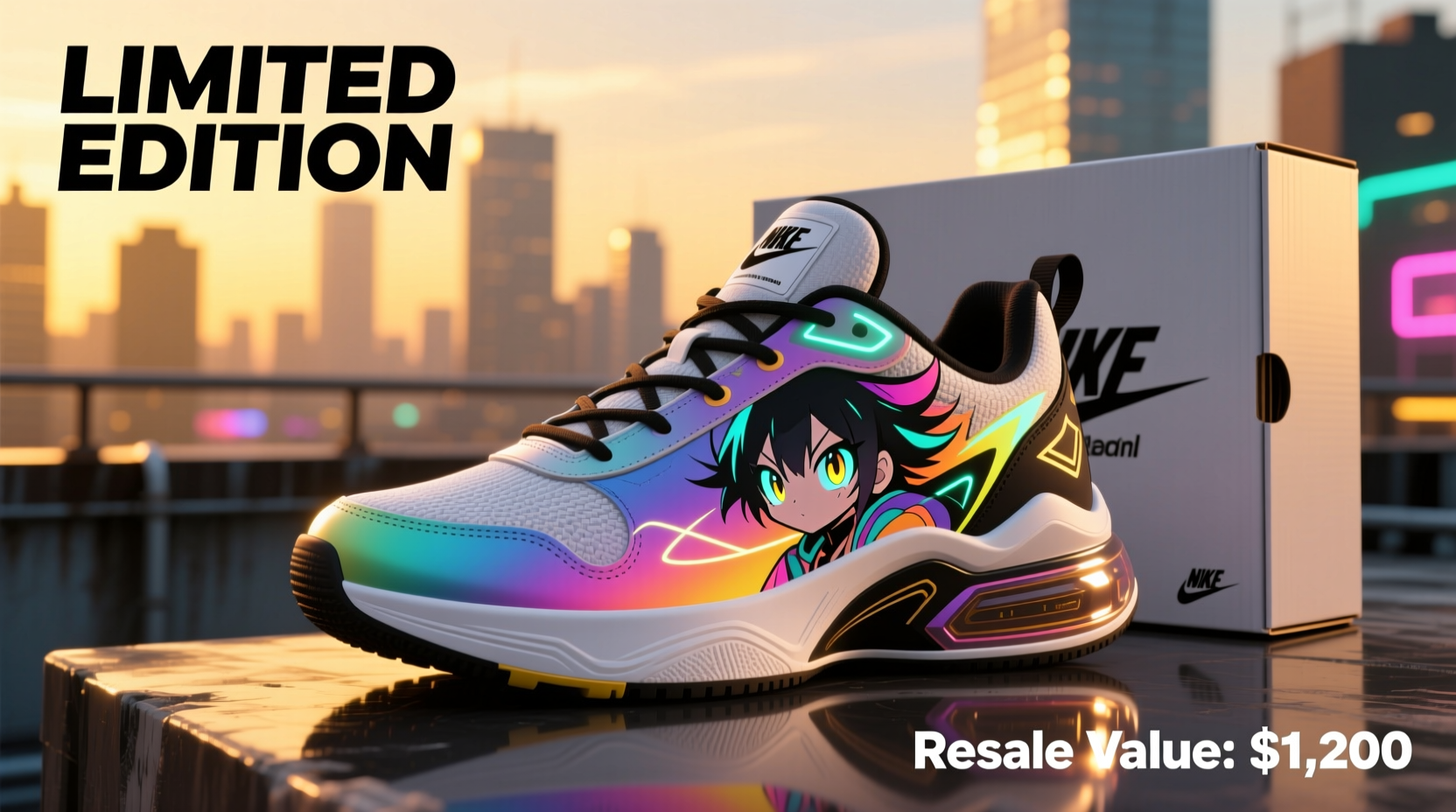
Sneaker culture has evolved from performance footwear into a hybrid of fashion, art, and fandom. Today’s most coveted releases aren’t just about design—they’re about storytelling. Anime and streetwear collaborations represent two distinct but overlapping narratives. Anime sneakers tap into decades-old Japanese pop culture, leveraging nostalgia and global fanbases. Streetwear collabs, on the other hand, are rooted in urban fashion, authenticity, and designer credibility.
Both types rely heavily on scarcity, cultural relevance, and emotional connection. However, their paths to profitability differ based on production volume, brand prestige, and secondary market demand cycles. To understand which yields higher returns, we must examine how each performs across key resale metrics: initial markup, price stability, longevity, and audience reach.
Market Performance: Anime Sneakers on the Resale Radar
Anime-themed sneakers have exploded in popularity since the mid-2010s. Brands like Nike, Adidas, and Puma have partnered with franchises such as Dragon Ball Z, One Piece, Naruto, and Evangelion to create collectible footwear that doubles as wearable memorabilia. These drops often feature bold graphics, character motifs, and packaging that appeals directly to fans.
Resale prices for anime sneakers can be volatile. For example, the Nike SB Dunk Low “Shinobi” (Naruto) released in 2020 at $110 retailed for over $500 within hours. Similarly, the Adidas x Dragon Ball Z collection saw pairs like the Goku Super Saiyan 97 boost from $160 to $800+ on StockX during peak demand.
However, these spikes are often short-lived. Once the initial wave of fan enthusiasm fades—typically within 3–6 months—prices tend to drop sharply. A 2023 report from StockX showed that only 38% of anime sneakers retained more than 150% of retail value after one year, compared to 62% of premium streetwear collabs.
Tip: Time your exit strategy carefully with anime sneakers—sell within the first 30–60 days for maximum ROI.Streetwear Collaborations: The Long-Term Investment Play
Streetwear collaborations, particularly those between luxury designers and sportswear giants, operate under a different economic model. Think Jerry Lorenzo’s Fear of God x Nike, Pharrell Williams’ Human Race x Adidas, or Hiroshi Fujiwara’s Fragment Design partnerships. These releases emphasize minimalist aesthetics, premium materials, and understated branding—appealing to fashion-forward collectors rather than niche fandoms.
Unlike anime sneakers, streetwear collabs often maintain steady demand due to their versatility and perceived timelessness. The Nike Air Force 1 Low by Travis Scott, despite multiple re-releases, still trades above retail ($150 → $300+) thanks to consistent cultural presence. More exclusive models, like the Off-White™ “The Ten” series, have become modern classics, with some pairs reselling for over $2,000 years after launch.
“Streetwear collaborations succeed because they transcend trend cycles. They’re designed not just to sell, but to last.” — Marcus Reed, Senior Analyst at Hypebeast Market Insights
Data from Grailed and StockX indicates that top-tier streetwear collabs appreciate an average of 120–200% over five years, with lower volatility and fewer price crashes. Their appeal spans demographics, making them easier to liquidate globally without relying on seasonal anime events or anniversaries.
Comparative Analysis: Key Profitability Metrics
To evaluate which category offers better returns, consider the following comparison table based on 2020–2024 resale data from major platforms (StockX, GOAT, eBay, and Whatnot):
| Metric | Anime Sneakers | Streetwear Collabs |
|---|---|---|
| Avg. Initial Markup (Day 1) | 250–400% | 150–300% |
| Price After 6 Months | ↓ 40–60% from peak | ↔ Stable or ↑ 10–20% |
| Likelihood of >2x Retail After 1 Year | 38% | 62% |
| Global Buyer Reach | Moderate (fan-driven) | High (fashion/global appeal) |
| Risk of Reissue/Restock | High (franchise-based) | Low to Moderate |
| Storage & Condition Sensitivity | High (graphics fade, boxes degrade) | Medium (focus on material quality) |
The data reveals a clear pattern: while anime sneakers offer explosive short-term gains, they carry higher risk and depreciation over time. Streetwear collabs may not generate the same immediate frenzy, but they deliver more predictable, sustainable appreciation—especially for pieces tied to influential designers or iconic silhouettes.
Mini Case Study: Naruto Dunks vs. Off-White Blazers
In 2020, the Nike SB Dunk Low “Pain” (Naruto) dropped at $110. Within 48 hours, it sold for $600 on StockX. By mid-2021, prices had fallen to $250. As of 2024, used pairs trade around $180—barely above retail.
Compare this to the Nike x Off-White Blazer Mid “All Hallows Eve,” also released in 2020 at $130. It peaked at $900 initially but settled around $400–$500 by 2022. In 2024, pristine deadstock pairs still command $450+, showing minimal long-term decline.
The difference lies in desirability beyond fandom. While Naruto fans drove early sales, the Off-White release remained relevant in fashion editorials, influencer wardrobes, and museum exhibitions—proving that cultural weight matters more than novelty.
Strategies for Maximizing Resale Profits
Whether you're investing in anime kicks or streetwear gems, success depends on timing, condition management, and market awareness. Here’s a step-by-step guide to optimizing returns in either category:
- Research Before Copping: Use tools like StockX’s historical data, Google Trends, and Reddit communities (e.g., r/Sneakers) to gauge anticipated demand.
- Prioritize Condition: Always buy deadstock (DS) or unworn pairs. Scuffs, odors, or box damage can slash resale value by 30–50%.
- Monitor Release Calendars: Avoid buying right before rumored reissues. Anime lines are especially prone to surprise restocks.
- Store Properly: Keep shoes in original boxes, away from sunlight and humidity. Use silica gel packs to prevent mold.
- Choose Your Platform Wisely: Anime sneakers sell faster on fan-centric platforms like Whatnot or Mandarake; streetwear does better on StockX or Grailed.
- Time Your Exit: For anime, aim to flip within 1–3 months. For streetwear, consider holding 1–3 years if the model shows staying power.
Checklist: Smart Reselling Practices
- ✅ Verify authenticity via serial numbers and build quality
- ✅ Document purchase receipts and packaging condition
- ✅ Photograph every angle before listing
- ✅ Price competitively—check recent sold listings, not just asking prices
- ✅ Offer bundle deals for anime sets (e.g., full Dragon Ball Z collection)
- ✅ Diversify holdings—don’t go all-in on one anime franchise
Frequently Asked Questions
Are anime sneakers worth collecting for long-term investment?
Generally, no—unless they’re part of a rare or culturally significant drop. Most anime sneakers depreciate after the initial hype cycle. However, complete sets or prototypes (e.g., unreleased concepts) can become valuable decades later, much like vintage toys.
Which streetwear collabs have the best resale track record?
The Off-White™ “The Ten” series, Fear of God Nike Dunks, and Supreme x Nike collaborations consistently outperform. Limited accessories like the Rimowa x Supreme suitcase or Louis Vuitton x Supreme collection also show multi-year appreciation.
Can reissues destroy resale value?
Absolutely. When Nike reissued the SB Dunk Low “Yoda” in 2022, pre-owned prices dropped by nearly 70%. Franchise-based anime shoes are especially vulnerable to re-releases, whereas high-end streetwear collabs rarely get restocked to preserve exclusivity.
Final Verdict: Where to Focus for Higher Profits
If your goal is quick turnover and high-margin flips, anime sneakers can be lucrative—if timed perfectly. Their emotional appeal drives rapid sell-outs and steep markups, ideal for agile resellers who move fast.
But for sustained, low-risk profitability, streetwear collaborations are the superior choice. Their design integrity, association with elite creators, and integration into broader fashion ecosystems give them staying power that anime themes struggle to match. They appreciate steadily, attract diverse buyers, and resist devaluation from reissues.
Ultimately, the highest profits come not from chasing trends, but from understanding market psychology. Anime sneakers win on passion; streetwear collabs win on prestige. And in the resale economy, prestige tends to compound over time.
“The most profitable sneaker isn’t always the flashiest. It’s the one people still want five years later.” — Lena Choi, Founder of SoleIndex Analytics🚀 Ready to level up your sneaker resale game? Start tracking upcoming streetwear drops, refine your storage setup, and join collector forums to stay ahead of the curve. Share your top-performing picks in the comments below!









