
Purchasing Disney-themed clothing is more than just buying a t-shirt or hoodie—it’s about owning a piece of storytelling magic. But with the surge in counterfeit merchandise, especially online, distinguishing genuine Disney licensed apparel from knockoffs has become essential. Fake items not only lack quality but also support unethical production practices and deprive creators of rightful revenue. Whether you're shopping for a child’s birthday gift or building a collector’s wardrobe, knowing how to verify authenticity protects your investment and ensures you’re getting the real deal.
1. Check for the Official Disney License Tag
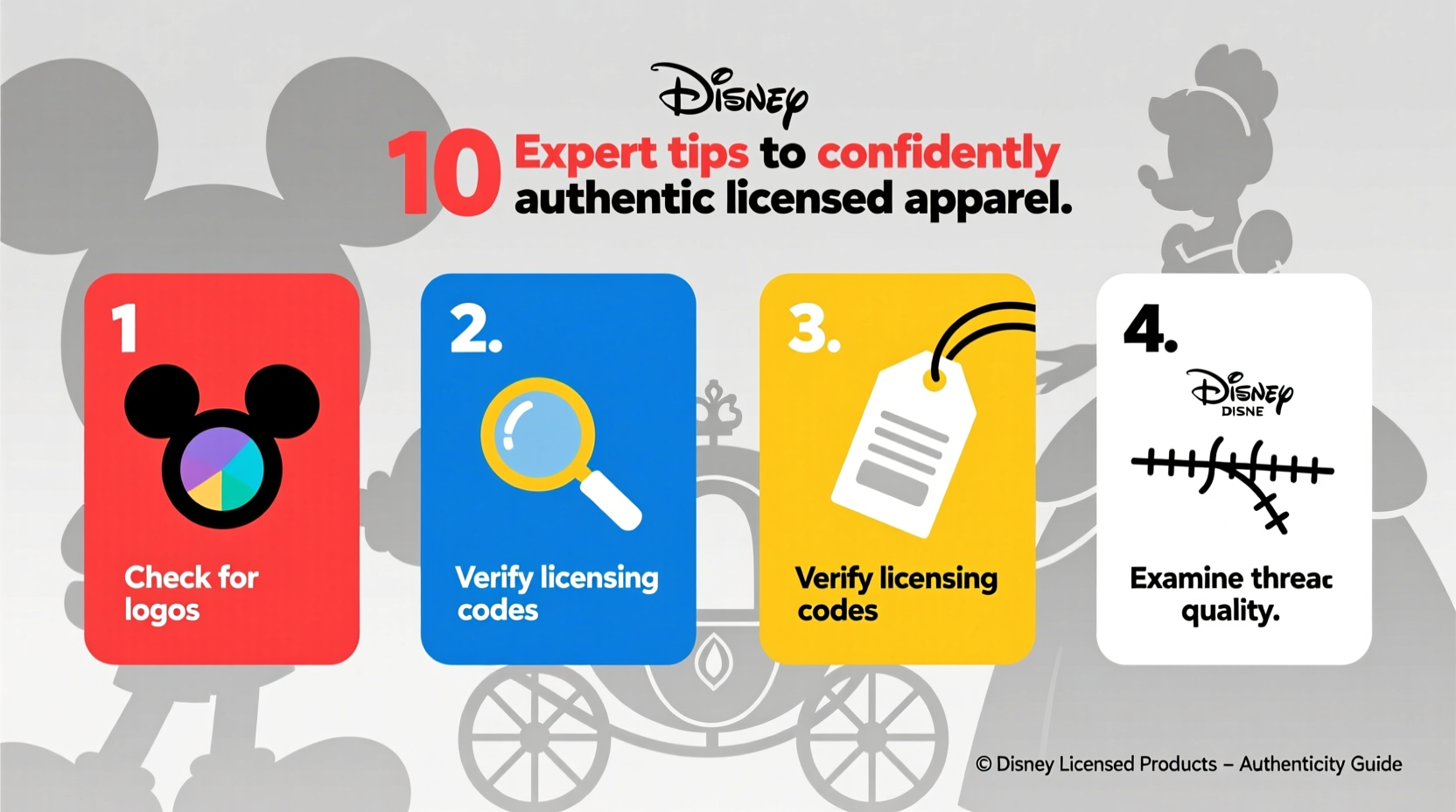
Every authentic Disney licensed garment includes a label indicating official authorization. This tag is typically sewn into the side seam, neck, or waistband and features text such as “Officially Licensed Product” or “Disney Consumer Products, Inc.” These tags are standardized across manufacturers and should include a unique product identification number (UPC) and country of origin.
Tip: Always inspect the inside seams and collar areas—counterfeiters often omit or poorly replicate license tags.The absence of this tag is a major red flag. Even if the design looks perfect, no license tag means it’s not officially approved by Disney.
2. Examine the Quality of Fabric and Stitching
Genuine Disney apparel is produced under strict quality control standards. This means consistent fabric weight, even stitching, and secure hems. Run your fingers along the seams: authentic garments have tight, uniform stitches with no loose threads or skipped lines. The fabric itself should feel durable and soft, not overly thin or plasticky.
Counterfeit versions often use cheaper materials to cut costs. You may notice pilling after minimal wear, colors that fade quickly, or logos that crack and peel. High-quality cotton blends, reinforced stress points (like shoulders and pockets), and double-stitched seams are hallmarks of legitimate Disney-licensed producers.
“Licensed manufacturers must meet Disney’s stringent quality benchmarks. When you see poor construction, it’s almost certainly unauthorized.” — Marcus Lin, Apparel Compliance Auditor
3. Verify the Logo and Character Artwork Accuracy
Disney characters are iconic, and their likenesses are protected by trademark and copyright law. Unauthorized sellers frequently misrepresent character details—slightly off proportions, incorrect eye shapes, or inconsistent color palettes. For example, Mickey Mouse’s gloves should be pure white without gray shading; his pupils are typically absent in modern designs.
Compare the artwork on the garment to official Disney promotional images. Look for crisp lines, clean edges, and vibrant, well-aligned colors. Blurry prints, pixelation, or misaligned graphics suggest low-resolution printing used by counterfeiters.
4. Cross-Reference the Manufacturer and Hang Tags
Authentic Disney apparel comes from approved partners like Basic Rights, Funko, Rubie’s, or Cottonpop. These names often appear on hang tags or care labels. A quick web search of the manufacturer should lead to an official website or retail presence. If the brand is untraceable or returns no credible results, proceed with caution.
Hanger tags on genuine items include:
- Clear Disney branding (logo or mention)
- Barcode linked to the product
- Size, fabric content, and care instructions
- “© Disney” or similar copyright notice
Fake tags may have misspellings, blurry logos, or missing information.
5. Use the Disney Store as a Benchmark
When in doubt, compare the item to one sold at shopDisney.com—the official online retailer. Prices, fonts, packaging, and print placement should closely match. If a third-party seller offers the same design for 60% less, ask why. Significant discounts often indicate imitation.
Pay attention to font styles on text elements. Disney uses specific typefaces for phrases like “Mickey & Friends” or “Star Wars.” Deviations in letter shape or spacing can reveal fakes.
Real Example: The $12 Mickey Hoodie That Wasn’t
Sarah, a mother from Austin, bought a “Mickey Mouse Club” hoodie for her daughter during an online flash sale. It arrived with a flimsy tag, uneven stitching, and a slightly distorted Mickey face. She compared it to a nearly identical hoodie she owned from shopDisney and noticed the fake used a thicker font and duller red fabric. After contacting Disney Consumer Services, she confirmed it was unlicensed. The seller had copied the design but skipped licensing fees—resulting in subpar quality.
6. Scan for Holographic Security Features (When Applicable)
While more common on collectibles and accessories, some premium Disney apparel—especially limited editions or park-exclusive items—includes holographic security labels. These shimmer when tilted and display microtext visible under magnification. Though not standard on all clothing, their presence is a strong authenticity indicator.
If a seller claims an item has a hologram but it lacks depth or movement, it’s likely a printed sticker mimic.
7. Research the Seller’s Reputation
Purchase Disney apparel only from trusted sources: official Disney stores, authorized retailers (Target, Amazon *sold by Disney*), or well-reviewed boutiques with proven track records. On marketplaces like eBay or Etsy, scrutinize seller ratings, reviews mentioning authenticity, and return policies.
Avoid vendors using stock photos, vague descriptions, or refusing to provide close-ups of labels. Legitimate sellers welcome verification requests.
Tip: Search the seller’s name + “Disney scam” or “fake review” to uncover potential fraud reports.8. Review the Price-to-Quality Ratio
Use the following table to assess whether the price aligns with expected quality:
| Price Range | Expected Quality | Red Flags |
|---|---|---|
| $5–$12 | Thin fabric, screen-print flaws, no license tag | Claims “official” status at ultra-low prices |
| $15–$25 | Standard cotton blend, clear print, basic license tag | No manufacturer info, inconsistent sizing |
| $26+ | Premium materials, detailed embroidery, full compliance labels | Overpriced with no added value or proof of authenticity |
If a “premium” Mickey sweatshirt sells for $8, skepticism is warranted.
9. Know the Difference: Licensed vs. Inspired
Some apparel brands create “Disney-inspired” designs that legally avoid trademarks by altering character features. While these aren’t counterfeit per se, they are not affiliated with Disney. The key difference?
- Licensed: “© Disney” logo, official character likeness, sold through authorized channels.
- Inspired: No copyright symbol, modified characters (e.g., “a mouse in shorts”), marketed as tribute art.
There’s nothing wrong with inspired gear—as long as you know what you’re buying.
10. Report Counterfeit Sellers
If you discover a fake Disney product, report it. Disney actively combats intellectual property theft through its anti-piracy division. Visit Disney’s IP reporting page to submit evidence, including photos of the item, listing URLs, and transaction details.
Your report helps shut down illegal operations and protects other fans from deception.
Checklist: How to Verify Authentic Disney Apparel
- Look for the official Disney license tag inside the garment
- Inspect stitching and fabric quality for consistency and durability
- Compare character artwork to official Disney references
- Confirm the manufacturer is a known Disney partner
- Cross-check the design and price with shopDisney
- Check for holograms or security features on premium items
- Review the seller’s reputation and customer feedback
- Evaluate whether the price matches the quality offered
- Determine if the product is licensed or merely “inspired”
- Report suspected counterfeits to Disney’s enforcement team
Frequently Asked Questions
Can I trust Disney apparel sold on Amazon?
Yes, but only if it’s sold directly by Disney or a verified third-party seller with high ratings. Check the “Sold by” line below the price. Avoid listings from unknown international sellers with no reviews.
Do all Disney clothes have the © symbol?
Most do, either on the label or printed near the character art. However, some older or region-specific items may omit it. Lack of a copyright mark isn’t automatic proof of forgery but should prompt further verification.
Is vintage Disney apparel automatically authentic?
Not necessarily. Vintage-style reproductions are common. Examine tags, fabric wear patterns, and print techniques. Original 1980s–90s Disney gear often has specific label designs (like the “Walt Disney Productions” tag) that are hard to replicate accurately.
Take Confidence Into Your Next Disney Purchase
Knowing how to spot authentic Disney licensed apparel empowers you to shop wisely and proudly. These ten strategies—rooted in industry standards, consumer experience, and brand protection protocols—equip you to avoid scams and enjoy high-quality, officially approved merchandise. Whether you’re dressing up for a theme park visit or gifting a fan, authenticity enhances the experience. Apply these checks every time you buy, and share your knowledge with fellow Disney lovers.
💬 Found a fake Disney shirt? Or have a success story verifying authenticity? Share your experience in the comments and help build a smarter fan community.