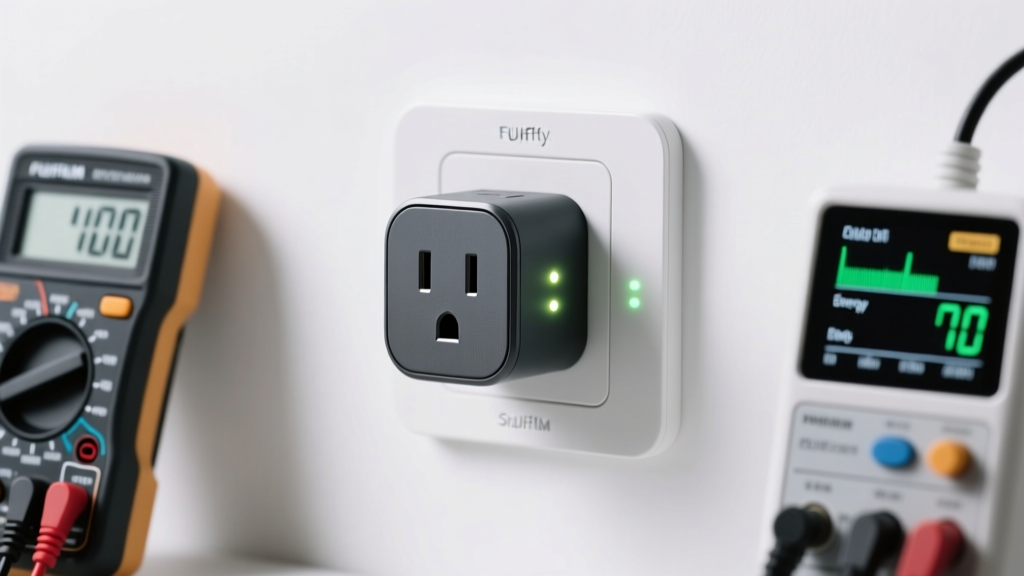
Types of Wallbox Bidirectional Chargers
A wallbox bidirectional charger is an advanced electric vehicle (EV) charging solution that allows energy to flow both into the vehicle (for charging) and out of the vehicle (for powering external loads). This two-way energy exchange enables EVs to function not just as transportation, but as mobile energy storage units. These chargers are classified based on their energy transfer mode, architecture, use-case scenarios, and functionality.
Bidirectional charging technology supports energy resilience, cost savings, and integration with renewable energy systems. Below are the most common types of wallbox bidirectional chargers available today.
Vehicle-to-Grid (V2G)
Enables EVs to feed energy back into the power grid during peak demand periods.
Advantages
- Supports grid stability and load balancing
- Reduces peak demand stress on utilities
- Potential for earning revenue through energy selling
- Enhances integration of solar and wind energy
- Contributes to a smarter, more resilient energy infrastructure
Limitations
- Requires grid operator approval and infrastructure
- Regulatory and billing frameworks still evolving
- May accelerate battery wear with frequent cycling
- Limited availability in residential markets
Best for: Utility partnerships, smart cities, commercial fleets, and eco-conscious homeowners in supported regions
Vehicle-to-Home (V2H)
Uses the EV battery to power household appliances and systems during outages or high tariff periods.
Advantages
- Provides backup power during blackouts
- Reduces reliance on the grid during peak hours
- Lowers electricity bills by using stored solar energy
- Seamless integration with home energy management systems
- Increases energy independence and resilience
Limitations
- Requires a compatible EV and inverter system
- Installation can be complex and costly
- May require electrical panel upgrades
- Not all EVs support V2H functionality
Best for: Homeowners seeking energy security, off-grid living, and those with solar PV systems
Vehicle-to-Load (V2L)
Delivers power directly from the EV to external devices via standard outlets or adapters.
Advantages
- Highly portable and versatile power source
- Ideal for outdoor activities, camping, and tailgating
- Useful for construction sites and mobile events
- No need for additional generators
- Supports emergency power needs (e.g., medical devices)
Limitations
- Limited power output compared to dedicated inverters
- Drains EV battery if not managed properly
- May not support high-wattage appliances
- Requires specific vehicle and cable compatibility
Best for: Outdoor enthusiasts, event organizers, field workers, and emergency preparedness
Integrated Bidirectional Chargers
Combines multiple bidirectional functions (V2G, V2H, V2L) in a single wall-mounted unit.
Advantages
- Consolidates multiple energy modes in one device
- Future-proof investment with flexible capabilities
- Smart energy routing based on user preferences
- Supports AC and DC charging, depending on model
- Centralized monitoring and control via apps
Limitations
- Higher upfront cost
- Complex setup and configuration
- Requires professional installation
- Dependent on EV and grid compatibility
Best for: Tech-savvy homeowners, commercial installations, and future-ready energy systems
Mobile Bidirectional Chargers
Portable units that allow bidirectional charging on-the-go, often with built-in energy storage.
Advantages
- Highly portable and easy to transport
- Can charge from grid, solar, or vehicle sources
- Provides emergency power in remote locations
- Supports V2G, V2H, and V2L applications
- Great for temporary installations and field operations
Limitations
- Lower power capacity than fixed units
- Shorter lifespan due to frequent movement
- May require additional accessories
- Less efficient than permanent wallbox solutions
Best for: Remote work, outdoor events, disaster relief, and mobile professionals
| Type | Primary Use Case | Energy Flow | Portability | Best Suited For |
|---|---|---|---|---|
| Vehicle-to-Grid (V2G) | Grid support and energy trading | EV → Grid | Fixed | Utility programs, smart grids, commercial fleets |
| Vehicle-to-Home (V2H) | Home backup and energy cost reduction | EV → Home | Fixed | Homeowners with solar, energy-conscious users |
| Vehicle-to-Load (V2L) | Powering external devices | EV → Devices | Portable | Campers, contractors, event planners |
| Integrated Bidirectional | Multi-mode energy management | EV ↔ Grid/Home/Load | Fixed | Advanced users, future-ready homes |
| Mobile Bidirectional | On-the-go power supply | EV ↔ Devices/Grid | Highly Portable | Remote areas, emergencies, field operations |
Expert Tip: Before investing in a bidirectional charger, verify EV compatibility (e.g., CHAdeMO or CCS with ISO 15118 support), local regulations, and utility participation. Some V2G programs offer financial incentives—check with your energy provider for available rebates or grid service opportunities.
Commercial Applications of Wallbox Bidirectional Charger
Commercial enterprises are increasingly adopting Wallbox bidirectional charging solutions to enhance operational efficiency, reduce energy costs, and support sustainability goals. These advanced chargers leverage Vehicle-to-Grid (V2G), Vehicle-to-Home (V2H), and Vehicle-to-Load (V2L) technologies to transform electric vehicles (EVs) from mere transportation tools into dynamic energy assets. Below is a detailed exploration of key commercial applications that demonstrate the strategic value of integrating bidirectional chargers into business operations.
Fleet Operations and Logistics
Fleet operators managing electric vehicle fleets—such as delivery vans, service trucks, or municipal vehicles—can significantly benefit from V2G-enabled Wallbox chargers. During off-peak hours, EVs charge at lower electricity rates, storing energy that can later be fed back into the grid during peak demand periods.
This two-way energy flow helps stabilize the local power network and allows fleet owners to participate in demand response programs, earning revenue from utility providers. Additionally, by optimizing charging schedules and leveraging stored vehicle energy, businesses reduce their overall energy expenditure while enhancing fleet sustainability and compliance with green regulations.
Energy Management and Cost Savings
Organizations facing high electricity tariffs—especially those with time-of-use billing—can use V2H or V2L-capable Wallbox systems to shift energy consumption patterns. By discharging EV batteries during peak rate hours (e.g., 4 PM – 9 PM), businesses can power office spaces, warehouses, or retail facilities without drawing from the grid.
This strategy dramatically reduces peak demand charges, which often constitute a major portion of commercial electricity bills. Over time, this intelligent load management translates into substantial cost savings, improved energy resilience, and a lower carbon footprint, aligning with corporate environmental, social, and governance (ESG) objectives.
Emergency Power Backup
In sectors where uninterrupted operations are critical—such as hospitality, healthcare, and data centers—bidirectional chargers offer a reliable backup power solution. Hotels and resorts equipped with V2H technology can use parked EVs to maintain essential services during power outages, including lighting, refrigeration, HVAC systems, and communication networks.
Unlike traditional diesel generators, this approach is silent, emission-free, and requires minimal maintenance. With proper integration into building energy systems, EVs become mobile power banks that ensure business continuity, protect revenue streams, and improve customer satisfaction during grid failures.
Portable Power Solutions for Events or Construction
For event management companies, construction firms, or outdoor service providers, mobile bidirectional chargers unlock new levels of operational flexibility. Instead of relying on noisy, polluting diesel generators, businesses can use EVs paired with V2L-capable Wallboxes to power tools, lighting rigs, sound systems, catering equipment, and temporary offices.
This portable energy solution is ideal for remote or temporary job sites, pop-up events, film productions, or disaster relief operations. It reduces fuel and rental costs, lowers emissions, and simplifies logistics—making it a sustainable and cost-effective alternative to conventional power sources.
Revenue Generation through Ancillary Services
Forward-thinking businesses such as EV charging stations, parking garages, and industrial parks can monetize their EV infrastructure by offering ancillary services to utility providers. Using V2G technology, aggregated vehicle fleets can support grid stability by providing frequency regulation, voltage control, and load balancing.
Utilities often compensate participants in these programs, creating a new revenue stream for commercial operators. When combined with smart energy management software, bidirectional chargers enable automated participation in energy markets, maximizing returns with minimal operational overhead. This transforms parking assets into active contributors to a smarter, more resilient energy ecosystem.
| Application | Key Benefit | Industries Served |
|---|---|---|
| Fleet Energy Optimization (V2G) | Reduced energy costs & grid revenue | Logistics, Delivery, Municipal Fleets |
| Peak Load Shaving (V2H) | Lower demand charges & energy independence | Commercial Real Estate, Manufacturing |
| Backup Power (V2H/V2L) | Business continuity during outages | Hospitality, Healthcare, Retail |
| Mobile Power (V2L) | Portable, clean energy for remote sites | Construction, Events, Emergency Services |
| Grid Services (V2G) | New revenue from energy markets | Charging Stations, Parking Operators |
Important: To fully realize the benefits of bidirectional charging, businesses must ensure compatibility between EVs, chargers, and energy management systems. Not all electric vehicles support V2G, V2H, or V2L functionalities. Consult with Wallbox-certified partners and utility providers before deployment to verify technical requirements, regulatory compliance, and available incentive programs.
Product Specifications & Features of Wallbox Bidirectional Charger
The Wallbox bidirectional charger represents a major advancement in electric vehicle (EV) charging technology, offering not just efficient charging but also the ability to return energy to the home or grid. This two-way functionality transforms EVs into mobile energy storage units, supporting energy independence, cost savings, and smart energy management. Designed with modern homeowners and sustainability in mind, these chargers integrate seamlessly into smart homes and renewable energy ecosystems.
Bidirectional Charging & Energy Flexibility
Unlike traditional EV chargers, Wallbox bidirectional models enable energy flow in both directions—charging the vehicle and discharging power back to the home or grid (Vehicle-to-Grid or Vehicle-to-Home).
- Supports V2G (Vehicle-to-Grid) and V2H (Vehicle-to-Home) applications for energy resilience
- Enables use of stored EV energy during peak tariff periods, reducing electricity costs
- Ideal for homes with solar panels—store solar energy in the EV and reuse it when needed
- Helps stabilize the grid by supplying power during high-demand periods
Key Benefit: Turns your EV into a backup power source during outages or high-cost energy times.
Smart Grid Integration & Energy Optimization
Wallbox chargers are engineered to communicate with utility grids and home energy systems using advanced protocols like OCPP 2.0 and ISO 15118.
- Automatically adjusts charging based on grid load, helping prevent congestion
- Integrates with time-of-use (TOU) pricing to charge when electricity is cheapest
- Supports demand response programs where users are compensated for returning energy
- Works with energy management systems (EMS) to balance solar, battery, and EV usage
Pro Insight: Reduces strain on the grid and supports a higher penetration of renewable energy sources.
Multiple Charging Modes & Compatibility
While primarily AC-based (Level 2), Wallbox bidirectional chargers support flexible charging strategies tailored to user needs.
- AC charging (7–22 kW) for efficient home and commercial use
- Compatible with all major EVs supporting bidirectional charging (e.g., Hyundai Ioniq 5, Kia EV6, Ford F-150 Lightning)
- Future-ready design supports DC fast charging integration in select models
- Adaptive charging modes: immediate, scheduled, solar-optimized, and grid-discharge
Note: Bidirectional capability requires both a compatible EV and utility approval in some regions.
User-Friendly Interface & Remote Control
The Wallbox ecosystem includes intuitive digital tools for full control and monitoring from anywhere.
- Companion mobile app (Wallbox app) for real-time monitoring of charge/discharge cycles
- Touchscreen interface with clear status indicators and settings menu
- Customizable charging schedules and discharge thresholds
- Energy usage analytics, cost tracking, and carbon footprint reporting
Smart Feature: Receive alerts for system faults, maintenance needs, or optimal discharge times.
Compact, Durable Design for Any Environment
Built for both indoor and outdoor installations, Wallbox chargers combine sleek aesthetics with rugged reliability.
- IP65-rated enclosure protects against dust and water ingress
- UV-resistant and corrosion-proof materials for long-term outdoor use
- Compact footprint fits in garages, driveways, and urban parking spaces
- Available in multiple colors and finishes to match home aesthetics
Durability Tip: Designed to operate in temperatures from -25°C to 50°C (-13°F to 122°F).
Advanced Safety & Protection Systems
Safety is paramount in bidirectional systems due to complex energy flows and grid interaction.
- Overcurrent, short-circuit, and ground fault protection (Type A/B RCD)
- DC fault detection and automatic shutdown for EV and grid safety
- Galvanic isolation ensures no direct electrical connection between EV and home/grid
- Real-time monitoring with automatic fault alerts and system isolation
Critical Assurance: Meets IEC 61851-1, UL 1741, and other international safety standards.
Installation, Use, and Removal Guide
Proper installation and handling are essential for safe and efficient operation of bidirectional charging systems. Always use a licensed electrician and follow local codes.
Installation Steps
- Site Assessment
Evaluate the location for electrical capacity, proximity to the main panel, and accessibility. Confirm compatibility with your home’s electrical service (200A recommended) and grid interconnection policies.
- Electrical Upgrades
If needed, upgrade the main panel, add a dedicated circuit (40–100A), and ensure proper wiring gauge (e.g., 4/0 AWG for high-power models). May require utility coordination for grid-tie approval.
- Charger Mounting
Securely mount the unit on a wall or floor using included hardware. Ensure at least 12 inches of clearance around the unit for ventilation and access.
- Wiring & Connection
Connect to the electrical panel and communication network (Wi-Fi/Ethernet). For bidirectional models, connect to the home energy manager or grid interface as specified.
- Testing & Commissioning
Test both charging and discharging functions, verify app connectivity, and confirm safety systems respond correctly. Perform a grid sync test if applicable.
Removal Steps
- Power Down
Turn off the circuit breaker and disconnect power at the main panel. Verify no voltage using a multimeter before proceeding.
- Wiring Disconnection
Safely disconnect all electrical and data cables. Label wires for reinstallation or future reference.
- Charger Unmounting
Remove mounting bolts and carefully detach the unit from the wall or floor. Handle with care to avoid damage.
- Grid Disconnection
If grid-connected, notify your utility provider and follow procedures to disconnect from the grid interface or smart meter system.
Maintenance & Long-Term Durability
With minimal moving parts, Wallbox bidirectional chargers require little maintenance but benefit from periodic checks to ensure peak performance and longevity.
Maintenance Best Practices
- Regular Software Updates
Install firmware updates via the app or web portal to enhance performance, security, and feature set. Updates may include improved grid communication or new discharge modes.
- Hardware Inspections
Every 6–12 months, inspect for physical damage, corrosion, or loose connections. Check the cable and connector for wear.
- Cleaning
Wipe the exterior with a dry or slightly damp cloth. Avoid high-pressure water or chemical cleaners that could damage seals or screens.
- Cooling System Care
If equipped with active cooling, ensure fans are free of dust and operating normally. Clean intake vents regularly in dusty environments.
Weather & Environmental Resistance
Engineered for all-weather reliability, these chargers withstand harsh conditions without performance loss.
- IP65 rating ensures protection against rain, snow, and dust
- Thermal management systems maintain internal temperature in extreme climates
- Anti-condensation design prevents moisture buildup inside the unit
- Suitable for coastal areas with salt exposure due to corrosion-resistant materials
Surge & Electrical Protection
Built-in safeguards protect against unpredictable electrical events.
- Integrated Type 2 surge protection device (SPD) guards against lightning and grid surges
- Voltage fluctuation tolerance: ±10% of nominal voltage
- Automatic shutdown during brownouts or overvoltage conditions
- EMI/RFI filtering ensures clean power transfer and minimal interference
Professional Recommendation: For optimal value and safety, pair your Wallbox bidirectional charger with a home battery system and solar array. This creates a fully integrated energy ecosystem where your EV acts as a flexible storage asset. Always consult a certified installer and verify local regulations regarding grid feedback before enabling discharge modes. Regular monitoring through the app ensures you maximize energy savings and system health.
| Feature | Specification | Benefit |
|---|---|---|
| Power Output | 11 kW (AC), up to 19.2 kW (bidirectional) | Fast charging and efficient energy return |
| Connectivity | Wi-Fi, Ethernet, Bluetooth, OCPP 2.0 | Seamless integration with smart grids and apps |
| Compatibility | Type 2 / CCS2 (Europe), J1772 / CCS1 (North America) | Works with most EVs and charging networks |
| Operating Temp | -25°C to 50°C (-13°F to 122°F) | Reliable performance in extreme climates |
| Warranty | 3–5 years (varies by model and region) | Long-term peace of mind and support |
Ultimate Buyer’s Guide to Wallbox Bidirectional Chargers
As electric vehicles (EVs) become more mainstream, bidirectional charging technology is revolutionizing how homes and businesses manage energy. A Wallbox bidirectional charger not only powers your EV but also allows energy to flow back to your home or the grid—turning your vehicle into a mobile energy storage unit. This comprehensive buyer's guide explores the key factors to consider when purchasing a Wallbox bidirectional charger, including performance, cost, compatibility, and long-term value, helping you make an informed and future-ready investment.
Important Note: Bidirectional charging (Vehicle-to-Grid or V2G, Vehicle-to-Home or V2H) requires both compatible EVs and specific charger models. Always verify that your EV supports bidirectional charging before making a purchase.
Key Factors to Consider When Purchasing a Wallbox Bidirectional Charger
- Charging Speed and Power Output
Charging speed is one of the most critical factors in your decision-making process. Wallbox bidirectional chargers typically offer AC charging, with power outputs ranging from 7.4 kW to 22 kW. Higher power ratings mean faster charging times—ideal for commercial fleets or high-usage households.
While DC fast chargers are faster, they are generally not used for bidirectional applications due to complexity and cost. AC bidirectional chargers strike the perfect balance between efficiency, affordability, and two-way energy flow. Consider your daily driving needs and typical charging duration when selecting the appropriate kW rating.
- EV and Grid Compatibility
Not all EVs support bidirectional charging. Models like the Nissan Leaf, Mitsubishi Outlander PHEV, and select Hyundai/Kia EVs are compatible with V2H or V2G. Ensure your vehicle supports standards such as CHAdeMO or ISO 15118 (Plug & Charge) for seamless integration.
Additionally, confirm that the charger is compatible with your local electrical infrastructure (e.g., single-phase vs. three-phase power supply). Some chargers require a 208V or 240V circuit and may need electrical panel upgrades, especially for higher-power installations.
- Energy Management and Smart Features
Modern Wallbox chargers come equipped with advanced energy management systems that optimize charging based on electricity rates, solar production, and household demand. Look for features such as:
- Smart grid integration for demand response programs
- Time-of-use (TOU) scheduling to charge during off-peak hours
- Integration with home energy systems (solar panels, home batteries)
- Mobile app control for remote monitoring and adjustments
- Load balancing across multiple EVs or circuits
These intelligent capabilities enhance energy efficiency, reduce utility bills, and support sustainability goals—especially valuable for businesses and eco-conscious homeowners.
- Installation Requirements and Electrical Upgrades
Installing a bidirectional Wallbox charger often requires professional electrical work. AC chargers are generally easier to install than DC units, but higher-power models (11–22 kW) may necessitate:
- Upgraded electrical panels or subpanels
- Dedicated circuits with proper breakers
- Permits and inspections depending on local regulations
- Conduit and wiring upgrades for outdoor installations
Assess your current electrical capacity and consult a licensed electrician before purchasing. Some Wallbox models offer flexible installation options, including wall-mounted and pedestal designs, to suit residential and commercial environments.
- Durability and Weather Resistance
If installing outdoors, choose a charger with a robust, weather-resistant enclosure. Most Wallbox units are rated IP65 or higher, meaning they are dust-tight and protected against water jets—ideal for rain, snow, and extreme temperatures.
Additional protective features include:
- Surge protection against voltage spikes
- Thermal management systems to prevent overheating
- Corrosion-resistant materials for coastal or industrial areas
These features ensure long-term reliability and minimize downtime, even in harsh environments.
- Portability and Flexibility
While most Wallbox chargers are fixed installations, some models offer semi-portable designs with handles or wheeled stands—ideal for temporary sites, construction zones, or mobile fleets.
For true portability, consider compact bidirectional inverters that can be paired with EVs for emergency power supply (V2L – Vehicle-to-Load). These are especially useful during power outages or outdoor events.
Wallbox Charger: Price, Costs, and Investment Analysis
| Cost Category | AC Bidirectional Charger | DC Fast Charger (Reference) | Notes |
|---|---|---|---|
| Initial Purchase Cost | $800 – $2,500 | $20,000 – $100,000+ | AC chargers are significantly more affordable and suitable for bidirectional use. |
| Installation & Electrical Upgrades | $500 – $2,000 | $10,000 – $50,000+ | Costs vary by site readiness, panel upgrades, and labor rates. |
| Operational Costs | Low (smart charging reduces peak demand) | Moderate to High | Bidirectional chargers can lower energy bills via energy arbitrage. |
| Maintenance & Software Updates | $50 – $200/year | $1,000+/year | Regular updates ensure compatibility and security. |
| ROI & Incentives | 3–7 years (with incentives) | 5–10+ years | Federal, state, and utility rebates can cover 30–70% of costs. |
- Initial Costs
The upfront cost of a Wallbox bidirectional charger typically ranges from $800 to $2,500, depending on power output, brand, and smart features. Installation can add $500 to $2,000, especially if electrical upgrades are needed. However, numerous government incentives—such as the U.S. federal tax credit (up to 30% of costs, capped at $1,000)—can significantly reduce net expenses.
- Operational Costs
AC bidirectional chargers have low operational costs. By charging during off-peak hours and discharging during peak times, users can avoid high electricity rates. Businesses can participate in utility demand response programs, earning revenue for grid support services.
- Recurring Maintenance
Maintenance is minimal but essential. Annual inspections, firmware updates, and cleaning ensure optimal performance. Most manufacturers offer 3–5 year warranties, with extended coverage available. Preventative maintenance helps avoid costly repairs and extends the unit’s lifespan.
- Long-Term Investment Returns
Bidirectional chargers offer compelling long-term value:
- Energy Savings: Use your EV battery to power your home during peak rate periods.
- Backup Power: Provide emergency electricity during outages (V2H), reducing reliance on generators.
- Revenue Generation: Participate in V2G programs where utilities pay for stored energy.
- Sustainability: Reduce carbon footprint by integrating with solar and reducing grid strain.
Over a 10-year period, these benefits can result in thousands of dollars in savings and income, making bidirectional charging a smart financial and environmental investment.
Expert Tip: Pair your Wallbox charger with a home energy management system (HEMS) or solar battery to maximize self-consumption and energy independence. This integration allows you to store solar energy in your EV and use it when needed, creating a truly resilient and efficient energy ecosystem.
Frequently Asked Questions (FAQ)
- Are Wallbox bidirectional chargers worth buying?
Yes, especially if you own a compatible EV and want to leverage your vehicle as an energy asset. Benefits include lower energy bills, backup power, grid support, and potential income through V2G programs. For eco-conscious users and businesses, it’s a forward-thinking investment in energy resilience.
- What are the main benefits of Wallbox bidirectional chargers?
Key advantages include:
- Energy cost savings through smart charging and discharging
- Enhanced energy security during power outages
- Support for renewable energy integration (e.g., solar + EV storage)
- Reduced carbon emissions and environmental impact
- Potential revenue from utility incentive programs
- What is the typical lifespan of a Wallbox charger?
With proper maintenance, most Wallbox bidirectional chargers last 10 to 15 years. Regular software updates, hardware inspections, and protection from environmental factors contribute to longevity. Many models are designed for commercial-grade durability, ensuring reliable performance over time.
- How much do Wallbox chargers cost?
Pricing varies by model and features. Entry-level bidirectional chargers start around $800, while premium models with advanced energy management and higher power output can reach $2,500. Installation and electrical upgrades typically add $500–$2,000. However, federal and local incentives can substantially reduce the total cost.
- How can I keep my Wallbox charger functional for a long time?
Follow these best practices:
- Perform regular software updates to maintain compatibility and security
- Inspect cables, connectors, and housing for wear or damage
- Keep the unit clean and free of debris, especially if installed outdoors
- Schedule annual professional inspections
- Use surge protectors and ensure proper ventilation
Proactive care ensures optimal performance and extends the charger’s operational life.
Investing in a Wallbox bidirectional charger is more than just upgrading your EV charging setup—it’s a strategic move toward energy independence, cost savings, and sustainability. By carefully evaluating charging speed, compatibility, smart features, and total cost of ownership, you can select a solution that meets your current needs and prepares you for the future of energy.
Always consult with a certified electrician and review available incentives before purchasing. When done right, a bidirectional Wallbox charger becomes a powerful tool in your energy portfolio—turning your EV into a dynamic, two-way energy partner.