In a world where smartphones are essential for communication, navigation, work, and entertainment, protecting your iPhone from accidental drops and impacts is not optional—it’s critical. Despite their sleek design and advanced technology, iPhones remain vulnerable to damage from everyday use. A single fall from waist height onto concrete can result in cracked screens, internal damage, or complete device failure. This is where an impact resistant iPhone case becomes indispensable. Not all cases offer equal protection, and selecting the right one requires understanding materials, drop-test standards, design trade-offs, and real-world performance.
Why Impact Resistance Matters More Than Ever
Modern iPhones feature larger displays, thinner profiles, and glass backs—design choices that enhance aesthetics and functionality but compromise durability. Apple's Ceramic Shield technology improves screen resilience, yet it cannot eliminate the risk of damage during high-impact falls. According to a 2023 consumer report, over 60% of iPhone owners experience at least one drop incident within the first year of ownership. Of those, nearly 40% incur repair costs exceeding $200.
An impact resistant case acts as the first line of defense. Unlike standard silicone or plastic covers, these cases are engineered with shock-absorbing materials, reinforced corners, and multi-layer construction to dissipate kinetic energy upon impact. The goal isn’t just scratch resistance—it’s structural integrity preservation under stress.
“Drop protection isn’t about marketing gimmicks. It’s physics: how well a case spreads force across its structure determines whether your phone survives a three-foot fall onto tile.” — Dr. Marcus Lin, Materials Engineer at TechDurability Labs
Key Features of a Truly Impact Resistant Case
Not every rugged-looking case delivers on protection. To identify genuinely impact resistant models, focus on the following technical characteristics:
- Multi-Layer Construction: Most high-performance cases combine a hard outer polycarbonate shell with a soft inner TPU (thermoplastic polyurethane) liner. This dual-material design balances rigidity and flexibility.
- Elevated Bezels: Raised edges around the screen and camera lens prevent direct contact with surfaces when placed face-down.
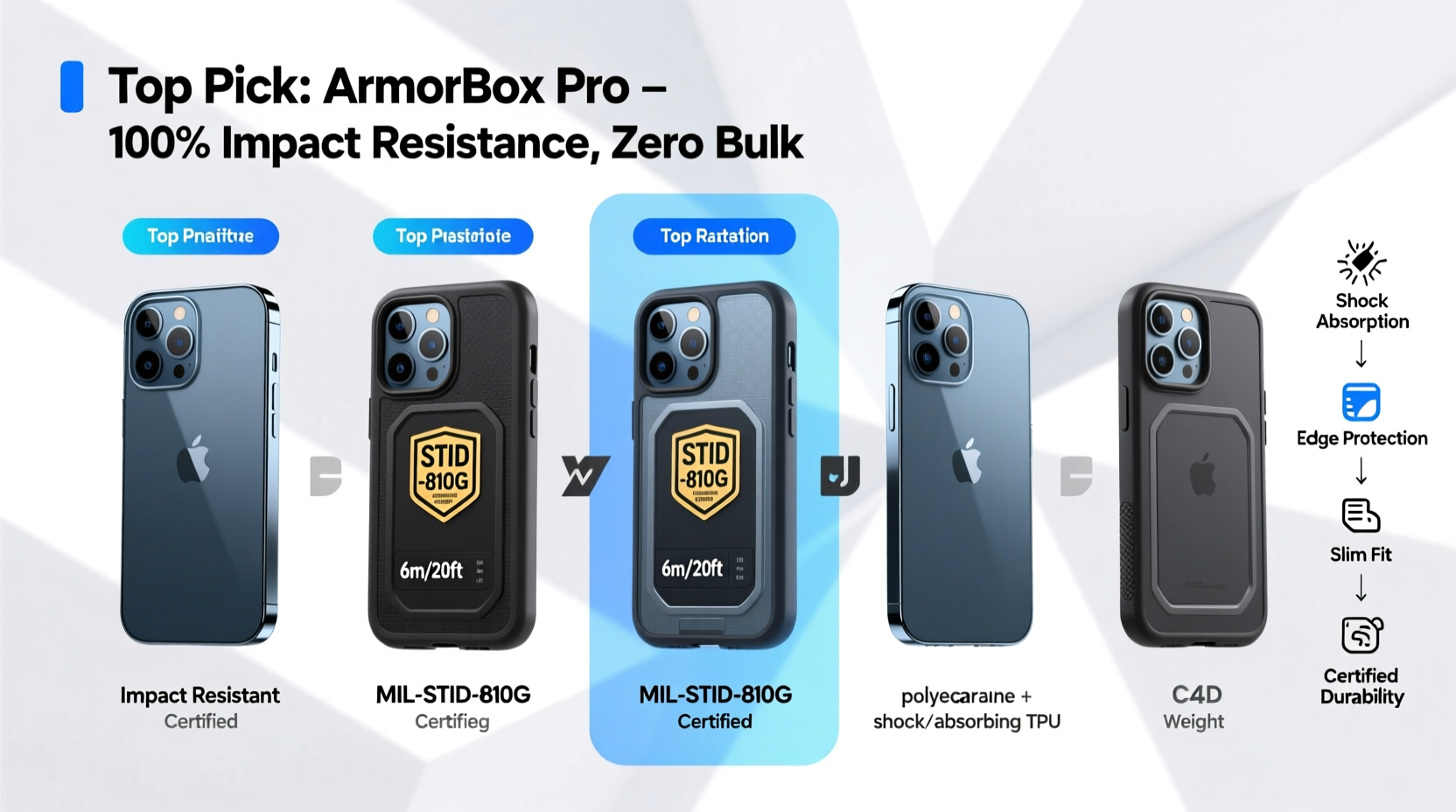
- Certified Drop Protection: Look for cases tested to MIL-STD-810G or higher standards, which simulate drops from 4 to 6 feet onto concrete.
- Reinforced Corners: Since 70% of impacts occur corner-first, some brands integrate air cushion zones or hexagonal support structures at each corner.
- precise cutouts: Full access to ports and buttons without compromising structural coverage.
Top Materials Used in Impact Resistant Cases
The effectiveness of a protective case hinges largely on material science. Here’s a breakdown of the most common options and their pros and cons:
| Material | Impact Absorption | Durability | Weight & Bulk | Best For |
|---|---|---|---|---|
| TPU (Thermoplastic Polyurethane) | High | Moderate (can yellow over time) | Low to Moderate | Daily use with moderate drop risk |
| Polycarbonate | Moderate | Very High | Low | Sleek protection with minimal bulk |
| Hybrid (TPU + PC) | Very High | High | Moderate | Maximum drop protection |
| Silicone with Shock Layers | Moderate | Moderate | Low | Style-focused users needing light protection |
| Aluminum/Armor Frames | Variable (depends on padding) | Extremely High | High | Industrial or outdoor environments |
For most consumers, hybrid cases offer the optimal balance between protection and usability. Brands like OtterBox, UAG (Urban Armor Gear), and Spigen have refined this formula through extensive testing and iterative design.
How to Choose the Right Case for Your Lifestyle
Your daily routine should dictate your case choice. A desk job in a climate-controlled office poses different risks than hiking, construction work, or parenting young children. Consider these scenarios:
Everyday Urban Use
If you commute, carry your phone in pockets or bags, and occasionally set it on tables or counters, a slim hybrid case with MIL-STD certification is ideal. Prioritize grip and pocketability.
Active or Outdoor Lifestyles
Hikers, cyclists, or travelers benefit from cases with extended bumpers, lanyard compatibility, and water-resistant seals. Look for models with IP68-rated accessories or magnetic mounts for car/wall use.
Workplace Hazards
In industrial or medical settings, consider cases with antimicrobial coatings, glove-friendly buttons, and extreme temperature tolerance. Some military-grade options exceed 6-foot drop ratings.
“I dropped my iPhone from a ladder while installing lighting at a warehouse. My UAG Monarch case survived; the phone didn’t even reboot.” — Jordan Reyes, Electrician & DIY Content Creator
Step-by-Step Guide to Selecting Your Ideal Case
Follow this practical process to ensure you make a confident, informed decision:
- Identify Your Risk Level: Assess how often and where you typically use your phone. Frequent travelers or parents face higher drop probabilities.
- Check Compatibility: Confirm the case is designed specifically for your iPhone model (e.g., iPhone 15 Pro Max vs. iPhone 14).
- Review Independent Testing: Search for YouTube drop tests or lab reports from sources like Consumer Reports or Wirecutter.
- Evaluate Design Trade-offs: Decide if you’re willing to accept added bulk for superior protection.
- Test Grip and Usability: Read reviews about button responsiveness, wireless charging clearance, and pocket fit.
- Purchase from Reputable Retailers: Buy directly from brand websites or authorized sellers to avoid counterfeits.
Frequently Asked Questions
Do impact resistant cases block wireless charging?
Most modern impact resistant cases are designed to be wireless charging compatible. However, extremely thick armor cases may interfere with MagSafe alignment. Always check product specifications before purchase.
Can I use a screen protector with an impact resistant case?
Absolutely—and you should. Even with elevated bezels, a tempered glass screen protector adds an extra layer of defense against micro-drops and abrasions.
How long do these cases last?
Well-maintained TPU-based cases typically last 12–18 months before showing signs of wear like discoloration or stiffness. Polycarbonate shells last longer but may crack under repeated stress.
Final Checklist Before Buying
Checklist:- ✅ Confirmed compatibility with your iPhone model
- ✅ Meets MIL-STD-810G or equivalent drop standard
- ✅ Includes raised edges for screen and camera
- ✅ Allows full access to ports, speakers, and buttons
- ✅ Supports wireless charging and MagSafe (if applicable)
- ✅ Positive independent reviews and real-world test videos
- ✅ Comes with warranty or satisfaction guarantee
Conclusion: Protect Your Investment Wisely
Your iPhone represents both financial investment and personal data continuity. Choosing the right impact resistant case isn't about adding unnecessary weight—it's about ensuring reliability in unpredictable moments. Whether you're navigating city sidewalks, working on job sites, or chasing kids at the park, the right case gives you peace of mind that your device can withstand life’s minor disasters.
Don’t wait until after the first drop to consider protection. Evaluate your needs, compare trusted brands, and invest in a case that aligns with your lifestyle. With the right choice, your iPhone can stay functional, flawless, and fully protected for years to come.
💬 Have a drop survival story or favorite case recommendation? Share your experience below and help others make smarter protection choices!