Roasted potatoes are a cornerstone of comfort food across cultures—from golden British roasties to crisp French pommes de terre and smoky Spanish patatas bravas. Yet, despite their simplicity, achieving that ideal balance of crunchy, deeply caramelized exterior and tender, airy interior hinges on one critical decision: the potato variety. Not all spuds behave the same under high heat. Some turn to mush, others resist browning, and many lack the structural integrity needed for even cooking. Selecting the right potato isn’t just a matter of preference; it’s a science of starch, moisture, and cell structure. Understanding which types excel in the oven—and why—can elevate a side dish into a showstopper.
Definition & Overview
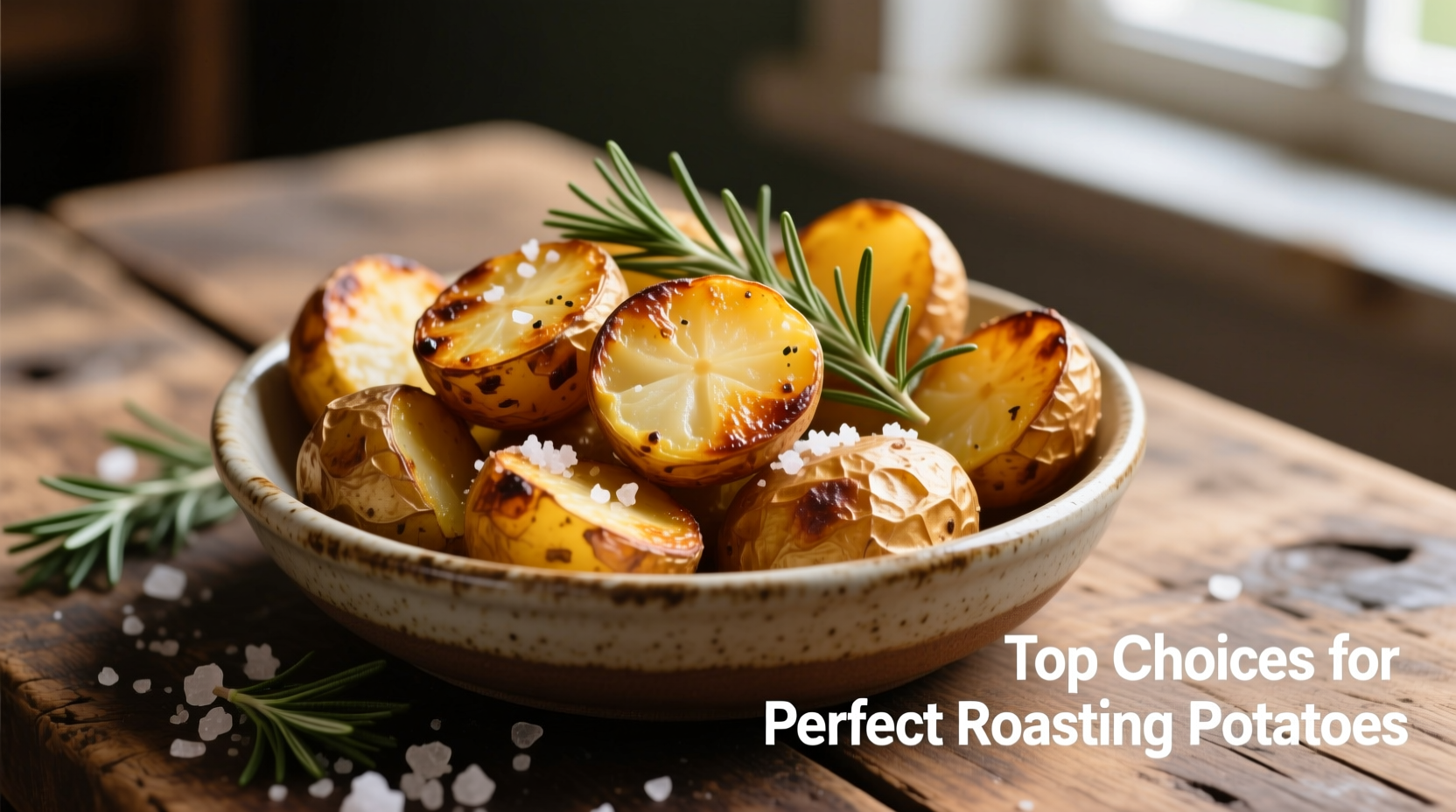
Potatoes (Solanum tuberosum) are starchy tubers cultivated worldwide, with over 4,000 edible varieties. When used for roasting, they undergo a transformation driven by dry heat, typically between 375°F and 450°F (190°C–230°C). This process triggers Maillard browning, moisture evaporation, and starch gelatinization, creating complex flavors and contrasting textures. The success of roasted potatoes depends not only on technique—oil type, pre-boiling, flipping frequency—but fundamentally on the cultivar’s inherent composition. Potatoes fall broadly into three categories: waxy, starchy, and all-purpose. For roasting, high-starch or all-purpose varieties generally perform best due to their ability to crisp externally while maintaining a light, fluffy core.
Key Characteristics of Ideal Roasting Potatoes
The best roasting potatoes share a specific set of physical and chemical traits that respond well to high-heat cooking:
- High starch content: Enables a fluffy interior and promotes surface crispness when exposed to oil and heat.
- Moderate to low moisture: Reduces steaming during roasting, allowing for better browning.
- Thick skin: Withstands prolonged roasting without disintegrating, contributing to textural contrast.
- Neutral to earthy flavor: Absorbs seasonings and complements meats, herbs, and fats without overpowering.
- Uniform shape: Ensures even cooking when cut into similar-sized pieces.
- Long shelf life: Stores well for weeks in cool, dark conditions, making them pantry staples.
Pro Tip: Starch content directly affects water absorption. High-starch potatoes like Russets soak up less water when parboiled, preserving more internal structure—a key step in achieving fluffiness without sogginess.
Variants & Types: Best Potatoes for Roasting
While hundreds of potato cultivars exist, only a handful consistently deliver restaurant-quality results in roasting applications. Below is a detailed breakdown of the top performers, including their origins, culinary behavior, and ideal uses.
1. Maris Piper (UK All-Purpose Champion)
A staple in British kitchens, Maris Piper is a long, oval-shaped potato with pale yellow flesh and thin tan skin. Developed in the 1960s, it's renowned for its versatility. With medium-high starch and balanced moisture, it crisps beautifully while maintaining a creamy center. Its neutral flavor makes it ideal for absorbing beef drippings, garlic, rosemary, or duck fat.
- Best for: Traditional roast dinners, chip-shop-style fries, scalloped potatoes.
- Cooking note: Parboil for 6–8 minutes before roasting to roughen the edges and maximize crispiness.
2. Russet (Idaho/Burbank – North American Standard)
The quintessential baking potato, Russets have dark brown, netted skin and dense white flesh. Extremely high in starch and low in moisture, they produce an exceptionally fluffy interior and crisp shell. Their size and uniformity make them excellent for large batches. However, their fragility when boiled requires careful handling during parboiling.
- Best for: Oven-roasted wedges, twice-baked potatoes, rustic home fries.
- Cooking note: Toss in cornstarch after parboiling to enhance crunch—a technique used in Michelin-level kitchens.
3. King Edward
Bred in Ireland but widely grown in the UK, King Edwards feature pinkish-red skin and creamy yellow flesh. They rank among the highest in starch content and are prized for their rich, buttery mouthfeel. These potatoes caramelize deeply and hold their shape well, making them favorites in gastropubs and fine dining.
- Best for: Duck fat roasting, garlic confit integration, meat accompaniments.
- Cooking note: Cook slowly at 400°F (200°C) for maximum flavor development without burning.
4. Yukon Gold (Canadian All-Purpose Hybrid)
Bred in Ontario in the 1960s, Yukon Golds bridge the gap between waxy and starchy. They have smooth, golden-yellow skin and flesh with a naturally buttery taste. Moderate starch allows for decent crispness, though not as pronounced as Russets. Their waxier nature means they’re less prone to breaking, ideal for chunky roasts or sheet pan meals.
- Best for: One-pan meals, herb-roasted sides, vegetarian platters.
- Cooking note: Skip parboiling if roasting with other vegetables to prevent overcooking.
5. Désirée (Red-Skinned European Favorite)
A red-skinned, yellow-fleshed potato developed in the Netherlands, Désirée offers a slightly sweet, nutty flavor and firm texture. Medium starch level provides moderate crispness and holds shape well. Often overlooked for roasting, it performs excellently when roasted whole or halved, especially with olive oil and Mediterranean herbs.
- Best for: Whole roasted baby potatoes, tapas-style dishes, cold potato salads (if leftovers).
- Cooking note: Ideal for convection ovens due to consistent heat distribution.
6. Sebago (Australian & NZ Workhorse)
Common in Australia and New Zealand, Sebagos are similar to Yukon Golds but slightly drier. They roast evenly and develop a deep golden crust. Their reliability and wide availability make them go-to choices in commercial kitchens.
- Best for: Commercial roasting, batch cooking, hash browns.
- Cooking note: Responds well to preheated trays—start roasting on a hot surface for instant sear.
Comparison Table: Roasting Potato Varieties
| Potato Variety | Starch Level | Moisture | Skin Thickness | Crisp Potential | Best Cooking Method |
|---|---|---|---|---|---|
| Maris Piper | High | Medium | Medium | ★★★★☆ | Parboil + roast in fat |
| Russet | Very High | Low | Thick | ★★★★★ | Parboil + cornstarch toss |
| King Edward | Very High | Low-Medium | Medium | ★★★★★ | Slow roast in animal fat |
| Yukon Gold | Moderate-High | Medium | Thin | ★★★☆☆ | Roast directly, no parboil |
| Désirée | Moderate | Medium | Medium | ★★★☆☆ | Whole or halved roasting |
| Sebago | Moderate-High | Low-Medium | Medium | ★★★★☆ | Preheated tray roasting |
Comparison with Similar Ingredients
Many cooks confuse roasting potatoes with those suited for boiling, mashing, or frying. While some overlap exists, the optimal cultivar varies significantly by method. Below is how top roasting potatoes compare to commonly mistaken alternatives:
- Russet vs. Red Bliss: Red Bliss is waxy, high-moisture, and holds shape in salads, but resists crisping. Russets, being starchy, achieve superior crunch and fluffiness.
- Yukon Gold vs. Fingerling: Fingerlings are flavorful but small and moist. They brown unevenly and often char before fully cooking through. Yukon Golds offer broader usability and better volume yield.
- Maris Piper vs. Charlotte (waxy salad potato): Charlottes remain firm and waxy when cooked, excellent for vinaigrettes but poor for roasting unless sliced thin for gratins.
- Katahdin (all-purpose) vs. King Edward: Katahdins are balanced but lack the intense starch-driven expansion and crisp of King Edwards, resulting in denser texture.
\"The difference between a good roast potato and a great one lies in the flouriness of the cultivar. You want a potato that’s willing to break down internally while building armor externally.\" — Chef Angela Hartnett, Michelin-starred British chef
Practical Usage: How to Use the Best Roasting Potatoes
Selecting the right potato is only half the battle. Technique determines final quality. Here’s a professional-grade method applicable to high-starch varieties like Russet, Maris Piper, and King Edward:
- Prep: Wash and peel (optional—skin adds texture). Cut into uniform 1.5-inch chunks to ensure even cooking.
- Parboil: Place in cold salted water. Bring to a boil and simmer for 6–8 minutes until edges appear fluffy but centers remain firm. This gelatinizes surface starches, crucial for crisp formation.
- Drain & Roughen: Drain thoroughly. Return to the pot, cover, and shake gently to fracture the edges—this increases surface area for browning.
- Season: Toss with fat (duck fat, beef tallow, or refined olive oil), sea salt, black pepper, and optional aromatics (crushed garlic, rosemary sprigs).
- Roast: Preheat oven to 425°F (220°C). Use a heavy-duty tray or cast-iron skillet heated in advance. Arrange potatoes in a single layer, ensuring space between pieces. Roast 35–50 minutes, flipping once halfway, until deeply golden and crisp.
Advanced Tip: For ultra-crisp results, add a teaspoon of rice flour or cornstarch per pound of potatoes after parboiling. The starch creates a micro-layer that enhances crunch without altering flavor.
Pairing Suggestions
- With Meats: Russets and King Edwards pair perfectly with roasted lamb, beef, or pork—especially when cooked in rendered drippings.
- Herb Combinations: Rosemary and thyme for earthiness; lemon zest and parsley for brightness; smoked paprika and garlic for depth.
- Fat Choices: Duck fat for richness, ghee for nuttiness, avocado oil for high smoke point, extra virgin olive oil for Mediterranean profiles (add late to preserve flavor).
Professional Applications
In high-end kitchens, roasting potatoes are often treated as standalone components. Techniques include:
- Confit first, then roast: Simmer potatoes in duck fat at 200°F (95°C) for 30 minutes, then finish at 425°F for crisp skin.
- Double-roast method: Initial roast at 350°F to dry out, cool overnight, then re-roast at 450°F for explosive crispness.
- Smoked potato variation: Cold-smoke King Edwards before roasting to add umami complexity.
Practical Tips & FAQs
Q: Can I roast waxy potatoes like Red Bliss?
A: Yes, but expect different results. Waxy potatoes will brown lightly and retain firmness, suitable for ratatouille-style dishes or warm salads. They won’t achieve the fluffy interior characteristic of traditional roast potatoes.
Q: Do I need to parboil all potatoes before roasting?
A: Not always. High-starch potatoes benefit most from parboiling. Yukon Golds or Désirées can be roasted directly if cut small or used in mixed vegetable roasts where timing must align.
Q: Why do my roasted potatoes stick to the pan?
A: Likely causes include insufficient preheating, too much moisture, or inadequate fat. Always preheat the tray, dry potatoes thoroughly after boiling, and use enough oil to create a barrier.
Q: How should I store unused raw potatoes?
A: Keep in a cool, dark, well-ventilated place (45–50°F / 7–10°C). Avoid refrigeration, which converts starch to sugar and leads to excessive browning. Never store near onions, which emit gases that accelerate sprouting.
Q: What are common substitutions if my preferred variety is unavailable?
A: Use this substitution guide:
- Russet → Maris Piper or King Edward
- Yukon Gold → Sebago or Nicola
- Maris Piper → Russet (peeled) or King Edward
- King Edward → Any high-starch baking potato with yellow flesh
Q: Can I freeze roasted potatoes?
A: Not recommended. Freezing disrupts cell structure, leading to sogginess upon reheating. Instead, roast fresh or refrigerate for up to 3 days and re-crisp in a hot oven.
Q: Are sweet potatoes suitable for the same roasting techniques?
A: No. Sweet potatoes are higher in sugar and moisture, leading to caramelization rather than crisping. They burn easily at high heat. Roast at 375°F with shorter time (25–30 minutes) and avoid pre-boiling.
Storage Lifespan Reference:
• Russet, Maris Piper, King Edward: 2–3 months (cool, dark)
• Yukon Gold, Désirée: 1–2 months
• Sebago: 6–8 weeks
Once cut or cooked, refrigerate within 2 hours and consume within 3–4 days.
Summary & Key Takeaways
Perfect roasted potatoes begin with intelligent cultivar selection. High-starch varieties—particularly Russet, Maris Piper, and King Edward—deliver the ideal combination of crispy exteriors and fluffy interiors due to their low moisture and robust cell structure. Parboiling, edge-roughening, and proper fat selection amplify these qualities. While all-purpose types like Yukon Gold and Désirée offer versatility, they trade ultimate crispness for reliability in mixed dishes.
Understanding the science behind starch, moisture, and heat response transforms a humble side into a culinary highlight. Whether preparing Sunday dinner or refining restaurant service, matching potato type to technique ensures consistency and excellence.
Final Recommendation: For the ultimate roast potato, choose King Edward or Russet, parboil with salt, roughen the surface, toss with duck fat and rosemary, and roast on a preheated tray at 425°F until deeply golden. Let them rest 5 minutes before serving to preserve crunch.