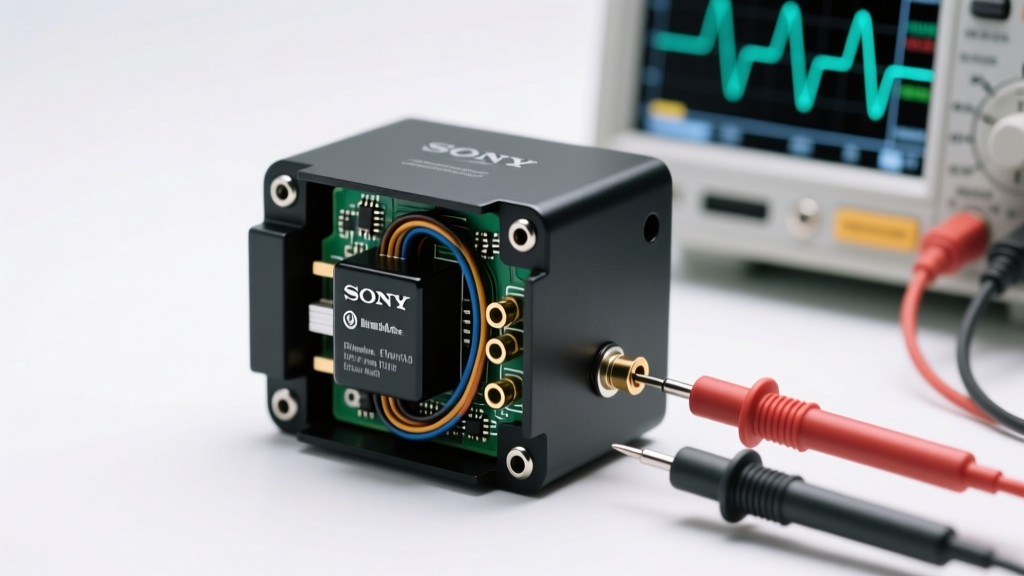
Types of Teltonika Batteries
A Teltonika battery is a critical power source for a wide range of telematics and IoT devices, designed to ensure reliable operation in diverse environments. These batteries come in various chemistries, each offering unique advantages in terms of energy density, safety, lifespan, and performance under specific conditions. Choosing the right type is essential for optimizing device efficiency and longevity.
Lithium-Polymer (Li-Po)
Engineered for compactness and flexibility, Teltonika's lithium-polymer batteries are ideal for space-constrained applications. They use a polymer electrolyte instead of a liquid one, allowing for thinner, lighter, and more customizable form factors.
Advantages
- Ultra-thin and lightweight design
- High energy density for small devices
- Stable voltage output during discharge
- Low self-discharge rate
- Excellent performance in portable telematics units
Limitations
- More expensive than standard Li-ion
- Sensitive to overcharging and physical damage
- Limited cycle life compared to newer chemistries
Best for: Compact GPS trackers, wearable IoT devices, and applications requiring slim battery profiles
Lithium-Ion (Li-ion)
One of the most widely used rechargeable battery technologies, Teltonika’s Li-ion batteries—available in 1250mAh and 2500mAh variants—deliver robust performance with high efficiency. These batteries are known for their balance of capacity, longevity, and reliability.
Advantages
- High energy-to-weight ratio
- Long cycle life (500–1000+ cycles)
- Minimal memory effect
- Cost-effective for mass deployment
- Ideal for continuous or long-duration operations
Limitations
- Requires protection circuitry for safety
- Degrades over time, even when unused
- Performance drops in extreme temperatures
Best for: Fleet tracking devices, asset monitoring systems, and applications requiring sustained power over extended periods
Lithium Iron Phosphate (LiFePO₄)
Also known as lithium ferrous phosphate, this chemistry is renowned for its thermal stability and safety. Teltonika utilizes LiFePO₄ batteries in professional-grade instruments where reliability under stress is paramount.
Advantages
- Exceptional thermal and chemical stability
- Very long cycle life (2000+ cycles)
- High resistance to overheating and combustion
- Environmentally friendly chemistry
- Maintains performance in high-temperature environments
Limitations
- Lower energy density than Li-ion or Li-Po
- Higher initial cost
- Requires specialized charging protocols
Best for: Industrial IoT devices, outdoor tracking units, and safety-critical applications
Nickel Metal Hydride (NiMH)
A proven alternative to lithium-based systems, Teltonika’s NiMH batteries offer moderate discharge rates and are valued for their versatility and environmental compatibility. They are particularly useful in applications where safety and recyclability are priorities.
Advantages
- Environmentally friendly (non-toxic materials)
- Good performance across a range of temperatures
- Higher capacity than older NiCd batteries
- Less prone to leakage than some chemistries
- Suitable for moderate-drain devices
Limitations
- Higher self-discharge rate (loses charge when idle)
- Heavier and bulkier than lithium options
- Shorter cycle life compared to Li-ion
Best for: Backup power systems, legacy-compatible devices, and eco-conscious deployments
| Battery Type | Energy Density | Safety | Lifespan (Cycles) | Best Application |
|---|---|---|---|---|
| Lithium-Polymer (Li-Po) | High | Medium | 300–500 | Compact trackers, slim devices |
| Lithium-Ion (Li-ion) | Very High | Medium | 500–1000 | Long-term tracking, fleet management |
| Lithium Iron Phosphate (LiFePO₄) | Moderate | Excellent | 2000+ | Industrial, high-safety environments |
| Nickel Metal Hydride (NiMH) | Moderate | High | 300–500 | Versatile use, eco-friendly setups |
Expert Tip: For optimal battery longevity, avoid exposing Teltonika devices to extreme temperatures and ensure regular charging cycles. For Li-ion and Li-Po batteries, try not to fully discharge them regularly—keeping them between 20% and 80% charge can significantly extend their usable life.
Industry Applications of Teltonika Batteries
Teltonika batteries, though compact in size, deliver robust and reliable power that supports a wide range of critical applications across multiple industries. Engineered for durability, long life, and consistent performance—even in extreme conditions—these batteries are integral to modern technological infrastructure. From remote monitoring to emergency response, Teltonika’s energy solutions ensure uninterrupted operation where reliability is non-negotiable.
Internet of Things (IoT)
IoT Connectivity & Remote Sensing
The Internet of Things (IoT) thrives on decentralized, always-on devices that collect and transmit data in real time. Teltonika batteries power a wide array of IoT sensors and tracking units, including the Teltonika FMB and RTV series vehicle trackers. These devices rely on long-lasting, low-maintenance battery systems to operate in remote or mobile environments where access to continuous power is limited.
With features like low power consumption and advanced charge management, Teltonika batteries enable months—or even years—of autonomous operation, making them ideal for asset tracking, environmental monitoring, and smart city applications.
Telecommunications
Backup Power for Network Reliability
In the telecom sector, maintaining uptime is critical. Teltonika batteries serve as dependable backup power sources for communication towers, routers, and signal repeaters during grid failures. This ensures that voice, data, and emergency services remain functional even during prolonged outages.
Used in conjunction with solar or hybrid power systems, these batteries support uninterrupted data transmission in rural or disaster-prone areas, playing a vital role in national communication resilience and public safety infrastructure.
Healthcare and Social Care
Remote Patient Monitoring
Teltonika batteries are instrumental in the advancement of telemedicine and remote health monitoring. They power wearable and home-based medical devices that transmit vital signs—such as heart rate, blood pressure, and oxygen levels—to healthcare providers in real time.
This technology allows elderly or chronically ill patients to receive continuous care from their homes, reducing hospital readmissions and improving quality of life. The reliability and longevity of Teltonika batteries ensure that critical health data is never lost due to power failure.
Agriculture
Smart Farming and Livestock Management
Modern agriculture increasingly relies on precision technologies to optimize yield and resource use. Teltonika batteries power GPS trackers for livestock, soil moisture sensors, automated irrigation controllers, and field monitoring systems.
These applications help farmers track animal movement, prevent theft, monitor crop conditions, and manage large land areas efficiently. With long operational life and resistance to environmental stress, Teltonika batteries support sustainable and data-driven farming practices in remote rural locations.
Logistics and Fleet Management
Real-Time Vehicle Tracking
In the logistics industry, operational efficiency depends on real-time visibility. Teltonika-powered tracking devices, such as the FMB series, use internal batteries to maintain functionality even when vehicles are turned off or tampered with.
These batteries ensure continuous GPS tracking, geofencing, and driver behavior monitoring, enabling companies to optimize routes, reduce fuel consumption, prevent theft, and improve delivery accuracy. Their reliability is especially crucial in cold chain logistics, where temperature-sensitive goods require constant monitoring.
Emergency Services
Always-On Critical Operations
For emergency services—including police, fire departments, and ambulance units—power failure is not an option. Teltonika batteries provide backup power for communication systems, body-worn cameras, GPS trackers, and mobile command units.
They ensure that first responders remain connected and operational during blackouts, natural disasters, or in remote areas with no grid access. The durability and quick-recharge capabilities of these batteries make them essential for mission-critical scenarios where every second counts.
Construction and Industrial Tools
Equipment Tracking and Power Supply
Teltonika batteries are increasingly used in the construction and industrial sectors to power smart tools and asset tracking systems. They enable real-time monitoring of heavy machinery, preventing theft and optimizing equipment utilization.
Beyond tracking, these batteries also support onboard diagnostics, usage logging, and predictive maintenance alerts. Their rugged design withstands harsh job site conditions, including dust, moisture, and vibration, making them ideal for demanding industrial environments.
| Industry | Key Applications | Battery Benefits |
|---|---|---|
| IoT | Sensors, trackers, smart devices | Long lifespan, low power draw, compact size |
| Telecom | Signal towers, backup systems | Reliable backup, fast recharge, stable output |
| Healthcare | Remote monitoring, wearables | Continuous operation, safety-certified |
| Agriculture | Livestock tracking, field sensors | Weather-resistant, long-term deployment |
| Logistics | Fleet tracking, cold chain monitoring | Always-on GPS, tamper-proof power |
| Emergency Services | Communication, command units | Durable, high reliability, instant readiness |
| Construction | Tool tracking, diagnostics | Shock-resistant, industrial-grade |
Important: The performance and longevity of Teltonika batteries depend on proper installation, environmental conditions, and maintenance. Always follow manufacturer guidelines for charging, temperature exposure, and replacement schedules. Using non-certified or incompatible batteries in critical systems may compromise safety, data integrity, and device functionality.
Product Specifications and Features of Teltonika Batteries
Teltonika batteries are engineered for reliability, efficiency, and long-term performance in a wide range of industrial and IoT applications. Designed with advanced lithium-polymer technology, these batteries offer a powerful energy solution for Teltonika’s telematics and tracking devices. Below is a detailed breakdown of technical specifications, usage guidelines, and customization options to help users and integrators make informed decisions.
Core Technical Specifications
- Battery Type: High-efficiency Li-Polymer (Lithium-Polymer) chemistry ensures stable voltage output and lightweight design, ideal for compact and portable applications.
- Capacity: 2500 mAh provides extended operational time between charges, suitable for mid-to-high usage scenarios in GPS trackers and remote monitoring systems.
- Charging Time: Approximately 4 hours for a full charge, balancing fast recharge capability with battery longevity and safety protocols.
- Operating Temperature: -20°C to +60°C enables reliable performance in extreme environments, from cold outdoor installations to hot industrial settings.
- Shelf Life: Minimum 12 months at +25°C, allowing for extended storage without significant capacity loss—ideal for inventory management and backup deployments.
Physical & Compliance Features
- Dimensions: Compact 9 x 6.3 x 1.2 cm size allows seamless integration into space-constrained Teltonika devices and enclosures.
- Certifications: Fully compliant with international safety and environmental standards:
- CE: Meets European health, safety, and environmental requirements.
- RoHS: Free from hazardous substances like lead, mercury, and cadmium.
- UN 38.3: Certified for safe transport of lithium batteries, including vibration, shock, and thermal testing.
- Design Integrity: Sealed construction protects against dust and minor moisture exposure, enhancing durability in field applications.
Pro Tip: For mission-critical deployments, always verify battery compatibility with your specific Teltonika device model using the official product documentation or compatibility tool to ensure optimal performance and warranty coverage.
Installation Guidelines
Teltonika batteries are designed for straightforward installation across compatible devices. However, proper handling ensures safety and functionality:
- Power off the device before inserting or removing the battery.
- Align the connector carefully to avoid pin damage—do not force the connection.
- Secure the battery in the designated compartment to prevent movement during operation.
- Always refer to the user manual of your specific Teltonika device (e.g., FMB140, FM5500) for step-by-step installation instructions and diagrams.
Best Practices for Usage
Maximizing the efficiency and lifespan of your Teltonika battery starts with correct usage:
- Ensure secure electrical contact between the battery and device terminals to prevent intermittent power issues.
- Avoid deep discharges—recharge before the battery drops below 10% to prolong cycle life.
- Use only approved chargers or power sources that match the device’s input specifications.
- Never expose the battery to liquids, high humidity, or corrosive environments.
- Operate within the specified temperature range to prevent thermal stress and capacity degradation.
Maintenance and Safety
Teltonika Li-Polymer batteries are maintenance-free but benefit from responsible care:
- Store in a cool, dry place away from direct sunlight and heat sources (e.g., vehicles in summer).
- If storing long-term, charge the battery to ~50% before storage to minimize aging.
- Safety Warning: Do not puncture, crush, or disassemble the battery—Li-Polymer cells can pose fire or explosion risks if damaged.
- Dispose of used batteries at designated recycling centers; do not incinerate.
- No periodic calibration or conditioning is required thanks to modern BMS integration in Teltonika devices.
Customization and OEM Opportunities
Teltonika supports tailored battery solutions for businesses and system integrators seeking to optimize performance or branding:
- Capacity Adjustments: Options beyond 2500 mAh for extended runtime applications.
- Chemistry Variants: Explore alternative lithium-based formulations based on temperature or cycle life requirements.
- Connector Types: Custom connectors or pin configurations for proprietary or ruggedized systems.
- Housing & Casing: Modified dimensions or protective enclosures for unique mechanical integration.
- Branding & Labeling: Add company logos, part numbers, or regulatory labels for OEM partnerships.
Note: Custom and OEM orders are subject to minimum order quantities (MOQ) and technical feasibility assessment. Interested parties should contact Teltonika Customer Support or their regional sales representative to discuss project requirements and obtain a quote.
| Feature | Specification | Benefit |
|---|---|---|
| Battery Chemistry | Li-Polymer | Lightweight, high energy density, stable discharge curve |
| Capacity | 2500 mAh | Suitable for continuous tracking and data transmission |
| Operating Temp | -20°C to +60°C | Reliable in harsh climates and industrial environments |
| Charging Time | ~4 hours | Quick turnaround for minimal downtime |
| Certifications | CE, RoHS, UN 38.3 | Global compliance for safety and shipping |
| Shelf Life | 12+ months at 25°C | Ideal for stockpiling and backup use |
Expert Recommendation: For applications requiring uninterrupted operation—such as fleet tracking or asset monitoring—consider pairing the Teltonika battery with an external power source or solar charger to extend uptime. Regularly monitor battery health via device diagnostics in Teltonika RMS (Remote Management System) for predictive maintenance and optimal performance.
Quality and Safety Considerations of Teltonika Batteries
Teltonika is globally recognized for its commitment to excellence, consistently delivering high-performance battery solutions trusted by industries and consumers alike. The company's dedication to quality is reflected in its numerous accolades, including the prestigious Best Workplace Award in 2020 and 2022, and being voted the Most Customer-Friendly Company. These awards are not merely symbolic—they are the result of a continuous drive to exceed customer expectations and uphold rigorous internal and international standards.
Did You Know? Teltonika’s in-house production model allows full control over the entire manufacturing lifecycle, from design and component selection to final assembly and testing. This vertical integration is a key factor in ensuring consistent quality and rapid response to evolving technological demands.
Commitment to Manufacturing Excellence
By assembling batteries in-house, Teltonika maintains strict oversight of every stage of production. This enables the company to:
- Implement real-time quality monitoring and process optimization
- Quickly identify and resolve potential defects before products reach the market
- Customize battery designs for specific applications and environmental conditions
- Ensure traceability of components for accountability and continuous improvement
This hands-on approach supports lean manufacturing principles, reducing waste and enhancing efficiency while maintaining superior product integrity.
Advanced Materials and Engineering
Teltonika leverages cutting-edge technology and innovative engineering to produce batteries that deliver exceptional performance and durability. Every component—from the outer casing to the internal electrochemical elements—is meticulously selected based on:
- Durability: Resistant to impact, vibration, and extreme temperatures
- Efficiency: High energy density and low self-discharge rates
- Environmental resilience: Operates reliably in harsh conditions, including industrial, outdoor, and mobile environments
- Sustainability: Use of recyclable materials and compliance with environmental directives
The result is a long-lasting, high-reliability power source designed for mission-critical applications across IoT, telematics, and remote monitoring systems.
Comprehensive Safety Features
Safety is a top priority in Teltonika’s battery design. Their lithium-ion (Li-ion) and lithium-polymer (Li-Polymer) batteries are equipped with multiple built-in protection mechanisms to prevent hazardous conditions, including:
- Short-circuit protection: Automatically interrupts current flow in case of electrical faults
- Overcharge prevention: Prevents excessive voltage during charging, protecting cell integrity
- Over-discharge protection: Maintains safe voltage levels to extend battery lifespan
- Temperature control: Monitors heat levels and reduces output if overheating is detected
- Current regulation: Limits amperage to prevent thermal runaway
These intelligent safeguards work together to ensure safe operation under normal and unexpected usage scenarios.
Safety Certification: All Teltonika batteries undergo rigorous pre-market testing to meet international safety and environmental standards, including CE (Conformité Européenne) and RoHS (Restriction of Hazardous Substances). These certifications confirm compliance with EU health, safety, and environmental protection requirements, making Teltonika batteries suitable for global deployment.
| Safety Feature | Function | Benefit | Compliance Standard |
|---|---|---|---|
| Short-Circuit Protection | Interrupts power flow during electrical faults | Prevents fire and component damage | IEC 62133, CE |
| Overcharge Protection | Stops charging at full capacity | Extends battery life and prevents swelling | UN 38.3, RoHS |
| Temperature Monitoring | Activates shutdown at unsafe temperatures | Ensures safe operation in extreme climates | IEC 60068, CE |
| Over-Discharge Protection | Maintains minimum safe voltage | Preserves battery health and rechargeability | IEC 61960 |
| Enclosure Integrity | Robust casing resists physical damage | Protects internal components from impact | IP Rating (as applicable), CE |
Expert Tip: For optimal performance and safety, always use Teltonika-recommended chargers and follow manufacturer guidelines for storage and operation. Avoid exposing batteries to direct sunlight or extreme cold for prolonged periods to maximize lifespan and reliability.
Why Teltonika Stands Out
In a competitive market, Teltonika differentiates itself through:
- End-to-end quality control enabled by in-house manufacturing
- Proactive innovation integrating the latest battery technologies
- Global compliance with leading safety and environmental regulations
- Customer-centric design focused on real-world usability and reliability
These factors collectively ensure that Teltonika batteries are not only safe and durable but also engineered for long-term performance in demanding applications.
Whether powering industrial IoT devices, GPS trackers, or smart sensors, Teltonika batteries represent a trusted combination of innovation, safety, and quality—making them a preferred choice for professionals who depend on uninterrupted, reliable power.
Frequently Asked Questions About Teltonika Batteries
Q1. Why are some Teltonika batteries labeled 1250 mAh and others 2500 mAh?The difference lies in battery capacity, which directly affects how long the battery can power a device before needing a recharge. The milliampere-hour (mAh) rating indicates the amount of electrical charge a battery can deliver over time.
- 1250 mAh Battery: This battery can supply 1250 milliamperes of current for one hour under ideal conditions. It is typically used in devices with lower power demands or where compact size is prioritized.
- 2500 mAh Battery: With double the capacity, this battery can provide the same current for twice as long—or higher current for a longer duration—making it suitable for extended operation or higher-drain applications.
- Practical Impact: A 2500 mAh battery generally offers significantly longer runtime than a 1250 mAh unit, assuming identical usage patterns and device efficiency.
Choosing between them depends on your operational needs—whether you prioritize longevity, size, weight, or cost. Always verify compatibility with your specific Teltonika device model before replacement or upgrade.
Q2. Are Teltonika batteries interchangeable?In most cases, Teltonika batteries are not universally interchangeable across different device models. While some units may appear similar, battery compatibility depends on several technical and physical factors:
- Voltage Requirements: Even small mismatches in voltage can damage the device or reduce battery life.
- Physical Dimensions: Differences in size or connector placement can prevent proper installation or create connection issues.
- Chemistry & Protection Circuits: Batteries may use different chemistries (e.g., Li-ion vs. LiFePO₄) or integrated protection systems that are not compatible across models.
- Firmware Recognition: Some Teltonika devices monitor battery type and may limit functionality or display warnings if an unrecognized or non-standard battery is detected.
To ensure safe and optimal performance, always consult the official user manual or contact your authorized Teltonika retailer or distributor before substituting a battery. Using an incompatible battery may void warranties and pose safety risks.
Q3. What distinguishes Lithium-ion batteries from nickel metal hydride batteries?Lithium-ion (Li-ion) and nickel metal hydride (NiMH) are two common rechargeable battery types, each with distinct characteristics that make them suitable for different applications. Here’s a detailed comparison:
| Feature | Lithium-ion (Li-ion) | Nickel Metal Hydride (NiMH) |
|---|---|---|
| Energy Density | High – stores more energy per unit volume, ideal for compact electronics. | Moderate – requires larger size for equivalent capacity. |
| Weight | Lighter – excellent for portable and lightweight devices. | Heavier – due to lower energy-to-weight ratio. |
| Self-Discharge Rate | Low – retains charge for months when not in use (about 1–2% per month). | High – can lose up to 20–30% of charge per month. |
| Lifespan (Charge Cycles) | Typically 500–1000 cycles before capacity degrades significantly. | Around 300–500 cycles, depending on usage. |
| Environmental Impact | Recyclable but sensitive to improper disposal; contains no heavy metals like cadmium. | More environmentally friendly than older NiCd batteries, but still requires proper recycling. |
Teltonika devices typically use Li-ion or LiFePO₄ batteries due to their superior energy density, longevity, and reliability—especially important for remote tracking and telematics applications where consistent performance is critical.
Q4. What is the role of a battery protection circuit in Lithium ferrous phosphate (LiFePO₄)?Lithium iron phosphate (LiFePO₄) batteries are known for their stability and safety compared to other lithium-ion variants, but they still require a dedicated protection circuit module (PCM) to ensure safe and efficient operation. This circuit acts as a safeguard against multiple failure modes:
- Overcharge Protection: Prevents the battery from being charged beyond its safe voltage limit (typically around 3.65V per cell), which could lead to thermal runaway or reduced lifespan.
- Over-Discharge Protection: Stops the battery from discharging below a minimum threshold (usually ~2.5V per cell), preserving cell integrity and preventing irreversible damage.
- Overcurrent & Short-Circuit Protection: Detects excessive current draw or accidental shorts and disconnects the circuit to prevent overheating or fire hazards.
- Temperature Monitoring: Shuts down charging or discharging if the battery exceeds safe temperature ranges, either from environmental exposure or internal heating.
- Cell Balancing (in multi-cell packs): Ensures even charge distribution across cells, maximizing overall capacity and extending battery life.
In Teltonika devices, this protection circuit is often built into the battery pack or device itself, ensuring reliable long-term performance in demanding environments such as fleet tracking, industrial IoT, and outdoor installations.