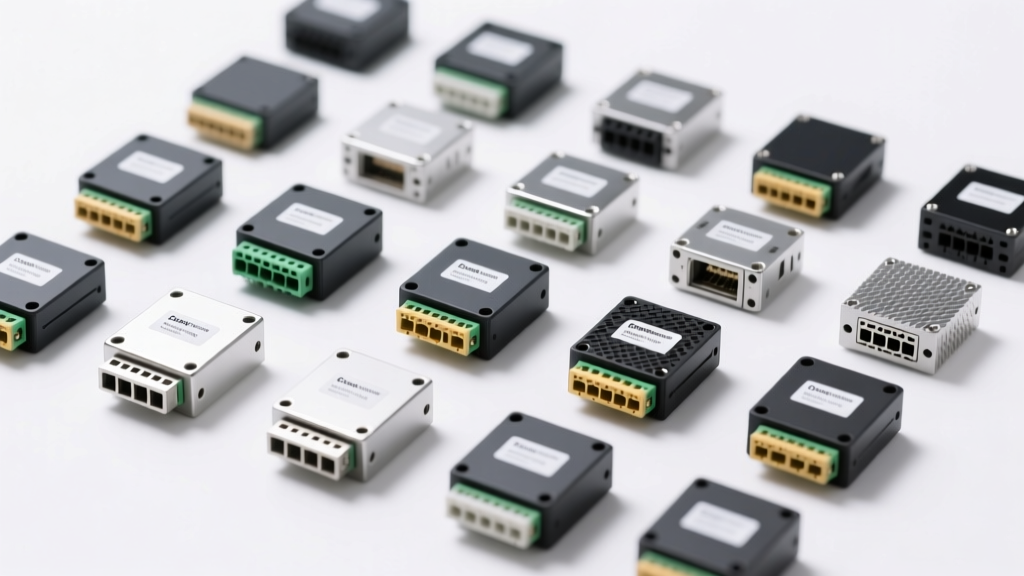
Types of Support Circuit Breakers
A support circuit breaker is a vital safety and control device in electrical systems, designed to protect circuits from damage caused by overcurrent, short circuits, and ground faults. These devices automatically interrupt current flow when a fault is detected, ensuring system reliability, personnel safety, and equipment longevity. With various types available, selecting the right circuit breaker depends on voltage levels, current ratings, application environment, and protection needs.
Understanding the different types of circuit breakers helps engineers, electricians, and facility managers make informed decisions for residential, commercial, and industrial installations. Below is a detailed breakdown of the most common types, their functions, applications, and key characteristics.
Miniature Circuit Breakers (MCBs)
Miniature Circuit Breakers are compact, thermomagnetic devices designed for low-voltage circuits, typically up to 1,000 V AC. They automatically trip when they detect overcurrent or short circuits, protecting wiring and connected equipment from overheating and fire hazards.
Advantages
- Compact and space-efficient design
- Instant reset capability after tripping
- Precise overcurrent protection
- Cost-effective and widely available
- Easy installation and maintenance
Limitations
- Limited to low-current applications (typically up to 125 A)
- No protection against earth leakage currents
- Not suitable for high-fault current environments
Best for: Residential wiring, office buildings, lighting circuits, and small appliance protection
Residual Current Circuit Breakers (RCCBs)
Also known as Ground Fault Circuit Interrupters (GFCIs) in some regions, RCCBs monitor the balance of current between live and neutral conductors. A difference indicates leakage—often through a person—triggering an immediate shutdown to prevent electric shock.
Advantages
- Life-saving protection against electric shock
- Detects small leakage currents (as low as 30 mA)
- Essential in wet or high-risk environments
- Fast response time (typically under 30 ms)
- Complies with electrical safety regulations
Limitations
- Does not protect against overcurrent or short circuits (unless combined with MCB)
- May nuisance-trip in older or poorly insulated circuits
- Requires proper grounding for optimal function
Best for: Bathrooms, kitchens, outdoor outlets, healthcare facilities, construction sites, and moisture-prone areas
Molded Case Circuit Breakers (MCCBs)
MCCBs are robust, thermomagnetic or electronic circuit breakers designed for medium-current applications, typically ranging from 100 A to 1600 A. They offer adjustable trip settings and are commonly used in commercial and industrial power distribution systems.
Advantages
- High interrupting capacity (up to 200 kA)
- Adjustable overcurrent and short-circuit protection
- Available with electronic trip units for precision
- Suitable for three-phase systems
- Durable construction for industrial environments
Limitations
- Larger size compared to MCBs
- Higher cost and complexity
- May require professional setup and calibration
Best for: Industrial motor control, transformers, large HVAC systems, and main distribution boards
Air Circuit Breakers (ACBs)
ACBs are heavy-duty circuit breakers used in high-current, high-voltage applications, typically above 800 A and up to 10,000 A. They use air as the arc-quenching medium and are commonly found in main power distribution units in large facilities.
Advantages
- Very high current and fault interruption capacity
- Electromechanical operation with reliable performance
- Equipped with advanced electronic trip units
- Can be integrated into switchgear systems
- Durable and long service life
Limitations
- Bulky and require significant panel space
- Higher initial and maintenance costs
- Primarily for fixed installations, not portable use
Best for: Large commercial buildings, data centers, power plants, and industrial substations
| Type | Current Range | Voltage Use | Key Protection | Typical Applications |
|---|---|---|---|---|
| MCB | 0.5 A – 125 A | Low Voltage (≤1000V) | Overload & Short Circuit | Residential, Offices, Lighting |
| RCCB | 16 A – 100 A | Low Voltage (≤440V) | Earth Leakage / Shock | Bathrooms, Outdoor, Healthcare |
| MCCB | 100 A – 1600 A | Medium Voltage | Overload, Short Circuit, Earth Fault | Industrial Motors, Transformers |
| ACB | 800 A – 10,000 A | High Voltage | Full Circuit Protection | Power Plants, Data Centers |
Expert Tip: For comprehensive protection, consider using RCBOs (Residual Current Breakers with Overcurrent protection), which combine the functions of MCBs and RCCBs in a single unit—ideal for modern installations requiring both shock and overload protection.
Important Features of Support Circuit Breakers
Circuit breakers are essential safety devices in electrical systems, designed to protect circuits from damage caused by overcurrent, short circuits, and other electrical faults. With a wide variety of types—such as double pole circuit breakers, molded case circuit breakers (MCCBs), air circuit breakers (ACBs), and residual current devices (RCDs)—each model offers specialized features tailored to industrial, commercial, and residential applications. Understanding these features ensures optimal selection, improved system reliability, and enhanced operator safety.
Overcurrent Protection
One of the most fundamental functions of any circuit breaker is overcurrent protection. This feature safeguards electrical systems by detecting when current exceeds the safe operating limit of connected equipment. Excessive current can generate heat, leading to insulation degradation, component failure, or even fire hazards. When an overcurrent condition is detected—typically due to overload conditions—the breaker automatically interrupts the circuit to prevent damage.
Modern circuit breakers allow customization of trip settings to align precisely with the rated current of the protected machinery. For example, in industrial motor control systems, adjustable thermal settings ensure that temporary startup surges don’t cause nuisance tripping, while sustained overloads are promptly addressed. This intelligent response makes overcurrent protection indispensable in environments ranging from manufacturing plants to data centers.
Short Circuit Protection
Short circuits occur when a low-resistance path forms between live conductors, resulting in extremely high current flow—often thousands of amperes—in a fraction of a second. Without immediate intervention, this can lead to catastrophic outcomes such as equipment explosion, arc flashes, or structural fires.
Support circuit breakers like molded case breakers and air circuit breakers are engineered to respond within milliseconds, disconnecting the faulty circuit before damage spreads. Advanced models incorporate **discriminative tripping** (also known as selective coordination), ensuring only the breaker nearest to the fault operates. This prevents unnecessary shutdowns of unaffected downstream circuits, maintaining operational continuity in critical facilities such as hospitals, factories, and power distribution networks.
In addition, many modern breakers integrate arc-fault detection to further enhance fire prevention capabilities, making them ideal for high-risk or mission-critical installations.
Manual Reset Functionality
The manual reset feature adds a crucial layer of control and safety, especially in medium- and high-voltage applications such as industrial switchgear and power distribution panels. After a breaker trips due to an overload or fault, it cannot be re-energized automatically. Instead, a deliberate physical action—such as flipping a switch or pressing a reset button—is required.
This design prevents accidental or premature reactivation of circuits that may still pose a hazard, ensuring that only qualified personnel assess and rectify the underlying issue before restoring power. In complex electrical systems, this promotes accountability, reduces the risk of repeated faults, and supports compliance with safety regulations like OSHA and NFPA 70E.
Manual reset is particularly valuable in environments where unattended restarts could endanger workers or damage sensitive equipment, such as conveyor systems, HVAC units, or chemical processing plants.
Thermal-Magnetic Trip Mechanism
One of the most reliable and widely used protection mechanisms in low- and medium-voltage circuit breakers is the **thermal-magnetic trip system**, which combines two distinct but complementary technologies for comprehensive protection.
Thermal Trip (Time-Delayed)
Utilizes a bimetallic strip that bends when heated by prolonged overcurrent. As the strip deforms, it releases a latch, opening the circuit. This mechanism responds to sustained overloads—such as those caused by too many devices on a single circuit—and allows brief current surges (like motor startup) without tripping.
Magnetic Trip (Instantaneous)
Relies on a solenoid coil that generates a magnetic field during sudden current spikes. When the current exceeds a preset threshold—indicating a short circuit—the magnetic force pulls a plunger to trigger an immediate trip. This response occurs in milliseconds, minimizing damage potential.
This dual-action system makes thermal-magnetic breakers highly versatile, suitable for everything from household distribution boards to industrial control panels. Many ceramic-encased models and compact power supply units use this design for its durability, precision, and fail-safe operation.
| Feature | Primary Benefit | Common Applications |
|---|---|---|
| Overcurrent Protection | Prevents equipment damage from sustained overloads | Motors, transformers, HVAC systems |
| Short Circuit Protection | Stops catastrophic failures via rapid fault isolation | Industrial panels, commercial buildings |
| Manual Reset | Ensures human verification before re-energizing | High-voltage systems, safety-critical zones |
| Thermal-Magnetic Trip | Combines delayed and instantaneous response for full coverage | Residential, commercial, and light industrial panels |
Important: Always select circuit breakers based on the specific electrical load, environment, and regulatory standards. Using improperly rated or non-compliant breakers can compromise safety, lead to equipment failure, or violate electrical codes. Regular testing and maintenance—such as checking for contact wear, proper calibration, and clean terminals—are essential to ensure long-term reliability and protection.
Commercial Uses of Support Circuit Breakers
Support circuit breakers are essential safety and operational components across a wide range of commercial and industrial environments. These devices protect electrical systems from overloads, short circuits, and power surges, preventing equipment damage, minimizing downtime, and ensuring personnel safety. With various types designed for specific applications, understanding their commercial uses highlights their critical role in maintaining reliable, efficient, and safe power distribution.
Manufacturing Facilities
Industrial manufacturing plants rely heavily on robust electrical systems to power heavy machinery, automated production lines, motor drives, and control electronics. These environments are prone to electrical fluctuations, arc faults, and thermal overloads due to high-energy consumption and continuous operation.
- Support circuit breakers are integrated into motor control centers (MCCs), distribution panels, and individual machines to prevent damage from overcurrent events
- They protect sensitive components such as PLCs, servo drives, and robotics from voltage spikes and electrical imbalances
- Quick fault detection and automatic interruption reduce unplanned downtime, saving thousands in lost production
- Compliance with OSHA and NFPA 70E standards ensures worker safety and reduces the risk of arc flash incidents
Key benefit: High-interrupting capacity breakers handle the large inrush currents common in industrial motors while maintaining system reliability.
Commercial Buildings
Office complexes, retail centers, hotels, and event venues require stable and safe electrical infrastructure to support lighting, elevators, HVAC systems, security systems, and tenant equipment. Power disruptions can lead to operational halts, safety hazards, and financial losses.
- Circuit breakers protect main distribution boards and subpanels, ensuring selective coordination during faults
- They are often paired with uninterruptible power supplies (UPS) and backup generators to maintain critical operations during outages
- Modern smart breakers provide remote monitoring and real-time load data, enabling energy management and predictive maintenance
- Thermal-magnetic and molded case circuit breakers (MCCBs) are commonly used for branch circuit protection
Pro tip: Regular thermal imaging and breaker testing help prevent failures in high-traffic commercial electrical rooms.
Data Centers
In data centers, where uptime is mission-critical, support circuit breakers play a vital role in protecting servers, storage arrays, network switches, and cooling systems. Even a brief power interruption can lead to data loss, service outages, and reputational damage.
- Breakers are deployed at every level—from main feeds to rack-level PDUs (Power Distribution Units)—to ensure granular protection
- Advanced breakers with communication protocols (e.g., Modbus, SNMP) integrate with Building Management Systems (BMS) for real-time monitoring
- Automatic transfer switches (ATS) work in tandem with breakers to switch seamlessly between utility and backup power
- Dual-power feed architectures use redundant breakers to eliminate single points of failure
Critical insight: Circuit breakers in data centers must support hot-swappable configurations and support high-density power demands (up to 30–50 kA).
Healthcare Facilities
Hospitals, clinics, and medical centers depend on uninterrupted power for life-support systems, diagnostic imaging (MRI, CT scans), surgical suites, and emergency lighting. Electrical reliability is not just operational—it's a matter of patient safety.
- Support circuit breakers are installed in emergency power systems (EPS) and critical branch circuits as required by NFPA 99
- They protect sensitive medical equipment from voltage transients and ground faults that could compromise device performance
- Hospital-grade breakers are tested for durability and must operate flawlessly under continuous load conditions
- Isolated power systems with line isolation monitors (LIMs) use specialized breakers in operating rooms to prevent microshocks
Safety note: In healthcare, selective coordination is essential to ensure only the affected circuit trips during a fault, preserving power to critical areas.
Professional Recommendation: When specifying circuit breakers for commercial applications, prioritize devices with high short-circuit current ratings (SCCR), thermal stability, and compatibility with monitoring systems. For mission-critical environments like data centers and hospitals, consider investing in intelligent breakers that offer remote diagnostics, trip history, and integration with SCADA or BMS platforms. This not only enhances safety but also supports predictive maintenance and energy efficiency goals.
| Industry Sector | Primary Use Case | Common Breaker Type | Key Performance Requirement |
|---|---|---|---|
| Manufacturing | Machine and motor protection | Molded Case Circuit Breaker (MCCB) | High inrush tolerance, durability |
| Commercial Buildings | Lighting and HVAC circuit protection | Thermal-Magnetic Breaker | Selective coordination, ease of maintenance |
| Data Centers | Rack and PDU-level power management | Intelligent/Smart Breaker | Remote monitoring, fast fault response |
| Healthcare | Life-support and critical equipment circuits | Hospital-Grade, Isolated Power Breaker | Zero downtime, patient safety compliance |
Additional Considerations for Commercial Applications
- Compliance Standards: Ensure breakers meet UL 489 (North America) or IEC 60947 (international) standards for commercial use
- Lifespan & Maintenance: Commercial breakers typically last 15–25 years but require periodic inspection and testing per NFPA 70B
- Energy Efficiency: Modern breakers reduce resistive losses and support energy monitoring for sustainability initiatives
- Scalability: Modular designs allow for easy expansion in growing facilities like data centers and manufacturing plants
- Environmental Resistance: In harsh environments, specify breakers with corrosion-resistant enclosures and wide operating temperature ranges
How to Choose Support Circuit Breakers: A Comprehensive Guide
Selecting the right circuit breaker is a critical decision that directly impacts the safety, efficiency, and reliability of any electrical system. No single circuit protector is universally ideal—each application demands careful evaluation of key technical and environmental factors. This guide provides a detailed breakdown of the essential considerations for choosing the optimal circuit breaker for your power supply system, ensuring long-term performance and compliance with safety standards.
Safety Note: Always consult a licensed electrician or refer to local electrical codes (such as NEC, IEC, or CEC) when selecting and installing circuit breakers. Incorrect selection can lead to equipment damage, fire hazards, or personal injury.
1. Current Rating: Matching Load Requirements
The current rating of a circuit breaker—measured in amperes (A)—must align precisely with the normal operating current of the circuit it protects. Selecting a breaker with an inappropriate rating can lead to either nuisance tripping or dangerous overloads.
- Overrated breakers (too high a current rating) fail to trip during overloads, allowing excessive current to flow. This can generate extreme heat, degrade insulation, damage connected equipment, and increase fire risk.
- Underrated breakers (too low a current rating) may trip unnecessarily during normal operation, causing downtime and operational disruptions.
- Common residential ratings include 15A, 20A, and 30A, while industrial systems may require 100A or higher.
- To determine the correct rating, calculate the total continuous load on the circuit and apply a safety margin (typically 125% of continuous load as per NEC guidelines).
Expert Tip: Use a clamp meter to measure actual circuit current under peak load conditions before selecting a breaker. This ensures accuracy beyond theoretical calculations.
2. Environmental Conditions: Ensuring Operational Reliability
The environment where the circuit breaker is installed significantly influences its performance and lifespan. Harsh conditions such as dust, moisture, temperature extremes, and corrosive substances can impair functionality.
- Outdoor or industrial settings (e.g., factories, construction sites) require breakers housed in NEMA 3R, 4, or 4X-rated enclosures. These protect against rain, dust, and corrosion.
- High-temperature environments may necessitate breakers with extended thermal compensation or derating considerations.
- Humid or coastal areas demand corrosion-resistant materials and sealed mechanisms to prevent internal moisture buildup.
- Indoor, climate-controlled spaces (e.g., offices, homes) can use standard breakers with minimal environmental protection.
Circuit breaker enclosures play a vital role in shielding internal components from physical damage and environmental interference, ensuring uninterrupted operation and compliance with safety regulations.
3. System Voltage: Ensuring Compatibility and Safety
The voltage rating of the circuit breaker must match or exceed the system's operating voltage. Mismatched voltage ratings can result in arcing, insulation failure, or catastrophic failure during fault conditions.
- Low-voltage systems (up to 1000V AC) are typical in residential (120/240V), commercial (120/208V, 277/480V), and light industrial applications.
- Medium- and high-voltage breakers are used in utility substations and heavy industrial facilities (e.g., 5kV, 15kV).
- A breaker rated for 240V should not be used in a 480V system, even if the current rating is sufficient.
- Always verify both AC/DC compatibility—some breakers are designed specifically for DC systems (e.g., solar installations).
Correct voltage matching not only enhances safety but also ensures compliance with national and international standards such as UL 489 (North America) or IEC 60898 (international).
4. Load Types: Tailoring Protection to Application
Different electrical loads impose unique stresses on circuit breakers. Understanding the nature of connected devices is crucial for selecting a breaker with appropriate trip characteristics.
- Resistive loads (e.g., heaters, incandescent lighting) draw steady current and are easily protected with standard thermal-magnetic breakers.
- Inductive loads (e.g., motors, transformers, solenoids) generate inrush currents and back EMF, which can cause nuisance tripping if not accounted for. Motor-rated breakers (e.g., with higher magnetic trip thresholds) are recommended.
- Electronic loads (e.g., computers, LED drivers, VFDs) may produce electrical noise and transient spikes. Breakers with short-time delay or selective coordination features help prevent false trips.
- Combination loads often require dual-function breakers or supplementary surge protection to handle mixed demands.
Specialized breakers—such as arc-fault (AFCI), ground-fault (GFCI), or hybrid types—are available for specific applications to enhance protection beyond basic overcurrent functions.
| Selection Factor | Key Considerations | Risks of Mismatch | Recommended Solutions |
|---|---|---|---|
| Current Rating | Match to continuous load + 125% safety margin | Overheating, equipment damage, or nuisance tripping | Use load calculations and field measurements |
| Environmental Conditions | Temperature, humidity, dust, and corrosion exposure | Reduced lifespan, failure to trip, internal damage | NEMA/IEC-rated enclosures, conformal coatings |
| System Voltage | AC/DC, nominal and peak voltage levels | Arcing, insulation breakdown, fire hazard | Voltage-rated breakers with safety certification |
| Load Types | Resistive, inductive, capacitive, or electronic | Nuisance tripping, inadequate protection | Load-specific breakers (motor, AFCI, GFCI) |
Pro Tip: For complex systems, consider using molded case circuit breakers (MCCBs) with adjustable trip settings to fine-tune protection based on real-world load behavior and seasonal variations.
Additional Selection Tips
- Always verify certification marks (UL, CSA, CE, etc.) to ensure compliance with regional safety standards.
- Consider future load expansion—selecting a breaker with slight headroom (within safe limits) can avoid premature upgrades.
- Ensure physical compatibility with your panel (e.g., bolt-on, plug-in, DIN rail).
- For critical systems, implement selective coordination to isolate faults without disrupting upstream circuits.
- Document breaker specifications and installation dates for maintenance tracking and audits.
Choosing the right support circuit breaker is more than a technical specification—it's a fundamental step in safeguarding people, equipment, and infrastructure. By carefully evaluating current rating, environmental conditions, system voltage, and load characteristics, you can select a breaker that delivers reliable, safe, and efficient protection. When in doubt, consult manufacturer datasheets or a qualified electrical engineer to ensure optimal performance and regulatory compliance.
Frequently Asked Questions About Circuit Protectors in Electrical Systems
Q1: Can circuit protectors be used in renewable energy structures, such as solar power systems?Yes, circuit protectors like Molded Case Circuit Breakers (MCCBs) and Air Circuit Breakers (ACBs) are essential components in renewable energy installations, including solar photovoltaic (PV) arrays and wind power systems. These devices ensure safe and reliable operation by protecting against overcurrent, short circuits, and equipment faults.
- Solar Applications: In solar energy systems, MCCBs are commonly used between inverters and distribution boards to isolate faults and prevent backfeed during maintenance.
- Wind Energy: ACBs provide high interrupting capacity needed in wind turbines where voltage fluctuations and transient loads are common.
- Compliance & Safety: Modern renewable systems must meet strict electrical codes (e.g., NEC Article 690 for solar), which require properly rated circuit protection for both DC and AC sides of the system.
Additionally, specialized DC-rated breakers are often required for solar panel strings due to the unique challenges of interrupting direct current under fault conditions.
Q2: What role do circuit protectors play in high-tech environments like data centers?In data centers, circuit breakers are critical for maintaining uninterrupted power supply and protecting sensitive IT infrastructure. They serve as the first line of defense against electrical anomalies that could disrupt operations or damage expensive equipment.
- Server Protection: Circuit breakers prevent overloads and short circuits in power distribution units (PDUs), ensuring servers and storage systems remain online.
- Redundancy Support: Advanced breakers integrate with dual-power feed architectures, enabling seamless failover and load balancing between primary and backup power sources.
- Remote Monitoring: Many modern data center breakers come with digital trip units and communication interfaces (e.g., Modbus, SNMP) for real-time monitoring of current, voltage, and fault events.
- Fire Prevention: By quickly isolating faults, circuit protectors reduce the risk of overheating and electrical fires in densely packed server racks.
High-precision, low-trip-threshold breakers are often used to match the sensitive nature of electronic loads, minimizing downtime and supporting uptime SLAs.
Q3: When should circuit protectors be updated or replaced in large commercial buildings?Updating or replacing circuit breakers in commercial facilities becomes necessary when electrical demands evolve beyond the original design capacity. This typically occurs during major renovations, business expansions, or shifts in energy usage patterns.
- Increased Load Demand: Adding HVAC systems, elevators, or new tenant spaces can exceed existing breaker ratings, requiring upgrades to higher-capacity models.
- Aging Infrastructure: Breakers older than 20–30 years may suffer from contact wear, calibration drift, or obsolescence, increasing the risk of failure.
- Code Compliance: Changes in electrical codes (e.g., arc-fault or ground-fault protection requirements) may mandate retrofitting older panels with modern protective devices.
- Energy Efficiency Goals: Smart breakers with energy metering capabilities help facility managers monitor consumption and optimize power usage across departments.
A professional electrical audit is recommended before any upgrade to assess load profiles, fault current levels, and compatibility with existing switchgear.
Q4: Which circuit protectors are most commonly used in low-voltage residential and commercial applications?Miniature Circuit Breakers (MCBs) are the most widely used protective devices in low-voltage environments, including homes, offices, and small businesses. Designed for circuits up to 125A and 1,000V AC, MCBs offer reliable, cost-effective protection against overcurrent and short circuits.
| Breaker Type | Typical Use Case | Key Features | Common Ratings |
|---|---|---|---|
| MCB (Miniature Circuit Breaker) | Residential lighting, outlets, small appliances | Thermal-magnetic tripping, compact size, easy installation | 1A – 63A, Type B/C/D curves |
| MCCB (Molded Case Circuit Breaker) | Commercial buildings, subpanels, heavy equipment | Adjustable trip settings, higher interrupting capacity | 10A – 2,500A |
| RCCB/RCBO | Shock protection in wet areas (bathrooms, kitchens) | Detects leakage current (earth faults), prevents electric shock | 30mA, 100mA, 300mA sensitivity |
| SPD (Surge Protection Device) | Protection against lightning and voltage spikes | Installed alongside breakers to safeguard electronics | Up to 100kA discharge capacity |
MCBs are especially popular due to their plug-in design, visual status indication, and ability to be easily reset after tripping—making them ideal for everyday use in both homes and offices.
Q5: What are the benefits of using circuit protectors in industrial and manufacturing environments?In factories and industrial plants, circuit protectors play a vital role in ensuring operational continuity, equipment longevity, and worker safety. These environments face harsh electrical conditions, including high inrush currents, harmonic distortions, and frequent load cycling.
- Equipment Protection: Circuit breakers shield motors, control panels, and robotic systems from voltage spikes and overloads that could cause costly downtime.
- Power Management: Advanced breakers help balance phase loads and monitor energy consumption, contributing to more efficient production processes.
- Safety Compliance: OSHA and NFPA 70E standards require proper overcurrent protection to reduce arc flash risks and protect personnel working near live equipment.
- Downtime Reduction: Selective coordination between upstream and downstream breakers ensures only the affected circuit trips during a fault, minimizing disruption to the entire line.
- Integration with Automation: Modern industrial breakers support communication protocols like PROFIBUS or EtherNet/IP, enabling integration into SCADA and IIoT systems for predictive maintenance.
By incorporating robust circuit protection strategies, manufacturing facilities enhance reliability, reduce maintenance costs, and maintain compliance with industry safety regulations.