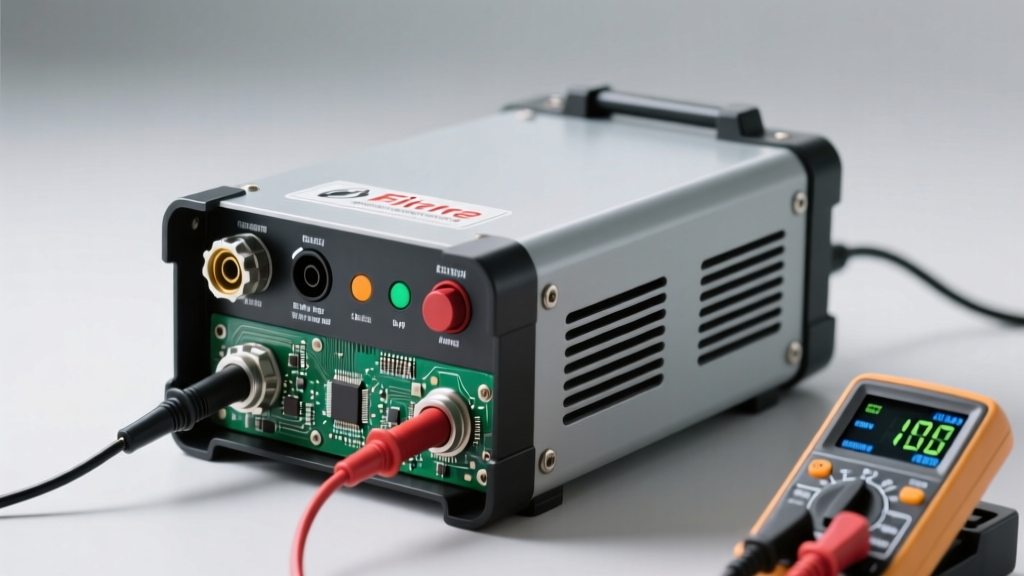
Types of Stereo Line Level Amplifiers
A stereo line level amplifier is an essential component in modern audio systems designed to boost low-voltage audio signals from source devices (like smartphones, CD players, or DACs) to a level suitable for driving power amplifiers or active speakers. These amplifiers come in various configurations, each tailored to specific applications, performance needs, and sonic preferences. Understanding the different types helps in selecting the right amplifier for home audio, professional setups, or portable use.
Traditional Analog Amplifiers
Based on analog circuitry, these amplifiers process continuous audio signals without digital conversion. They are prized for their natural, smooth sound reproduction and are often favored by audiophiles seeking a warm, organic listening experience.
Advantages
- Warm, rich, and natural sound signature
- Smooth frequency response with minimal harshness
- Ideal for high-fidelity audio reproduction
- Compatible with a wide range of analog sources
Limitations
- Larger size and heavier weight
- Less energy efficient than digital types
- More susceptible to noise and interference
- Higher heat generation during operation
Best for: Home audio systems, recording studios, vintage audio enthusiasts, and high-end stereo setups
Digital Amplifiers
Digital amplifiers convert incoming analog line-level signals into digital format using an Analog-to-Digital Converter (ADC), process them digitally, and then convert them back to analog. This allows for precise signal control, advanced filtering, and integration with smart audio systems.
Advantages
- High signal accuracy and low distortion
- Supports digital signal processing (DSP) features
- Compact and lightweight design
- Excellent integration with modern digital sources
Limitations
- Can sound "sterile" or overly processed to some listeners
- Dependent on quality of DAC and processing algorithms
- Potential latency in signal processing
- Higher cost for high-resolution models
Best for: Smart audio systems, modern AV receivers, digital streaming setups, and consumer electronics
Tube Amplifiers (Valve Amplifiers)
These amplifiers use vacuum tubes instead of solid-state transistors to amplify audio signals. Known for their harmonic distortion characteristics, tube amplifiers produce a "musical" sound that many listeners describe as lush, warm, and emotionally engaging.
Advantages
- Warm, rich, and harmonically pleasing sound
- Smooth high-frequency roll-off (less harshness)
- Highly sought after for vinyl playback and jazz/rock genres
- Unique vintage aesthetic and appeal
Limitations
- Tubes require periodic replacement and maintenance
- Generate significant heat
- Bulkier and more fragile than solid-state units
- Higher power consumption and cost
Best for: Audiophiles, vinyl enthusiasts, home listening rooms, and musicians seeking classic tone
Class D Amplifiers
Class D amplifiers use pulse-width modulation (PWM) to switch transistors rapidly on and off, achieving extremely high efficiency. They are a type of switching amplifier ideal for battery-powered and compact audio systems.
Advantages
- Exceptional power efficiency (up to 90%)
- Compact and lightweight design
- Minimal heat generation
- Ideal for portable and battery-powered devices
Limitations
- Potential for electromagnetic interference (EMI)
- May lack the warmth of analog or tube amps
- Requires careful filtering to maintain sound quality
- Lower dynamic range in budget models
Best for: Portable speakers, subwoofers, car audio systems, and home theater receivers
Multi-Channel Amplifiers
Designed to amplify multiple audio channels simultaneously, these amplifiers are essential for surround sound and immersive audio experiences. They support configurations like 5.1, 7.1, or even Dolby Atmos setups.
Advantages
- Enables immersive surround sound experiences
- Centralized control of multiple speaker zones
- Perfect for home theaters and gaming setups
- Supports advanced audio formats (Dolby, DTS, etc.)
Limitations
- Higher cost for high-channel-count models
- Complex setup and calibration required
- Larger physical footprint
- Increased power consumption with more channels
Best for: Home theater systems, commercial cinemas, gaming setups, and professional audio installations
| Amplifier Type | Sound Quality | Efficiency | Size & Portability | Best Use Case |
|---|---|---|---|---|
| Traditional Analog | Excellent (Warm, Natural) | Medium | Large | Hi-Fi audio, studios, home listening |
| Digital | Very Good (Precise, Clean) | High | Compact | Digital streaming, smart systems |
| Tube | Excellent (Rich, Harmonic) | Low | Large | Vinyl playback, audiophile setups |
| Class D | Good (Efficient, Clean) | Very High | Very Compact | Portable, car, subwoofer applications |
| Multi-Channel | Excellent (Immersive) | Medium-High | Large | Home theater, surround sound |
Expert Tip: When pairing a line-level amplifier with your system, ensure impedance and voltage compatibility with your source and downstream components. For hybrid setups, consider using a preamplifier with buffer stages to prevent signal degradation.
Material & Durability of Stereo Line Level Amplifier
The longevity and robustness of stereo line level amplifiers are critical considerations for both consumers and audio professionals. The materials used in construction directly influence not only the physical resilience of the unit but also its thermal performance, signal integrity, and resistance to environmental stressors. High-quality materials contribute to extended service life, consistent audio fidelity, and reliability under demanding conditions. Below is a detailed breakdown of the key material and durability aspects of modern stereo amplifiers.
Outer Casing Materials
The external enclosure of a stereo amplifier plays a vital role in protecting sensitive internal circuitry while also contributing to heat dissipation and electromagnetic shielding. The choice of casing material significantly affects the amplifier's weight, durability, and suitability for different environments.
Aluminum Enclosures
Aluminum is a popular choice for mid-to-high-end amplifiers due to its excellent strength-to-weight ratio. It offers robust protection against physical impacts, dust, and moisture while remaining lightweight and easy to handle. Its natural thermal conductivity also aids in passive cooling, making it ideal for compact or high-performance units. Additionally, aluminum casings are often anodized to enhance corrosion resistance and provide a premium aesthetic finish.
Steel Housings
Steel is prized for its exceptional hardness and structural rigidity. It is commonly used in professional-grade amplifiers designed for touring, live sound, or industrial applications where the unit may be exposed to rough handling or extreme conditions. Steel provides superior electromagnetic interference (EMI) shielding, which helps maintain clean audio signals. However, its heavier weight and lower thermal conductivity mean additional cooling solutions may be required.
Plastic or ABS Casings
Plastic enclosures, typically made from high-impact ABS or polycarbonate blends, are frequently used in entry-level, portable, or consumer-grade amplifiers. While not as durable as metal alternatives, modern plastics can still offer decent impact resistance and moisture protection. Their main advantages include low manufacturing cost, electrical insulation, and design flexibility. However, they are more prone to cracking under stress and offer minimal heat dissipation, making them less suitable for high-power or continuous-use applications.
Hybrid Designs
Some manufacturers employ hybrid construction—such as an aluminum faceplate with a steel chassis or plastic side panels—to balance durability, weight, and cost. These designs leverage the strengths of multiple materials, offering enhanced structural integrity while maintaining thermal efficiency and aesthetic appeal.
Heat Dissipation and Cooling
Effective thermal management is crucial for maintaining amplifier performance and preventing component degradation. Excessive heat can shorten the lifespan of semiconductors, capacitors, and solder joints. Therefore, proper heat dissipation is a hallmark of well-engineered amplifiers.
Heat Sinks and Conductive Materials
Most amplifiers utilize heat sinks made from aluminum or copper alloys due to their high thermal conductivity. Aluminum is the most common choice, offering a favorable balance of efficiency, weight, and cost. Copper, though more effective at transferring heat, is heavier and more expensive, typically reserved for high-end or specialized units. Fins or ribbed designs increase surface area, enhancing airflow and cooling efficiency.
Amplifier Class and Thermal Output
Class D amplifiers are highly efficient (often exceeding 90%), generating significantly less heat than traditional Class AB designs. As a result, they require smaller heat sinks and can operate reliably in compact enclosures. In contrast, Class AB amplifiers, while offering excellent sound quality, are less efficient and produce more waste heat, necessitating larger, more robust heat sinks and sometimes active cooling (e.g., fans) for sustained operation.
| Amplifier Class | Typical Efficiency | Cooling Requirements | Common Heat Sink Material |
|---|---|---|---|
| Class D | 85%–95% | Passive (small heat sinks) | Aluminum |
| Class AB | 50%–70% | Passive or active (large heat sinks/fans) | Aluminum or Copper-Clad |
| Class A | 20%–30% | Active cooling required | Copper or Finned Aluminum |
Internal Components and Signal Integrity
The internal build quality of a stereo line level amplifier directly affects both its durability and audio performance. Premium materials ensure minimal signal loss, reduced distortion, and long-term reliability.
Resistance to Environmental Factors
The operational environment greatly influences the durability requirements of a stereo amplifier. Different use cases demand varying levels of protection and resilience.
Professional Audio Environments
Amplifiers used in recording studios, live sound reinforcement, or broadcast facilities are engineered for continuous operation under heavy loads. These units feature reinforced internal structures, superior ventilation, and ruggedized connectors. Many are built to meet industry standards for shock, vibration, and temperature resistance, ensuring reliability during extended performances or recording sessions.
Home and Consumer Use
Home audio amplifiers are typically designed for intermittent use and controlled environments. While still built to last, they may use slightly less robust materials and cooling systems. However, modern consumer models increasingly incorporate professional-grade components to enhance longevity and performance, especially in high-fidelity or multi-room audio systems.
Additional environmental protections—such as conformal coating on circuit boards, sealed connectors, or dust filters—can further enhance durability in challenging conditions like high humidity, dusty venues, or mobile installations.
Important: Always consider the intended use case when evaluating amplifier durability. A unit built for home theater may not withstand the rigors of live sound. Investing in amplifiers with high-quality materials and proven thermal management ensures long-term reliability, consistent performance, and better return on investment—especially in professional or high-demand applications.
Commercial Use Cases of Stereo Line Level Amplifiers
Stereo line level amplifiers are essential audio components in commercial environments where high-fidelity sound reproduction, consistent signal strength, and reliable audio distribution are critical. These amplifiers serve as the backbone of professional audio systems by boosting line-level signals to drive speakers, studio monitors, and other audio devices without distortion or loss of quality. Their ability to maintain balanced stereo output makes them ideal for a wide range of business and professional applications.
Broadcasting and Recording Studios
In professional audio production, precision and clarity are non-negotiable. Stereo line level amplifiers play a vital role in broadcasting and recording studios by ensuring accurate signal amplification for studio monitors and reference headphones. This allows sound engineers to mix, master, and monitor audio tracks with exceptional detail and fidelity.
- Amplify low-voltage line signals from mixers, audio interfaces, and digital workstations to drive active monitors
- Maintain signal integrity across long cable runs, minimizing noise and interference
- Support balanced audio transmission (via XLR or TRS) to reduce hum and ground loops
- Enable precise volume control and stereo imaging for critical listening environments
Key benefit: Ensures transparent audio reproduction essential for professional-grade recording and editing.
Live Events and Performance Venues
Concert halls, theaters, and auditoriums rely on powerful and consistent sound reinforcement to deliver clear audio to large audiences. Stereo line level amplifiers are integrated into PA systems to drive main speakers, stage monitors, and distributed speaker arrays, ensuring even coverage and high sound pressure levels (SPL).
- Power passive speakers in stereo or multi-zone configurations for immersive sound experiences
- Handle dynamic audio signals from microphones, instruments, and playback devices with minimal distortion
- Support integration with digital signal processors (DSPs) and crossover networks for optimized frequency response
- Provide reliable performance under continuous load during extended events
Pro insight: Modern amplifiers often include built-in protection circuits to prevent overheating and speaker damage during high-volume performances.
Restaurants, Retail Stores & Hospitality Spaces
Background music and public address systems significantly influence customer experience in commercial spaces. Stereo line level amplifiers enable businesses to distribute high-quality audio across multiple zones—such as dining areas, fitting rooms, or hotel lobbies—while maintaining consistent volume and clarity.
- Drive ceiling or wall-mounted speakers in multi-room configurations using impedance-matching transformers
- Support zoning capabilities for independent volume control in different areas
- Integrate with media players, streaming services, or scheduling software for automated playlists
- Enable clear voice announcements for promotions, emergencies, or paging
Business impact: Well-designed audio environments enhance ambiance, influence customer behavior, and reinforce brand identity.
Telecommunications and Voice Systems
In voice-centric environments, signal clarity and consistency are crucial for effective communication. Stereo line level amplifiers are used in telecom infrastructure to strengthen audio signals in VoIP systems, conference bridges, intercoms, and call centers, especially over long-distance transmissions.
- Boost weak analog signals before digitization or transmission to reduce noise and dropouts
- Ensure uniform audio levels across headsets, handsets, and speakerphones
- Support full-duplex communication systems where simultaneous speaking and listening occur
- Integrate with echo cancellation and noise suppression technologies for clearer calls
Technical advantage: High signal-to-noise ratio (SNR) amplifiers preserve voice clarity, improving customer satisfaction in service-oriented industries.
Conference Rooms and Boardrooms
Effective collaboration in corporate settings depends on crystal-clear audio during meetings, presentations, and video conferences. Stereo line level amplifiers enhance audio systems by seamlessly integrating microphones, speakers, and AV equipment to deliver balanced, intelligible sound throughout the room.
- Power ceiling or table speakers for even sound coverage without dead zones
- Amplify signals from wireless mic systems, laptops, or video conferencing platforms like Zoom or Teams
- Work with audio DSPs to manage feedback, echo, and automatic mixing
- Support background music playback during breaks or pre-meeting periods
User experience: Proper amplification eliminates the need for participants to strain to hear, increasing engagement and productivity.
Professional Recommendation: When selecting a stereo line level amplifier for commercial use, consider factors such as power output (watts per channel), impedance compatibility, input/output connectivity (RCA, XLR, TRS), signal-to-noise ratio, and thermal management. For mission-critical environments, choose amplifiers with robust build quality, remote monitoring capabilities, and comprehensive warranty support to ensure long-term reliability.
| Application | Key Amplifier Requirements | Typical Signal Sources | Common Output Devices |
|---|---|---|---|
| Broadcasting & Recording | Low noise, high fidelity, balanced inputs | Mixers, DAWs, Microphones | Studio Monitors, Headphone Amps |
| Live Events | High power, thermal stability, protection circuits | PA Mixers, Wireless Mics | Main Speakers, Stage Monitors |
| Retail & Hospitality | Zoning support, 70V/100V line capability | Media Players, Streaming Devices | Ceiling Speakers, Wall Mounts |
| Telecommunications | Signal consistency, low distortion, EMI resistance | VoIP Phones, PBX Systems | Handsets, Headsets, Intercoms |
| Conference Rooms | Integration with DSP, feedback control | Microphones, Laptops, Video Conferencing | Table/ceiling Speakers, Soundbars |
Additional Considerations for Commercial Deployment
- Scalability: Choose amplifiers that support daisy-chaining or networked control for expanding audio systems across multiple rooms or buildings.
- Remote Management: IP-enabled or Dante-compatible amplifiers allow for remote monitoring, volume adjustment, and diagnostics.
- Energy Efficiency: Class D amplifiers offer high power output with lower heat generation and energy consumption—ideal for 24/7 operations.
- Compliance: Ensure equipment meets industry standards such as UL, CE, or FCC for safety and electromagnetic compatibility.
- Acoustic Integration: Pair amplifiers with proper acoustic treatment and speaker placement to avoid echo, reverberation, or uneven coverage.
How To Choose a Stereo Line Level Amplifier: A Complete Buyer’s Guide
Selecting the right stereo line level amplifier is essential for achieving high-fidelity sound in any audio system. Whether you're setting up a home theater, professional studio, or commercial sound system, the amplifier plays a pivotal role in shaping audio performance. This guide breaks down the key factors to consider—such as power output, signal clarity, impedance matching, durability, and energy efficiency—to help you make an informed decision that ensures optimal sound quality, system compatibility, and long-term reliability.
Important Note: A line level amplifier is designed to boost preamp-level signals (typically 0.3V–2V) to drive power amplifiers or active speakers. It is not a power amplifier itself. Ensure you understand the role of a line level amp in your signal chain to avoid misconfiguration.
1. Audio Output Power and System Compatibility
The audio output power of a line level amplifier determines how effectively it can drive downstream components such as power amplifiers or active speakers. While line level amps don’t directly power passive speakers, their output strength influences the headroom and dynamic range of the entire system.
- High-output models are ideal for complex setups with long cable runs or multiple downstream devices, ensuring signal integrity.
- Low to moderate output is sufficient for short signal paths in home audio or desktop setups.
- Always match the amplifier’s maximum output voltage to the input sensitivity of your power amp or active speakers to prevent clipping or underdriving.
- Look for specifications like output voltage (Vrms) and headroom to assess performance under dynamic loads.
Pro Tip: Aim for a line level amplifier with at least 2–3 dB of headroom above your system’s peak signal needs to handle transients without distortion.
2. Signal-to-Noise Ratio (SNR) for Audio Clarity
The Signal-to-Noise Ratio (SNR) measures the level of the desired audio signal compared to background noise. A higher SNR means cleaner, more transparent sound reproduction—critical in environments where audio fidelity is paramount.
- Look for an SNR of 90 dB or higher for consumer-grade systems; 100 dB+ is preferred for professional or studio use.
- High SNR reduces hiss, hum, and electronic noise, especially noticeable during quiet passages or when using sensitive speakers.
- Amplifiers with well-shielded circuitry and high-quality DACs (if digital) typically offer superior SNR performance.
- Check for weighted measurements (A-weighted), as they reflect human hearing sensitivity more accurately.
3. Impedance Matching and Load Handling
Impedance matching ensures efficient signal transfer between the line level amplifier and the connected devices. Mismatched impedance can lead to signal reflection, frequency response anomalies, and reduced audio quality.
- Most line level amplifiers have a low output impedance (50–600 ohms), designed to drive high-impedance inputs (typically 10k ohms or more).
- Ensure the input impedance of your downstream device is at least 10 times higher than the amplifier’s output impedance for optimal voltage transfer.
- Poor matching can result in frequency roll-off, especially in high-frequency response, and increased distortion.
- Check specifications for load driving capability—some amps can handle multiple inputs in parallel without signal degradation.
4. Durability and Build Quality
In commercial, studio, or touring environments, the physical and electrical robustness of the amplifier is crucial. A well-built unit withstands prolonged use, temperature fluctuations, and mechanical stress.
- Look for amplifiers with metal chassis and ventilated enclosures to dissipate heat and resist interference.
- High-quality internal components—such as film capacitors, precision resistors, and gold-plated connectors—enhance longevity and signal purity.
- Units with overload protection, short-circuit protection, and thermal shutdown safeguard against accidental damage.
- For mobile setups, consider rack-mountable designs or models with shock-resistant construction.
5. Power Efficiency and Operational Costs
Power efficiency affects not only energy consumption but also heat generation and system reliability. Efficient amplifiers run cooler and reduce long-term operating costs, especially in multi-unit installations.
- Class A/B amplifiers offer warm sound but are less efficient and generate more heat.
- Class D line drivers (though less common at line level) are highly efficient and ideal for battery-powered or eco-conscious setups.
- Look for features like auto-standby mode or low quiescent current to minimize power draw during idle periods.
- In large installations (e.g., conference rooms, retail spaces), even small efficiency gains can lead to significant cost savings over time.
| Selection Factor | Recommended Specification | Best For | Watch Out For |
|---|---|---|---|
| Output Power / Voltage | 2–4 Vrms (balanced), 1–2 Vrms (unbalanced) | Professional audio, long cable runs | Overdriving inputs, clipping |
| Signal-to-Noise Ratio (SNR) | ≥90 dB (consumer), ≥100 dB (pro) | Studio monitoring, critical listening | Low-cost models with unverified specs |
| Output Impedance | 50–600 ohms | General compatibility | Driving low-impedance loads |
| Input Impedance (if applicable) | 10k ohms or higher | Connecting to preamps or sources | Signal loading from weak sources |
| Build Quality | Metal housing, quality connectors | Commercial, touring, studio use | Plastic enclosures, flimsy jacks |
| Power Efficiency | Low idle consumption, Class D options | Multi-amp systems, eco setups | High heat output, energy waste |
Expert Tip: Always test the amplifier in your actual setup before finalizing your purchase. Subtle differences in tonal balance, noise floor, and gain structure can significantly impact your listening experience, even when specs appear identical.
Additional Considerations
- Connectivity: Choose between balanced (XLR, TRS) and unbalanced (RCA) outputs based on your system’s noise environment and cable length.
- Gain Control: Models with adjustable gain allow fine-tuning to match various sources and downstream equipment.
- Channel Independence: True stereo line amps should offer separate left/right level controls for precise balancing.
- Brand Reputation & Support: Opt for manufacturers known for audio fidelity and reliable customer service.
- Firmware & Upgradability: Some digital line amps offer firmware updates for improved performance or features.
Choosing the right stereo line level amplifier goes beyond just specs—it’s about matching the device to your specific audio ecosystem. By carefully evaluating output capability, signal clarity, impedance compatibility, build quality, and efficiency, you ensure a seamless integration that enhances your sound system’s performance. Whether you're a home audiophile or a professional installer, investing time in the selection process pays off in superior sound quality and system reliability for years to come.
Understanding Audio Amplifiers: Frequently Asked Questions
Q. How does a stereo line level amplifier differ from a Phono preamp?A. While both are amplifiers, they serve very different roles in an audio signal chain. A stereo line level amplifier is designed to boost audio signals that are already at "line level" — the standard operating voltage used by most consumer audio devices like CD players, smartphones, and streaming boxes — and amplify them further to drive speakers effectively.
In contrast, a Phono preamp (or phono stage) is specifically engineered to handle the much weaker electrical signal produced by a turntable’s cartridge as it reads grooves on a vinyl record. This signal, known as a "phono-level" signal, is significantly lower than line level and also requires equalization to correct the frequency response (based on the RIAA curve used during vinyl mastering).
- Signal Type: Line level amplifiers work with standardized, stronger signals; Phono preamps amplify weak, unbalanced signals from turntables.
- Equalization: Phono preamps apply RIAA equalization to restore proper tonal balance; line amplifiers do not alter frequency response.
- Usage: Connecting a turntable directly to a line amplifier without a Phono preamp results in very quiet, bass-deficient sound.
Many modern stereo receivers include built-in Phono preamps, but if yours doesn’t, you’ll need a standalone unit to properly integrate a vinyl player into your system.
Q. What role does impedance play in selecting amplifiers?A. Impedance — measured in ohms (Ω) — is a critical factor in ensuring compatibility between an amplifier and connected audio components, especially speakers. It represents the electrical resistance a device presents to the alternating current from the amplifier.
Proper impedance matching ensures efficient power transfer and prevents damage to equipment. For example, if a speaker’s impedance is too low for the amplifier, it can cause the amp to overheat or shut down due to excessive current draw. Conversely, too high an impedance may result in underpowered, weak sound output.
- Typical Speaker Impedance: Most home speakers range from 4 to 8 ohms. Always check your amplifier’s specifications for its supported impedance range.
- Power Transfer: Maximum power transfer occurs when the load impedance matches the amplifier’s output design, though modern amps are often designed to handle variable loads.
- Multi-Speaker Setups: Wiring multiple speakers in series or parallel changes total impedance, so calculations are necessary to stay within safe limits.
Always refer to your amplifier’s manual and ensure speaker impedance falls within its recommended range to maintain optimal performance, sound quality, and long-term reliability.
Q. Do digital amplifiers offer superior efficiency compared to analog models?A. Yes, digital amplifiers — commonly known as Class D amplifiers — are generally far more efficient than traditional analog amplifiers (such as Class A, B, or AB). This efficiency stems from their unique method of signal amplification.
Digital amplifiers use pulse-width modulation (PWM) to switch the output transistors rapidly between fully on and fully off states, minimizing the time spent in the intermediate (resistive) state where energy is lost as heat. As a result, they can achieve efficiencies of 90% or higher, compared to 50–70% for most analog amplifiers.
- Heat Generation: Lower power loss means significantly less heat, reducing or eliminating the need for large heat sinks and cooling fans.
- Battery Efficiency: Their low power consumption makes digital amps ideal for portable audio devices, car audio systems, and battery-powered speakers.
- Size and Weight: High efficiency allows for compact, lightweight designs — perfect for modern home theater systems, soundbars, and active speakers.
- Sound Quality: Early digital amps had a reputation for lower audio fidelity, but modern designs rival high-end analog units in clarity and dynamic range.
While analog amplifiers are still prized by audiophiles for their warm, natural sound signature, digital amplifiers dominate in applications where efficiency, size, and thermal performance are priorities.
Q. How can one maintain the longevity of stereo line level amplifiers?A. The lifespan of a stereo line level amplifier depends heavily on how well it manages heat and electrical stress. Since amplifiers convert electrical energy into sound and heat, proper thermal management is essential to prevent component degradation and failure.
To maximize longevity, ensure your amplifier has adequate ventilation. Place it in an open area with space around the sides and top for airflow. Avoid enclosing it in tight cabinets or stacking other heat-producing devices (like AV receivers or game consoles) directly on top.
- Heat Dissipation: High-quality heat sinks and internal fans (in some models) help draw heat away from critical components like output transistors.
- Environmental Factors: Keep the unit away from direct sunlight, humid areas, and dust-prone environments to prevent corrosion and clogged vents.
- Electrical Load: Avoid driving the amplifier beyond its rated power capacity or connecting incompatible speakers (e.g., low-impedance loads), which can cause clipping and overheating.
- Usage Habits: Turn off the amplifier when not in use for extended periods. Use surge protectors to guard against voltage spikes.
Regularly inspect and clean ventilation grills with compressed air, and listen for warning signs like distortion, crackling, or automatic shutdowns — these may indicate thermal stress or internal faults. With proper care, a well-built amplifier can deliver high-fidelity sound for decades.