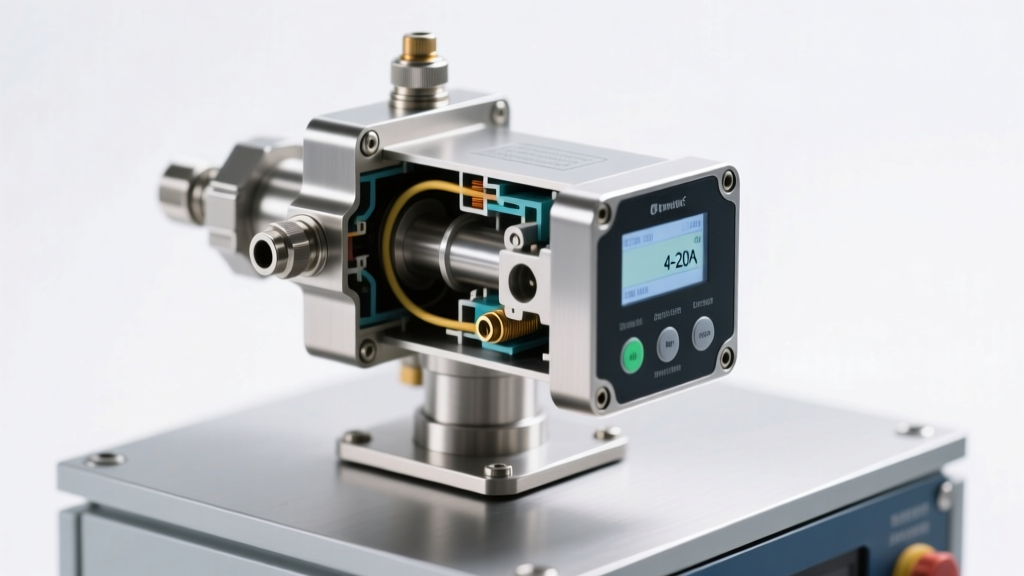
Types of Steel Thread Male and Female Hose Connectors
A steel thread male and female hose connector is a critical component in fluid transfer systems, enabling secure and reliable connections between hoses and pipelines. These connectors are engineered to handle various types of fluids—including water, air, oil, and chemicals—under specific pressure, temperature, and environmental conditions. Selecting the right connector type ensures system efficiency, safety, and longevity.
Key selection factors include fluid compatibility, operating pressure and temperature, environmental exposure (e.g., moisture, UV, chemicals), and frequency of connection/disconnection. Below is a detailed overview of the most commonly used steel hose connector types, their features, advantages, and ideal applications.
Barbed Connectors
Simple, cost-effective fittings featuring one or more raised ridges (barbs) that grip the inner wall of the hose. The barb creates a mechanical interference fit, preventing hose slippage under low to medium pressure.
Advantages
- Easy to install with basic tools
- Low cost and widely available
- Effective for low-pressure fluid transfer
- Compatible with rubber and plastic hoses
Limitations
- Not suitable for high-pressure systems
- Requires hose clamps for secure attachment
- Potential for hose pull-off under surge pressure
Best for: Irrigation systems, coolant lines, low-pressure air or water transfer
Threaded Connectors
Male and female threaded connectors provide a robust, screw-on connection ideal for high-pressure and high-temperature applications. Available in tapered (NPT) or straight (BSP) thread types, they form a tight seal when properly torqued.
Advantages
- Excellent pressure and temperature resistance
- Secure, leak-resistant seal when properly installed
- Reusable and durable in industrial environments
- Available in various thread standards (NPT, BSP, metric)
Limitations
- Requires precise alignment and proper thread sealing (tape or compound)
- Over-tightening can damage threads
- Slower to assemble/disassemble than quick-connect types
Best for: Hydraulic systems, fuel lines, industrial machinery, high-pressure water jets
Push-to-Connect (Quick Disconnect) Connectors
These connectors allow for rapid connection and disconnection without tools. A spring-loaded sleeve or collet mechanism grips the hose, and release is achieved with a simple push or button press.
Advantages
- Extremely fast and tool-free operation
- Reduces downtime during maintenance or changes
- Minimizes fluid spillage during disconnection
- Ideal for frequent use environments
Limitations
- Higher initial cost than basic connectors
- May have pressure limitations compared to threaded types
- Requires clean, cut hoses for proper sealing
Best for: Pneumatic tools, air compressors, manufacturing lines, maintenance systems
Cam Lock (Cam & Groove) Connectors
Commonly used in industrial and agricultural applications, cam lock connectors feature a male spigot and female coupler secured by two rotating arms (cams). They provide a fast, secure, and leak-proof connection for large-diameter hoses.
Advantages
- Quick and easy to connect/disconnect
- Handles high flow rates and moderate pressures
- Available in durable materials like stainless steel, brass, and aluminum
- Resistant to vibration and mechanical stress
Limitations
- Bulkier than other connector types
- Requires proper alignment for sealing
- Seals may degrade over time with abrasive fluids
Best for: Fuel transfer, chemical loading, agricultural spraying, water tankers
Compression Connectors
These fittings use a compression nut and ferrule (or olive) to create a tight seal by compressing the ferrule onto the hose or tube. As the nut is tightened, the ferrule deforms and seals against both the fitting and the hose.
Advantages
- Excellent for high-pressure and high-vibration environments
- Leak-proof and reliable when properly installed
- No soldering or welding required
- Reusable in many cases
Limitations
- Requires precise assembly technique
- Over-tightening can damage the ferrule or hose
- Not ideal for flexible hoses without rigid inserts
Best for: Plumbing systems, gas lines, refrigeration, hydraulic circuits
NPT to BSP (British Standard Pipe) Male to Female Connector
A specialized adapter that bridges systems using different thread standards. NPT (National Pipe Taper) uses tapered threads, while BSP (British Standard Pipe) uses parallel (straight) threads. These connectors ensure compatibility between otherwise incompatible systems.
Advantages
- Enables cross-compatibility between NPT and BSP systems
- Essential for international equipment integration
- Made from durable steel for long-term reliability
- Reduces need for system-wide modifications
Limitations
- Requires proper sealing due to different thread geometries
- May need thread sealant or tape on both ends
- Not recommended for extremely high-pressure applications without verification
Best for: International machinery, retrofitting equipment, mixed-standard industrial plants
| Connector Type | Pressure Rating | Installation Speed | Durability | Best Use Case |
|---|---|---|---|---|
| Barbed Connectors | Low to Medium | Fast | Medium | Low-pressure fluid transfer, irrigation |
| Threaded Connectors | High | Moderate | High | Hydraulics, fuel systems, industrial machinery |
| Push-to-Connect | Medium | Very Fast | Medium-High | Pneumatics, frequent tool changes |
| Cam Lock | Medium | Very Fast | High | Fluid transfer, agriculture, tankers |
| Compression | High | Slow | Very High | Gas lines, plumbing, high-vibration systems |
| NPT to BSP Adapter | Medium-High | Moderate | High | System integration, international equipment |
Expert Tip: Always verify thread compatibility before installation. Mixing NPT and BSP threads without proper adapters can lead to leaks or system failure. Use appropriate thread sealants—Teflon tape for NPT and liquid sealant for BSP—to ensure a reliable, leak-free connection.
Materials for Steel Thread Male and Female Hose Connectors
Choosing the right material for male and female hose connectors is critical to ensuring system reliability, longevity, and safety. The connector material must be chemically compatible with the conveyed medium—whether it's water, air, gas, chemicals, or hydraulic fluid—and capable of withstanding environmental conditions such as moisture, temperature extremes, and mechanical stress.
Steel-thread hose connectors are manufactured from a variety of materials, each offering distinct advantages in strength, corrosion resistance, weight, and cost. Below is a detailed overview of the most commonly used materials in industrial and commercial applications.
Stainless Steel
Stainless steel connectors are considered premium-grade components due to their exceptional durability, high resistance to corrosion, and ability to perform under extreme temperatures. These fittings retain their integrity in both high-heat and cryogenic environments, making them ideal for demanding applications.
Commonly used in industries where hygiene and reliability are paramount, stainless steel hose connectors are widely found in food and beverage processing, pharmaceutical manufacturing, chemical processing plants, and marine environments. Their non-reactive nature prevents contamination and ensures long-term performance even when exposed to saltwater or aggressive chemicals.
Brass
While not as strong as stainless steel, brass offers an excellent balance of strength, machinability, and corrosion resistance. It is particularly resistant to galvanic corrosion and performs well in water-based systems, including potable (drinking) water lines.
Brass fittings are frequently used in residential plumbing, irrigation systems, marine hardware, and low-to-medium pressure pneumatic or chemical transfer systems. They are often chrome-plated for enhanced appearance and additional protection. However, care must be taken in high-temperature or highly acidic environments, where dezincification can occur over time.
Galvanized Steel
Galvanized steel connectors are carbon steel fittings coated with a protective layer of zinc to improve corrosion resistance at a lower cost than stainless steel. This galvanization process significantly extends the service life of the fitting when exposed to moisture or outdoor conditions.
These connectors are commonly used in agricultural machinery, construction equipment, outdoor irrigation systems, and industrial settings where budget constraints make stainless steel impractical. While effective in humid environments, galvanized steel may eventually corrode if the zinc coating is damaged or worn, especially in acidic or saline conditions.
Aluminum
Aluminum hose connectors are prized for their lightweight construction and natural resistance to rust and oxidation. Though not as strong or pressure-resistant as steel or brass, aluminum provides sufficient durability for many air, water, and low-pressure fluid applications.
Due to its low density and ease of handling, aluminum is frequently used in portable equipment, pneumatic tools, HVAC systems, and automotive applications. Its thermal conductivity also makes it suitable for cooling systems. However, aluminum should be avoided in highly abrasive or high-torque environments, as it can gall or strip more easily than harder metals.
Carbon Steel
Carbon steel is one of the most widely used materials for hose connectors due to its high tensile strength, excellent pressure tolerance, and cost-effectiveness. It is particularly suited for high-pressure applications in hydraulic, petroleum, and natural gas systems.
Despite its mechanical advantages, carbon steel is prone to rust and corrosion when exposed to moisture or corrosive agents. To mitigate this, carbon steel fittings are often painted, coated, or paired with protective seals. Regular maintenance and inspection are essential to detect early signs of corrosion and prevent system failure.
| Material | Corrosion Resistance | Pressure Rating | Common Applications | Key Advantages |
|---|---|---|---|---|
| Stainless Steel | Excellent | Very High | Food processing, marine, chemical plants | Durable, hygienic, temperature-resistant |
| Brass | Good | Moderate to High | Potable water, plumbing, marine | Corrosion-resistant, easy to machine |
| Galvanized Steel | Fair to Good | High | Agriculture, construction, outdoor use | Affordable, rust-protected coating |
| Aluminum | Good (oxidation-resistant) | Moderate | Air lines, HVAC, lightweight tools | Lightweight, non-magnetic, conductive |
| Carbon Steel | Poor (unless coated) | Very High | Hydraulics, oil & gas, heavy machinery | Strong, economical, pressure-tolerant |
Selection Tips for Hose Connector Materials
Important: Always verify material compatibility with the operating environment and media type before installation. Using an incompatible or improperly rated connector can lead to leaks, contamination, equipment damage, or safety hazards. Consult manufacturer specifications and industry standards (such as ASTM, ISO, or SAE) when selecting hose connectors for critical applications.
Industrial Applications of Steel Thread Male and Female Hose Connectors
Steel thread male and female hose connectors are indispensable in industrial environments due to their robust construction, high-pressure tolerance, corrosion resistance, and ease of installation. These threaded fittings provide secure, leak-resistant connections that maintain system integrity under demanding conditions. Their versatility makes them suitable across a wide range of sectors where fluid and gas transfer must be reliable, efficient, and safe.
Chemical Processing
In chemical processing plants, the safe and controlled transfer of corrosive liquids, reactive gases, and abrasive slurries is critical. Steel hose connectors—particularly those made from stainless steel or aluminum—offer excellent resistance to chemical degradation, ensuring long-term reliability and minimizing contamination risks.
- Stainless steel (especially grades 304 and 316) resists oxidation and corrosion from acids, alkalis, and solvents
- Aluminum connectors provide lightweight yet durable options for less aggressive chemical environments
- Sealing mechanisms such as PTFE tape or O-rings enhance leak prevention in volatile applications
- Threaded connections allow for disassembly and cleaning, essential for maintaining purity standards
Key benefit: Compatibility with aggressive media ensures worker safety and process continuity
Petroleum and Gas Industry
The oil and gas sector relies on high-strength connectors to handle flammable fuels, liquefied gases, and other hazardous fluids under extreme pressure. Carbon steel and galvanized steel male-female hose fittings are standard due to their mechanical strength and durability in harsh environments.
- Carbon steel connectors withstand high-pressure fuel transfer in drilling, refining, and distribution systems
- Galvanized coatings prevent rust in outdoor or marine-based operations exposed to moisture and salt
- Threaded joints ensure tight seals, reducing the risk of leaks that could lead to fires or environmental hazards
- Used in fuel loading arms, tanker trucks, offshore platforms, and pipeline maintenance equipment
Critical requirement: Compliance with API, ASME, and NPT standards ensures operational safety and regulatory adherence
Pneumatic Systems
Pneumatic systems use compressed air or inert gases to power tools, actuators, and control mechanisms. While push-to-connect fittings are common, threaded steel connectors are preferred in industrial settings requiring higher pressure ratings and permanent or semi-permanent installations.
- Threaded steel fittings offer superior vibration resistance compared to quick-connect plastic alternatives
- Commonly used in factory automation, robotics, and assembly line machinery
- Enable rapid yet secure connection and disconnection during maintenance cycles
- Brass and stainless steel variants prevent galling and seizing in repetitive use scenarios
Pro tip: Use thread sealant or anti-seize compounds to extend service life in high-cycle applications
Hydraulic Systems
Hydraulic systems generate immense force through pressurized fluid transmission, making connector integrity vital. Hydraulic hose connectors made from stainless steel or brass are engineered to endure pressures exceeding 3,000 psi while maintaining leak-free performance.
- Stainless steel fittings resist deformation and fatigue under continuous high-pressure operation
- Brass connectors offer excellent machinability and corrosion resistance for mobile hydraulics
- Threaded connections are often paired with O-ring face seals (ORFS) or JIC flared fittings for added security
- Widely used in construction equipment, industrial presses, and agricultural machinery
Technical note: Proper torque application during installation prevents thread damage and ensures sealing integrity
Agricultural Operations
In agriculture, hose connectors are essential for irrigation networks, pesticide spraying systems, and on-farm fuel transfer operations. These applications demand durable, weather-resistant components that can endure prolonged outdoor exposure and contact with chemicals.
- Galvanized steel fittings resist rust caused by moisture, irrigation water, and humid climates
- Stainless steel connectors provide long-term performance in chemical sprayers handling herbicides and fertilizers
- Brass fittings are commonly used in portable pumps and fuel lines due to their non-sparking properties
- Standardized NPT threads ensure compatibility across different brands and equipment types
Field advantage: Corrosion-resistant materials reduce downtime and replacement costs in seasonal operations
Additional Industrial Uses
Beyond the core industries, steel thread hose connectors serve in numerous specialized applications where reliability and safety are paramount.
- Food and Beverage: Stainless steel fittings comply with FDA and EHEDG standards for hygienic fluid transfer
- Mining: Heavy-duty connectors handle slurry transport and dewatering systems in abrasive conditions
- Marine: Saltwater-resistant materials prevent galvanic corrosion on ships and offshore rigs
- Fire Protection: Rugged connections ensure water delivery in fire suppression and emergency response systems
Design insight: Choosing the right material and thread type (NPT, BSPT, or metric) ensures compatibility and longevity
Professional Recommendation: When selecting steel thread male and female hose connectors, always match the material and pressure rating to the specific application. For example, opt for 316 stainless steel in corrosive environments, carbon steel in high-pressure fuel systems, and brass in general-purpose pneumatic setups. Ensure proper installation techniques—including correct thread engagement and sealing methods—to maximize performance and prevent failures.
| Industry | Common Materials | Typical Pressure Range | Key Requirements |
|---|---|---|---|
| Chemical Processing | Stainless Steel (304/316), Aluminum | 150–1,000 psi | Chemical resistance, leak-proof seals, cleanability |
| Petroleum & Gas | Carbon Steel, Galvanized Steel | 500–3,000 psi | High strength, explosion resistance, outdoor durability |
| Pneumatics | Brass, Stainless Steel | 80–250 psi | Vibration resistance, quick assembly, reliability |
| Hydraulics | Stainless Steel, Brass | 1,500–6,000 psi | Pressure integrity, fatigue resistance, precise fit |
| Agriculture | Galvanized Steel, Stainless Steel, Brass | 50–500 psi | Weather resistance, chemical compatibility, cost-effectiveness |
Best Practices for Connector Selection and Maintenance
- Material Compatibility: Verify that the connector material is resistant to the fluid or gas being transferred to prevent degradation
- Thread Standards: Use appropriate thread types (NPT, BSPT, metric) and ensure proper engagement to avoid cross-threading
- Sealing Methods: Apply thread sealant, Teflon tape, or use O-ring sealed fittings depending on pressure and media
- Regular Inspection: Check for signs of wear, corrosion, or leakage during routine maintenance
- Torque Specifications: Follow manufacturer-recommended torque values to prevent over-tightening and damage
- Environmental Protection: Use protective caps when disconnected to prevent contamination and thread damage
Detailed Specifications & Maintenance of Steel Thread Male and Female Hose Connectors
Steel thread male and female hose connectors are essential components in fluid transfer systems across industrial, automotive, agricultural, and hydraulic applications. These connectors ensure secure, leak-free connections between hoses and equipment. Understanding their specifications and implementing a proactive maintenance routine is vital for system reliability, safety, and cost-effective operation. Poorly maintained or improperly specified connectors can lead to leaks, system failure, downtime, and even hazardous conditions.
Safety Warning: Always depressurize the system before disconnecting or inspecting hose connectors. Never attempt maintenance on pressurized lines. Use appropriate personal protective equipment (PPE), including gloves and eye protection, when handling metal fittings and cleaning solvents.
Maintaining Steel Male and Female Connectors
Proper maintenance significantly extends the service life of steel hose connectors, enhances system performance, and prevents unexpected failures. A regular maintenance regimen reduces the risk of leaks, corrosion, and connection failure—common issues that can lead to costly repairs or operational shutdowns.
- Cleaning
For optimal performance and longevity, clean threaded hose fittings regularly using a wire brush and an appropriate solvent to remove dirt, debris, rust, and mineral deposits. After cleaning, thoroughly wipe the connectors with a clean, lint-free cloth to prevent contamination. In corrosive environments—such as marine, chemical processing, or outdoor applications—cleaning frequency should be increased to prevent accelerated degradation of threads and sealing surfaces.
- Inspection
Conduct routine visual and tactile inspections to identify signs of wear, cracks, pitting, or thread damage. Pay special attention to stress points and sealing areas. Misaligned or damaged threads can compromise the integrity of the connection, leading to leaks or blowouts. Any connector showing significant corrosion, deformation, or cracking should be immediately removed from service and either repaired (if feasible) or replaced. Corroded fittings not only reduce efficiency but also pose serious safety risks under pressure.
- Lubrication
While most hose fittings are not designed for continuous lubrication, applying a thin layer of anti-seize compound to the male threads before assembly is highly recommended—especially in high-temperature or high-vibration environments. Anti-seize lubricants prevent galling, reduce friction during installation, and minimize the risk of threads seizing together over time. This is particularly important in systems exposed to thermal cycling or where disassembly is required for maintenance. Avoid using standard grease, which may degrade seals or attract contaminants.
- Storage
After cleaning, inspection, and lubrication, store connectors in a dry, indoor environment. Protect the threaded ends by covering them with plastic caps or cloth wraps to prevent dust, moisture, and physical damage. Store fittings in labeled, sealed containers or toolboxes to avoid tangling, scratching, or accidental dropping. Proper storage maintains thread integrity and ensures connectors are ready for immediate use when needed.
- Replacement
Monitor connectors for signs of failure, including persistent leaks, difficulty in connecting/disconnecting, or visible wear. Replacement intervals vary depending on usage, pressure levels, and environmental conditions. In low-pressure systems, connectors may last several years; however, in high-stress applications, more frequent replacement is advised. As a best practice, consider replacing connectors after four years of continuous service, even if no immediate issues are apparent, to prevent age-related failures and maintain system safety.
Expert Tip: Label connectors during maintenance to track usage cycles and inspection dates. This helps in predictive maintenance planning and ensures timely replacements before failures occur.
Specifications of Steel Thread Male and Female Hose Connectors
Steel hose connectors are manufactured to precise engineering standards to meet the demands of various industrial and commercial applications. The correct selection of connectors based on specifications ensures compatibility, safety, and long-term reliability. Below are the key technical specifications to consider when choosing or evaluating steel male and female hose connectors.
| Specification | Details | Application Notes |
|---|---|---|
| Thread Standards | Manufactured to U.S. National Pipe Taper (NPT) and British Standard Pipe (BSP) standards. NPT features a tapered thread (1.05mm per 2.54cm), while BSP includes both parallel and tapered variants with pitches ranging from 1.4 to 2.6mm per 2.54cm. | Ensure compatibility between male and female threads. NPT and BSP are not interchangeable without adapters. Use thread sealant or tape for NPT connections to ensure leak-free seals. |
| Pressure Ratings | Typical pressure ratings range from 2,000 to 6,000 PSI. High-pressure hydraulic systems often require connectors rated at 6,000 PSI or higher. | Always select a connector with a pressure rating equal to or greater than the maximum system operating pressure. Exceeding the rated pressure can lead to catastrophic failure. |
| Temperature Tolerance | Operates effectively from -40°F to 1,000°F (-40°C to 537°C). Standard performance range is 100°F to 400°F for most general applications. | Suitable for extreme environments, including cryogenic systems and high-heat industrial processes. Material expansion and seal integrity must be considered at temperature extremes. |
| Material Finishing | Common finishes include zinc plating (galvanization), polished chrome plating, and powder coating. Zinc provides cathodic corrosion protection; chrome enhances appearance and rust resistance. | Choose finish based on environment: zinc for outdoor or humid conditions, chrome for visible components, and bare steel only in dry, controlled settings. |
| Sizes | Available in sizes from 1/8 inch to 2 inches. The 1/2 inch size is the most widely used for general-purpose applications. | Verify hose and port compatibility before installation. Use reducing adapters only when necessary and ensure they meet system pressure requirements. |
Installation Tip: Always hand-tighten connectors first before using a wrench. Over-tightening can damage threads or distort the fitting, leading to leaks or premature failure. Use a torque wrench for critical applications to ensure proper clamping force.
Best Practices for Long-Term Connector Performance
- Implement a scheduled maintenance checklist for all hose connectors in your system.
- Use thread sealants compatible with the fluid type (e.g., Teflon tape for water, liquid thread sealant for hydraulic oil).
- Inspect O-rings and gaskets during disassembly and replace if worn or deformed.
- Train personnel on proper connection techniques to prevent cross-threading.
- Keep spare connectors on hand for emergency replacements to minimize downtime.
Selecting the right steel male and female hose connectors and maintaining them properly ensures the integrity of your fluid systems. Whether in high-pressure hydraulics or simple water transfer lines, attention to detail in specification and care can prevent failures, enhance safety, and extend equipment life. When in doubt about compatibility or condition, consult the manufacturer’s guidelines or a qualified engineer to ensure optimal performance.
Frequently Asked Questions About Hose Connectors and Fittings
Q1: Can steel hose connectors be used outdoors?Yes, galvanized steel and brass hose connectors are specifically designed for outdoor use. These materials offer excellent resistance to environmental factors such as moisture, humidity, temperature fluctuations, and exposure to outdoor chemicals like fertilizers, salts, and cleaning agents.
- Galvanized Steel: Coated with a protective zinc layer that prevents rust and corrosion, making it ideal for prolonged outdoor exposure.
- Brass Connectors: Naturally corrosion-resistant and perform well in wet or humid environments, including irrigation systems and exterior plumbing.
- Durability: Both types maintain structural integrity and sealing performance over time when properly installed and maintained.
For maximum longevity, avoid prolonged submersion or exposure to highly acidic or saline environments unless the connector is rated for such conditions.
Q2: How do hose connector sizes matter?Hose connector sizing is critical to ensuring a secure, leak-free connection between hoses, pipes, and fittings. Proper sizing ensures compatibility between male and female threads and maintains system efficiency and safety.
- Thread Compatibility: Mismatched sizes can lead to cross-threading, incomplete seals, or inability to connect at all.
- Flow Efficiency: Undersized connectors restrict water or fluid flow, reducing system performance. Oversized connectors may not fit standard hoses, requiring adapters.
- Leak Prevention: A proper fit ensures tight seals, minimizing the risk of leaks that could lead to water waste, equipment damage, or safety hazards.
- Common Sizes: Standard sizes include 3/8", 1/2", 3/4", and 1" NPT (National Pipe Thread), commonly used in residential, agricultural, and industrial applications.
Always verify the size specifications of both your hose and equipment before installation to ensure seamless integration and optimal performance.
Q3: What type of connector is ideal for high-pressure applications?For high-pressure systems, only tapered thread connectors such as NPT (National Pipe Taper) or conical fittings should be used. Their design creates a tight, pressure-resistant seal that prevents leaks under stress.
| Connector Type | Best For | Key Features |
|---|---|---|
| Tapered NPT Connectors | Hydraulic lines, air compressors, industrial machinery | Sealing threads compress upon tightening; ideal for pressures exceeding 1,000 psi |
| Female Thread Hose Connectors | Hydraulic systems, fuel lines | Protect male threads from damage; reduce leak points in high-vibration environments |
| Male Pipe Connectors | Air compressors, pneumatic tools | Direct attachment to female ports; ensure secure fit with thread sealant or tape |
It is essential to use thread sealants like Teflon tape or pipe dope (rated for pressure and fluid type) to enhance sealing and prevent thread galling in high-pressure setups.
Q4: How do you know when it's time to replace a hose fitting?Regular inspection of hose fittings is crucial for maintaining system reliability and safety. Several clear signs indicate that a fitting should be replaced:
- Visible Leaks: Drips or sprays at connection points, especially under pressure, signal seal failure or thread damage.
- Corrosion or Pitting: Rust on steel fittings or greenish oxidation on brass indicates material degradation and reduced strength.
- Worn or Stripped Threads: Difficulty tightening or fittings that loosen easily suggest thread damage.
- Reduced Performance: Decreased flow rate, pressure drops, or inconsistent operation may stem from internal blockages or poor sealing due to worn fittings.
- Safety Risks: Any fitting that shows signs of cracking, warping, or instability should be replaced immediately to prevent sudden failure.
Proactive replacement during routine maintenance can prevent downtime, equipment damage, and potential injury—especially in high-pressure or critical systems.
Q5: Should hose fittings be lubricated?Lubrication of hose fittings is generally not recommended unless specific conditions apply. In most standard applications, lubricants can attract dirt, degrade seals, or contaminate the fluid being transferred.
- When to Lubricate: Only in high-temperature environments or where metal-to-metal contact could cause seizing (e.g., stainless steel fittings in extreme conditions).
- Recommended Lubricants: Use anti-seize compounds sparingly—specifically formulated for threaded connections. Avoid petroleum-based greases in oxygen or fuel systems.
- Application Tips: Apply a thin, even layer to the male threads only. Wipe off any excess to prevent contamination of the fluid stream.
- Risks of Over-Lubrication: Excess lubricant can mix with water, oil, or chemicals, leading to contamination, seal swelling, or system malfunction.
In general, for water, air, or standard hydraulic systems, proper threading and the use of Teflon tape are sufficient—no additional lubrication is needed.