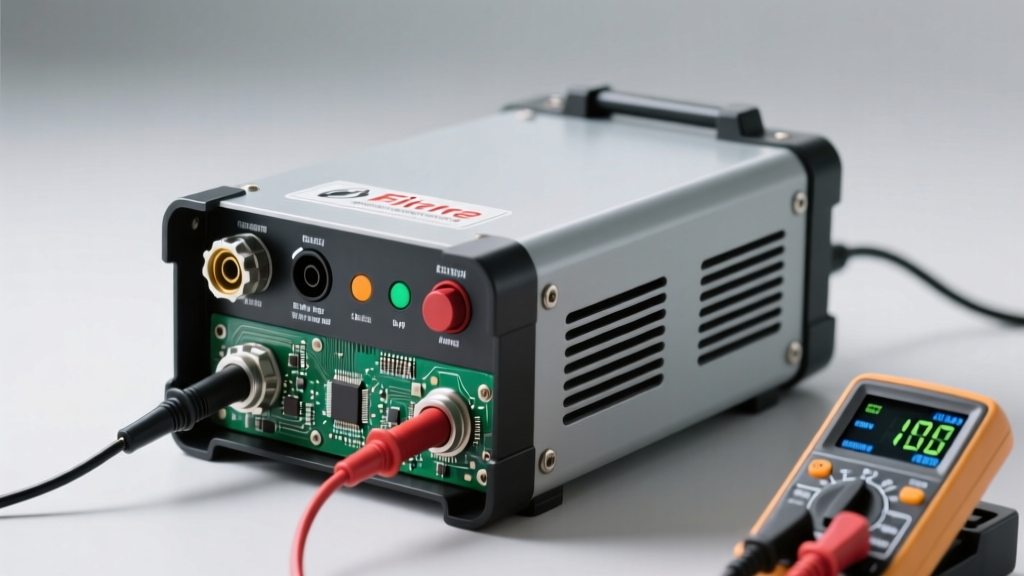
Types of Sonxie Defrost Timers
A Sonxie defrost timer is an essential electrical component used in refrigeration systems to automatically regulate defrost cycles and prevent excessive frost buildup in freezer compartments. By periodically interrupting the cooling process, these timers help maintain optimal efficiency, energy consumption, and food preservation. Sonxie offers a range of defrost timers designed for different user needs—from basic mechanical models to advanced smart systems.
Digital Defrost Timers
Equipped with an LCD or LED display, digital defrost timers provide precise control over defrost scheduling and real-time monitoring of the cooling cycle.
Advantages
- Clear time display and countdown indicator
- Precise timing control for consistent performance
- Customizable defrost duration and frequency
- Multiple programmable cycles for flexible use
Limitations
- Higher cost than mechanical models
- Requires power stability; sensitive to voltage fluctuations
- May need technical knowledge for initial setup
Best for: Modern kitchens, commercial refrigeration, users seeking precision and automation
Mechanical Timers
These traditional timers use internal gears and a manual dial to control the defrost cycle, operating without digital circuitry.
Advantages
- Inexpensive and widely available
- No reliance on software or firmware
- Simple, intuitive operation with physical dial
- Durable in environments with power fluctuations
Limitations
- Limited precision and adjustment options
- Manual winding required for reset or adjustment
- Prone to wear over time due to moving parts
Best for: Budget-conscious users, older refrigerator models, backup systems
Plug-In Timers
Designed for easy installation, plug-in defrost timers connect between the power outlet and the refrigerator’s power cord, making them ideal for retrofitting.
Advantages
- No hardwiring required—simple plug-and-use design
- Portable and reusable across appliances
- Easy to install for non-technical users
- Compatible with most standard refrigerators
Limitations
- May be less secure if accidentally unplugged
- Visible power connection can be unsightly
- Generally fewer advanced features
Best for: Renters, temporary setups, DIY installations
Timers with Alarm
These models include an audible or visual alert system that signals when the defrost cycle is complete.
Advantages
- Prevents missed restarts and prolonged thawing
- Ideal for busy households or shared kitchens
- Reduces risk of food spoilage
- Enhances user awareness and control
Limitations
- Alarm can be loud or disruptive in quiet environments
- Additional electronic components may reduce reliability
- Slightly higher power consumption
Best for: Families, office kitchens, environments where attention may be divided
Smart Defrost Timers
Next-generation timers that connect via Wi-Fi or Bluetooth to smartphones and home automation systems for remote monitoring and control.
Advantages
- Remote access and control via mobile apps
- Real-time notifications and defrost cycle updates
- Integration with smart home ecosystems (e.g., Alexa, Google Home)
- Energy usage tracking and performance analytics
Limitations
- Higher initial investment
- Dependent on stable internet and app availability
- Potential privacy or connectivity concerns
Best for: Tech-savvy users, smart homes, energy monitoring enthusiasts
| Type | Installation | User-Friendliness | Features | Best For |
|---|---|---|---|---|
| Digital | Medium | High | High | Precision control, modern kitchens |
| Mechanical | Easy | High | Low | Budget use, simple setups |
| Plug-In | Very Easy | Very High | Medium | Renters, temporary use |
| With Alarm | Easy | High | Medium | Busy households, shared spaces |
| Smart | Medium | High (with app) | Very High | Smart homes, remote monitoring |
Expert Tip: For optimal performance, pair your Sonxie defrost timer with a surge protector—especially digital and smart models—to protect against voltage spikes and extend the device's lifespan.
Functions and Features of Sonxie Defrost Timers
Defrost timers are essential components in refrigeration systems, ensuring efficient operation and longevity of cooling appliances. Among leading brands, Sonxie defrost timers stand out for their reliability, precision, and advanced functionality. While various defrost timers exist across the market—mechanical, electronic, and adaptive—Sonxie models combine robust engineering with intelligent design to prevent ice accumulation, optimize energy usage, and protect both food and system components.
Core Functions of Sonxie Defrost Timers
Ice Build-up Prevention
Sonxie defrost timers automatically regulate intermittent defrost cycles by switching off the compressor and activating the defrost heater at scheduled intervals. This process melts frost that accumulates on evaporator coils, preventing blockages that can impair airflow and cooling efficiency.
By maintaining clean coils, these timers ensure consistent heat exchange, which is crucial for maintaining low temperatures in freezers and refrigerated display units.
Energy Conservation
Frost buildup acts as an insulating layer on evaporator coils, forcing the compressor to work harder and consume more electricity. Sonxie timers reduce this energy waste by initiating timely defrost cycles, thereby restoring optimal thermal conductivity.
This intelligent cycle management can lead to significant energy savings—up to 15–20% in older or heavily used units—making Sonxie timers a cost-effective upgrade for commercial and residential refrigeration systems.
Frost Damage Prevention
Excessive frost can damage stored food by causing freezer burn, dehydration, and texture degradation. Sonxie defrost timers mitigate this risk by maintaining stable internal temperatures and minimizing humidity fluctuations during controlled defrost periods.
Their precise timing ensures that defrosting occurs only when necessary, reducing temperature swings that could compromise food quality over time.
Frozen Food Protection
If frost is not managed properly, it can lead to system strain, increased cycle times, and even compressor failure. A malfunctioning cooling system may result in partial or total thawing of frozen goods.
Sonxie timers help prevent such scenarios by ensuring reliable operation of the defrost cycle, thus maintaining consistent cold storage conditions and protecting valuable inventory from spoilage.
Cooling System Protection
Ice accumulation isn’t limited to evaporators—it can also affect condenser performance if moisture migrates through the system. Overheating due to poor heat dissipation reduces compressor lifespan and increases maintenance costs.
Sonxie defrost timers help maintain balanced system operation by preventing excessive ice formation, reducing thermal stress on critical components like compressors, fans, and condensers.
Defrost Cycle Regulation
Sonxie timers offer customizable or adaptive control over the frequency and duration of defrost cycles. Depending on the model, they operate on fixed time intervals (e.g., every 6, 8, or 12 hours) or use demand-based logic to initiate defrost only when needed.
This flexibility allows integration into a wide range of applications—from household refrigerators to industrial cold rooms—ensuring optimal performance without unnecessary energy expenditure.
Advanced Features of Sonxie Defrost Timers
| Feature | Functionality | Benefit |
|---|---|---|
| Timer Type | Mechanical or Electronic (Model Dependent) | Choice between durability and precision; electronic models offer better accuracy and diagnostics |
| Defrost Initiation | Time-based or Demand-initiated (with sensor input) | Prevents unnecessary defrosting, saving energy and extending component life |
| Defrost Duration | Adjustable (typically 15–30 minutes) | Allows customization based on climate, usage, and system design |
| Voltage Compatibility | 120V, 230V, 24V AC/DC options | Suitable for residential, commercial, and industrial applications worldwide |
| Environmental Rating | IP44 or higher (moisture and dust resistant) | Reliable performance in humid or cold storage environments |
Important: Always verify compatibility with your refrigeration system before replacing a defrost timer. Using an incorrect model or misconfiguring settings can lead to excessive icing, overheating, or compressor damage. Follow manufacturer instructions for wiring, calibration, and testing. For optimal performance, pair Sonxie timers with properly functioning heaters, thermostats, and drain pans to ensure complete defrost cycle completion.
Smart Timer Applications in Everyday Life
Timers play a crucial role in modern appliances and home automation systems, enhancing efficiency, safety, and convenience. From kitchen gadgets to climate control and gardening, automated timing mechanisms ensure precise operation, reduce human error, and optimize performance. Below are real-world scenarios where timers significantly improve functionality and user experience.
Refrigerator Defrosting
The defrost timer is a critical component in many refrigerators, especially older models or units operating in high-humidity environments. It prevents excessive ice buildup on evaporator coils, which can restrict airflow and reduce cooling efficiency.
- Automatically cycles the cooling system off and activates heating elements at scheduled intervals (typically every 6–12 hours)
- Allows melted frost to drain through a dedicated channel into a pan beneath the unit, where it evaporates
- Ensures consistent temperature regulation and energy efficiency by maintaining clear airflow
- Reduces compressor strain, extending the lifespan of the refrigerator
Pro Tip: If your fridge runs constantly or has thick ice buildup, the defrost timer or sensor may need replacement.
Electric Kettle Timer
Modern electric kettles often include built-in timers or smart controls that enhance precision in water heating, especially important for tea, coffee, or instant meals requiring specific temperatures.
- Countdown timers alert users when water reaches boiling point (100°C / 212°F)
- Advanced models feature temperature presets for green tea (70–80°C), black tea (95–100°C), or French press coffee
- Some kettles maintain heat for a set period after boiling, ensuring water stays ready
- Prevents over-boiling, saving energy and reducing limescale buildup
Smart Choice: Look for kettles with audible alerts and automatic shut-off for safety and convenience.
Plant Watering Timer
A plant watering timer automates irrigation, delivering the right amount of water at optimal times—essential for maintaining healthy indoor and outdoor plants, especially when traveling or managing large gardens.
- Connects to a hose or drip irrigation system and operates on a programmable schedule (daily, weekly, or custom intervals)
- Adjustable duration settings allow control over water volume based on plant type, soil, and season
- Reduces water waste by avoiding overwatering and ensuring consistent moisture levels
- Weather-resistant models support outdoor use and can integrate with smart home systems
Best Practice: Water early in the morning or late evening to minimize evaporation and fungal growth.
Indoor Grill Timer
Indoor grills benefit greatly from integrated or external timers, ensuring precise cooking times for meats, vegetables, and other foods—key to achieving consistent, restaurant-quality results.
- Prevents undercooking or burning by providing audible or visual alerts when time expires
- Supports multi-stage cooking (e.g., sear for 3 minutes, then cook for 7 minutes)
- Many models include preset programs for burgers, chicken, fish, and vegetables
- Enhances safety by reducing the need to constantly monitor food
Chef’s Insight: Use the timer to rest meat after grilling—let it sit for 3–5 minutes for juicier results.
Expert Recommendation: When selecting appliances with timers, prioritize models with adjustable settings, clear displays, and reliable alerts. For home automation, consider Wi-Fi-enabled timers that can be controlled via smartphone apps, offering remote access and scheduling flexibility. This is especially useful for vacation settings or energy management.
| Application | Timer Function | Key Benefit | Recommended Frequency |
|---|---|---|---|
| Refrigerator Defrosting | Automatic cycle control | Prevents ice buildup and improves efficiency | Every 6–12 hours |
| Electric Kettle | Boil countdown with alert | Precise water readiness for beverages | Per use (on demand) |
| Plant Watering | Scheduled irrigation control | Consistent hydration, reduced waste | Daily or every 2–3 days |
| Indoor Grilling | Cooking duration alert | Perfectly cooked meals every time | Per cooking session |
Additional Considerations
- Energy Efficiency: Timers help reduce power consumption by ensuring devices operate only when needed.
- User Safety: Automatic shut-offs and alerts prevent hazards like dry boiling or fire risks from unattended cooking.
- Smart Integration: Many modern timers sync with voice assistants (Alexa, Google Assistant) or home hubs for seamless control.
- Maintenance Alerts: Some advanced timers notify users when descaling or cleaning is required (e.g., kettles, refrigerators).
- Customization: Programmable timers allow personalization based on lifestyle, climate, and usage patterns.
How to Choose the Right Sonxie Defrost Timer for Your Foodservice Needs
The Sonxie defrost timer has become a trusted solution in the frozen food and foodservice industries due to its reliability, efficiency, and versatility. Widely adopted by bulk buyers across commercial kitchens, catering services, and hospitality operations, Sonxie timers offer consistent performance regardless of brand preference. However, selecting the right model requires careful consideration of several key factors to ensure optimal functionality, safety, and value for your specific application.
Safety Notice: Always ensure defrost equipment is used in a well-ventilated area, away from flammable materials. Never leave a defrost timer unattended during operation, especially in high-volume commercial settings where fire risks increase with prolonged use.
Key Factors to Consider When Choosing a Sonxie Defrost Timer
- Type: Portable vs. Fixed Models
Sonxie defrost timers are available in two primary configurations: portable and fixed (built-in) units, each suited to different operational needs.
- Portable Models: These compact, user-friendly units feature a standard 3-prong plug and a flexible heating wire. They can be plugged into any standard electrical outlet and are ideal for small kitchens, mobile catering, or occasional thawing tasks. Simply hang the thawing timer on a frozen food bag for controlled, even defrosting.
- Fixed Models: Designed for high-volume environments like restaurants, hotels, and institutional kitchens, these are permanent installations with dedicated control panels, multiple food slots, and integrated heating systems. They enable simultaneous thawing of large batches, significantly improving kitchen efficiency and workflow consistency.
- Power Requirements and Output
Understanding power specifications is crucial for matching the timer to your kitchen’s electrical system and workload.
- Standard Sonxie defrost timers operate at approximately 80 watts, providing gentle, low-heat thawing that prevents partial cooking while safely bringing food to preparation temperature.
- For commercial applications, higher-powered models are available, operating on voltages between 220V and 380V. These heavy-duty units deliver faster thawing times and are engineered to handle continuous use in demanding environments.
- Always verify your facility’s power supply compatibility before installation to avoid circuit overloads or equipment damage.
- Thermostat Integration for Precision Control
The presence of a thermostat significantly enhances performance and food safety.
- Non-Thermostatic Models: Require manual monitoring and timing. Operators must estimate thawing duration, which can lead to inconsistent results or potential bacterial growth if food remains in the danger zone (40°F–140°F) too long.
- Thermostatic Models: Automatically regulate and maintain the ideal thawing temperature. This ensures uniform defrosting, reduces labor input, and minimizes the risk of microbial contamination—especially important for raw meats, poultry, and seafood.
- For regulated foodservice operations, thermostatically controlled timers are strongly recommended to meet HACCP and food safety compliance standards.
- Safety Features for Commercial Kitchens
Given the risks associated with electrical heating devices, safety should be a top priority.
- Advanced Sonxie models include critical safety mechanisms such as automatic shutoff, flame-retardant housing materials, and integrated smoke detection alarms.
- The automatic shutoff function halts operation if internal temperatures exceed safe limits, preventing overheating and potential fire hazards.
- Smoke alarms alert kitchen staff to malfunctions or overheating, allowing immediate intervention and reducing the risk of property damage or injury.
- These features not only protect equipment and personnel but also support insurance compliance and risk management protocols.
- Additional Functions and Multi-Use Capabilities
Modern thawing machines go beyond basic defrosting, offering added value through multi-functionality.
- Some Sonxie-compatible or branded units integrate features like cooking, air frying, steaming, or microwave functions, transforming them into versatile kitchen appliances.
- An integrated timer allows for programmable defrosting and cooking cycles, reducing manual oversight and streamlining meal prep.
- These multifunctional units help reduce the number of appliances needed, saving valuable counter or storage space—especially beneficial in compact or mobile kitchens.
- For distributors and retailers, offering multi-functional models can increase customer satisfaction and boost average order value.
| Selection Criteria | Best For | Recommended Use Cases | Key Benefits |
|---|---|---|---|
| Portable Timer (80W, 110V) | Small kitchens, mobile catering, occasional use | Deli counters, food trucks, small cafes | Easy setup, low cost, flexible placement |
| Fixed Timer (220V–380V) | High-volume operations | Restaurants, hotels, catering companies | Faster thawing, batch processing, consistent output |
| Thermostatic Control | Food safety compliance | Healthcare facilities, schools, fine dining | Precise temperature control, reduced bacterial risk |
| Units with Safety Features | 24/7 operations, fire-prone environments | Commercial kitchens, industrial kitchens | Automatic shutoff, fire prevention, staff safety |
| Multifunctional Units | Space-constrained or versatile kitchens | Food trucks, pop-up kitchens, compact facilities | Combines defrosting, cooking, and air frying |
Pro Tip: When sourcing Sonxie defrost timers for resale or commercial use, prioritize models with thermostatic controls and safety certifications (e.g., ETL, UL). These not only enhance performance but also align with health and safety regulations, making them more attractive to professional buyers.
Final Recommendations
- Assess your volume needs: Choose portable units for light use and fixed systems for high-demand environments.
- Verify voltage compatibility with your facility’s electrical infrastructure.
- Opt for thermostatic models to ensure food safety and reduce labor costs.
- Look for safety certifications and built-in protection features to minimize risk.
- Consider multifunctional units to maximize kitchen efficiency and offer added value to customers.
- Train kitchen staff on proper usage and maintenance to extend equipment lifespan and ensure consistent results.
Selecting the right Sonxie defrost timer is more than a purchasing decision—it's an investment in food safety, operational efficiency, and customer satisfaction. By evaluating your specific needs against these key criteria, you can make an informed choice that supports both short-term performance and long-term success in the competitive foodservice industry.
SQNXie Defrost Timer: Frequently Asked Questions
Q1: What settings are available on the SQNXie defrost timer?The SQNXie defrost timer features two primary control settings that regulate the defrost cycle in refrigeration systems. These settings are designed to optimize performance, energy efficiency, and equipment longevity.
- Interval Timer (Setting 1): This setting determines how often the defrost cycle begins. It measures the operational time between defrost cycles—commonly referred to as the "defrost interval." The interval is typically based on compressor run time and is crucial for maintaining optimal performance depending on how frequently the freezer is used and the type of products stored. For example, freezers with high usage may require shorter intervals to prevent excessive frost buildup.
- Duration Timer (Setting 2): This controls how long the defrost cycle lasts—specifically, how long the heating element remains active during defrost. The duration must be long enough to melt frost from the evaporator coils but not so long that it warms the freezer excessively. Typical durations range from 15 to 30 minutes, depending on system design and environmental conditions.
Proper calibration of both timers ensures efficient frost removal without compromising temperature stability or wasting energy.
Q2: What is the purpose of the two timers in the defrost process?The dual-timer system plays a critical role in maintaining the efficiency and reliability of refrigeration units. Each timer serves a distinct but complementary function:
- Optimizes System Performance: By scheduling defrost cycles based on actual usage (via the interval timer), the system adapts to real-world conditions. This ensures that frost is removed before it impedes airflow or insulates the coils, which could reduce cooling efficiency.
- Prevents Excessive Frost Accumulation: Uncontrolled frost buildup can block air circulation, increase energy consumption, and force the compressor to work harder. The duration timer ensures that just enough heat is applied to clear the frost without overheating the compartment or damaging components.
- Extends Equipment Lifespan: Regular, controlled defrosting reduces strain on the compressor and other mechanical parts, contributing to longer service life and fewer maintenance issues.
Together, these timers help maintain consistent temperatures, improve energy efficiency, and support food safety by ensuring the freezer operates within ideal parameters.
Q3: What additional functions does the defrost timer provide?Beyond controlling the timing of defrost cycles, the SQNXie defrost timer offers several important operational benefits:
- Prevents Over-Defrosting: The timer ensures a minimum run time between defrost cycles, preventing the system from initiating defrost too frequently. This conserves energy and avoids unnecessary wear on heating elements and control components.
- Synchronizes with Compressor Operation: Many models are designed to initiate defrost only after the compressor has completed a cycle, reducing thermal stress on the system.
- Supports Manual Override: Some SQNXie timers allow technicians to manually trigger a defrost cycle for maintenance or troubleshooting, improving serviceability.
- Fail-Safe Operation: In the event of a power interruption, certain models resume operation based on pre-set intervals, helping maintain consistent performance.
These features make the timer a central component in intelligent refrigeration management, balancing automation with reliability.
Q4: What material is the SQNXie defrost timer constructed from?The SQNXie defrost timer is built using phenolic plastic, a high-performance thermosetting material known for its durability and resistance to harsh operating conditions.
Key advantages of phenolic plastic in this application include:
- Heat Resistance: Withstands elevated temperatures generated near compressors and heating elements without warping or degrading.
- Electrical Insulation: Provides excellent dielectric properties, reducing the risk of short circuits or electrical interference.
- Mechanical Strength: Resists impact and vibration, making it ideal for industrial and commercial refrigeration environments.
- Chemical Resistance: Holds up well against oils, refrigerants, and cleaning agents commonly found in cooling systems.
This robust construction ensures long-term reliability even in demanding applications such as walk-in freezers, display coolers, and refrigerated transport units.
Q5: What voltage does the SQNXie defrost timer operate on?SQNXie defrost timers are designed for versatility and can operate on either 120V or 240V, depending on the specific model. This dual-voltage capability makes them compatible with a wide range of refrigeration systems across residential, commercial, and industrial settings.
Key points about voltage compatibility:
- Model-Specific: The operating voltage is determined at the time of purchase—always verify the voltage rating on the product label or in the technical specifications before installation.
- Global Use: The availability of both 120V (common in North America) and 240V (standard in Europe, Asia, and other regions) supports international deployment.
- Stable Performance: Built-in voltage regulation helps protect internal components from fluctuations, enhancing reliability.
- Easy Integration: Compatible with standard HVAC/R control circuits and can be wired into existing systems with proper configuration.
Always ensure that the timer’s voltage matches the power supply of your refrigeration unit to avoid damage and ensure safe operation.