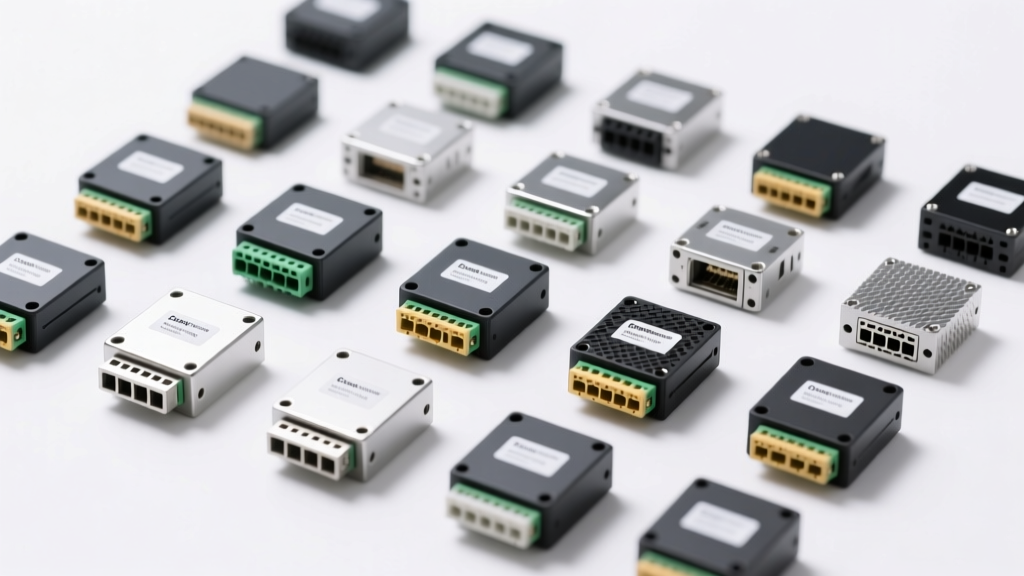
Types of Smart Micro Switches
A smart micro switch is a compact, precision electromechanical or electronic device that has been enhanced with intelligent features such as sensors, wireless communication, programmability, and feedback systems. Unlike traditional micro switches that merely open or close a circuit, smart variants integrate advanced technologies to improve reliability, automation, and system monitoring. These switches are essential in modern applications ranging from consumer electronics and smart homes to industrial automation and aerospace systems.
With the integration of IoT (Internet of Things), AI-driven diagnostics, and real-time data analytics, smart micro switches are transforming how machines and devices interact with their environments. Below is a comprehensive overview of the major types, their working principles, applications, and comparative advantages.
Mechanical Smart Micro Switches
These switches combine traditional mechanical actuation with embedded sensors for enhanced functionality.
Advantages
- Reliable physical feedback and tactile response
- High durability in industrial environments
- Integrated sensors enable real-time monitoring of pressure, temperature, or position
- Cost-effective for retrofitting legacy systems
Limitations
- Subject to mechanical wear over time
- Limited lifespan compared to solid-state alternatives
- Requires periodic maintenance in high-cycle applications
Best for: Automotive systems (power windows, door locks, seat controls), industrial machinery, and appliances requiring physical actuation with monitoring
Electronic Smart Micro Switches
These are solid-state switches that use electronic sensing (e.g., capacitive, inductive, or Hall-effect sensors) instead of moving parts.
Advantages
- No mechanical wear, resulting in longer service life
- High resistance to vibration, dust, and moisture
- Faster response times and higher cycle endurance
- Ideal for sealed or hazardous environments
Limitations
- Higher initial cost
- May require external power or signal conditioning
- Sensitive to electromagnetic interference (EMI) in some cases
Best for: Medical devices, cleanroom equipment, robotics, and high-reliability electronics
Wireless Smart Micro Switches
Equipped with wireless communication protocols such as Wi-Fi, Bluetooth, Zigbee, or Z-Wave for remote control and integration into IoT ecosystems.
Advantages
- Eliminates complex wiring, reducing installation time and cost
- Enables remote monitoring and control via smartphones or hubs
- Scalable for large smart home or building automation systems
- Supports over-the-air (OTA) firmware updates
Limitations
- Dependent on battery life or power harvesting
- Potential latency or signal interference
- Requires network infrastructure and cybersecurity considerations
Best for: Smart homes (lighting, HVAC, security), building automation, and hard-to-reach locations
Programmable Smart Micro Switches
These switches feature configurable logic, sensitivity, timing, and activation thresholds via software or onboard interfaces.
Advantages
- Highly customizable for diverse industrial applications
- Reduces need for multiple switch types in production lines
- Enables adaptive behavior based on operating conditions
- Improves process efficiency and reduces downtime
Limitations
- Steeper learning curve for configuration
- Higher cost and complexity
- May require specialized software or training
Best for: Automated manufacturing, robotics, packaging systems, and multi-product assembly lines
Smart Micro Switches with Feedback
These switches provide confirmation of actuation status through visual (LED), auditory, or digital signals sent back to a control system.
Advantages
- Ensures operational integrity and safety compliance
- Reduces risk of undetected failures
- Supports closed-loop control systems
- Critical for fail-safe mechanisms in high-stakes environments
Limitations
- Increased complexity and cost
- Requires integration with monitoring systems
- Potential for false alarms if not calibrated properly
Best for: Aerospace, defense systems, medical equipment, and safety-critical industrial controls
| Type | Actuation Method | Lifespan | Smart Features | Primary Applications |
|---|---|---|---|---|
| Mechanical Smart | Physical actuator | Medium to High | Sensors (pressure, temp, proximity) | Automotive, appliances, industrial |
| Electronic Smart | Capacitive/Inductive | Very High | Solid-state sensing, no moving parts | Medical, robotics, harsh environments |
| Wireless Smart | Remote signal | High (battery-dependent) | Wi-Fi, Bluetooth, Zigbee | Smart homes, building automation |
| Programmable Smart | Configurable input | High | Adjustable thresholds, timing, logic | Manufacturing, automation |
| Feedback-Enabled | Any (with status return) | High | Status confirmation, error reporting | Aerospace, defense, safety systems |
Expert Tip: When selecting a smart micro switch, consider not only the actuation method but also the integration requirements—such as communication protocol, power source, and environmental conditions. For critical applications, prioritize switches with diagnostic feedback and redundancy features to ensure system reliability.
Conclusion
Smart micro switches represent the convergence of mechanical precision and digital intelligence. Whether you're designing a consumer product, upgrading industrial equipment, or developing a smart home ecosystem, choosing the right type of smart micro switch can significantly enhance performance, safety, and user experience. Understanding the differences between mechanical, electronic, wireless, programmable, and feedback-enabled variants allows engineers and designers to make informed decisions tailored to their specific needs.
Industry Applications of Smart Micro Switches
Smart micro switches represent a significant advancement over traditional mechanical switches, combining compact design with intelligent sensing, feedback, and connectivity features. Their ability to detect precise physical changes and transmit real-time data makes them indispensable across a wide range of high-performance industries. From enhancing safety in automobiles to ensuring reliability in medical devices, smart micro switches are transforming how systems monitor and respond to their environments.
These advanced switches integrate seamlessly with digital control systems, offering programmability, remote monitoring, and predictive maintenance capabilities. As industries move toward automation and IoT integration, smart micro switches are increasingly replacing conventional counterparts to deliver greater efficiency, accuracy, and user experience.
Automotive
In modern automotive design, smart micro switches play a critical role in managing and monitoring a wide array of electronic systems. They are embedded in power windows, seat position controls, door latches, trunk releases, and gear shift mechanisms. Unlike basic switches, smart versions provide bidirectional communication—detecting not only the on/off state but also environmental conditions and operational anomalies.
For example, a smart micro switch in a door sensor can determine whether the door is fully closed, detect resistance (indicating a potential obstruction), and even monitor internal cabin temperature. This data is relayed to the vehicle’s central control unit, enabling features like automatic window reversal upon obstruction detection or climate preconditioning alerts. These capabilities enhance both safety and comfort, aligning with advanced driver assistance systems (ADAS) and connected car technologies.
Industrial Automation
Smart micro switches are foundational components in industrial automation, where precision, reliability, and real-time feedback are paramount. They are deployed in conveyor systems, robotic arms, safety interlocks, and assembly line machinery to detect position, pressure, and motion with high accuracy.
Programmable smart micro switches allow engineers to customize actuation force, hysteresis, response time, and output signals, enabling seamless integration into SCADA and PLC-based control systems. Their ability to log operational data supports predictive maintenance strategies by identifying wear patterns before failure occurs.
For instance, in a packaging line, a smart micro switch can signal when a lid is properly sealed and communicate this status wirelessly to a central monitoring system. This reduces manual inspection, minimizes downtime, and improves throughput—key factors in lean manufacturing environments.
Healthcare
The healthcare industry demands components that offer extreme reliability, precision, and fail-safe operation—qualities that smart micro switches deliver. They are widely used in life-critical medical devices such as infusion pumps, ventilators, dialysis machines, imaging systems (e.g., MRI and CT scanners), and laboratory automation equipment.
In an infusion pump, for example, a smart micro switch ensures that the fluid delivery mechanism is correctly engaged and can detect occlusions or air bubbles in the line. Upon detecting an anomaly, it triggers an immediate alert to healthcare providers, preventing patient harm.
Moreover, these switches often feature hermetic sealing and biocompatible materials to withstand sterilization processes and operate reliably in sensitive environments. Their feedback integration supports compliance with medical safety standards such as IEC 60601, making them essential for maintaining system integrity in hospitals and research labs.
Consumer Electronics
Smart micro switches are revolutionizing consumer electronics by enabling intuitive, responsive, and energy-efficient interactions. They are found in smartphones (for detecting flip covers), home appliances (like washing machines and refrigerators), gaming controllers, and wearable devices.
Modern variants include capacitive, pressure-sensitive, and wireless micro switches that support touchless operation and haptic feedback. For example, a smart refrigerator may use micro switches to detect door openings and automatically adjust internal lighting and cooling zones, improving energy efficiency.
When integrated into smart home ecosystems (e.g., via Wi-Fi or Bluetooth), these switches allow remote monitoring and control through mobile apps. A user can receive notifications if a window or garage door is left open, enhancing home security and convenience. Their small footprint and low power consumption make them ideal for battery-powered IoT devices.
Aerospace and Defense
In aerospace and defense applications, where system failure can have catastrophic consequences, smart micro switches are trusted for mission-critical functions. They are used in aircraft landing gear systems, cockpit controls, ejection seat mechanisms, missile guidance systems, and emergency shutoff valves.
These switches must operate flawlessly under extreme conditions—including high vibration, wide temperature fluctuations, and intense electromagnetic interference. Smart micro switches in this sector are built to meet rigorous standards such as MIL-STD-810 and DO-160, ensuring durability and long-term reliability.
They provide real-time status feedback to flight computers and ground control systems, enabling continuous monitoring of system health. For example, a switch in a fuel tank valve can confirm proper closure and report any leakage risk. Their programmable nature allows customization for specific mission profiles, contributing to the adaptability and safety of military and civilian aerospace platforms.
| Industry | Key Applications | Benefits of Smart Micro Switches |
|---|---|---|
| Automotive | Door sensors, power seats, window controls, gear shifts | Obstruction detection, real-time diagnostics, enhanced safety, improved user experience |
| Industrial Automation | Conveyor systems, robotic arms, safety interlocks | Customizable settings, predictive maintenance, reduced downtime, increased efficiency |
| Healthcare | Infusion pumps, ventilators, diagnostic equipment | Precision control, failure alerts, compliance with safety standards, patient protection |
| Consumer Electronics | Smartphones, appliances, gaming devices, smart homes | Touchless operation, remote monitoring, energy savings, seamless IoT integration |
| Aerospace & Defense | Landing gear, cockpit controls, emergency systems | High reliability, environmental resilience, real-time feedback, mission-critical performance |
Important: When selecting smart micro switches for specialized applications, ensure compatibility with environmental conditions, electrical requirements, and regulatory standards. Using non-certified or improperly rated components can compromise system performance and safety. Always consult technical specifications and work with reputable suppliers to maintain operational integrity across all industries.
Product Specifications and Features of Smart Micro Switches
Smart micro switches are precision-engineered components designed for reliable performance across a wide range of industrial, commercial, and consumer applications. These compact yet powerful devices are integral to automation, safety systems, and control circuits. Their advanced design incorporates key specifications that ensure optimal functionality, longevity, and adaptability in diverse environments.
Switching Capacity
The switching capacity defines the maximum electrical load a micro switch can safely handle, including both voltage and current ratings. This specification is critical for ensuring compatibility with the target application and preventing premature failure due to overload.
- Typical voltage ranges: 5V DC to 250V AC/DC, suitable for low-power electronics to heavy-duty industrial equipment
- Current ratings vary from 0.1A (signal-level) to 15A (power switching)
- High-capacity models are used in motor controls, HVAC systems, and industrial machinery
- Low-current variants ideal for IoT sensors, smart home devices, and battery-powered systems
Key consideration: Always match the switch’s rated capacity to the circuit’s maximum expected load, including surge currents.
Response Time
Smart micro switches are engineered for rapid actuation, enabling real-time control in time-sensitive applications. Their fast response ensures immediate signal transmission upon trigger activation.
- Typical mechanical response time: 1–10 milliseconds
- Essential for safety interlocks, emergency stops, and high-speed automation
- Used in robotic arms, conveyor systems, and CNC machines for precise motion control
- Enables synchronization in complex control sequences and feedback loops
Performance benefit: Reduces system latency and improves overall operational efficiency in automated environments.
Operating Temperature Range
Designed to perform reliably under extreme environmental conditions, smart micro switches maintain functionality across a broad thermal spectrum.
- Standard operating range: -40°C to +85°C
- Extended-range variants available for specialized applications (e.g., -55°C to +125°C)
- Critical for automotive systems exposed to engine heat and cold climates
- Used in aerospace, outdoor equipment, and industrial ovens where temperature stability is essential
Design insight: Sealed and ruggedized models prevent moisture ingress and thermal drift in harsh environments.
Durability and Lifecycle
One of the defining features of smart micro switches is their exceptional mechanical endurance, making them ideal for high-cycle applications.
- Rated for 1 million to over 50 million operations depending on design and load
- Mechanical switches typically outperform solid-state (electronic) versions in lifecycle testing
- Gold-plated contacts enhance longevity in low-current signal applications
- Used in appliances, industrial controls, and automotive interiors where long-term reliability is paramount
Note: Electronic micro switches (without moving parts) offer high reliability but may have lower mechanical cycle ratings; best suited for environments with vibration or frequent actuation.
Form Factor and Design
Smart micro switches are available in a variety of compact configurations, enabling seamless integration into space-constrained and complex systems.
- Standard types: PCB-mounted, panel-mount, snap-action, lever-actuated
- Mini and ultra-miniature versions available for wearables, medical devices, and smartphones
- Sealed IP-rated models for dust and moisture resistance (e.g., IP67)
- Actuation styles include push-button, plunger, roller lever, and proximity sensing
Integration advantage: Standardized footprints allow for easy replacement and compatibility with existing designs.
Sensitivity and Adjustability
High sensitivity ensures reliable actuation with minimal force, while adjustable models offer customization for specific use cases.
- Activation force as low as 5–20 grams for tactile feedback applications
- Programmable sensitivity in smart switches with digital interfaces (I²C, SPI)
- Adjustable trip points allow fine-tuning for different mechanical linkages or user preferences
- Used in touch-sensitive controls, safety guards, and precision measurement equipment
Smart feature: Some advanced models include hysteresis control and debounce logic to prevent false triggering.
Engineering Recommendation: When selecting a smart micro switch, prioritize environmental resilience and lifecycle over raw specifications. A slightly higher-rated switch with better sealing and temperature tolerance will outperform a marginal fit in real-world conditions. For high-volume applications, consider switches with pre-lubricated mechanisms and corrosion-resistant housings to reduce field failures.
| Application Type | Recommended Switch Feature | Typical Rating | Key Benefit |
|---|---|---|---|
| Industrial Automation | High switching capacity + wide temp range | 125VAC/10A, -40°C to +85°C | Reliable under heavy loads and extreme conditions |
| Consumer Electronics | Miniature form factor + low activation force | 5VDC/0.1A, compact PCB mount | Space-saving with smooth user interaction |
| Automotive Systems | Vibration resistance + sealed housing | IP67 rated, 20M+ cycle life | Durable in high-vibration, dirty environments |
| Medical Devices | Precision actuation + biocompatible materials | Low-force, sterilizable housing | Safe and reliable for sensitive applications |
Additional Considerations
- Contact Material: Silver alloy for high current, gold-plated for low-level signals to prevent oxidation
- Electrical Life vs. Mechanical Life: Electrical life is often shorter due to arcing; specify accordingly for switching load
- Mounting Options: Through-hole, surface mount (SMD), panel mount, or bracket-supported for flexibility
- Regulatory Compliance: Look for UL, CE, RoHS, and automotive-grade (AEC-Q200) certifications
- Environmental Sealing: IP65/IP67 ratings protect against dust, water, and contaminants in outdoor or industrial use
Smart Micro Switches: Essential Quality Considerations
Selecting high-quality smart micro switches is critical for ensuring the reliability, safety, and longevity of electronic and electromechanical systems. These small but vital components are used across industries—from consumer electronics to industrial automation and automotive systems—where performance under stress and over time is non-negotiable. Understanding the key quality factors helps businesses make informed procurement decisions, reduce downtime, and maintain product integrity. Below is a comprehensive breakdown of the most important quality considerations when evaluating smart micro switches.
Important Note: Poor-quality micro switches can lead to system failures, safety hazards, and increased maintenance costs. Always prioritize certified, rigorously tested components from reputable manufacturers, especially in mission-critical or high-cycle applications.
Material Quality: Foundation of Durability
The materials used in the construction of smart micro switches directly influence their mechanical strength, electrical performance, and resistance to environmental degradation. High-performance switches are typically built using:
- High-grade metal alloys (e.g., phosphor bronze, beryllium copper) for contacts and springs, offering excellent conductivity and fatigue resistance
- Engineered thermoplastics (e.g., PBT, nylon, or polycarbonate) for housing, providing thermal stability, impact resistance, and flame retardancy
- Gold-plated or silver-nickel contacts to minimize contact resistance and prevent oxidation, ensuring consistent signal transmission
Switches made with premium materials are better suited for demanding environments such as automotive systems, industrial machinery, and outdoor equipment, where vibration, temperature fluctuations, and mechanical stress are common.
Certification and Compliance: Assurance of Safety and Standards
Compliance with international safety and environmental standards is a non-negotiable quality benchmark. Reputable smart micro switches should carry certifications such as:
- UL (Underwriters Laboratories) – Validates electrical safety and fire resistance
- CE (Conformité Européenne) – Confirms compliance with EU health, safety, and environmental standards
- RoHS (Restriction of Hazardous Substances) – Ensures the switch is free from lead, mercury, cadmium, and other harmful materials
- ISO 9001 – Indicates the manufacturer follows rigorous quality management processes
Using certified components not only reduces the risk of product failure and liability but also ensures regulatory compliance in global markets, facilitating smoother product certification and faster time-to-market.
Testing and Quality Control: Ensuring Long-Term Reliability
A manufacturer’s commitment to quality control is evident in their testing protocols. High-quality micro switches undergo extensive testing, including:
- Lifecycle testing – Simulating millions of actuations to verify mechanical endurance (e.g., 100,000 to 10 million cycles)
- Burn-in testing – Operating switches under elevated temperature and voltage to identify early-life failures
- Contact resistance testing – Ensuring stable electrical performance over time
- Vibration and shock testing – Validating performance in high-stress environments
- Environmental stress screening (ESS) – Exposing units to thermal cycling, humidity, and corrosion
Manufacturers with ISO-certified quality systems and transparent testing reports provide greater confidence in product consistency and reliability.
Environmental Resistance: Performance in Harsh Conditions
Smart micro switches deployed in outdoor, industrial, or marine environments must withstand moisture, dust, temperature extremes, and chemical exposure. Key indicators of environmental resilience include:
- IP (Ingress Protection) ratings – IP65, IP67, or IP68-rated switches are sealed against dust and water ingress, making them suitable for outdoor enclosures, agricultural equipment, and washdown applications
- Operating temperature range – High-quality switches typically operate reliably from -40°C to +125°C, accommodating extreme climates
- Corrosion-resistant plating – Nickel or tin plating on terminals prevents oxidation in humid or salty environments
For example, an IP67-rated switch can be temporarily submerged in water, making it ideal for use in marine controls, irrigation systems, or outdoor security devices.
Reliability and Consistency: Mission-Critical Performance
In applications such as medical devices, industrial automation, or aerospace systems, even minor performance variations can lead to catastrophic failures. Key reliability metrics include:
- Actuation force consistency – Ensures predictable tactile feedback and switch response
- Response time stability – Minimal variation in switch activation timing under repeated use
- Low failure rate (FIT rate) – Measured in failures per billion hours, indicating long-term dependability
- Minimal contact bounce – Reduces electrical noise and false triggering in sensitive circuits
Consistent performance over time reduces maintenance needs and enhances system uptime, which is crucial for high-availability applications.
Post-Sale Service and Warranty: Support Beyond the Purchase
A manufacturer’s after-sales support is a strong indicator of product confidence and customer commitment. Look for suppliers that offer:
- Extended warranties (e.g., 2–5 years) – Demonstrates confidence in product longevity
- Technical support teams – Available for design assistance, troubleshooting, and integration guidance
- Replacement or refund policies – For defective units, minimizing downtime and repair costs
- Field failure analysis – Helps identify root causes and prevent future issues
Strong post-sale service ensures that any quality issues are resolved quickly, protecting your operations and maintaining supply chain continuity.
| Quality Factor | Key Benefits | Risks of Poor Quality | Recommended Standards/Certifications |
|---|---|---|---|
| Material Quality | Durability, corrosion resistance, long service life | Premature wear, contact failure, mechanical breakage | UL 61058, RoHS, REACH |
| Certification & Compliance | Legal compliance, safety assurance, market access | Product recalls, regulatory fines, liability risks | UL, CE, RoHS, ISO 9001 |
| Testing & Quality Control | High reliability, low defect rates, predictable performance | Intermittent failures, early-life defects | IEC 60529, MIL-STD-883 (for harsh environments) |
| Environmental Resistance | Suitability for outdoor/industrial use, reduced maintenance | Moisture ingress, dust buildup, thermal failure | IP65, IP67, IP68, NEMA 4X |
| Reliability & Consistency | Operational continuity, precision control | System errors, downtime, safety hazards | FIT rate data, lifecycle test reports |
| Post-Sale Support | Quick issue resolution, technical guidance | Extended downtime, increased operational costs | Warranty length, support availability, RMA process |
Expert Tip: When sourcing smart micro switches, request sample units for in-house testing under real-world conditions. Evaluate actuation feel, contact stability, and long-term performance before committing to large orders. This proactive approach can prevent costly redesigns or field failures down the line.
Final Recommendations for Buyers
- Prioritize suppliers with documented quality management systems (e.g., ISO 9001 certified)
- Demand full compliance documentation, including test reports and material certifications
- Consider total cost of ownership—not just unit price—factoring in reliability and support
- Choose switches with appropriate IP ratings and temperature ranges for your application
- Establish long-term partnerships with manufacturers offering strong warranties and technical support
By carefully evaluating these quality considerations, businesses can ensure they select smart micro switches that deliver consistent, safe, and durable performance—supporting the integrity and success of their end products.
Frequently Asked Questions About Smart Micro Switches
Q1: What are the benefits of implementing smart micro switches in the manufacturing sector?Smart micro switches offer significant advantages in modern manufacturing environments due to their advanced programmability, real-time monitoring, and integration capabilities with industrial automation systems. By enabling precise control over machinery operations, they help reduce unplanned downtime and streamline production processes.
- Increased Efficiency: These switches can be programmed to respond to specific operational conditions, optimizing machine cycles and reducing energy consumption.
- Reduced Downtime: With built-in diagnostics and predictive maintenance alerts, smart micro switches allow for proactive servicing before failures occur.
- Adaptability: Their configurable settings make them ideal for dynamic production lines that frequently change product types or output volumes.
- Improved Productivity: Seamless integration with PLCs (Programmable Logic Controllers) and SCADA systems enhances overall equipment effectiveness (OEE).
As a result, manufacturers who adopt smart micro switches often experience measurable improvements in throughput, quality control, and operational agility—making them a strategic investment for Industry 4.0 readiness.
Q2: Are smart micro switches suitable for outdoor use?Yes, smart micro switches can be used outdoors, provided they are designed with appropriate environmental protection. The key factor is the Ingress Protection (IP) rating, which indicates resistance to dust and moisture.
- IP65 Rating and Above: Ensures complete protection against dust and resistance to low-pressure water jets from any direction, making it ideal for outdoor installations.
- Weather-Resistant Housings: Many models feature durable polycarbonate or metal enclosures that withstand UV exposure, temperature fluctuations, and corrosive elements.
- Applications: Commonly used in outdoor automation systems such as agricultural machinery, traffic control devices, solar tracking systems, and construction equipment.
When selecting a switch for outdoor deployment, always verify the IP rating, operating temperature range, and sealing quality to ensure long-term reliability under harsh environmental conditions.
Q3: How important is the feedback function of micro switches in the aerospace sector?In the aerospace industry, where safety and precision are paramount, the feedback function of smart micro switches is not just beneficial—it's critical. These switches provide real-time status updates on mechanical systems, ensuring that components like landing gear, cargo doors, and flight control surfaces are properly engaged or disengaged.
- Safety Assurance: Feedback mechanisms confirm the actual position of moving parts, preventing catastrophic errors caused by false readings or mechanical slippage.
- Immediate Alerts: If a system fails to reach its intended position, the switch triggers an alert to cockpit instrumentation or ground control systems, enabling rapid corrective action.
- Redundancy and Reliability: Aerospace-grade switches often include dual feedback circuits and self-diagnostics to meet stringent FAA and EASA regulations.
- Critical System Monitoring: Used in fuel systems, environmental controls, and avionics bays, where even minor malfunctions can have severe consequences.
Due to these factors, feedback-enabled smart micro switches are indispensable in aerospace applications, contributing directly to flight safety, regulatory compliance, and mission success.
Q4: What role does certification play in the switch's quality and safety?Certifications serve as independent verification that smart micro switches meet rigorous international standards for safety, performance, and environmental compliance. They are essential for gaining market access and building customer trust, especially in high-stakes industries.
| Certification | Significance | Industry Relevance |
|---|---|---|
| CE Marking | Indicates conformity with health, safety, and environmental protection standards for products sold within the European Economic Area. | Required for entry into EU markets across all electronics and machinery sectors. |
| RoHS Compliance | Ensures the switch contains no hazardous substances like lead, mercury, or cadmium, promoting environmental sustainability. | Mandatory for electronics in consumer, medical, and industrial applications. |
| UL Certification | Verifies that the product has been tested by Underwriters Laboratories for fire, electrical, and mechanical safety risks. | Critical for North American markets, especially in healthcare, transportation, and building automation. |
Beyond legal compliance, certifications reflect a manufacturer’s commitment to quality control and reliability. For end-users, they provide assurance that the switch will perform safely and consistently—even under extreme conditions.
Q5: How do smart micro switches enhance user experience in consumer electronics?Smart micro switches significantly elevate the functionality and usability of consumer electronics by enabling intelligent, responsive, and seamless interactions. Unlike traditional mechanical switches, they support advanced features that align with modern expectations for convenience and connectivity.
- Touchless Operation: Integrated with proximity sensors or gesture recognition, these switches allow hands-free control in devices like smart faucets, automatic doors, and voice-activated appliances.
- Pressure Sensitivity: Enables variable input based on force—used in premium keyboards, gaming controllers, and touchpads for more nuanced user input.
- Wireless Integration: Can communicate via Bluetooth, Zigbee, or Wi-Fi, allowing remote monitoring and control through smartphones or voice assistants.
- Smart Home Compatibility: Work seamlessly with platforms like Amazon Alexa, Google Home, and Apple HomeKit, automating routines such as lighting, climate, and security systems.
- Haptic Feedback: Some models provide tactile responses to confirm activation, improving user confidence without physical movement.
By combining precision sensing with digital intelligence, smart micro switches transform everyday devices into intuitive, responsive components of a connected lifestyle—delivering greater comfort, accessibility, and energy efficiency.